Quick Guide
- What Exactly Is a Picasso Bug?
- The Heart of the Matter: Poison, Venom, and Defense
- What Does a Picasso Bug Do All Day? (Spoiler: Not Much)
- Common Questions People Actually Ask (The FAQ)
- Let's Compare: Picasso Bug vs. Actually Dangerous Look-Alikes
- Why Does This Misconception Persist?
- What Should You Do If You Find One?
- Digging Deeper: Reliable Sources & Entomology
- Wrapping It Up: The Final Verdict
You're out in the garden, or maybe hiking through a tropical forest, and you spot this absolutely wild-looking insect. It's got a splash of colors on its back – yellows, reds, blacks, and greens in abstract patterns that look like something out of a modern art gallery. Your first thought, after "wow, that's cool," is probably a cautious one. Is the Picasso bug poisonous? Should you back away slowly? That vibrant display in nature usually screams "danger!" or "don't eat me!" right? It's a fair question, and one that pops up a lot online. I remember spotting my first one in Costa Rica and my buddy immediately yanked me back, convinced it was toxic. Let's clear this up.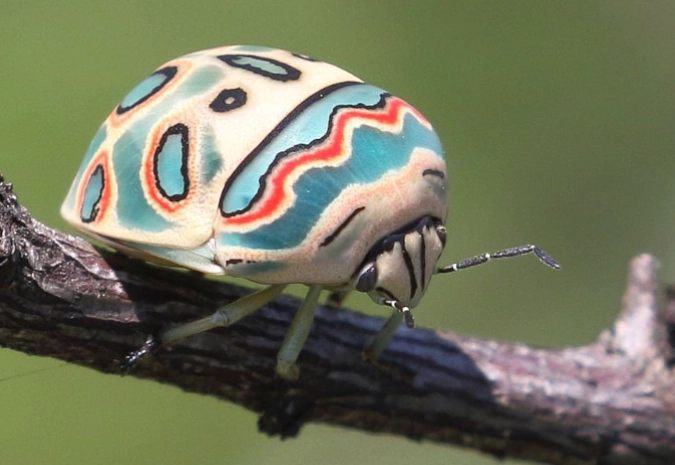
The short, direct answer is no, the Picasso bug is not poisonous to humans. It doesn't produce or secrete toxins that can harm you if you touch it, and it's certainly not venomous (meaning it doesn't inject venom through a bite or sting). But that's just the headline. The real story is way more interesting than a simple yes or no. Why does it look like that if it's not a threat? What's its deal? And are there any risks at all? If you're just looking for the quick safety verdict, you can relax. But if you're curious about why this misconception exists and what this bug's colorful life is really about, stick around. We're going to dig into the biology, the behavior, and the straight facts.
Key Takeaway Right Off the Bat: The Picasso bug (Sphaerocoris annulus) uses its bright colors as a warning signal (aposematism), but it's a bluff. It's mimicking truly dangerous insects to scare off predators. For humans, it's harmless. You shouldn't handle it roughly (it's a living creature, after all), but you don't need to fear it.
What Exactly Is a Picasso Bug?
Before we get deeper into the poison question, let's know what we're talking about. "Picasso bug" is the catchy common name for Sphaerocoris annulus, a species of shield-backed bug (family Plataspidae, though some older sources place it elsewhere). They're also sometimes called "Zulu hud bug" or "African shield bug." They're true bugs, part of the order Hemiptera, which means they have piercing-sucking mouthparts for feeding on plant sap. They're not beetles, even though they look a bit like fancy ladybugs on steroids.
Their claim to fame is, without a doubt, their elytra (the hard forewings). The base color is a creamy yellow or light green, and it's decorated with symmetrical patterns of red, black, and sometimes green rings and spots. No two are perfectly identical, but the pattern is always there, looking meticulously painted. It's stunning. Honestly, the name is more exciting than the bug itself – they're pretty chill, slow-moving insects. They're native to tropical Africa, so you'll find them in countries like Ethiopia, South Africa, and Cameroon, often chilling on the leaves of various plants, especially those in the mint family.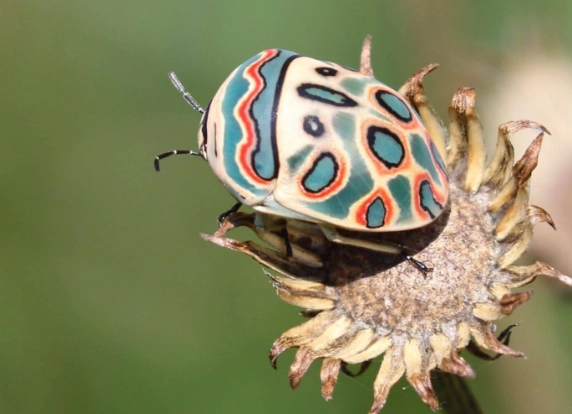
The Heart of the Matter: Poison, Venom, and Defense
This is where we tackle the main event. The query "is the picasso bug poisonous" comes from a place of smart, instinctual caution. In nature, bright colors often equal danger. Think of poison dart frogs, certain caterpillars, or wasps. This is called aposematic coloration – a warning sign to predators saying "I taste bad" or "I will hurt you." The Picasso bug has adopted this look. It's wearing a warning uniform.
But here's the twist: for the Picasso bug, it's largely a costume. It's practicing Batesian mimicry. This is when a harmless species evolves to look like a harmful one. It's a survival strategy. A bird that has had a bad experience with a genuinely toxic insect sees the Picasso bug's flashy outfit and thinks, "Nope, not touching that one." The bug gets left alone without having to invest energy in producing actual toxins.
Poisonous vs. Venomous – A Quick, Crucial Distinction
People often mix these up, and it matters for our discussion.
- Poisonous: Something is poisonous if it's harmful when touched, ingested, or absorbed. You have to contact it or eat it to be affected. (e.g., some frogs, certain plants).
- Venomous: Something is venomous if it actively injects toxins (venom) through a bite, sting, or specialized apparatus (e.g., snakes, bees, spiders).
So, when asking "is the picasso bug poisonous," we're asking if touching or accidentally ingesting it would make us sick. And when people worry about a bite, they're asking if it's venomous. The answer to both is no.
Now, do they have any defenses at all? Sure. Like many shield bugs, they possess scent glands. If you were to harass one – and I mean really bother it, like pick it up and squeeze it – it might release a pungent, unpleasant odor. It's a deterrent. This secretion can irritate the mucous membranes of a small predator (or a curious human nose), but it's not a poison. It won't burn your skin or make you ill. It's just stinky. It's their version of saying, "Alright, you asked for it. Smell this and leave me alone."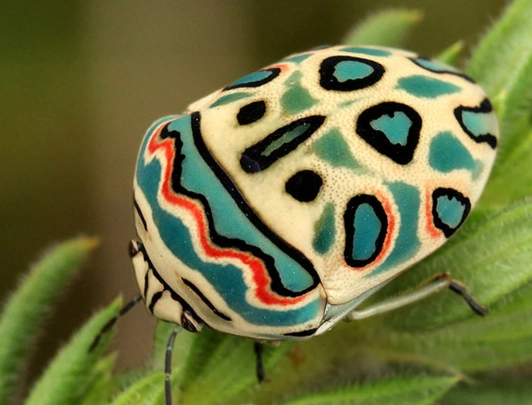
I've handled a few (gently!) during my travels, and the smell is real. It's not catastrophic, but it's not pleasant either. Kind of like a weird, musky chemical smell. It definitely makes you want to put the bug down. A clever, low-energy defense.
What Does a Picasso Bug Do All Day? (Spoiler: Not Much)
Understanding their lifestyle reinforces why they aren't a threat. Picasso bugs are phytophagous – plant eaters. Their entire existence revolves around finding a suitable host plant, inserting their slender mouthpart (rostrum) into a stem or leaf vein, and sipping sap. They're not hunters. They don't have any reason to attack humans or pets. They don't see us as food or as anything other than a large, moving landscape to potentially avoid.
They are social to a degree, often found in small groups, especially as nymphs (the immature stage). The nymphs are also colorful, but more rounded and less patterned. They go through several molts before reaching adulthood. Their entire goal is to feed, grow, mate, and lay eggs. That's it. No world domination plans, no vendettas against gardeners.
Their bright colors, while a defensive mimicry, also might play a role in communication among themselves, like recognizing mates. But mostly, it's about that predator bluff.
Common Questions People Actually Ask (The FAQ)
Let's get into the nitty-gritty of what people searching this topic really want to know. These are the questions that come up in forums, social media, and after the initial "is it poisonous" search.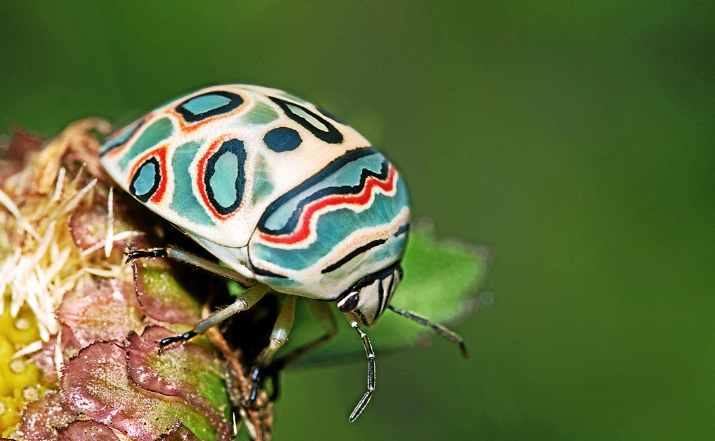
What happens if a Picasso bug bites me?
First, they are extremely unlikely to bite. Their mouthparts are designed for piercing plant tissue, not skin. Human skin is tough for them. Even if one were to try, it would be a feeble pinch at best, unlikely to break the skin. There is no venom sac, no toxin to inject. You'd probably feel more surprised than anything. If by some fluke the skin was broken, clean it like you would any minor scratch to prevent bacterial infection. The bug itself poses no toxic threat.
Are they poisonous to pets like cats or dogs?
Again, not poisonous. However, there's a standard caution here. If a curious pet decides to munch on one, the bug's foul-smelling secretion could cause some drooling, gagging, or mild gastrointestinal upset simply because it tastes and smells awful. It's a physical irritant, not a poison. It's the same reaction a pet might have to eating a stink bug. It's unpleasant but not medically dangerous. The primary risk with any insect is a possible allergic reaction, which is rare and individual. If your pet eats one and seems unusually distressed, a call to the vet is never a bad idea, but panic isn't necessary.
Could I have an allergic reaction to touching one?
This is a possibility with any insect or natural substance, but it's not specific to Picasso bugs. Some individuals with very sensitive skin might experience mild irritation from handling many insects due to proteins on the insect's exterior or from their defensive secretion. It's not common. If you have known severe insect allergies (e.g., to bee stings), it's wise to be cautious around all insects, but there's no evidence Picasso bugs are particular allergens.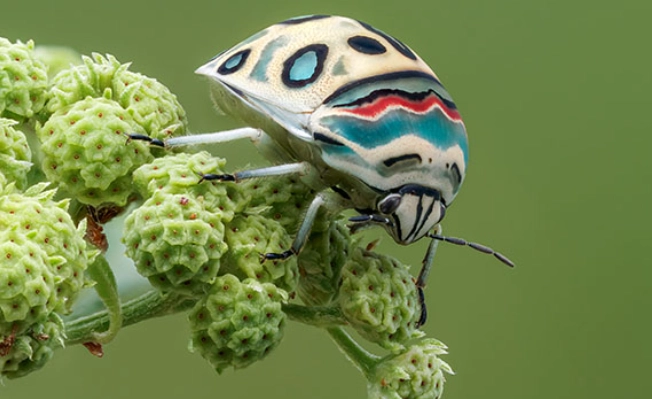
Are they considered garden pests?
This is a more practical concern. In their native African habitats, they can occasionally reach numbers where they cause minor damage to certain crops or ornamental plants by their feeding, but they are rarely a major agricultural pest. Outside their native range, they aren't established as invasive pests. So for most people reading this, they're just a fascinating occasional visitor, not a threat to your tomatoes.
How can I tell a Picasso bug apart from a truly dangerous insect?
Good question. The Picasso bug's pattern is very distinctive: symmetrical, painterly spots and rings on a light background. They are also quite broad and shield-shaped. Compare that to, say, a brightly colored blister beetle (which can secrete a skin-blistering toxin) or certain toxic moths, which have different body shapes and patterns. The best rule in the wild is always: Admire, don't handle. You don't need to know every species. If it's brightly colored and you're unsure, give it space. That's safe for you and the insect.
The pattern is a masterpiece, but the threat is a forgery.
Let's Compare: Picasso Bug vs. Actually Dangerous Look-Alikes
To really drive the point home and provide clear, actionable info, here's a quick comparison. It shows how the Picasso bug's defense is all about the visual bluff.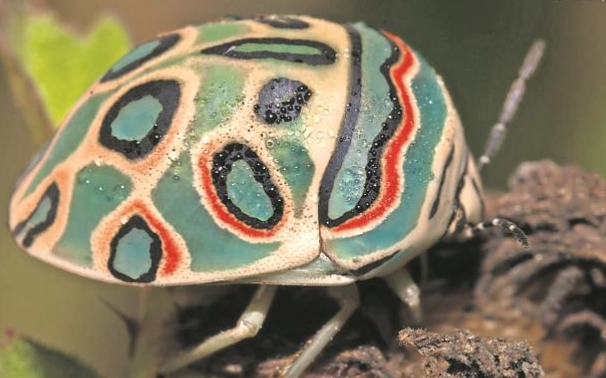
| Insect | Color Pattern | Real Defense / Danger | Threat to Humans |
|---|---|---|---|
| Picasso Bug (Sphaerocoris annulus) | Symmetrical red/black rings & spots on yellow/green. | Foul-smelling odor secretion (irritant). Visual mimicry (bluff). | None. Harmless. Odor is unpleasant but not harmful. |
| Blister Beetle (e.g., Lytta spp.) | Often metallic, solid colors (blue, green) or stripes. | Secretes cantharidin, a potent chemical that causes severe skin blistering. | High. Cantharidin is a serious toxin. Do not handle. |
| Assassin Bug (e.g., Kissing Bug) | Often dull brown/black, some with bright spots. | Painful, venomous bite for subduing prey. Some species transmit Chagas disease. | Moderate to High. Bite is painful. Disease vector risk in specific regions. |
| Io Moth Caterpillar | Bright green with red and white stripes. | Bears venomous, urticating (stinging) spines. | Moderate. Spines cause immediate, painful rash and swelling. |
See the difference? The truly dangerous ones have active chemical or physical weapons. The Picasso bug's entry in the "Real Defense" column is pretty tame in comparison. It's all about the show.
Why Does This Misconception Persist?
It's simple: evolution designed the Picasso bug to look dangerous. That strategy works on birds, lizards, and monkeys. It's no surprise it works on us too! We are hardwired by the same natural rules. A brightly colored, patterned animal triggers our "caution" alert. The bug's strategy is so successful that the myth of its toxicity spreads easily online and through word of mouth. It's a classic case of "guilty by appearance."
Also, people confuse "stinky" or "bad-tasting to a bird" with "poisonous to a human." They are very different things. The bug's odor defense is effective against a small predator that might put the whole bug in its mouth. For a human, it's just a bad smell.
I'll admit, the first time I read about them being harmless, I was skeptical. Everything in my brain said "those colors mean trouble." It took seeing one up close, watching it amble slowly along a leaf without a care in the world, to really believe it. They move with the confidence of a well-protected insect, which is hilarious because they're mostly just faking it. Nature is full of these brilliant deceptions.
What Should You Do If You Find One?
If you're lucky enough to encounter a Picasso bug, either in its native habitat or in a controlled setting like a butterfly house, here's the sensible approach:
- Admire it from a respectful distance. Use your eyes, maybe your camera. Its beauty is best appreciated without interference.
- Do not try to pick it up or handle it. Not because it's dangerous, but because you could stress or injure a delicate creature. Also, you might trigger its stink bomb, which ruins the moment for everyone.
- If it's in a place where it might get hurt (like a busy pathway), you can gently encourage it onto a leaf or piece of paper and relocate it to a safer, nearby plant. Be slow and calm.
- No need for gloves, sprays, or fear. Just treat it like you would any other interesting, non-threatening wildlife.
Digging Deeper: Reliable Sources & Entomology
If you want to go beyond this article and read from authoritative sources (which you always should!), here are a few excellent places to start. These are the kinds of sources that give an article like this its backbone.
For definitive taxonomic classification and scientific data, the Global Biodiversity Information Facility (GBIF) is an international network providing open-access data. Searching for Sphaerocoris annulus there shows you its recorded distribution map, which is solid evidence of its African range.
To understand the broader family (Plataspidae) and its characteristics, university entomology departments are gold. The University of Florida's Entomology and Nematology Department has vast, peer-reviewed resources on insect biology, though they focus more on Florida insects. The principles of true bug (Hemiptera) morphology and defense glands are well-explained in such academic resources.
For a more general audience but still with scientific rigor, institutions like the Smithsonian Institution often feature articles and databases on global insect diversity. Their work helps contextualize where a bug like this fits into the planet's ecology.
Finally, the concept of aposematic coloration and Batesian mimicry is a cornerstone of evolutionary biology. Reputable educational resources like those from Nature Education's Scitable or major university biology departments provide deep dives into why so many creatures, including our friend the Picasso bug, wear such flashy outfits.
Wrapping It Up: The Final Verdict
So, let's answer it one last time, clearly and conclusively. Is the Picasso bug poisonous? No. Is it venomous? No. Could it make you sick? No. Its incredible, artistic coloration is a remarkable example of evolutionary bluffing. It's a harmless sap-sucker dressed in the uniform of danger to avoid being eaten.
The next time you see a picture or, if you're very fortunate, the real thing, you can appreciate it for what it is: one of nature's most beautiful and clever little frauds. You can put your mind at ease, share the correct information with others, and just enjoy the sight of a living piece of art going about its day. No fear necessary. Just wonder.
And if someone asks you, "Hey, is that Picasso bug poisonous?" you can tell them the whole story.

Comments
Leave a Comment