Quick Navigation
- What Exactly Are You Looking For? Understanding the Picasso Bug
- The Primary Locations: Where to Find the Picasso Bug
- A Structured Approach: Your Action Plan Table
- Beyond the Basics: Niche Scenarios and Advanced Hunting
- Frequently Asked Questions (The Stuff You're Actually Searching For)
- Final Thoughts and Staying Bug-Resistant
Let's be honest, nothing kills your workflow faster than a stubborn, cryptic software bug. You're in the zone, things are flowing, and then bam – something breaks. The screen glitches, a feature stops working, or you get an error message that might as well be written in ancient hieroglyphics. If you've landed here, you're probably facing one of those headaches, specifically something people are calling the "Picasso bug." The name itself is a clue – it suggests a visual mess, something distorted, like a painting gone wrong. But where do you even start looking for it? That's the million-dollar question: Picasso bug where to find.
I've been there. Spent half a day once chasing a graphical glitch in a design tool that made all the icons look like they'd melted. Turns out, it was a conflict with a new font manager I'd installed. The fix was simple, but finding the cause? That was the real puzzle. So, I'm writing this guide to save you that same frustration. We're going to break down exactly what this Picasso bug likely is, the most common places it hides, and how to systematically track it down and squash it. This isn't just a list of generic tips; it's a roadmap based on where these visual or functional gremlins actually live.
What Exactly Are You Looking For? Understanding the Picasso Bug
Before you can find something, you need to know what it looks like. The term "Picasso bug" broadly covers visual anomalies in software. Think of it as the digital equivalent of a Picasso painting – where elements are in the wrong place, the wrong size, overlapping strangely, or just not rendering correctly. This can happen in video games (character models stretching into infinity, terrain textures failing to load), creative software (tools in Photoshop or Blender displaying as blank boxes or garbled icons), web applications (CSS completely breaking, turning a sleek site into a jumbled mess), or even operating system interfaces.
The core of the problem when you need to find the Picasso bug is often a breakdown in communication. The software is trying to draw something on your screen, but the instructions are wrong, the resources are missing, or the hardware is interpreting them incorrectly. It's a disconnect between intent and display.
So, your search isn't for a file named "picasso_bug.exe." You're searching for the condition that causes this visual chaos.
The Primary Locations: Where to Find the Picasso Bug
This is the core of your search. Bugs don't appear out of thin air; they reside in specific parts of the software ecosystem. Here are the top places you should investigate, ranked from the most likely to the more obscure. Think of this as your search checklist.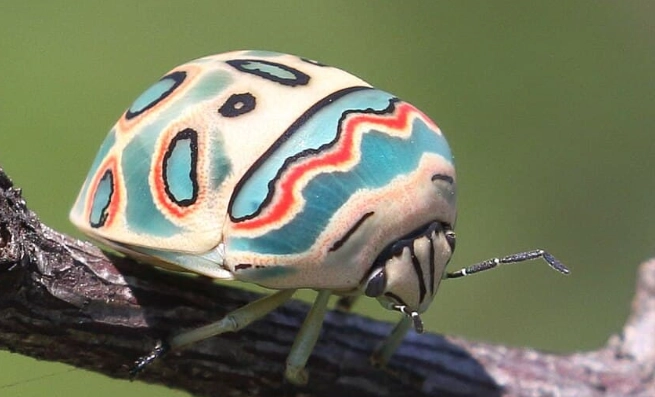
Your Graphics Driver: Suspect Number One
In probably 7 out of 10 cases where users are frantically trying to locate the Picasso bug, the culprit is an outdated, corrupted, or incompatible graphics driver. This software is the essential translator between your application (the game, the design suite) and your GPU (the graphics card). If the translator is using the wrong dictionary, the output is gibberish.
How to check? Head straight to your GPU manufacturer's website – that's NVIDIA's driver download page, AMD's support page, or Intel's graphics driver site. Don't use Windows Update or some third-party driver tool for this; go to the source. Download the latest stable (not beta) driver for your exact graphics card model and perform a clean installation. This process often has an option to wipe the old driver settings completely, which can clear up corrupted data causing the visual havoc.
I made the mistake once of just updating over an old driver, and the weird texture flickering in a game persisted. Only a clean install fixed it. Lesson learned.
The Application's Own Files and Cache
The software itself might be wounded. Game files can get corrupted during downloads or updates. Creative suites like Adobe's can have their preferences and cache files go bad, leading to all sorts of interface strangeness. This is a very common place to find the Picasso bug.
Most modern platforms have built-in repair tools:
- Steam/Epic Games Store: Right-click the game in your library > Properties > Installed Files > "Verify Integrity of Game Files." This is my first stop for any game glitch.
- Adobe Creative Cloud: Open the CC Desktop app, go to the "Apps" section, find the app with the issue, click the "..." menu, and choose "Manage" > "Repair." It's boring, but it solves so many weird UI issues.
- Standalone Software: Look for a "Repair" option in the program's entry in Windows "Apps & features" settings, or re-run the installer and see if it offers a repair mode.
Also, don't forget the cache. Clearing the application's cache is like giving it a short-term memory wipe. Instructions vary, but a quick web search for "clear cache [Software Name]" will get you there. For web-based Picasso bugs, that means hard-refreshing (Ctrl+F5) and clearing your browser cache.
Software Conflicts and Background Processes
This is the tricky one. Your software might be perfectly healthy, but it's being interfered with. Overlay software is a classic villain. Discord overlay, NVIDIA GeForce Experience overlay, Xbox Game Bar, recording software like OBS or FRAPS, even RGB lighting control apps (Razer Synapse, iCUE) have been known to clash with rendering.
The diagnostic method here is a clean boot. You temporarily disable all non-essential startup programs and services. Microsoft has an official guide for performing a clean boot. It sounds technical, but it's just a systematic way of finding conflicts. If the Picasso bug disappears in a clean boot environment, you know a background program is to blame. Then, it's a process of re-enabling them one by one until the bug returns, pinpointing the culprit.
Overclocking utilities can also cause instability that manifests as graphical bugs. If you've overclocked your GPU or CPU (even with manufacturer software like MSI Afterburner), try resetting everything to default stock speeds. An unstable overclock is a prime candidate for creating visual artifacts.
Hardware Issues: The Scary Possibility
We all hope it's not this, but sometimes the quest for where to find the Picasso bug leads directly to your hardware. If your graphics card is failing, overheating, or not seated properly in its slot, it can produce graphical corruption.
Signs that point to hardware:
- The bug appears in multiple, unrelated applications and games.
- You see artifacts (small colored dots, lines, blocks) on the screen even outside of applications, like on the desktop or in the BIOS screen.
- Your system crashes or freezes alongside the graphical glitches.
- You hear unusual coil whine or fan noise from your GPU.
Tools like GPU-Z can help monitor your GPU temperatures. If it's running consistently above 85-90°C under load, overheating could be the issue. Ensure your PC case has good airflow and the GPU fans are clean and spinning. As a last resort, if you have integrated graphics or a spare GPU, try swapping it in to see if the problem disappears. This definitively answers the hardware question.
A Structured Approach: Your Action Plan Table
Feeling overwhelmed? Let's condense this into a clear, step-by-step plan. Follow this table in order. Don't jump to step 5 if you haven't tried step 1.
| Step | Action | What You're Checking | Difficulty |
|---|---|---|---|
| 1. The Quick Fix | Restart your computer and the affected application. | Temporary glitches, memory leaks. | Very Easy |
| 2. The Prime Suspect | Update your graphics driver with a clean install. | Outdated/corrupted GPU driver. | Easy |
| 3. App Health Check | Verify/Repair game files or repair the application (via Steam, CC, etc.). | Corrupted application data. | Easy |
| 4. Environment Scan | Disable all overlays (Discord, Xbox Bar, NVIDIA) and close non-essential background apps. | Software conflicts. | Medium |
| 5. Deep Clean | Perform a clean boot (follow the Microsoft guide). | Persistent background service conflicts. | Medium/Hard |
| 6. Stability Test | Remove any GPU/CPU overclocks, run monitoring software to check temperatures. | Hardware instability or overheating. | Medium |
| 7. The Final Test | Test with different hardware if possible (monitor cable, GPU). | Failing hardware component. | Hard |
Stick to this order. It's designed to solve the most common problems with the least effort first.
Beyond the Basics: Niche Scenarios and Advanced Hunting
Maybe you've run the gauntlet above and your Picasso bug is still laughing at you. It happens. Let's dig into some more specific scenarios. Knowing where to find Picasso bug roots sometimes means looking in less obvious places.
Shader Cache Issues: Modern games and apps use shader caches to pre-compile graphical effects for smoother performance. If this cache gets corrupted, you get... distorted, Picasso-like visuals. Both NVIDIA and AMD have settings in their control panels to manage shader cache size or to delete it entirely (forcing a rebuild). It's worth a shot. In the NVIDIA Control Panel, it's under "Manage 3D Settings" > "Shader Cache Size." Wiping it might cause stuttering for a few minutes as it rebuilds, but it can clear up persistent graphical bugs.
Operating System Weirdness: A major Windows update can sometimes introduce compatibility hiccups. Checking for the latest OS updates is good, but also look at known issues for your specific Windows version. The Microsoft Answers community forum can be a goldmine. Search for your specific software and "graphical glitch" or "visual bug." You might find a thread where someone has already pinpointed a conflict with a specific Windows build.
API Specifics (DirectX vs. Vulkan): Some games let you choose between DirectX 11, 12, or Vulkan rendering APIs. Switching from one to another can completely eliminate a graphical bug. If your game has this option in its settings or launcher, try the alternatives. A bug might exist in one API's implementation but not the other.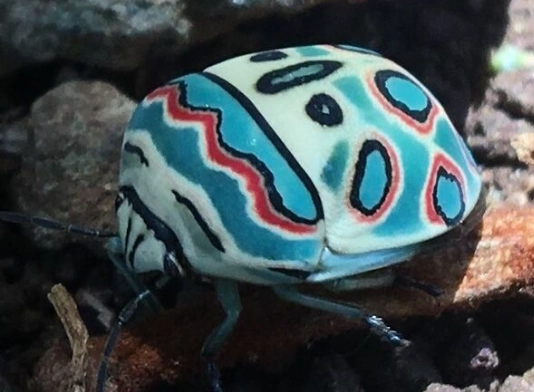
Frequently Asked Questions (The Stuff You're Actually Searching For)
Let's cut to the chase and answer the specific questions people have when they type variations of "Picasso bug where to find" into Google.
Almost certainly not. The term describes a visual symptom, not malicious code. It's far more likely to be a driver issue or software conflict. However, if you're downloading "fixes" from shady websites, you might introduce malware. Always get drivers and tools from official sources.
The visual bug itself cannot physically damage your hardware. However, if the root cause is an overheating GPU, then yes, prolonged overheating can shorten the lifespan of your components. If the bug is caused by a failing GPU, the hardware is already damaged. The bug is just a symptom.
This is crucial for community health! First, search the game's official forums or subreddit to see if it's a known issue. If not, report it through the developer's official channels. For games on platforms like Steam, the community hub's "Discussions" section often has a bug report thread. Be specific: include your system specs, driver versions, a clear description, and if possible, a screenshot or video. This helps everyone. Trying to find Picasso bug solutions is easier when others have reported the same thing.
It's user-generated slang, not an official term. It caught on because Pablo Picasso's later abstract work often featured distorted, fragmented, and rearranged faces and forms. When a 3D model stretches wildly across the screen or UI elements scatter randomly, the chaotic, abstract resemblance is clear. The name is a humorous, frustrated description of the visual chaos.
Take a breath. It happens. Your final, nuclear options are:
1. Perform a System Restore to a point in time before the bug started appearing.
2. Reset or clean-install Windows (back up your data first!). This is the ultimate software environment wipe.
3. Seek professional hardware diagnostics if you strongly suspect a GPU or other component failure.
Honestly, a clean Windows install is a pain, but it's a guaranteed way to rule out every single software conflict on your machine. It's my last resort before declaring a hardware funeral.
Final Thoughts and Staying Bug-Resistant
The journey to find the Picasso bug location is fundamentally about systematic troubleshooting. You isolate variables. You change one thing at a time. You start with the simplest, most probable causes and work your way down. The frustration comes from not knowing where to look, but hopefully, now you have a map.
To make your system more resilient, cultivate a few good habits: keep your graphics drivers reasonably updated (you don't need every single release, but don't fall years behind), use the repair/verify tools after big game updates, and be mindful of what you install that runs in the background. Those overlays and utilities are convenient until they're not.
Remember, the bug is in the details. And now you know where those details are hiding.
Good luck with the hunt. When you finally fix it, that moment of smooth, correct rendering is going to feel fantastic.





Comments
Leave a Comment