What's Inside
Let’s be real. If you’re looking at a picture of a droopy-eared, soulful-eyed Basset Hound mix puppy, one of the very first questions that pops into your head is, “Just how big is this little guy going to get?” It’s a total deal-breaker for a lot of folks. Maybe you’re in an apartment, or you’ve got kids, or you just don’t want a dog that thinks it’s a lap dog when it’s clearly the size of a small coffee table.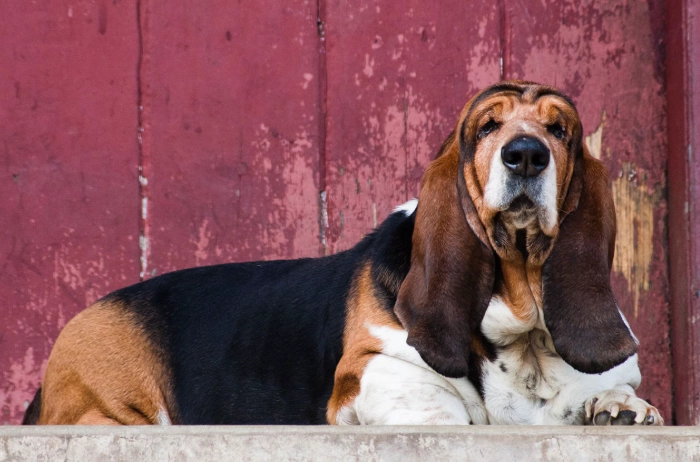
I get it. I’ve been there, scrolling through adoption profiles, completely smitten but utterly clueless. The frustrating part is, with mixed breeds, there’s no breed standard to look up. You’re playing a genetic guessing game. But here’s the good news: while you can’t get a perfect prediction, you can make a really, really educated guess. That’s what we’re going to do today. We’re going to break down exactly what influences the size of a Basset Hound mix and give you realistic expectations for some of the most popular crosses.
The Short Answer (Before We Dive In): Most Basset Hound mixes end up being medium-sized dogs. Think anywhere from 30 to 60 pounds (13 to 27 kg) and standing about 12 to 16 inches (30 to 40 cm) tall at the shoulder. But—and it’s a big but—this range can swing dramatically depending on the other breed in the mix. A Basset mixed with a Dachshund is a whole different ball game than a Basset mixed with a Labrador.
Why It’s So Hard to Pin Down One Answer
You can’t just average the parents’ weights and call it a day. Genetics is messy. A puppy might take after its Basset parent in body length but inherit the leg length of the other parent. Or it might get the heavy bone structure of the Basset but a leaner frame overall. It’s this unpredictable combo that makes them so unique (and sometimes so hilariously proportioned).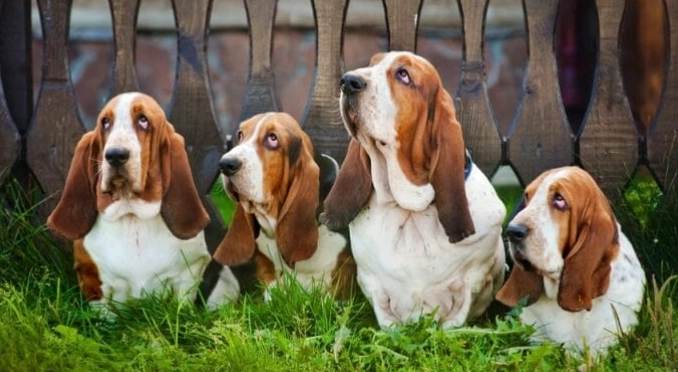
The core factors that answer “how big do Basset Hound mixes get” boil down to a few key things:
- The Other Parent Breed: This is the biggest variable. Is it a small, medium, or large breed? This sets the potential range.
- Which Traits Dominate: Did the pup get the Basset’s signature long, heavy body and short legs (achondroplasia), or did it end up with longer legs?
- Gender: As with most dogs, males are often slightly larger and heavier than females.
- Diet and Exercise: This is on you. A properly fed and exercised dog will be a healthy weight, not an overweight one, which is a huge problem for low-slung breeds like Bassets.
Size Profiles of Popular Basset Hound Mixes
This is where it gets practical. Let’s look at some specific mixes. I’ve seen a fair few of these over the years, and the size variation never ceases to amaze me.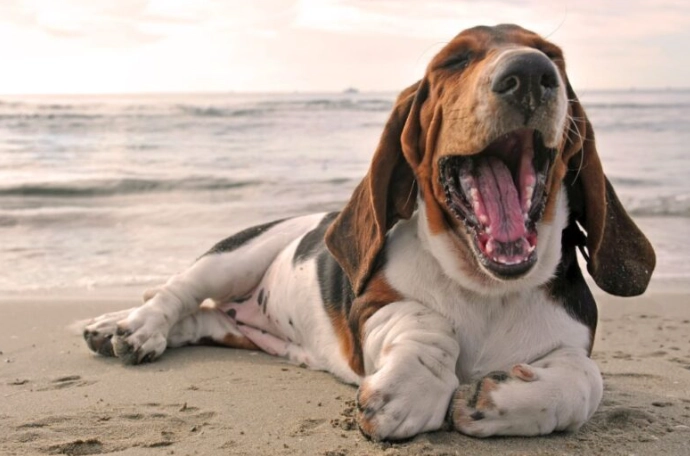
The Basset Hound & Labrador Retriever Mix (AKA “Bassador”)
This is a classic. You’re blending a sturdy, low-to-the-ground hound with an athletic, medium-large retriever. The result? Usually a solid, stocky dog that’s longer than it is tall, but often with a bit more leg than a pure Basset. They tend to have that wonderful, blocky Lab head too. I knew a Bassador named Gus who was built like a tank on slightly taller stilts—incredibly strong.
- Typical Weight Range: 50-70 lbs (23-32 kg). They can creep toward the higher end if they really take after the Lab side.
- Typical Height Range: 14-18 inches (36-46 cm) at the shoulder.
- What to Expect: A powerful, substantial dog. They are not delicate. You’ll want a good vacuum for the combined shedding.
The Basset Hound & Beagle Mix (AKA “Bagel”)
Two scent hounds together! This mix often looks like a longer, heavier-set Beagle or a more refined, leggier Basset. They are absolute noses on legs. A friend adopted one, and let me tell you, if they catch a scent, their ears might be listening to you, but their brain is 100% elsewhere.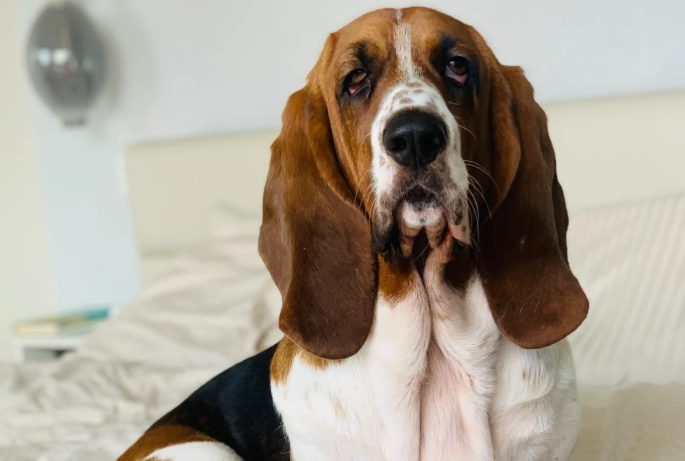
- Typical Weight Range: 30-50 lbs (14-23 kg).
- Typical Height Range: 12-15 inches (30-38 cm).
- What to Expect: A compact, muscular hound. Their size is very manageable, but their stubborn hound independence is doubled.
The Basset Hound & Dachshund Mix
This one is all about the long and low profile. Sometimes called a “Dachset” or “Basschshund,” this mix is a lesson in elongation. You think a pure Basset is long? Wait till you see this combo. Their chest clearance can be remarkably low. Not the best choice for homes with lots of stairs, in my opinion.
- Typical Weight Range: 25-40 lbs (11-18 kg).
- Typical Height Range: 8-12 inches (20-30 cm) at the shoulder. They are low.
- What to Expect: A long, low-slung dog with a big personality. Back issues (IVDD) are a serious concern to be aware of, given both parent breeds are prone.
Quick Comparison Table: How Big Do These Basset Hound Mixes Get?
Here’s a snapshot to help you visualize the differences at a glance.
| Mix Name | Other Parent Breed Size | Estimated Weight Range | Estimated Height Range | General Build |
|---|---|---|---|---|
| Bassador | Large (Lab) | 50-70 lbs (23-32 kg) | 14-18 in (36-46 cm) | Stocky, substantial, longer body |
| Bagel | Small/Medium (Beagle) | 30-50 lbs (14-23 kg) | 12-15 in (30-38 cm) | Compact, muscular, classic hound |
| Basset-Dachshund | Small (Dachshund) | 25-40 lbs (11-18 kg) | 8-12 in (20-30 cm) | Very elongated, very low to ground |
| Basset-Poodle (Bas-Poo) | Varies (Toy/Mini/Std Poodle) | 20-50 lbs (9-23 kg)* | 10-16 in (25-40 cm)* | Varies widely; often curlier coat |
| Basset-German Shepherd | Large (GSD) | 55-75 lbs (25-34 kg) | 15-20 in (38-51 cm) | Largest mix; often shepherd-like legs on a Basset body |
*Size for a Basset-Poodle mix is wildly dependent on the Poodle parent's size (Toy, Miniature, or Standard). Always ask!
Beyond the Scale: What Their Size Really Means for You
Knowing the numbers is one thing. Understanding what those numbers mean for daily life is another. When you’re figuring out how big do Basset Hound mixes get, you’re really asking about livability.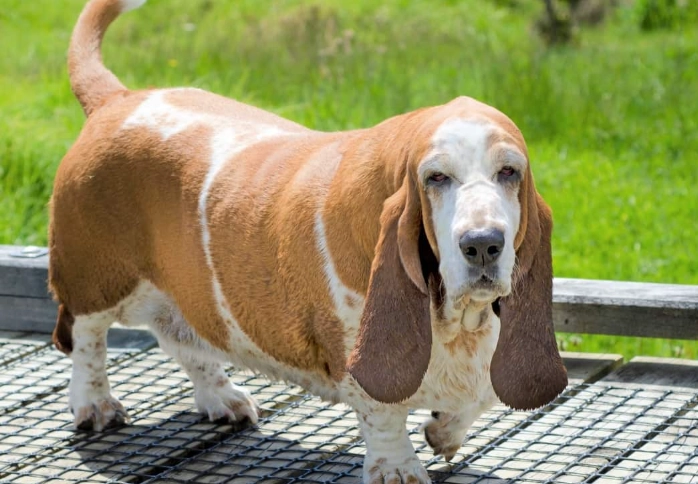
The Space Question: Apartment vs. House?
Here’s a surprise: many Basset mixes can do quite well in apartments. They are generally moderate-energy dogs (with notable exceptions) and are famous for being couch potatoes. Their size is more about floor space than height. The real issue isn’t always square footage—it’s stairs. Those long backs and short legs make going up and down flights multiple times a day a genuine joint stressor. A house with all the main living areas on one floor is ideal, or at least a commitment to carrying them if you live in a walk-up.
Exercise Needs: Not as Much as You’d Think
Don’t let the hound label fool you. While they need daily walks for mental stimulation and to prevent obesity, they are not endurance athletes. A good 30-45 minute walk, preferably somewhere they can sniff to their heart’s content, is often enough. A fenced yard is fantastic, but it’s not a substitute for a leash walk where they can explore new scents. Their nose is their gym.
Health Considerations Tied to Size and Build
This is the most critical part of the size discussion. The unique build of Basset Hound mixes comes with specific health considerations that every owner must be proactive about.
- Weight Management: This is non-negotiable. Extra weight puts immense strain on their long spine, their joints, and their already-compacted internal organs. Keeping them lean is the single best thing you can do for their health and mobility. The American Kennel Club has excellent resources on canine weight management that are worth bookmarking.
- Joint and Bone Issues: Their structure predisposes them to conditions like hip dysplasia and elbow dysplasia. The Orthopedic Foundation for Animals (OFA) maintains databases on these conditions. Responsible breeders screen parent dogs, and you can look up a dog’s OFA ratings. It’s a key part of responsible breeding. You can learn more about hip dysplasia screening on the OFA website.
- Intervertebral Disc Disease (IVDD): Especially for the very long-and-low mixes, this is a major risk. Avoiding activities that involve jumping on/off furniture or twisting is crucial. Ramps are your best friend.
Your Burning Questions Answered (FAQ)
I’ve gotten a ton of questions from readers over time. Here are the ones that come up again and again when people are trying to figure out how big do Basset Hound mixes get.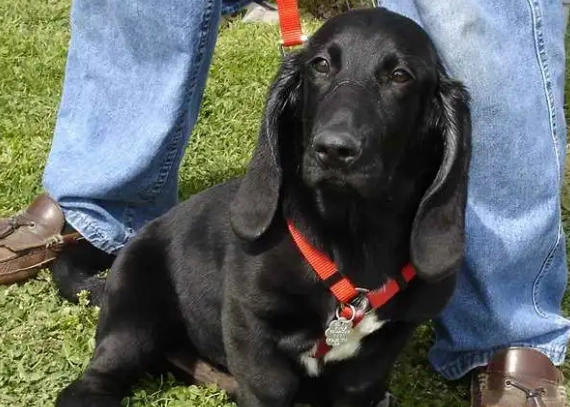
Final Thoughts: Embracing the Beautiful Unknown
At the end of the day, asking how big do Basset Hound mixes get is a smart, practical question. It shows you’re thinking responsibly. But after living with and around these dogs, I’ll say this: the number on the tape measure or the scale becomes way less important once you get to know your dog.
You stop seeing “a 45-pound dog” and start seeing your goofy companion who takes up the entire couch sideways, who sounds like a herd of elephants when they trot on hardwood, and whose soulful eyes can convince you to share just one more treat. Their size is part of their charm—the solid heft of them, the long back that’s perfect for patting, the sturdy paws.
Do your homework. Get the best estimate you can. Prepare your home for a medium-sized, low-scenthound. And then get ready for a dog whose personality will be infinitely bigger than whatever their measurements turn out to be.
Just maybe buy a couch that’s a little bigger than you think you need.



Comments
Leave a Comment