In This Article
So, you love those long ears, soulful eyes, and low-slung charm of the Basset Hound, but your nose starts itching just thinking about it? You're not alone. I've talked to dozens of people in online forums and at the dog park who are in the same boat. They desperately want a dog, they're drawn to the unique personality of a Basset or its mixes, but allergies—either their own or a family member's—throw a huge wrench in the plans. The search for "Basset mixed breeds hypoallergenic" options is a common one, and honestly, it's filled with a lot of confusing and sometimes downright misleading information.
Let's get one thing straight right from the start. The term "hypoallergenic" when applied to dogs is a bit of a marketing myth. No dog is 100% hypoallergenic. The American Kennel Club (AKC) is careful to note that while some breeds are better suited for allergy sufferers, there are no guarantees. What we're really talking about are dogs that are *less likely* to trigger allergic reactions because they shed less dander (dried skin flakes) and hair, which are the primary carriers of the allergenic protein Can f 1.
The Core Issue: The classic purebred Basset Hound is not considered a friend to allergy sufferers. They have a short, dense, double coat that sheds—a lot. And I mean a lot. They also produce dander. So, when we look at Basset Hound mixed breeds, the hope is that the other half of the genetic equation brings in a low-shedding, single-coated, or even hairless trait that might dilute the Basset's high-shedding ways. But genetics is a lottery, not a blueprint.
This guide is here to do what many others don't: give you a realistic, no-nonsense look at which Basset mixed breeds have a *potential* to be more hypoallergenic, what that actually means for your daily life, and how to navigate the process without setting yourself up for a sneezy disaster. We'll look at specific mixes, the science behind pet allergies, and practical steps you can take. Because bringing a dog home is a 10-15 year commitment, and doing it with allergies in the picture requires extra homework.
Why the "Hypoallergenic" Label for Any Dog is Tricky
Before we dive into specific Basset mixes, we need a quick crash course on what causes the problem. Most people think it's the hair. It's not. It's a protein found primarily in a dog's saliva, urine, and dander (skin flakes). When the dog licks itself, the saliva dries on the hair and skin, and the allergens become airborne with dander and hair during shedding. So, a dog that sheds less hair and produces less dander will generally spread fewer allergens around your home.
But here's the kicker—allergy triggers vary from person to person. Some people react more to one dog's specific dander protein than another's, even within the same breed. The Asthma and Allergy Foundation of America (AAFA) confirms there's no truly allergy-free dog. The goal is to find a dog that minimizes the *volume* of allergen spread.
I have a friend who is mildly allergic to most dogs but can happily snuggle with her Standard Poodle (a classic "hypoallergenic" breed) with zero issues. Yet, she visited another friend with a Labradoodle (Poodle mix) and had a reaction. The mix didn't inherit the Poodle's non-shedding coat. It's a total gamble.
So, when evaluating a Basset mixed breed hypoallergenic candidate, we're not looking for a magic bullet. We're looking for a dog whose mix gives it a statistically better chance of having a lower-shedding coat type. The other parent breed is everything.
Popular Basset Hound Mixes: A Hypoallergenic Potential Ranking
Let's break down the most common Basset mixes you'll see, from those with the highest potential to be more allergy-friendly to those that are likely just as challenging as a pure Basset. Remember, this is about *potential*. A first-generation mix (F1) can inherit any combination of traits.
| Mix Name (Basset + ) | Coat Type Likelihood | Shedding & Dander Potential | Allergy-Friendly Rating | Key Considerations |
|---|---|---|---|---|
| Poodle ("Bassoodle" or "Bassetdoodle") | Curly, wavy, or shaggy; often single-layer. | Low to Moderate. High chance of low-shedding if Poodle coat dominates. | Highest Potential | This is the #1 mix people seek for hypoallergenic traits. The Poodle's non-shedding, single coat is the gold standard. However, not all Bassetoodles get this coat. F1B mixes (backcrossed to a Poodle) have a better chance. |
| Bichon Frise | Soft, curly, or wavy; cotton-like. | Low. Bichons are low-shedders, but their hair grows continuously and mats easily. | High Potential | Another great candidate on paper. The Bichon's hypoallergenic reputation is solid. The mix may have a looser curl but should shed minimally. Requires dedicated, frequent grooming. |
| Schnauzer (Miniature or Standard) | Wiry, double coat. | Low to Moderate. Schnauzers shed very little but require hand-stripping or clipping. | Moderate-High Potential | The wiry coat traps dander and loose hair, which can be good. But it's a high-maintenance coat that needs professional care to manage properly and prevent skin issues. |
| Soft Coated Wheaten Terrier | Soft, silky, wavy single coat. | Low. Wheatens are single-coated and shed minimally. | Moderate-High Potential | A less common but promising mix. The Wheaten's single, soft coat is a major plus. The mix could have a lovely, manageable coat but will need regular brushing to avoid tangles. |
| Shih Tzu | Long, flowing, double coat. | Low. Shih Tzus shed very little but their hair grows long and requires daily brushing. | Moderate Potential | While low-shedding, the long hair is a magnet for dust, pollen, and dander if not kept clean. The mix might have a shorter coat, but grooming needs will still be significant. |
| Beagle ("Bagel") | Short, dense, double coat (like the Basset). | High. Both parents are prolific shedders. | Low Potential | This is a tough mix for allergies. You're essentially combining two heavy-shedding, scent-hound coats. A lovely dog, but not a choice for someone seeking a hypoallergenic Basset Hound mix. |
| Labrador Retriever | Short, dense, double coat. | Very High. Labs are shedding champions, especially seasonally. | Very Low Potential | Probably the worst combination for an allergy sufferer. The shedding will be immense, and dander production high. I'd strongly advise against this mix if allergies are a primary concern. |
Deep Dive: The Basset Hound Poodle Mix (Bassoodle) – The Hypoallergenic Holy Grail?
This is the mix that gets the most attention, and for good reason. The Poodle is the cornerstone of most "designer dog" hypoallergenic breeding. But let's be brutally honest: not all Bassetdoodles are created equal.
An F1 Bassetoodle (first cross, 50/50) has a roughly 50/50 chance of getting a more Poodle-like, low-shedding coat versus a Basset-like, shedding coat. Some get a unfortunate "furnished" wire-haired look that can still shed. If you are seriously committed to finding a Basset mixed breed hypoallergenic option, you should look for an F1B Bassetoodle. That's an F1 Bassetoodle crossed back to a pure Poodle (making the dog 75% Poodle, 25% Basset). This dramatically increases the odds of a non-shedding, curly coat.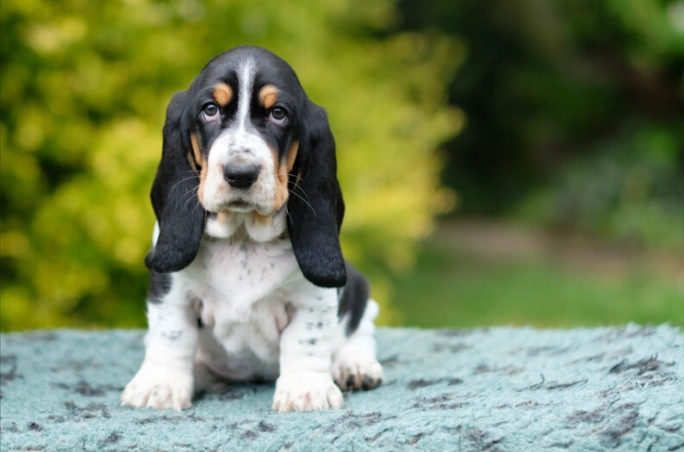
Grooming is Non-Negotiable: Even if you get the perfect low-shedding coat, you trade shedding for grooming. That curly hair mats incredibly easily. You're looking at brushing every other day and professional grooming every 6-8 weeks. If you neglect it, you get mats, skin infections, and a miserable dog. The grooming bill is a real cost to factor in.
And then there's the Basset body shape. Those skin folds, long ears, and low belly still need meticulous cleaning to prevent yeast and bacterial infections, which can produce odors and irritants of their own. So even the "best" hypoallergenic mix comes with a specific care package.
Beyond Coat Type: Other Factors That Affect Allergies with a Basset Mix
Focusing solely on shedding is a mistake. To truly manage allergies with a Basset Hound mixed breed, you need a multi-pronged strategy.
- Drool and Saliva: Bassets are known for drool. That saliva is packed with allergens. A mix might drool less, but it's a trait to watch for. Keeping a "drool towel" handy to wipe the mouth and jowls can prevent allergen spread.
- Size of the Dog: Simply put, a smaller dog has less surface area to produce dander and saliva. A Basset mixed with a small Poodle or Bichon will likely be more manageable than one mixed with a Standard Poodle.
- Individual Dog Chemistry: This is the wild card. You can do all the research, pick the "right" mix, and still react to that specific dog. That's why meeting the dog (or better yet, spending extended time with it) before committing is absolutely critical.
A Practical Action Plan: From Research to Bringing Your Dog Home
Okay, so you're interested in a potentially hypoallergenic Basset mix. What now? Here's a step-by-step, real-world plan.
Step 1: Honest Self-Assessment and Breeder Vetting
First, how severe are the allergies? Life-threatening asthma is a different conversation than occasional sneezing. Be honest. Then, if you're looking at a breeder (which you likely will be for specific mixes like Bassetdoodles), grill them. A good, ethical breeder focused on producing allergy-friendly mixes should be able to:
- Discuss the coat types of the parent dogs in detail.
- Show you pictures of previous litters and describe the coat variety.
- Have a solid "meet-and-greet" or trial period policy. Anyone who dismisses allergy concerns is a red flag.
- Be transparent about health testing on both parents (hip scores, eye tests, etc.).
Avoid puppy mills and pet stores at all costs. The genetics and early life environment will be a disaster for predictability.
Step 2: The "Allergy Test" Meeting
Don't just visit for 10 minutes. Ask if you can spend an hour or more in the home with the puppies (or adult dog). Roll around on the floor, let them lick your hands, bury your face in their fur (if the breeder allows and the pups are clean/healthy). Monitor your reaction. Some breeders might even let you take a blanket the puppy has slept on home to see if it triggers a reaction in your space.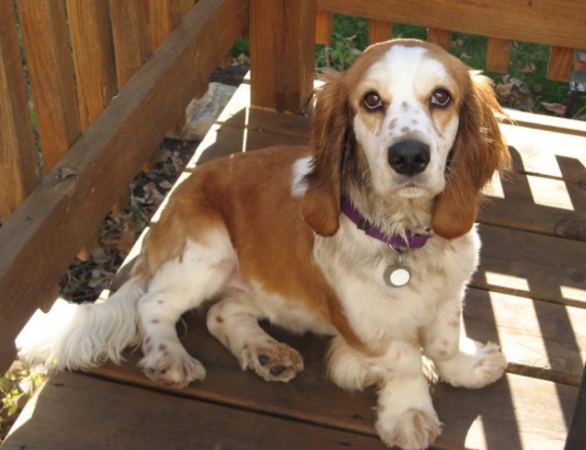
I know a family who did this with a Basset-Poodle mix. They spent two separate afternoons with the litter. The mom, who had the worst allergies, had zero reaction to one specific puppy but sneezed around its siblings. They brought that puppy home, and it's been a success story. It's not foolproof, but it's the best test we have.
Step 3: Preparing Your Home *Before* the Dog Arrives
This is where you can tilt the odds massively in your favor. Create an environment that minimizes allergen accumulation.
- Invest in a HEPA Air Purifier: Put one in the main living area and especially the bedroom. Run it constantly. This is arguably the most effective single tool.
- Choose Easy-to-Clean Surfaces: Hardwood, tile, or laminate floors are better than carpet. If you have carpet, plan on frequent steam cleaning.
- Establish Dog-Free Zones: The bedroom should be sacred. This gives your immune system a 8-hour break each night to recover.
- Get a Good Vacuum: One with a HEPA filter and designed for pet hair. Use it frequently.
- Buy Washable Dog Beds and Covers: Have multiple so you can wash one weekly on a hot cycle.
Step 4: Ongoing Management Routine
Once your Basset mixed breed hypoallergenic hopeful is home, consistency is key.
- Weekly Baths: This is huge. Bathing the dog weekly with a gentle, oatmeal-based dog shampoo can wash away up to 84% of surface allergens, according to some studies. It doesn't have to be a deep scrub—a quick rinse-down works.
- Regular Grooming: Brushing *outside* to remove loose hair and dander. For curly-coated mixes, prevent mats.
- Wipe Downs: Use pet-safe grooming wipes on the coat and paws after walks or playtime.
- Clean the Dog's Belongings: Wash beds, blankets, and soft toys weekly.
- Consider Your Own Health: Talk to an allergist. They may recommend over-the-counter antihistamines, nasal sprays, or even allergy shots (immunotherapy) which can desensitize you to specific allergens over time.
Common Questions (The Stuff You're Actually Searching For)
2. What were the coat types like in previous litters?
3. Do you have a trial period or return policy if allergies become unmanageable?
4. How do you socialize the puppies in the home? (Puppies raised in clean, home environments may have less dander than those in kennels).
5. Can I spend extended time with the puppy before deciding?
The Bottom Line: Realistic Expectations
Searching for a Basset mixed breed hypoallergenic companion is a journey that requires patience, research, and a willingness to accept some uncertainty. There is no perfect answer. The most promising path is to target mixes with proven low-shedding parent breeds (Poodle, Bichon), prioritize meeting the individual dog, and commit—*really commit*—to the environmental and grooming management routine.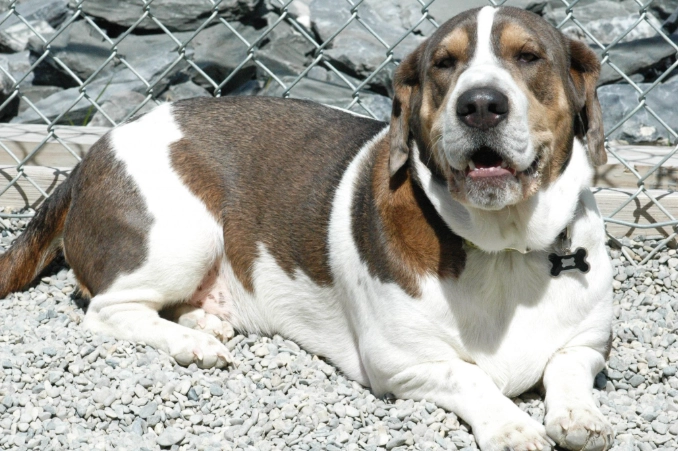
It's not just about finding the right dog; it's about becoming the right owner for that dog's needs. A low-shedding coat is a high-maintenance coat. Are you ready for the brushing, the grooming appointments, the baths? If you are, and you find that special Basset mix that doesn't make your eyes water, the reward is immeasurable. You get all that hound personality and charm without the constant cloud of allergens. Just go in with your eyes wide open, and be prepared to do the work.
Good luck! It's a challenge, but for the right person and the right dog, it can be an incredibly successful and loving partnership. Do your homework, trust your reactions (and your sinuses), and create a clean home plan. That's the best shot you have at making a hypoallergenic Basset Hound mix a happy reality in your life.





Comments
Leave a Comment