Explore the Article
- Breaking Down the Bosavi Rat Size: Nose to Tail
- How Does the Bosavi Rat Size Stack Up Against Other Giant Rodents?
- Why Did the Bosavi Rat Get So Big? The Island Gigantism Theory
- How Its Size Shapes Its Life and Behavior
- Common Questions About the Bosavi Rat Size (Answered)
- The Bigger Picture: Conservation and Why Size Matters
You've probably heard the stories. A "giant rat" discovered in a remote crater in Papua New Guinea. Headlines screamed about a rodent the size of a cat. Maybe you even saw a blurry photo that made you do a double-take. I know I did. The first time I read about it, my brain just couldn't process a rat being that large. I mean, we're talking about the creature that usually scurries away from your trash cans, right? This one sounded like it could stare down a small dog.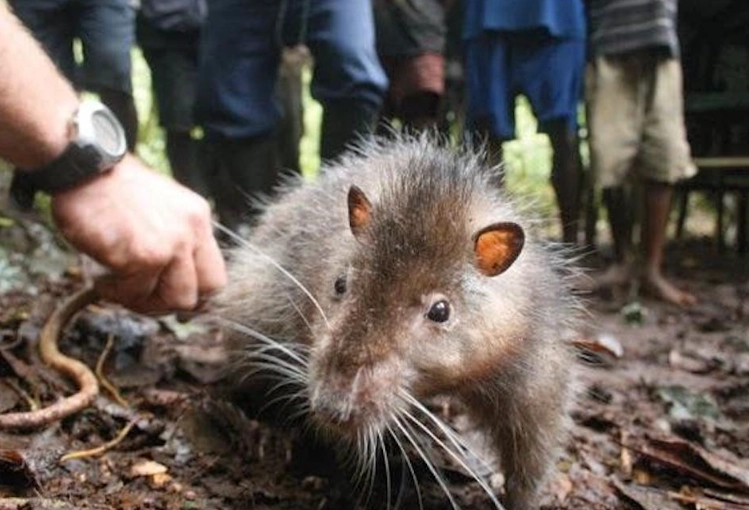
But what does "giant" actually mean? Is the Bosavi rat size just media hype, or is there real, jaw-dropping science behind it? That's the question I kept asking. The info out there is all over the place. Some sources say one thing, others say something completely different. It's frustrating if you're genuinely curious.
I dug through scientific papers, expedition reports, and interviews with the biologists who were actually there. I wanted to cut through the noise and get the real, measurable facts about the Bosavi rat's dimensions. No exaggeration, no myths. Just the numbers. And let me tell you, the reality is fascinating enough without needing any embellishment.
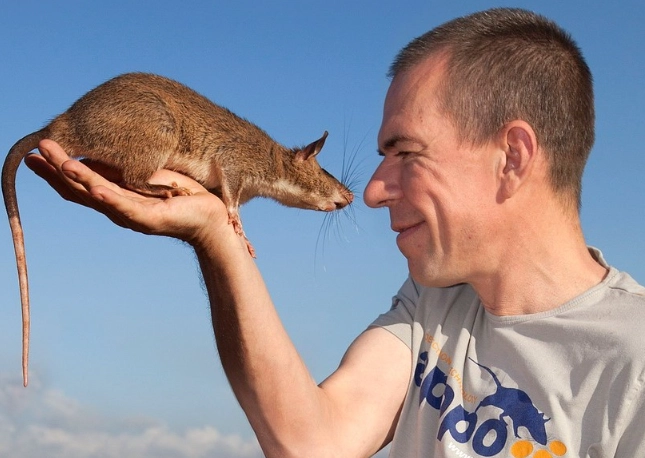
The Bottom Line Up Front: The Bosavi woolly rat (Mallomys sp.), discovered in 2009, is legitimately huge. An average adult measures about 32 inches (82 cm) from nose to tail tip and weighs around 3.3 lbs (1.5 kg). For perspective, that's roughly the length of a standard baseball bat and the weight of a small laptop. Its body alone (excluding the tail) is about the size of a large guinea pig or a small rabbit.
Breaking Down the Bosavi Rat Size: Nose to Tail
Let's get specific. When scientists talk about the size of an animal, they break it down into standard measurements. This helps for accurate comparison. For the Bosavi rat, the key figures come from the team from the Smithsonian Institution and the BBC's "Lost Land of the Volcano" expedition that first documented it.
The most cited specimen, which gave us the definitive Bosavi rat size data, was a large adult male. Here’s the breakdown:
- Head and Body Length: Approximately 12-14 inches (30-35 cm). This is the measurement from the tip of the nose to the base of the tail. Think of it as the "main body" size.
- Tail Length: Another 18-20 inches (45-50 cm). The tail is long, furry, and not scaly like a city rat's. It's almost as long as the body itself, which is a common trait in many tree-dwelling (arboreal) rodents for balance.
- Total Length: So, when you add it up, you get that impressive 32-inch (82 cm) figure. That's your total Bosavi rat size from snout to tail tip.
- Weight: This is where it gets really impressive. The recorded weights range from 2.2 lbs (1.0 kg) to a whopping 3.3 lbs (1.5 kg). Some local reports suggest they can get even heavier, but 1.5 kg is the solid, scientifically verified number.
Now, hold on. A weight of 1.5 kilograms might not sound monstrous until you hold it in your hands. I remember holding a 1.5 kg bag of sugar and just imagining a living, breathing rodent of that heft. It completely changes your perception. This isn't a slightly big mouse; it's a substantial animal.
Fun Fact (But Also a Bit Gross): The Bosavi rat's size means it produces correspondingly large... droppings. Researchers noted that their scat was about the size and shape of small olives. Just a little extra detail to help you visualize the scale of everything!
How Does the Bosavi Rat Size Stack Up Against Other Giant Rodents?
Okay, so it's big. But is it the biggest? The title of "world's largest rodent" is a competitive one. To really understand where the Bosavi rat stands, we need to put it side-by-side with its rivals. This isn't just about trivia; it shows the incredible diversity within the rodent family.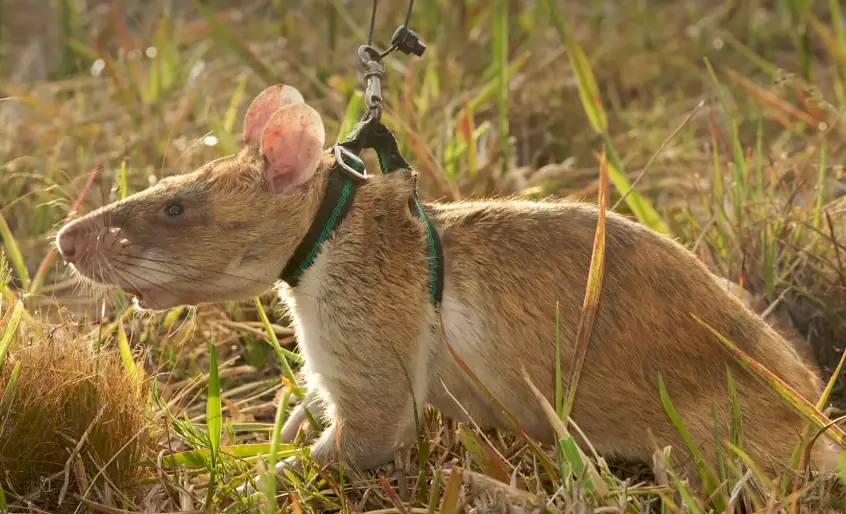
Here’s a comparison that puts the Bosavi rat size into a global context. You'll see it's a serious contender, but not the absolute champion.
| Rodent Species | Average Weight | Average Body Length (excl. tail) | Native Region | Key Size Note |
|---|---|---|---|---|
| Capybara | 77-146 lbs (35-66 kg) | 3.5-4.4 ft (107-134 cm) | South America | The undisputed heavyweight champion. More like a small pig than a rat. |
| North American Beaver | 24-71 lbs (11-32 kg) | 29-35 in (74-90 cm) | North America | Bulky and robust, built for swimming and logging. |
| Bosavi Woolly Rat | 2.2-3.3 lbs (1.0-1.5 kg) | 12-14 in (30-35 cm) | Papua New Guinea | The giant of the *true rat* (Muridae) family. A champion in its own category. |
| Common Porcupine (N. American) | 12-35 lbs (5.5-16 kg) | 25-36 in (64-90 cm) | North America | Size comes with a formidable defense system of quills. |
| Gambian Pouch Rat | 2-3 lbs (0.9-1.4 kg) | 14-18 in (35-45 cm) | Africa | Similar weight to Bosavi, but with famous cheek pouches. |
| Common Brown Rat (for contrast) | 0.3-0.7 lbs (150-300 g) | 7-10 in (18-25 cm) | Worldwide | This is our typical urban rat. The Bosavi rat is literally 5-10 times heavier. |
Looking at this table, the context becomes clear. The Bosavi rat isn't competing with the semi-aquatic tanks that are capybaras and beavers. That's a different league. Its real claim to fame is being arguably the largest member of the Muridae family—the family that includes all the typical rats and mice. In that specific group, its Bosavi rat size is exceptional.
It's like comparing a heavyweight boxer to a sumo wrestler. Different categories, both impressively large. The Gambian pouch rat comes closest in weight, which is a cool bit of convergent evolution—two giant rats evolving on opposite sides of the planet.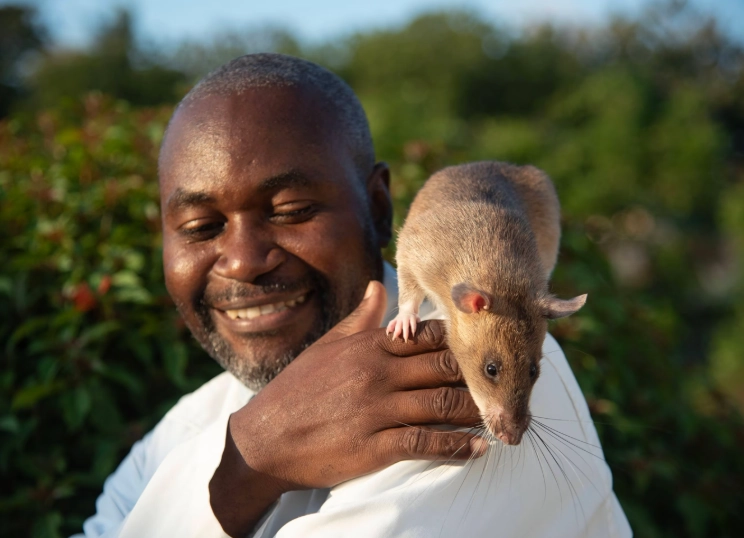
Why Did the Bosavi Rat Get So Big? The Island Gigantism Theory
This is the million-dollar question, isn't it? Why here? Why this rat? The answer lies in its isolated home. The Bosavi rat lives in the Mount Bosavi crater, a collapsed volcanic caldera. The walls of this crater are steep, creating a secluded ecosystem that scientists call a "lost world."
This isolation is key. In ecology, there's a concept called "island gigantism." Basically, when a species gets trapped on an island (or an island-like habitat such as this crater), with few or no predators and limited competition for food, individuals with genes for larger size tend to do better. Over thousands of years, the whole species can gradually become larger. There are no large mammalian predators like cats or dogs in the crater to pick off smaller rats. The main threats might be large birds of prey, but for a ground-dwelling rodent, the pressure to stay small is greatly reduced.
Furthermore, with no competition from other medium-sized herbivores, the Bosavi rat had an all-you-can-eat buffet of fruits, roots, and plants. More resources allow for bigger bodies. It's a classic evolutionary story playing out in real-time. The Bosavi rat size is a direct product of its peaceful, resource-rich, and predator-light paradise. It's a rat that never got the memo that rats are supposed to be small and skittish.
Think of it as evolution hitting the "grow" button because nothing was around to press "stop."
How Its Size Shapes Its Life and Behavior
You can't be that big and live like a normal rat. The Bosavi rat size dictates almost everything about its lifestyle.
- Diet: Its large body requires a lot of fuel. It's primarily herbivorous, munching on a wide variety of forest plants, roots, fallen fruits, and probably some fungi. It doesn't need to scavenge for scraps; it can tackle larger food items.
- Movement: It's described as slow-moving and docile. Why run when you're the biggest thing around? The scientists who encountered it said it showed little fear, a stark contrast to the hyper-vigilant behavior of small rodents. It probably spends its nights foraging leisurely on the forest floor.
- Reproduction: We don't know much about its breeding, but large animals generally have fewer offspring and invest more care in them. A litter of Bosavi rats is likely small, maybe just one or two pups that are relatively well-developed at birth.
- Burrowing: With its powerful claws and size, it's likely an expert digger, creating substantial burrows or using natural crevices in the volcanic landscape for shelter.
Honestly, its behavior sounds more like a miniature capybara—a calm, grazing herbivore—than a stereotypical rat. The size completely redefines its ecological role.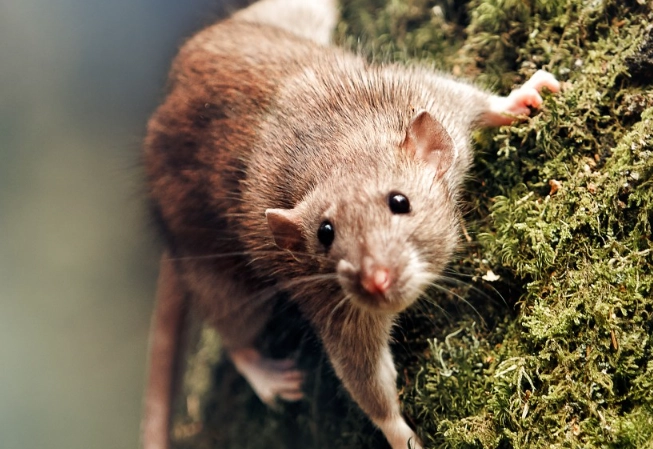
Common Questions About the Bosavi Rat Size (Answered)
The Bigger Picture: Conservation and Why Size Matters
Talking about the Bosavi rat size isn't just a fun fact. It has serious implications. This rat is a "keystone species" in its tiny, unique ecosystem. Its foraging habits likely help disperse seeds and aerate soil. Its size means it plays a specific role that no other animal in the crater can fill.
The problem? That same isolation that allowed it to grow giant also makes it incredibly vulnerable. Its entire world is maybe a few dozen square kilometers. Any disruption—logging, mining, climate change affecting the crater's forest, or even introduced diseases—could wipe it out completely. It's not currently listed on the IUCN Red List because data is so scarce, but by any common-sense measure, it's critically endangered.
Protecting the Bosavi rat means protecting the entire crater ecosystem. The government of Papua New Guinea and international conservation groups face a huge challenge in balancing development with preserving these irreplaceable pockets of biodiversity. The rat's impressive size makes it a powerful "flagship species"—a charismatic animal that can draw attention and funding to protect its whole home.
In the end, the Bosavi rat size is more than a measurement. It's a story of evolution in isolation, a symbol of nature's endless capacity for surprise, and a urgent reminder of the fragile wonders we stand to lose. It's not a monster; it's a marvel.
I hope this finally clears up all the questions about how big this incredible animal really is. Next time you see a headline about a "giant rat," you'll know exactly what to look for—the real numbers behind the myth. And maybe, just maybe, you'll share a bit of the awe I felt when I finally pieced the true story together.
Comments
Leave a Comment