Explore This Guide
Okay, let's tackle this question head-on because it's one of those things that sparks both curiosity and a bit of a shudder. You've probably seen pictures online of monstrous-looking rats crawling out of sewers or lurking in alleyways, and you've wondered, could that be real? What is the largest rat in the world, really? Is it some mutant creature from a horror movie?
Well, I'm here to tell you the answer is both simpler and more fascinating than the urban legends. It's not the common brown rat you might find in a city, though they can get pretty big. The true champion, the undisputed heavyweight of the rat world, is a creature you're unlikely to stumble upon in your backyard unless you live in specific parts of Africa.
The Straight Answer: The largest rat in the world is the Gambian pouched rat (Cricetomys gambianus). We're talking about a rodent that can grow to the size of a small cat, with a body length (excluding the tail) that can exceed 18 inches (45 cm) and a weight that can push past 6.5 pounds (3 kg). That's not a typo. Six and a half pounds of rat.
I remember the first time I saw a photo of one next to a common rat. The difference was staggering. It looked less like a pest and more like a small, furry mammal you'd see in a nature documentary. It completely changed my perspective.
Meet the Champion: The Gambian Pouched Rat
So, what makes this rat the largest? Let's break it down, because size isn't the only interesting thing about it. Calling it just a "rat" feels almost disrespectful to its unique biology.
First, the name "pouched rat" gives away a key feature. Like kangaroos or hamsters, they have cheek pouches. These aren't just for show; they use them to transport food. Imagine a rat with its cheeks stuffed like a chipmunk, but on a much larger scale. They can carry an impressive amount of seeds and nuts back to their burrows.
Their habitat is primarily in sub-Saharan Africa, from Senegal in the west to Kenya in the east, and down south to parts of South Africa. They prefer forests, woodlands, and even cultivated areas. Unlike their city-dwelling cousins, they are predominantly herbivores, munching on fruits, nuts, seeds, and vegetables. Insects and crabs are occasional treats, but plants are their main menu.
Their size is their most obvious feature. An average adult has a body (head and torso) measuring 12 to 18 inches. Then you add the tail, which is almost always longer than the body, adding another 14 to 20 inches. So from nose to tail tip, you're looking at an animal that can easily be over 3 feet long. That's longer than some housecats.
It's funny how context changes things. In the West, we hear "giant rat" and think of disease and filth. But learning about the Gambian pouched rat, you realize it's a vital part of its ecosystem, a forest dweller that helps disperse seeds. It's a reminder that our fear is often based on ignorance of the animal's actual life.
Beyond Size: What Does This Giant Rat Actually Do?
You might be thinking, "Great, it's a big rat. So what?" Well, its role in nature is pretty cool. As a seed disperser, it's crucial for the health of African forests. It collects seeds, stores them, and often forgets some, which then grow into new trees and plants. It's a gardener of sorts.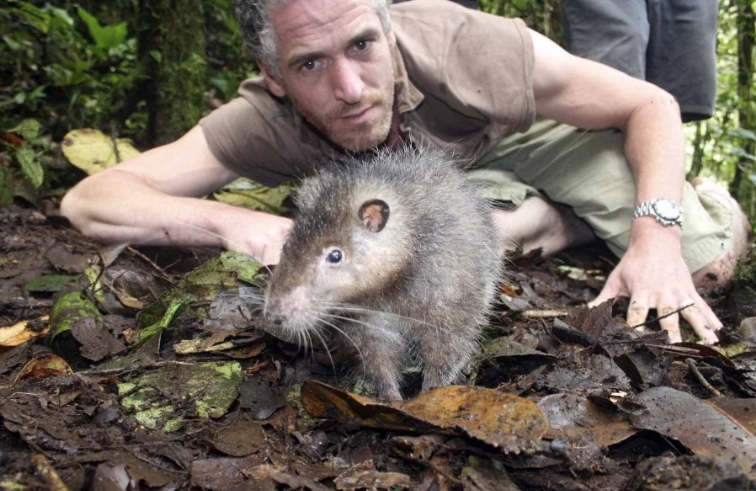
But here's where it gets even more impressive for us humans. Their incredible sense of smell and trainability has led to an amazing second career: landmine detection. Organizations like APOPO (a non-profit I genuinely admire) have trained these rats, nicknamed "HeroRATs," to sniff out the chemical compounds in explosives. They're too light to trigger the mines, they work fast, and they're saving lives in former war zones. Calling them just "the largest rat in the world" suddenly feels inadequate. They're heroes.
This is a perfect example of why asking "what is the largest rat in the world" opens a door to a much richer story than just dimensions.
How Does It Compare? A Size Showdown
To really appreciate the scale of the Gambian pouched rat, you need to see it side-by-side with other rodents we commonly call "rats." The difference is dramatic. Let's put it in a table because it makes the comparison crystal clear.
| Species (Common Name) | Average Body Length (Head & Body) | Average Tail Length | Average Weight | Key Habitat |
|---|---|---|---|---|
| Gambian Pouched Rat | 12-18 inches (30-45 cm) | 14-20 inches (35-50 cm) | 3-6.5 lbs (1.4-3 kg) | Sub-Saharan African Forests |
| Brown Rat (Norway Rat) | 7-10 inches (18-25 cm) | 6-9 inches (15-23 cm) | 0.7-1.1 lbs (300-500 g) | Worldwide, Urban & Rural |
| Black Rat (Roof Rat) | 6-8 inches (16-20 cm) | 7-10 inches (19-25 cm) | 0.3-0.6 lbs (150-275 g) | Worldwide, Often in Structures |
| Capybara (For Context) | 42-53 inches (107-134 cm) | Vestigial | 77-146 lbs (35-66 kg) | South American Wetlands |
See the jump? The Gambian pouched rat is in a completely different weight class. A big brown rat might hit a pound on a good day. The Gambian pouched rat starts at triple that. It's the difference between a Chihuahua and a Beagle.
The capybara, by the way, is included just to show the upper extreme. It's the world's largest rodent, period. But it's not a "rat" in the common or biological sense (it's a cavy). When people ask about the largest *rat*, they're usually thinking of animals that look like the classic rat shape, which excludes the capybara.
Let's be clear about that. Biggest rodent? Capybara. Biggest *rat*? Gambian pouched rat.
Debunking Myths: What the Largest Rat in the World is NOT
This is where the internet gets messy. A simple search for "largest rat" can lead you down a rabbit hole of exaggerated stories and misidentified animals. Let's clean that up.
Myth 1: The "Giant Sewer Rats" of New York or London
You've heard the stories: rats the size of dogs found in sewers. Photos often circulate of a huge, wet rodent. The truth is more mundane. These are almost always common brown rats (Rattus norvegicus). While a brown rat can grow to be quite large—maybe 1.5 pounds in exceptional cases—they are not remotely close to the size of the Gambian pouched rat. Perspective in photos (using forced perspective like in tourist photos with the Leaning Tower of Pisa), water fluffing up their fur, and plain old exaggeration create the myth. The New York City Department of Health provides factual information on the local rodents, which are standard-sized.
Myth 2: The "Sumatran" or "Amazonian" Giant Rat
Sometimes, stories emerge from tropical regions about giant rats. While there are large rodents in South America (like the capybara or the coypu/nutria) and Asia (like the giant cloud rat of the Philippines), they are not true rats of the genus *Rattus* or the closely related *Cricetomys*. The "giant rat" crown for true rats firmly stays in Africa with the Gambian pouched rat. Other large rodents are evolutionary cousins but aren't what scientists classify as the largest rat species.
The Nutria/Coypu Confusion
This is a big one. The nutria (Myocastor coypus) is a large, semi-aquatic rodent native to South America but invasive in places like the southern United States. It can weigh over 20 pounds. I've seen them, and they are massive. But is it a rat? No. It's from a different family (Echimyidae, the spiny rats family, though it's not spiny). It has webbed feet, orange teeth, and a rounded tail. It looks like a giant, chubby muskrat. While it's a giant rodent, it is definitively not the answer to "what is the largest rat in the world." Confusing it for a rat is a common mistake, but biologically, it's off the mark.
Clearing up these myths is crucial. It shifts the conversation from scary campfire stories to actual zoology.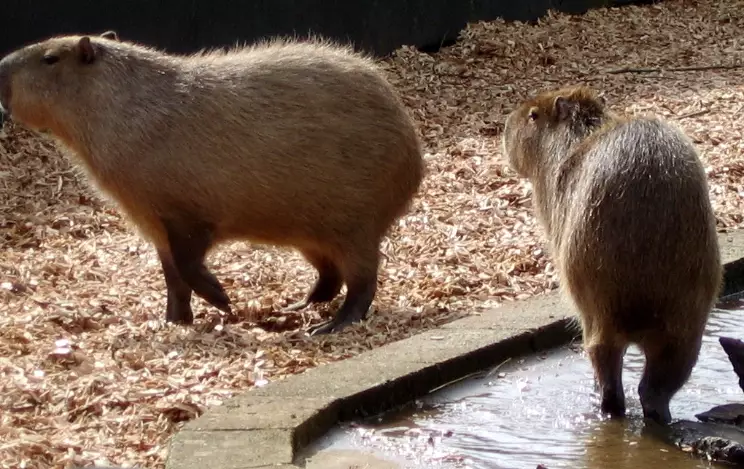
Life as a Giant: Behavior and Ecology
Living as the largest rat in the world comes with a specific lifestyle. They are nocturnal, spending their days in extensive burrow systems they dig themselves, or sometimes in hollow trees. They're generally solitary or live in small family groups, which is different from the large colonies of some other rat species.
Their intelligence is notable. Anyone who has read about the mine-detecting HeroRATs knows they are highly trainable. This intelligence, combined with their strong sense of smell, makes them successful foragers. In the wild, they are shy and avoid humans. Their main predators include large birds of prey, snakes, and carnivorous mammals.
Unfortunately, in some areas, they are hunted for bushmeat. Their size makes them a target. There's also the pet trade, which is a terrible idea for most people. They have specific dietary and space needs, can live over 5-7 years in captivity, and their import led to a famous ecological problem in the Florida Keys (more on that later).
The IUCN Red List currently classifies the Gambian pouched rat as "Least Concern," meaning its overall population is stable. However, habitat loss is a constant pressure.
A Cautionary Tale: The Florida Grumpy Bunny Incident
This story is a perfect example of why understanding "what is the largest rat in the world" isn't just trivia—it has real-world consequences. In the late 1990s, a breeding facility for Gambian pouched rats (likely for the pet trade) on Grassy Key, Florida, was damaged by a hurricane. An estimated number of animals escaped into the wild.
Florida's climate was similar enough to their African home that they started breeding. They began raiding crops, threatening native species, and, most alarmingly, were identified as potential carriers of monkeypox (though the 2003 U.S. outbreak was traced to imported African rodents, including this species, kept as pets).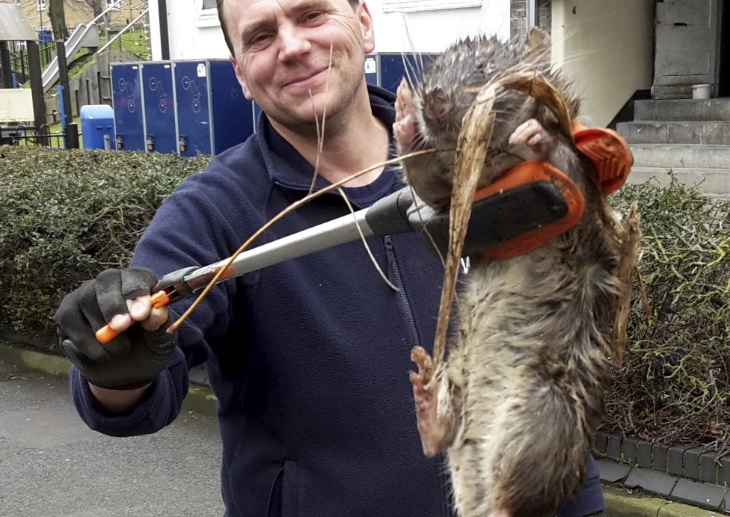
It became a full-blown invasive species crisis. The USDA and Florida wildlife authorities launched an extensive and eventually successful eradication program. It was a huge effort and a stark lesson on the risks of introducing non-native animals. You can read the official case study from resources like the National Invasive Species Information Center.
It shows that even an amazing animal like the Gambian pouched rat can become a problem in the wrong environment.
Your Questions Answered (FAQs)
After digging into all this, you probably still have some specific questions. Here are the ones I get asked the most.
Can you have a Gambian pouched rat as a pet?
Legally, it's complex and varies wildly by country, state, and even city. In the U.S., following the monkeypox scare and the Florida incident, the CDC and FDA banned the import and interstate movement of African rodents, including this species, in 2003. Some states have outright bans. Ethically and practically, it's a massive commitment. They need a huge enclosure, a specialized diet, veterinary care from an exotic pet vet, and they are nocturnal and can be shy. For 99.9% of people, it's a very bad idea. Stick to domesticated animals.
Are they dangerous to humans?
In the wild, they are not aggressive and will flee. Like any wild animal, they can bite if cornered or threatened. The primary concern with any wild rodent is zoonotic disease potential (diseases that jump from animals to humans). This is why handling them is not advised. The trained HeroRATs are an exception, raised and cared for under strict health protocols.
What about other "giant" rats in history?
Now we're getting into paleontology, and it's awesome. If we talk about all time, the largest rat that ever lived was Coryphomys from Timor, estimated to have weighed about 13 pounds (6 kg), but it's extinct. Another contender is the fossil rat Josephoartigasia monesi from South America, which may have weighed over a ton, but it's more closely related to guinea pigs and pacaranas than to true rats. The living Gambian pouched rat holds the title for the largest *extant* (currently living) true rat.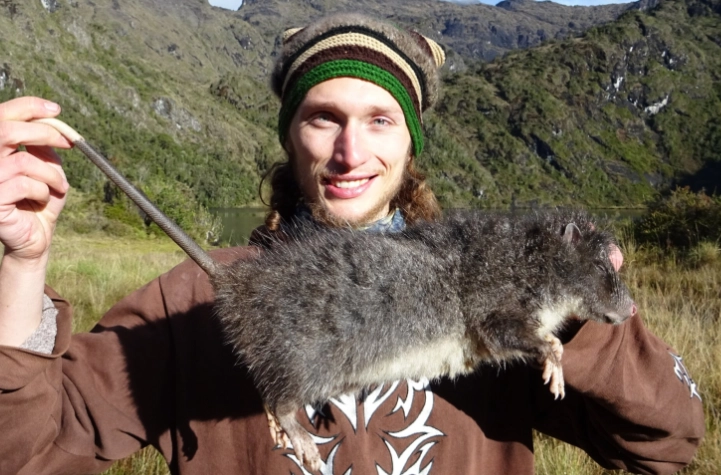
How do they help with landmine detection?
It's a brilliant application of their natural skills. They are trained using clicker training and food rewards (usually bananas or peanuts) to associate the smell of TNT with a reward. They work on a harness, systematically scanning a marked grid. When they smell explosives, they scratch at the spot. Their light weight ensures they don't detonate the mine. One rat can clear an area the size of a tennis court in 30 minutes—a task that could take a human with a metal detector 4 days. Organizations like APOPO also train them to detect tuberculosis in sputum samples. They are incredible biosensors.
So, what is the largest rat in the world found in cities?
This is a key distinction. The *largest rat species overall* is the wild Gambian pouched rat. The largest rat you are likely to encounter in a major city like New York, London, or Tokyo is a very large specimen of the common brown rat (Rattus norvegicus). These urban rats benefit from a steady food supply and can reach sizes that shock people, but they remain a different, smaller species. The true giant of the rat world doesn't do sewers; it prefers forests and fields.
Final Thoughts: Rethinking "Giant Rats"
So, what is the largest rat in the world? It's the Gambian pouched rat, a remarkable animal that defies the negative stereotypes we often attach to the word "rat."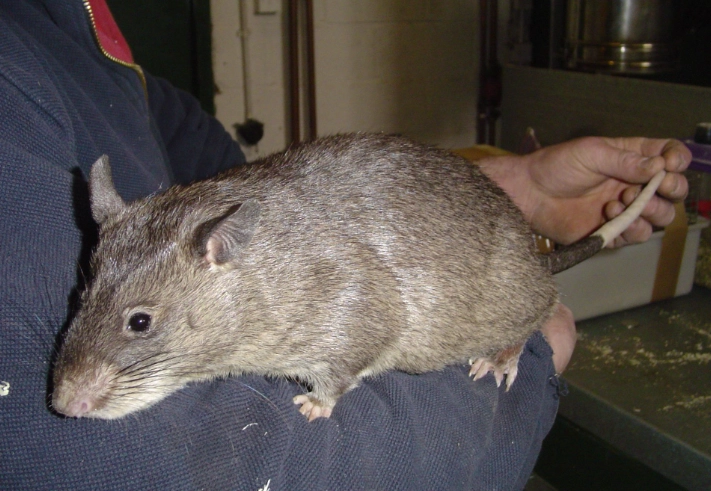
It's a vital seed disperser in African ecosystems. It's a lifesaving hero in the field of humanitarian demining. It's an intelligent, unique creature that happens to hold a size record.
The next time someone brings up the myth of dog-sized sewer rats, you can confidently correct them. Tell them about the real champion, an animal that's more fascinating than frightening. The journey to answer that simple question—what is the largest rat in the world—takes you from urban legends to African forests, from ecological niches to high-tech humanitarian work. It's a perfect example of why the natural world is always more interesting than the fiction we create around it.
I hope this deep dive answered your questions. It certainly changed how I look at rats. They're not all pests; some are quiet giants playing a crucial role in their world, and a few are even trained to make our world safer.



Comments
Leave a Comment