Quick Guide
So, you're scrolling online, maybe watching cute animal videos, and a weird thought pops into your head: Is there a hairless bunny? I mean, we have hairless cats (Sphynx cats are everywhere now), hairless dogs (like the Xoloitzcuintli), and even hairless guinea pigs (Skinny Pigs). It seems like every furry pet has a naked counterpart. So, what about rabbits? Can a rabbit just... not have fur?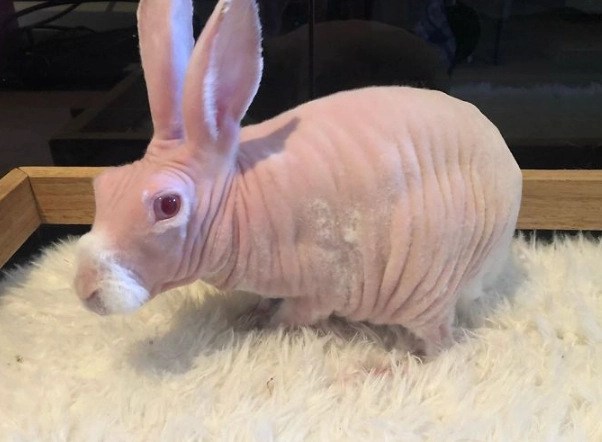
Let's cut to the chase. The short answer is yes, there is a hairless bunny. They do exist. But before you start imagining a tiny, wrinkly Sphynx cat with long ears, hold on. The reality is a lot more complex, and honestly, a bit more controversial than you might think. They aren't a mainstream, recognized breed you can just pick up at any pet store. In fact, if you see one, it's likely the result of very specific genetics, and owning one comes with a whole handbook of special care instructions that most regular rabbit owners never have to think about.
I remember the first time I saw a picture of one. It was on a obscure pet forum years ago. I thought it was a photoshop job, some weird internet joke. But the more I dug, the more I realized this was a real, living animal. My initial reaction wasn't "aww, cute"—it was more like "oh, that poor thing looks chilly." That personal gut reaction is important, because it gets to the heart of the ethical questions surrounding these animals, which we'll definitely talk about.
The Surprising Truth About Hairless Bunnies
First things first, let's clarify terminology. When people ask "is there a hairless bunny?", they're usually referring to rabbits that are born with little to no fur. This isn't a case of a rabbit getting a bad shave or having a medical condition that causes hair loss (though that can happen too, which is different). We're talking about genetic hairlessness.
Key Point: True genetic hairlessness in rabbits is typically caused by a recessive gene, often referred to as the "naked" or "furless" gene. For a bunny to be born hairless, it needs to inherit this gene from both parents. If it only gets one copy, it will be a normal, furry carrier.
These aren't rabbits that lost their fur. They are rabbits that were designed, genetically, to not grow it in the first place. This distinction is crucial for understanding their health and care.
Now, are they a formal breed? Not really. Major rabbit breed registries, like the American Rabbit Breeders Association (ARBA), do not recognize a "Hairless" or "Naked" breed standard. You won't find them competing at rabbit shows. Instead, hairless rabbits often pop up in laboratory settings (where controlled genetics are studied) or occasionally in the pets of dedicated hobbyist breeders who are specifically working with these genetic lines, sometimes for the purpose of understanding skin diseases or immunology. The National Center for Biotechnology Information (NCBI) has published research utilizing hairless animal models, highlighting their scientific role.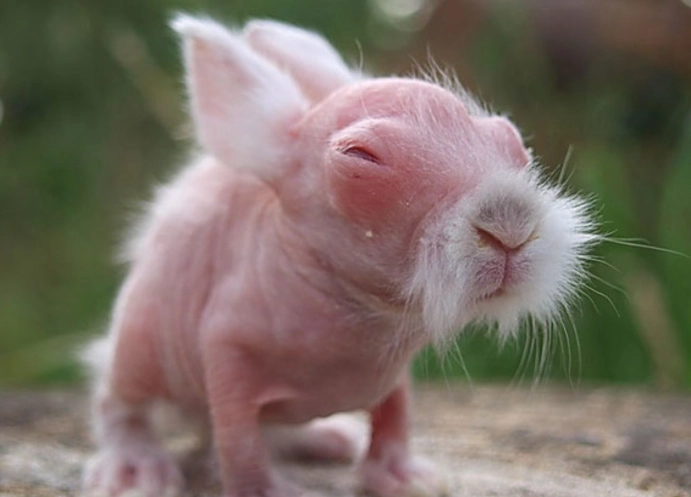
What Does a Hairless Rabbit Actually Look Like?
Forget the image of a perfectly smooth, peach-fuzz creature. It's not usually like that.
- Wrinkled Skin: They often have loose, wrinkled skin, similar to a hairless cat or a newborn puppy. This skin can be very sensitive.
- Partial Fuzz: Some might have a very fine, almost invisible layer of fuzz, especially on their nose, feet, or ears. Others might be completely bald.
- Prominent Features: Without fur, everything is more visible. You can see the structure of their ears more clearly, the shape of their body, and even their skin tone, which can range from pink to greyish.
- Vulnerable Appearance: Let's be honest, to many people, they don't look "cute" in the traditional, fluffy sense. They look fragile and exposed, which is essentially what they are.
I've spoken to a vet who had a client with one. She said the biggest immediate shock for owners isn't the look—it's the feel. They're warm, but the skin can feel different—sometimes a bit oily, which is a natural adaptation we'll discuss.
Why Would a Rabbit Be Hairless? Genetics and Origins
So, is there a hairless bunny by accident or by design? Mostly by very specific design in controlled environments. The hairless trait is generally not something that survives well in the wild. A rabbit's fur is its primary defense against temperature changes, moisture, and minor scrapes. A hairless rabbit in nature would have a very, very hard time.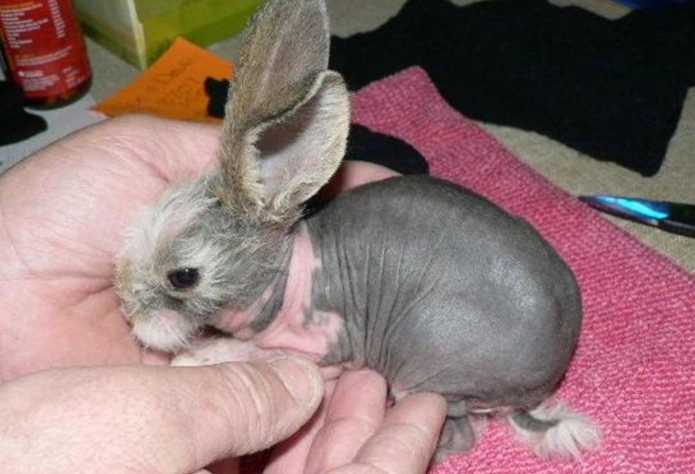
In controlled breeding (like in labs or specific genetic studies), the trait is maintained to study things like:
- Dermatology and skin treatments.
- Immunological responses (the skin is a major immune organ).
- Genetic inheritance patterns.
Occasionally, a hairless kit (baby rabbit) might be born in a litter of normal pet rabbits if both parents carry the recessive gene unknowingly. This is rare, and sadly, these kits often don't thrive without intense, round-the-clock intervention because the mother may reject them or they can't stay warm.
A Word of Caution: The deliberate breeding of hairless rabbits for the pet trade alone is a hot-button ethical issue. Many rabbit welfare organizations and experienced veterinarians view it critically. Creating an animal that is inherently vulnerable and requires such specialized care, purely for novelty, raises serious welfare questions. It's a far cry from breeding for temperament or health within a normal breed standard.
Caring for a Naked Bunny: A Complete Guide (It's Not Easy)
Let's say you've somehow found yourself responsible for a hairless rabbit. Maybe you rescued one, or you're doing deep research before even considering it. Here's the unvarnished truth about what you're signing up for. This isn't like caring for a regular lop or lionhead.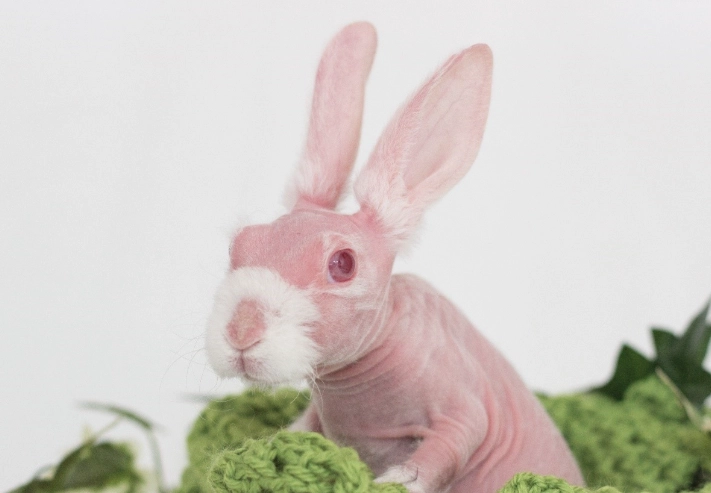
Temperature Control is EVERYTHING
This is the single biggest challenge. A rabbit's normal body temperature is around 101-103°F (38.3-39.4°C). Without fur, they lose heat incredibly fast.
- Ideal Environment: You need to keep your home at a very stable, warm temperature—think 75-80°F (24-27°C) consistently. Drafts are the enemy.
- Heating Pads & Safe Havens: Providing a pet-safe heating pad (always on low, and always with a blanket over it so they don't burn themselves) in their enclosure is almost non-negotiable. They need a warm spot to retreat to.
- Sweaters? Really? Yes, really. Many owners of hairless pets use soft, lightweight sweaters or small animal clothing to help them retain heat. But you have to be super careful—the material must be breathable, not restrictive, and you must check constantly for any chafing or irritation on their sensitive skin.
I tried putting a tiny sock sweater on a regular rabbit once (for a photo, I admit it). He hated it, thumped, and wriggled out in two seconds. Imagine doing that daily for an animal's survival. It's a commitment.
Skin Care Regimen
Their skin isn't protected by fur, so it's directly exposed to everything.
Pro Tip: Their skin often produces more oils to compensate for the lack of fur as a barrier. This isn't dirt; it's a natural secretion. Wiping them gently with a soft, damp, warm cloth every other day can help manage this without stripping their skin. Never use human soaps or shampoos unless specifically prescribed by an exotic animal vet.
- Sunburn: A massive risk. They cannot be in direct sunlight. Even a few minutes through a window can cause a serious burn. Their living space must be in a shaded area.
- Dryness & Moisturizing: The skin can get dry and flaky. Some vets may recommend a specific, vet-approved, fragrance-free moisturizer. Coconut oil is a popular natural suggestion in some circles, but you must consult your vet first, as they can lick it off and ingest too much.
- Injuries: A simple scratch from a toy or a nip from another pet (though they should ideally be solo pets) can become a bigger problem without fur to cushion and protect.
Diet and Nutrition: The Internal Furnace
Because they expend so much energy just staying warm, their dietary needs might be slightly higher than a furry rabbit. Unlimited high-quality hay (Timothy hay is standard) is still the cornerstone. But you might need to be more precise with their pellet portion and fresh veggies to ensure they're getting enough calories and nutrients without becoming overweight—a tricky balance.
Fresh, clean water is, of course, vital. I always use a bowl instead of a bottle for my rabbits; it's more natural and they drink more. For a hairless bunny, staying hydrated is part of overall skin health too.
Common Health Issues to Watch For
Let's be blunt: Is there a hairless bunny that is as robust as a normal one? Generally, no. They are prone to specific problems.
| Health Issue | Why It's a Risk | Prevention/Treatment |
|---|---|---|
| Hypothermia | Rapid heat loss due to no insulation. Can be fatal quickly. | Strict environmental control, heating pads, sweaters. Constant monitoring. |
| Skin Infections (Bacterial/Fungal) | Exposed skin is more susceptible to scratches and subsequent infection. | Impeccable enclosure cleanliness, regular gentle skin checks, prompt vet care for any wound. |
| Sunburn & Skin Cancer | No fur to block UV rays. | Zero direct sunlight. Keep in shaded, indoor areas only. |
| Dermatitis & Dry Skin | Lack of natural protection from elements and friction. | Humidity control, vet-approved moisturizing, soft bedding materials. |
| Higher Metabolic Stress | Constant energy expenditure to maintain body heat. | High-quality diet, regular vet check-ups to monitor weight and organ function. |
You need an exotic vet on speed dial. Not all vets are experienced with rabbits, and even fewer have seen a hairless one. Be prepared for higher medical costs.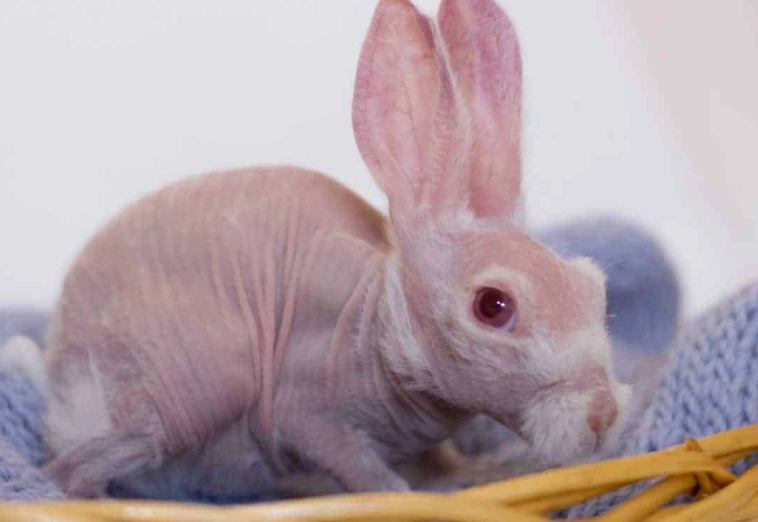
Where Would You Even Find a Hairless Bunny?
This isn't a "breed" you search for on Craigslist. If you are genuinely interested (after understanding the immense responsibility), here are the only ethical avenues:
- Rescue/Sanctuary: This is the most ethical source. Sometimes these special-needs animals end up in rescue because an owner was unprepared. Organizations like the House Rabbit Society or local exotic pet rescues might occasionally have one. Adopting gives a home to an animal in need.
- Reputable (and I mean VERY reputable) Breeders: If they exist, they should be transparent about genetics, health testing, and their reasons for breeding (e.g., for legitimate scientific contribution, not just pets). They should grill you on your preparedness. Be wary of anyone selling "rare hairless bunnies" online for a high price—this is a major red flag for unethical breeding.
- Laboratory Adoption Programs: Some research facilities have adoption programs for animals after studies conclude. This is a highly regulated and specific path, not for the general public.
My personal take? After all this research, I wouldn't seek one out. The care requirements are so intense that it feels like setting yourself up for constant worry. The ethical dimension of purposely breeding them as pets just doesn't sit right with me. There are so many wonderful, healthy, furry rabbits in shelters that need homes and make fantastic companions without the extreme needs.
Frequently Asked Questions (FAQs)
Final Thoughts: Should You Get One?
Look, the fact that you're asking "is there a hairless bunny?" means you're curious. And curiosity is good. But let's turn that into responsible pet ownership.
For 99.9% of people, the answer is a resounding no. The commitment is on par with caring for a chronically ill animal. The costs (special heating, constant vet bills) are high. The margin for error is tiny.
If your heart is set on a rabbit, please, visit a local shelter. Meet the dozens of fluffy, funny, personality-filled bunnies waiting for a home. They will hop into your life and heart without requiring you to turn your home into a specialized ICU. They show affection, they do hilarious binkies (joy jumps), and they can be litter-trained. They are wonderful, complete pets as nature intended them to be.
So, yes, there is a hairless bunny. They are a biological reality, a testament to genetic diversity, and a creature that demands our utmost respect and protection. But they are not a novelty pet. They are a lifetime of dedicated, exhausting, expensive special-needs care.
Knowing that now, what will you do with that information? I hope you choose compassion, both for these unique animals and for yourself, by opting for a pet that leads to a joyful, sustainable relationship rather than a constant state of worry.
Think about it.



Comments
Leave a Comment