Quick Navigation
Let's cut straight to the chase. If you're here, you've probably seen a picture of a Sphynx rabbit (that's the fancy name for a hairless bunny) and thought they were the most unique, alien-looking, and somehow adorable creature you've ever laid eyes on. Maybe you're considering adopting one, or perhaps you've unexpectedly become the caretaker of one of these naked wonders. The first question that pops into your head, the one that brought you here, is a big one: do hairless bunnies need special care?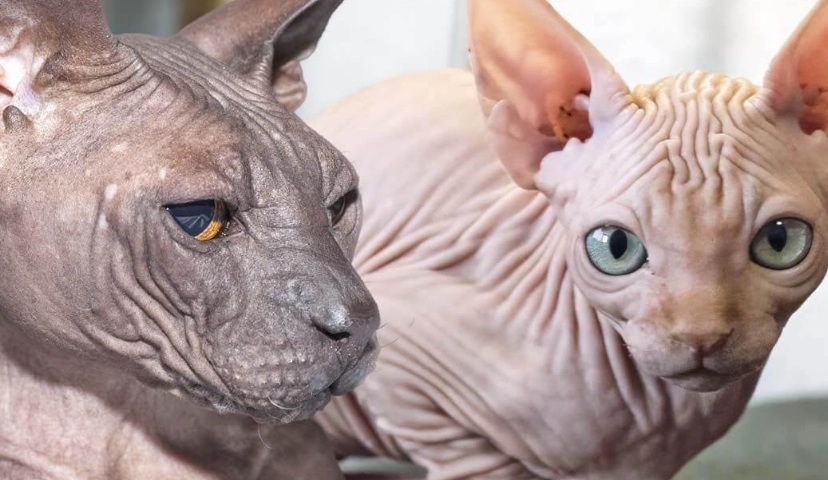
The short, non-negotiable answer is a resounding yes. A thousand times yes. Caring for a hairless rabbit isn't just a slight variation on standard rabbit care; it's a whole different ballgame. It's like the difference between maintaining a bicycle and maintaining a high-performance sports car. Both need attention, but the stakes, the specifics, and the required vigilance are on another level.
I remember the first time I fostered a Sphynx rabbit. I had years of experience with fluffy Holland Lops and Netherland Dwarfs. I thought, "How different can it be?" I was embarrassingly wrong. Within a week, I was dealing with dry skin patches and a bunny that was constantly seeking warmth. It was a humbling, immediate lesson. This guide is everything I wish I'd known back then, boiled down from conversations with exotic vets, dedicated breeders, and my own sometimes-fraught experiences.
Why "Special Care" Isn't an Option, It's a Mandate
Understanding the why makes the how much easier to remember. A rabbit's fur is a marvel of natural engineering. It provides insulation against cold and heat, protects delicate skin from UV rays and injuries, and aids in social bonding and communication. Strip that away, and you have an animal that is biologically unequipped for a standard domestic environment.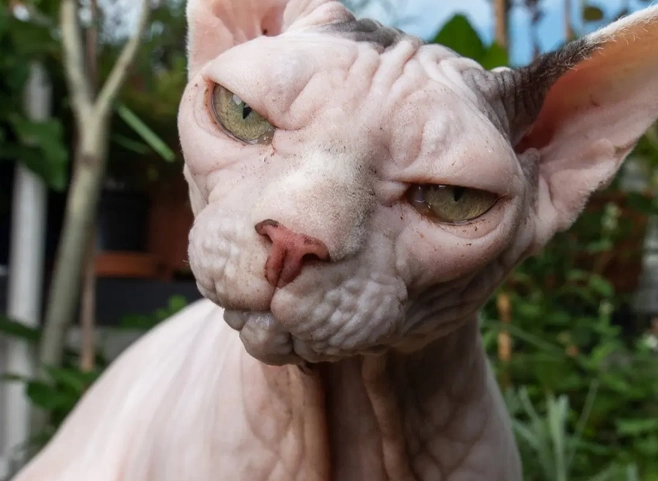
Their metabolism often runs higher (trying to generate more internal heat), which can affect their dietary needs. Their skin is directly exposed to everything—litter, bedding, your clothes, other pets. They can get sunburned from a sunny window spot a furry bunny would adore. They can get chilly in a room you find perfectly comfortable. So when we ask, "do hairless bunnies need special care?", we're really asking if we're prepared to become their full-time climate control system, dermatologist, and safety manager. The commitment is significant.
The Four Pillars of Hairless Bunny Care
To keep your hairless friend not just alive, but truly thriving, you need to build your routine around four critical pillars. Miss one, and the whole structure gets shaky.
Pillar One: Master of Temperature and Environment
This is the most immediate and constant need. Without fur, they lose body heat incredibly fast. But it's not just about avoiding the cold; overheating is also a real danger because they can't shed heat effectively either.
The Goldilocks Zone: Aim for a consistent ambient temperature between 75-80°F (24-27°C). Avoid drafts from windows, doors, or air conditioning vents like the plague. Sudden temperature drops are a major health risk.
Heat Source Essentials: You will need to provide supplemental heat, especially at night or in cooler climates. But safety is paramount!
- Snuggle Safe Microwave Heat Pads: An absolute lifesaver. Heat them up, wrap in a soft cover, and place under or next to a hide. They provide hours of gentle, safe warmth.
- Ceramic Heat Emitters (CHE): These are used in reptile setups. They screw into a ceramic dome lamp and emit heat without light. Crucially, you MUST use a thermostat with it to prevent overheating and place it securely outside the enclosure where the bunny cannot possibly touch it or the cord.
- Fleece, Fleece, and More Fleece: Pile it up. Soft, non-stringy fleece blankets are perfect for burrowing and nesting. Avoid towels or fabrics with loose threads that can wrap around toes.
What to Avoid: Never use human electric blankets or heating pads. They can overheat, have chewable wires, and cause severe burns. Hot water bottles can leak or cool too quickly. Heat rocks (even for reptiles) are notorious for causing thermal burns.
Pillar Two: Skin Care is Everything
This is where care gets detailed. Their skin is their largest, most vulnerable organ. It can be prone to dryness, oiliness, acne, and irritation. Asking "do hairless bunnies need special care?" is largely asking about this daily ritual.
The Bathing Conundrum: Unlike cats or dogs, you can't just toss them in the tub. Rabbits stress easily, and getting them thoroughly dry without fur is tricky. Full baths should be rare—only if they get into something truly messy. Instead, focus on spot cleaning.
- Warm, damp washcloths are your best friend. Gently wipe down the skin folds, behind the ears, and the genital area every 2-3 days.
- Use a hypoallergenic, fragrance-free pet wipe for quick clean-ups if needed.
- After cleaning, pat dry completely with a soft towel. Any moisture left in skin folds can lead to yeast or bacterial infections.
Moisturizing: Their skin can get flaky. A tiny amount of pure, food-grade coconut oil or a vet-recommended hypoallergenic moisturizer (like something designed for sphynx cats) can be gently massaged in once a week. A little goes a very long way—you don't want a greasy bunny.
Sun Protection: This is non-negotiable. They will sunburn. If they have any access to natural light (even through a window), you need to apply a pet-safe sunscreen to their ears, back, and any pink skin. Reapply as directed. Better yet, keep them out of direct sunlight entirely.
Pillar Three: Diet and Nutrition - Fueling the Furnace
Because they work harder to stay warm, their metabolic rate is often higher. This doesn't mean unlimited pellets! It means a careful, high-quality diet is even more critical.
Unlimited Hay: This remains the cornerstone (85-90% of diet). Timothy hay is perfect for adults. It keeps their digestive system, which is always a rabbit's weak point, moving and provides fiber for wear on their constantly growing teeth.
Pellets: Opt for a high-fiber, plain pellet. Because they might need a slightly higher caloric intake, you might give a small, measured amount daily (e.g., 1/8 cup per 4 lbs of body weight), but this must be discussed with your vet. Overfeeding pellets is a fast track to obesity and GI stasis.
Fresh Greens & Veggies: Introduce a variety slowly: romaine, cilantro, bok choy, bell peppers. Wash thoroughly to remove pesticides. This provides moisture and vitamins.
Water: Always fresh, always available. A heavy ceramic bowl is better than a bottle, as it allows for more natural drinking and higher intake.
Honestly, the diet isn't radically different from a furry rabbit's, but the margin for error is smaller. An upset tummy in a hairless bunny, combined with potential stress from feeling unwell, can spiral faster.
Pillar Four: Health Monitoring and Vet Partnership
You need an exotic animal veterinarian who has experience with rabbits, and ideally, has seen a hairless one before. Don't wait for an emergency to find one. Schedule a wellness check soon after adoption.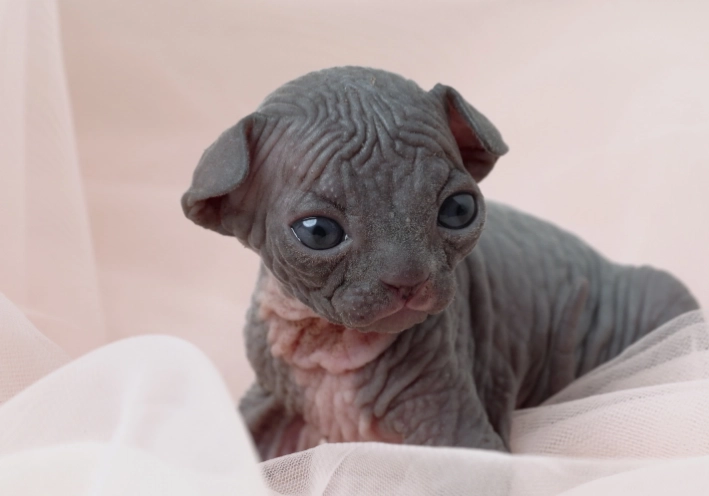
Common health issues to watch for:
| Issue | What to Look For | Why It's More Common |
|---|---|---|
| Dermatitis & Skin Infections | Redness, pustules, flaking, unusual odor, excessive scratching. | Direct exposure to bacteria/fungi; moisture in skin folds. |
| Respiratory Infections | Sneezing, nasal discharge, labored breathing. | Susceptibility to drafts and chills; stress from temperature fluctuations. |
| Dental Problems | Drooling, reduced appetite, weight loss. | Same risk as all rabbits, but weight loss is more dangerous due to lack of fat reserves. |
| GI Stasis | Small or no fecal pellets, lethargy, hunched posture. | Stress (from cold/discomfort) is a major trigger. Faster metabolic decline. |
| Urine Scalding | Wet, red, inflamed skin on hindquarters. | Urine contacts skin directly without fur barrier. Can be due to obesity or arthritis. |
Having a good vet is like having a co-pilot. For instance, the House Rabbit Society is an invaluable resource for finding vet referrals and general rabbit care ethics. Their materials don't always cover hairless specifics, but the foundation is solid. For more peer-reviewed medical information, the Association of Exotic Mammal Veterinarians (AEMV) is a professional organization, and their public resources can point you towards credible care standards.
Setting Up the Perfect Hairless Bunny Habitat
An exercise pen (x-pen) is usually better than a cage—more space for temperature gradients. Layer the bottom with soft, absorbent vet bedding or several layers of fleece over a waterproof pad. Change soiled areas daily, and do a full clean weekly. Avoid cedar or pine shavings—the phenols and dust are terrible for their respiratory system and skin.
Provide multiple enclosed hides (like wooden houses or covered cat beds) lined with fleece where they can retreat, feel secure, and conserve body heat. A litter box with a rabbit-safe paper-based litter (like Carefresh) placed in a corner they choose is essential. Keep everything soft. No rough edges, no wire flooring, ever.
Grooming? Yes, Even Without Hair.
Their nails tend to grow fast and can scratch their own delicate skin. Check and trim every 3-4 weeks. Clean their ears weekly with a vet-approved solution and a cotton ball—they have no fur to protect them from wax build-up. Check teeth regularly for even wear.
Social and Mental Needs: They're Still Bunnies!
Beneath all the special needs, remember they have the same rabbit brain. They need companionship, either from a carefully bonded rabbit friend (another hairless or a very calm, friendly furry one) or from you, for several hours of interaction daily. They need space to hop, explore (in a safe, warm room), and toys to chew and toss. Boredom and loneliness lead to stress and illness.
Answering Your Burning Questions

The Realistic Bottom Line
Look, caring for a hairless rabbit is rewarding in a very specific way. You become hyper-attuned to another creature's wellbeing. But it's also demanding, expensive, and requires a lifestyle adjustment. It's not for the casual pet owner, the frequently traveling, or the faint of heart.
So, let's circle back to the core question one last time: do hairless bunnies need special care?
The choice is yours. Just make it with your eyes wide open.



Comments
Leave a Comment