Quick Navigation
- What Makes a Cat Breed Name "Weird," Anyway?
- The Champions of Strange: A Roster of Weirdly Named Cat Breeds
- Beyond the Name: The Realities of Owning a Uniquely Named Cat
- Why Do These Weird Cat Breed Names Even Exist?
- Your Questions Answered: The Weird Cat Breed Name FAQ
- The Takeaway: Look Past the Weird Cat Breed Name
Let's be honest, half the fun of being a cat person is the sheer variety. From fluffy giants to hairless wonders, the cat world never fails to surprise. But sometimes, the biggest surprise isn't the cat itself—it's the name attached to it. You're browsing a cat fancier website or scrolling through a shelter's page, and you stumble upon a breed name that makes you do a double-take. Did I read that right? A cat called a "LaPerm"? A "Munchkin"? A "Lykoi" that looks like it just walked out of a werewolf movie?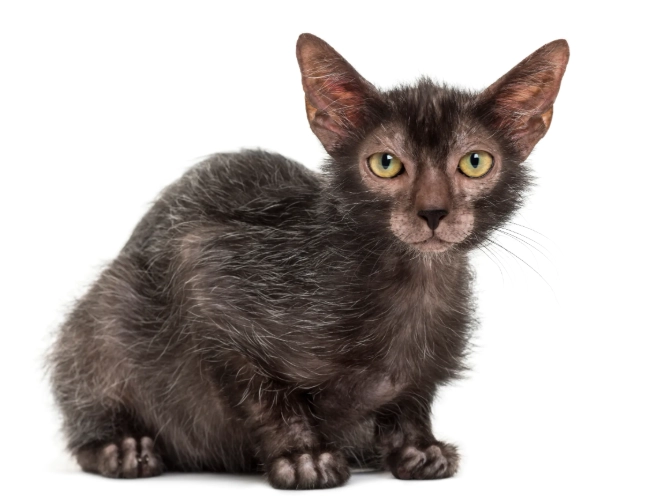
Yeah, the world of weird cat breed names is a fascinating rabbit hole. It's not just about being different for the sake of it. These names often tell a story—a story of origin, a unique physical trait, a dash of mythology, or sometimes just a happy accident. I remember the first time I heard "Scottish Fold." I pictured a cat neatly folded up like a piece of paper. Not quite, but those folded ears? Absolutely adorable and weirdly named in the best way.
This isn't just a listicle. We're going to unpack these weird cat breed names. Where did they come from? What do these cats actually look and act like? And more importantly, if you're charmed by a weird name, what are you really signing up for in terms of care, personality, and lifestyle fit?
Because that's the real question, isn't it? Behind every odd name is a living, breathing creature with its own needs. Choosing a cat based solely on its bizarre title is like buying a book for its cover. You might get lucky, or you might end up with a story you're not prepared to handle.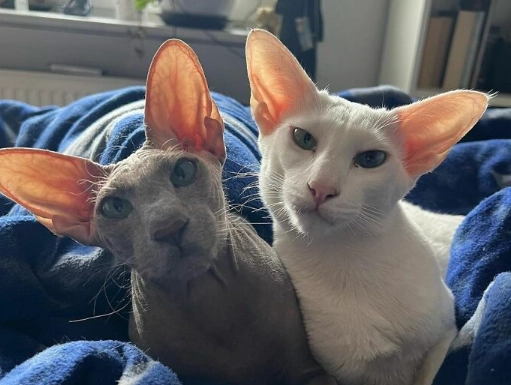
What Makes a Cat Breed Name "Weird," Anyway?
It's subjective, of course. But generally, weird cat breed names fall into a few camps. Some are descriptive in a funny or unexpected way (Munchkin, for their short legs). Some sound like something from a fantasy novel (Lykoi, Selkirk Rex). Others are just... plain unpronounceable at first glance (Sokoke, Aegean). And some are weird because they sound like something else entirely (the aforementioned LaPerm always makes me think of a hairstyle, not a cat).
It's this blend of the unfamiliar, the descriptive, and the slightly absurd that creates the category of weird cat breed names. They stick in your mind precisely because they break the mold of simple place names (Siamese, Persian) or owner names (Birman).
The Champions of Strange: A Roster of Weirdly Named Cat Breeds
Alright, let's meet the contenders. Here's a rundown of some of the most head-turning, conversation-starting weird cat breed names out there. I've tried to group them a bit to make sense of the wonderful chaos.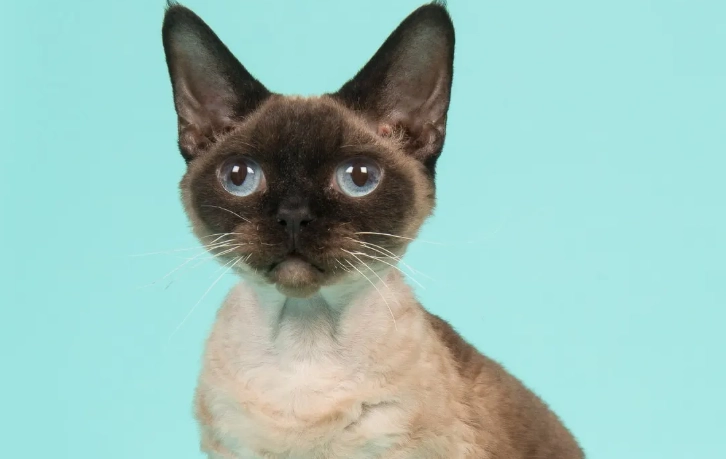
The "What Does That Even Mean?" Group
These are names that leave you scrambling for a dictionary or a history book.
- Lykoi: Straight from the Greek word "lykos," meaning wolf. Also called the "Werewolf Cat." It's not a hybrid; it's a natural mutation causing patchy hair, a roan coat, and a hauntingly cute face. The name is perfectly weird for its appearance.
- Sokoke: Named after the Arabuko-Sokoke forest in Kenya, where they were first discovered. Pronouncing it (so-KOH-kay) is part of the fun. It's one of the rarest natural breeds.
- Korat: A beautiful silvery-blue cat from Thailand, named after the Nakhon Ratchasima province (Korat for short). The name carries a ton of cultural weight and is considered a symbol of good fortune.
The "It's Literally What It Is" Group
These names are brilliantly, bluntly descriptive. No mystery here.
- Munchkin: Named for the little people in *The Wizard of Oz*, this breed's defining feature is its very short legs due to a genetic mutation. The name is cute, catchy, and tells you exactly what to expect. Controversial? Sure. But you can't deny the name is memorable.
- Scottish Fold: Originated in Scotland. Has folded ears. Sometimes the simplest descriptions make for the weirdest cat breed names because they're so literal.
- American Curl: From America. Has ears that curl backwards. See a pattern? It's effective marketing, if nothing else.
- LaPerm: This one gets me every time. It has a curly, permed-looking coat. Hence, LaPerm. It's a pun! A French-sounding pun on a cat's hairstyle. It's weirdly charming.
The "Sounds Like a Mythical Creature" Group
These cats sound like they should be guarding treasure in a dungeon.
- Selkirk Rex: Named after the Selkirk Mountains, but "Rex" refers to the curly coat gene (like in rabbits). The full name sounds like a noble title for a curly-haired lord. They have a wonderfully plush, sheep-like coat.
- Chausie: Pronounced "chow-see," it's derived from the Latin name for the jungle cat (*Felis chaus*), which is one of its ancestors. It sounds exotic and wild, which fits this large, athletic hybrid breed.
- Pixiebob: A breed designed to resemble the North American bobcat. "Pixie" comes from the original foundation cat, and "bob" refers to the short tail. The combined name is pure fantasy-story fodder.
Now, looking at a list is one thing. But how do you compare them side-by-side? Let's put some of the most popular weirdly named breeds into a table to see their key traits at a glance. This is where the rubber meets the road—seeing the name next to the actual care requirements.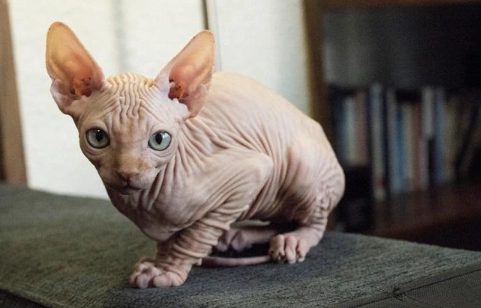
| Breed Name (The Weird One!) | Key Physical Trait | Personality Vibe | Grooming Needs | Activity Level |
|---|---|---|---|---|
| Lykoi (Werewolf Cat) | Patchy, roan coat; often sparse hair around eyes/nose | Affectionate, dog-like, curious, can be shy initially | Low to moderate (unique coat needs occasional monitoring) | High - very active and playful |
| Munchkin | Very short legs (dwarfism) | Outgoing, playful, confident, not hampered by leg length | Varies by coat length (longhair vs. shorthair) | Moderate to High - surprisingly agile and fast |
| Selkirk Rex | Dense, plush, curly coat (all three coat lengths) | Patient, tolerant, easygoing, "teddy bear" personality | Moderate - curls can mat if not combed weekly | Moderate - playful but not hyperactive |
| LaPerm | Soft, curly, wavey coat | Affectionate, gentle, inquisitive, often lap cats | Low to Moderate - minimal shedding, easy care | Moderate |
| Sphynx | Hairless (with fine peach-fuzz) | Extroverted, clownish, attention-seeking, very warm to touch | Very High - needs weekly bathing to remove skin oils | High - energetic and heat-seeking |
| Scottish Fold | Folded ears (cartilage mutation) | Sweet, calm, adaptable, "owl-like" appearance | Low (but ear cleaning is important) | Low to Moderate - generally placid |
See? That table changes things. The Sphynx is a classic in any discussion of weird cat breed names (or just weird cats in general!), but that "Very High" grooming need is a major lifestyle commitment. It's not just a quirky-looking pet; it's a pet that needs regular baths. Something to seriously ponder.
Beyond the Name: The Realities of Owning a Uniquely Named Cat
So you've fallen in love with the idea of a Lykoi or a Munchkin. The name is cool, the pictures are adorable. Before you start searching for breeders (and please, always prioritize reputable ones or check shelters/rescues—yes, even purebreds sometimes end up there), let's talk brass tacks.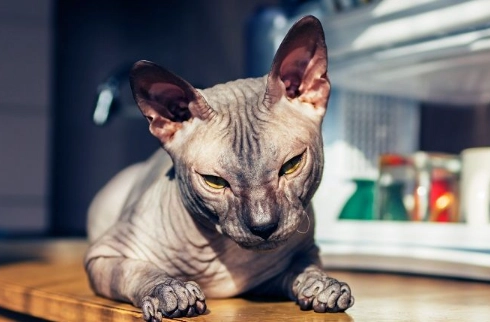
Important Note: Many breeds with weird cat breed names are the result of natural genetic mutations (like the Scottish Fold's ears or the Munchkin's legs). It's crucial to research potential associated health issues. For example, the gene that causes folded ears in Scottish Folds is linked to osteochondrodysplasia, a joint and cartilage disorder. Responsible breeders test for these things, but it's a factor to be aware of. The International Cat Association (TICA) and the Cat Fanciers' Association (CFA) are excellent resources for breed standards and health information.
The name might draw you in, but the personality and care needs are what you'll live with for 15+ years. A high-energy Chausie will need way more space and engagement than a laid-back Selkirk Rex. That's the real decision point.
I once catsat for a friend's Devon Rex (another great weird name—sounds like a jazz musician). Their coat was wavy and soft, but wow, were they energetic. They spent evenings ricocheting off the furniture. Cute name, hilarious personality, but not a cat for someone who wants a quiet, stationary lap ornament.
Why Do These Weird Cat Breed Names Even Exist?
It's a mix of marketing, description, and history. In a crowded world of cat breeds, a unique name helps a breed stand out. "Lykoi" is infinitely more memorable than "Patchy-Hair Cat." It creates an identity, a brand almost.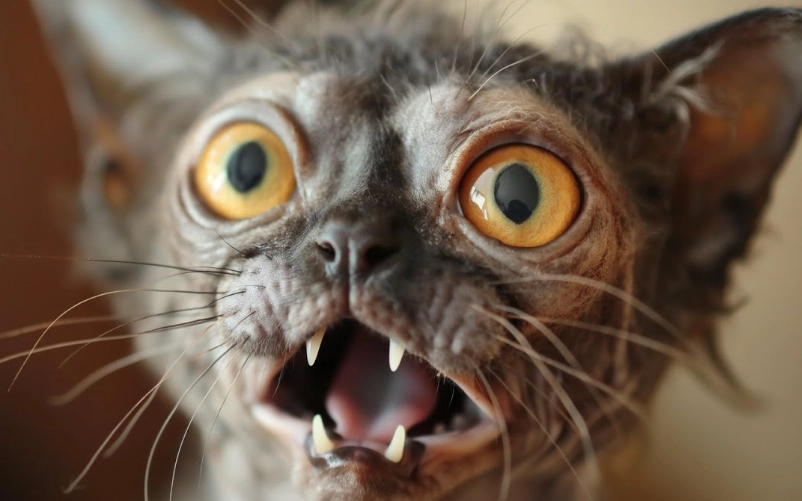
Often, the breeders who discover or develop a new breed get the naming rights. They might choose something personal (Pixiebob), geographic (Sokoke, Aegean), or descriptive (LaPerm). The name becomes part of the breed's story, its founding myth. It's less about being deliberately weird and more about capturing the essence of something new and different in a single word or two.
Your Questions Answered: The Weird Cat Breed Name FAQ
The Takeaway: Look Past the Weird Cat Breed Name
At the end of the day, a weird cat breed name is a fantastic conversation starter. It's a doorway into a fascinating subculture of cat fancying, genetics, and history. But it's just the doorway.
The real magic—and the real responsibility—lies in what's behind the name. The living animal with its own personality, its own health considerations, and its own need for a compatible home.
Use the weirdness as a starting point for deep research. Fall in love with the cat, not just the name. Understand that behind every unique label like "Lykoi," "Selkirk Rex," or "LaPerm" is a commitment to a specific type of care. Dive into resources from the major cat registries like TICA and CFA to get the full, official picture of any breed that catches your eye.
Whether you end up with a cat bearing one of these wonderfully weird cat breed names or a beloved shelter mutt with a name you choose yourself, the goal is the same: a happy, healthy life together. The name is just the first chapter of your story.

Comments
Leave a Comment