Quick Guide
- Why So Big? The Purpose Behind the Ears
- Meet the Contenders: A Lineup of Large-Eared Felines
- Living with the Radar Dishes: Personality & Practical Care
- Side-by-Side: Which Big-Eared Breed is For You?
- Answering Your Big-Eared Cat Questions (FAQs)
- The Final Word: Is a Weird Cat Breed With Big Ears Right For You?
Let's be honest, sometimes you're scrolling through cat pictures and you stop dead. What on earth is that? It looks like a cat that got into a fight with a satellite dish and lost. In the best way possible. Those huge, expressive ears perched on a sleek head – it's weird, it's captivating, and you need to know more.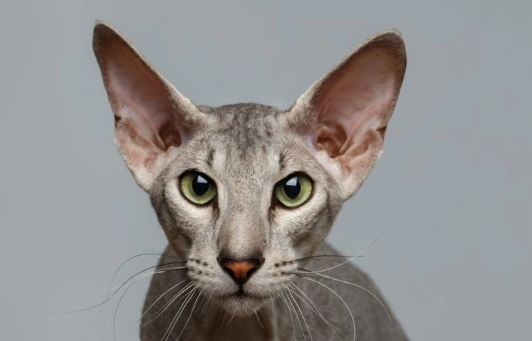
That's the pull of the weird cat breed with big ears. They're not your average living room loaf. They're conversation starters, little aliens of elegance and oddity wrapped in fur (or sometimes, not wrapped in fur at all). If you've ever found yourself searching for "cats with bat ears" or "weird looking cats with big ears," you're in the right place. We're diving deep into the world of these extraordinary felines, beyond just a cute photo. We'll talk about why their ears are like that, what it's actually like to live with them, and whether one of these quirky souls might be your perfect match.
I remember the first time I met a Devon Rex in person. I wasn't prepared. The photos don't do justice to the sheer elfin strangeness, the way those enormous ears seem to operate independently, swiveling like radar arrays. It wasn't love at first sight for me, I'll admit. It was more like fascinated confusion. But that's the point of these breeds – they challenge what you think a cat should look like.
Why So Big? The Purpose Behind the Ears
Before we meet the contenders, let's squash a common myth. Those aren't just for show. While selective breeding has definitely exaggerated the size for aesthetic reasons in some breeds, the core function is brilliant biological engineering.
Big ears are primarily about hearing. Cats already have superior hearing to humans, but a larger pinna (the external ear flap) acts like a satellite dish, funneling more sound waves into the ear canal. This allows them to detect the faintest rustle of a mouse in grass or the crinkle of a treat bag from two rooms away. For active, predatory breeds, this is a serious survival and play advantage.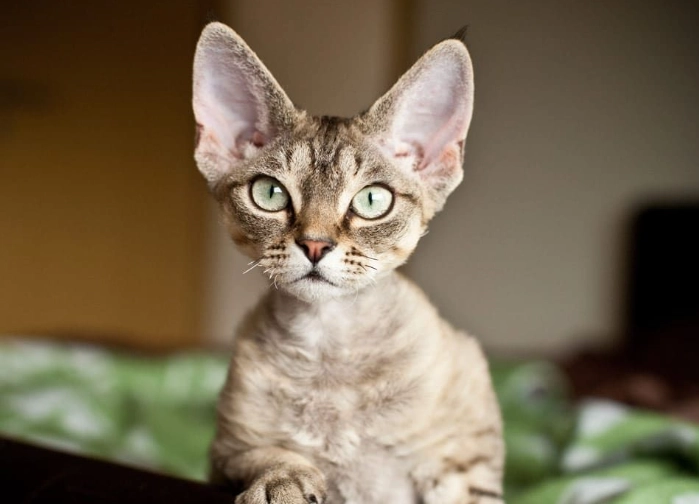
Secondly, it's about temperature regulation. Ears have a rich network of blood vessels close to the skin. A larger surface area means more heat can radiate away from the body. This is a huge deal for hairless breeds like the Sphynx. Those massive ears are a primary cooling system. Without them, they'd overheat far more easily.
So, when you see a weird cat breed with big ears, you're looking at a master listener and a natural cooling unit. Form follows function, even when the form looks like it's from another planet.
Meet the Contenders: A Lineup of Large-Eared Felines
Alright, let's get to the good stuff. Here are the breeds that consistently top the "weird cat breed with big ears" search lists. They're all unique, and "weird" here is a term of endearment for their distinctive, unforgettable looks.
The Sphynx: The Naked Ambassador
You can't talk about unusual cats without starting here. The Sphynx is the most famous hairless breed, and its lack of fur makes its enormous, bat-like ears the absolute star of the show. Without a fluffy frame to balance them out, they look even more pronounced. This is the quintessential weird cat breed with big ears for many people.
But here's the thing everyone misses when they just see a photo: they're not cold, rubbery statues. They're warm to the touch, often described as feeling like suede or a hot peach. And they have personalities to match their dramatic looks – typically extroverted, dog-like, and desperate for your warmth (literally, they'll seek out your body heat).
The Devon Rex: The Pixie Elf
If the Sphynx is from a sci-fi movie, the Devon Rex is from a fairy tale. They have those huge, low-set ears, but combined with large, inquisitive eyes, prominent cheekbones, and a wavy, soft coat. The overall effect is impish and intelligent.
Their personality is pure mischief. They're known as the "monkeys of the cat world" for good reason. They love heights, will learn tricks, and have a tendency to perch on shoulders. That weird cat breed with big ears you saw might just be a Devon Rex planning its next leap onto your refrigerator.
The Oriental Shorthair: The Sonic the Hedgehog
Think of a Siamese, then stretch everything. Long, slender body? Check. Wedge-shaped head? Check. But then amplify the ears to a dramatic, sweeping size. The Oriental Shorthair is elegance on stilts, and the ears are the exclamation point.
This breed is for people who love a vocal, opinionated cat. They have the classic Siamese chatty nature and form deep, demanding bonds with their people. They are athletic and sleek, and those big ears are always alert. If you want a cat that looks like a modern art sculpture and talks to you all day, this is your weird cat breed with big ears.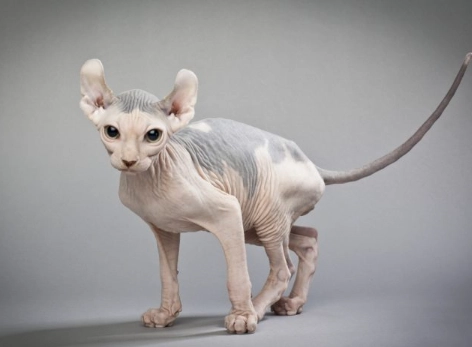
The Abyssinian: The Ancient Athlete
The Abyssinian's ears aren't the largest on this list in absolute terms, but they are large, cupped, and perfectly proportioned on their ticked, ruddy body. They give the Aby a perpetually alert, wild look – like a miniature cougar. This is one of the oldest known cat breeds, and you can see the primal, athletic heritage in its build and those expressive ears.
Abys are busy. They are curious, playful, and need engagement. They're not big lap cats; they're explorers. Their big ears are part of their toolkit for investigating every nook and cranny of your home. The International Cat Association has a great breed profile that delves into their active nature (TICA - Abyssinian).
The Cornish Rex: The Greyhound in a Catsuit
Often confused with the Devon, the Cornish Rex has a different head shape – more egg-like with ears that are large but set higher on the head. Their defining feature is their coat, which is made entirely of downy undercoat, resulting in tight, marcel waves that feel like crushed velvet.
They share the playful, energetic temperament of the Devon but are often described as slightly more "clownish" and a touch less mischievous. They are incredibly warm to the touch due to their lack of guard hairs. Running your hands over a Cornish Rex is a unique sensory experience, and those big ears are just part of the package.
Living with the Radar Dishes: Personality & Practical Care
Okay, so they look cool. But what's it like to share your home with one of these weird cat breeds with big ears? The look is just the entry point. The personality is what you'll live with every day.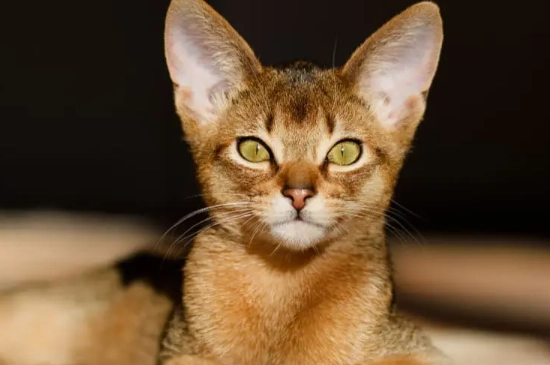
With notable exceptions, many big-eared breeds (Oriental, Siamese, Abyssinian, Rexes) trend towards being highly social, intelligent, and active. They get bored easily. A bored, smart cat is a destructive cat. You'll need to provide:
- Plenty of vertical space: Cat trees, shelves, perches. They love to survey their kingdom from up high.
- Interactive play: Daily sessions with wand toys are non-negotiable. Think of it as their job.
- Puzzle feeders: Make them work for their food. It engages their brains.
- Potentially a feline friend: Many of these breeds do exceptionally well with another cat for company, especially if you're out during the day.
Now, let's talk about the ears themselves. Bigger ears can mean more wax buildup and a need for more frequent checking. It's not a huge chore – maybe once a week, gently wipe the outer ear with a vet-approved cleaner on a cotton ball. Never use Q-tips deep in the ear canal. The Cat Fanciers' Association offers general guidance on ear care that's worth a look (CFA - Grooming Guide).
For hairless breeds, ear cleaning is part of the essential weekly bath routine. The oil that would normally coat their fur can build up in their ears.
Side-by-Side: Which Big-Eared Breed is For You?
Choosing a cat is personal. It's not just about looks; it's about lifestyle fit. This table breaks down the key practical and personality differences to help you move beyond the "weird cat breed with big ears" search and think about real-life compatibility.
| Breed | Key Look (Beyond the Ears) | Personality Vibe | Grooming Needs | Ideal For... |
|---|---|---|---|---|
| Sphynx | Hairless, wrinkled skin, muscular | Affectionate "velcro" cat, heat-seeker, clownish | High: Weekly bath, ear/eye cleaning, nail cleaning | Someone home often, committed to grooming, who wants constant companionship. |
| Devon Rex | Wavy coat, elfin face, large eyes | Mischievous, acrobatic, playful, impish | Low-Medium: Soft coat sheds little, occasional bath if oily. | Active households, people who enjoy interactive play, those wanting a "character." |
| Oriental Shorthair | Long, slender, angular, many coat colors/patterns | Vocal, demanding, intelligent, deeply bonded | Low: Short, sleek coat just needs occasional brushing. | People who love a chatty cat, want a deep bond, and don't mind a vocal opinion. |
| Abyssinian | Ticked coat (agouti), athletic build, alert expression | Busy, curious, playful, loves heights, less lap-oriented | Low: Short coat, easy care. Loves being brushed. | Active individuals/families, those with other pets, people who can provide lots of enrichment. |
| Cornish Rex | Wavy "marcel" coat, arched back, egg-shaped head | Playful, clownish, affectionate, enjoys cuddles for warmth | Low: No shedding, but skin oils need occasional bathing. | Those who want a soft, warm, playful cat that's slightly less intense than a Devon. |
See? It's a whole spectrum. The quietest of the bunch is probably the Cornish Rex, while the Oriental will hold full-blown conversations with you. The Sphynx demands the most hands-on care, while the Aby demands the most mental stimulation.
Answering Your Big-Eared Cat Questions (FAQs)
Not inherently because of the size. The structure is generally healthy. However, hairless breeds and those with less hair in the ears (like the Rexes) can have more wax buildup, which if ignored, can lead to issues. The key is regular, gentle maintenance. A well-cared-for big ear is a healthy ear. Always consult your vet if you see redness, smell a foul odor, or your cat is shaking its head constantly.
This is the million-dollar question. First, let's be clear: no cat is 100% hypoallergenic. People are allergic to a protein (Fel d 1) in cat saliva and skin oils, not the fur itself. When cats groom, the allergen gets on their fur and into the environment.
That said, some breeds on this list may be better for some allergy sufferers. The Sphynx, because it has little to no fur to shed the allergen around. The Cornish and Devon Rex, because they have only an undercoat and shed very little. However, they still produce the allergen. You must spend time with the specific breed (and ideally the specific cat) to see how you react. Don't buy a Sphynx online because you heard they're hypoallergenic – you might be in for a nasty surprise.
They do hear exceptionally well, but they're not fragile. They are cats, and sudden loud noises will startle any cat. Their superior hearing is just part of their world. You might notice them reacting to sounds you can't even perceive, like a neighbor's TV through the wall. It's not a drawback; it's just them using their equipment.
Each breed has its own potential health considerations. Reputable breeders test for these. For example:
- Sphynx/Oriental/Devon/Cornish: Can be prone to hereditary myopathy (a muscular condition) and Hypertrophic Cardiomyopathy (HCM, a heart condition). Good breeders screen for HCM.
- Abyssinian: Can have a genetic predisposition to a kidney disease called amyloidosis and also to PK deficiency. Again, screening is key.
The single most important thing you can do for health is to find a reputable breeder who does genetic and health testing on their breeding stock and is transparent about it. Or, consider adoption – some breed-specific rescues occasionally have these unique cats.
The Final Word: Is a Weird Cat Breed With Big Ears Right For You?
So, after all this, should you get one?
If you want a quiet, decorative, independent cat that minds its own business, then frankly, no. Most of these breeds are the opposite of that. They are projects. They are companions. They demand your time, your interaction, and your engagement.
But if you're looking for a pet with a huge personality, intelligence that sometimes feels a little too human, and a look that will never, ever be boring, then absolutely yes. A weird cat breed with big ears is more than a pet; it's a statement. It says you appreciate the unusual, the intelligent, and the deeply interactive.
Do your homework. Don't just fall for the kitten picture. Think about the adult cat's needs. Reach out to breeders, go to cat shows, talk to owners. Feel the coat of a Sphynx, watch a Devon Rex ricochet off the walls, listen to an Oriental "talk."
That initial search for something strange and different might just lead you to the most profoundly rewarding feline friendship you'll ever have. Just be ready for the ears. They hear everything, especially the opening of the treat jar.


Comments
Leave a Comment