Quick Navigation
- Meet the Japanese Emperor Caterpillar: More Than Just Fuzz
- The Real Deal on the "Poisonous" Nature: Irritation vs. Toxicity
- First Aid: What to Do If You或 Your Pet Touches One
- Comparing Caterpillar Risks: How Bad Is It Really?
- Safe Gardening and Coexistence: Keeping Your Space Safe
- Your Questions, Answered (FAQ)
- Wrapping It Up: Respect, Don't Fear
You're out in the garden, maybe in Japan or even in a similar climate where these guys have shown up, and you spot this incredible-looking caterpillar. It's big, it's got these wild tufts of hair, and colors that make it look like a tiny alien creature. The Saturnia japonica, or Japanese Emperor moth caterpillar. It's hard to look away. But then your brain kicks in with a very practical question: is it safe to touch? Is the Japanese Emperor caterpillar poisonous? That's the million-dollar question for anyone who's stumbled across one, especially if you've got kids or pets who are equally curious.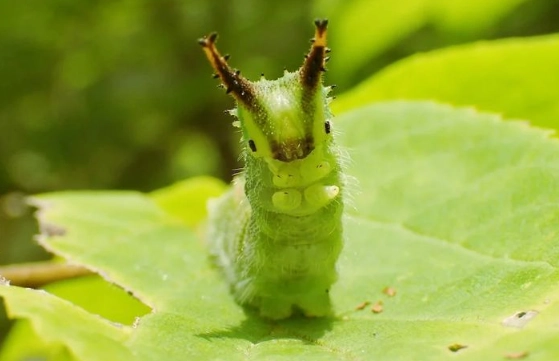
I remember the first time I saw one. I was hiking, and my immediate thought wasn't about its scientific name, it was a much simpler "Wow, cool!" followed very quickly by "Should I be backing up?" There's a lot of confusion and some outright scary stories online about hairy caterpillars. Let's cut through the noise and get the real facts.
Here's the thing. The term "poisonous" gets thrown around a lot with insects, but it's often used incorrectly. When people ask if the Japanese Emperor caterpillar is poisonous, they usually mean one of two things: 1) Can touching it make me sick or give me a rash? or 2) If my dog eats it, will it die? We need to separate those ideas.
Strictly speaking, the Japanese Emperor caterpillar is not "poisonous" in the sense that it contains toxins that will cause systemic poisoning if ingested (like some frogs or plants do). However, and this is a big however, it is often considered urticating. That's the key word you'll want to remember. Urticating hairs or spines are a defense mechanism that can break off and cause skin irritation, rashes, and a painful, itchy sensation. It's a mechanical and sometimes mild chemical irritation, not a full-blown venom injection like a snake.
Meet the Japanese Emperor Caterpillar: More Than Just Fuzz
Before we dive into the itchy details, let's get to know our subject. The Japanese Emperor caterpillar is the larval stage of the stunning Saturnia japonica moth. This isn't some tiny, anonymous bug. The moth is large and beautiful, and the caterpillar lives up to that reputation.
You'll usually find them munching on the leaves of oak, cherry, willow, or chestnut trees. They're most active from late spring through summer. In their later stages (instars), they become real showstoppers.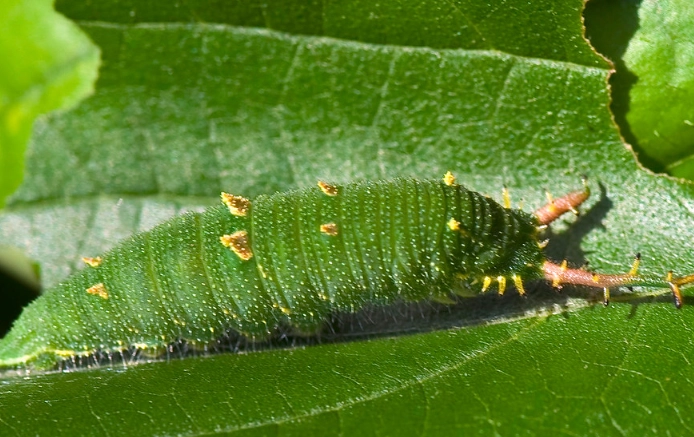
What Does It Look Like? Your Visual ID Guide
Knowing what you're looking at is half the battle. Misidentification causes a lot of unnecessary panic. Here’s a breakdown:
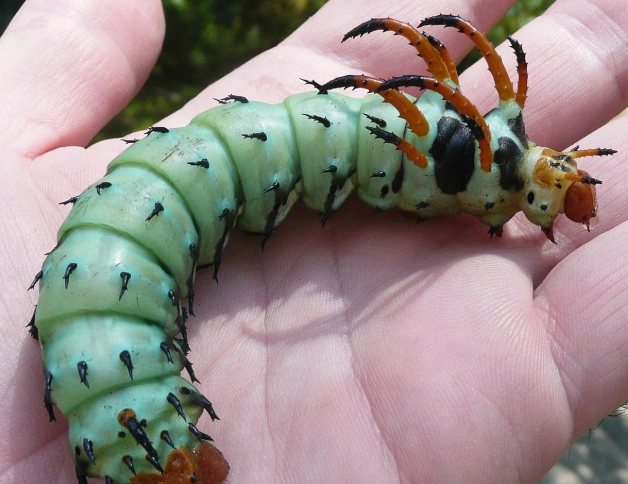
- Size & Shape: It's a chunky fellow. A mature caterpillar can be 3 to 4 inches long, about the width of your thumb. It has a robust, cylindrical body.
- Color Palette: The base color is usually a vibrant lime green or a softer yellow-green. This helps it camouflage incredibly well on leaves.
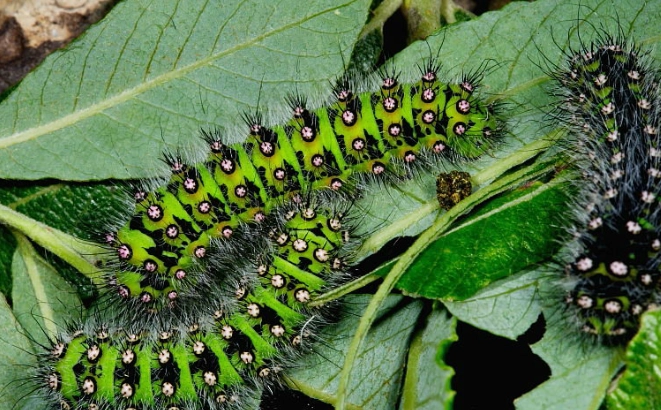
- The Famous "Hairs": This is the main event. Along its body, you'll see prominent clusters of longer, bristly hairs. They're often black or a very dark brown. Between these tufts, the body skin might have smaller, prickly-looking bumps or shorter spines. These are the potential irritants.
- Distinctive Markings: Look for a series of colored spots or tubercles running down its sides. These can be a striking sky-blue, sometimes edged in black or orange, looking almost like little gemstones embedded in its body.
It's a breathtaking creature, honestly. The combination of green, black tufts, and blue spots is unmistakable once you know it. But those good looks are a warning sign in the animal kingdom.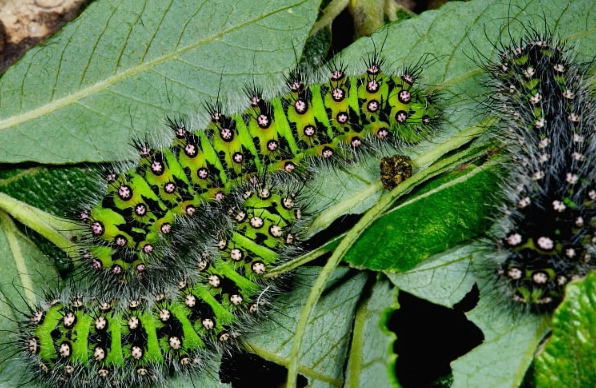
The Real Deal on the "Poisonous" Nature: Irritation vs. Toxicity
Okay, let's get to the heart of the matter. What actually happens if you touch one?
The primary risk from the Japanese Emperor caterpillar comes from its setae – those tiny, hair-like spines that cover its body, particularly the shorter ones among the longer tufts. These spines are barbed and fragile. When something brushes against the caterpillar, these spines can easily detach and embed themselves in skin.
This causes a condition sometimes called caterpillar dermatitis or lepidopterism. It's not unique to this species; many moths and butterflies in the Saturniidae family (the giant silkworm moths) have caterpillars with similar defenses.
What Does a Reaction Look and Feel Like?
Reactions can vary a lot from person to person. Some people might barely feel a thing, while others, especially those with sensitive skin or allergies, can have a stronger response. Here’s a typical progression:
- Initial Contact: You might not feel anything immediately. The spines are microscopic.
- The Itch Begins: Within minutes to a couple of hours, an intense, localized itching starts. It's often described as a prickling or burning itch, deeper than a mosquito bite.
- The Rash Appears: The affected area becomes red and inflamed. You might see a rash of small, raised red bumps (papules) or even tiny blisters (vesicles). The rash often follows the pattern of where you brushed against it – like a line or a patch.
- Duration: The discomfort usually peaks within the first 8-12 hours. The itching and redness can persist for several hours to a few days. In rare cases of more severe reaction or if spines aren't removed, it can last longer.
I had a mild brush with a related species once. It felt like I had fiberglass insulation on my forearm. Not fun. Itched for a good day and a half.
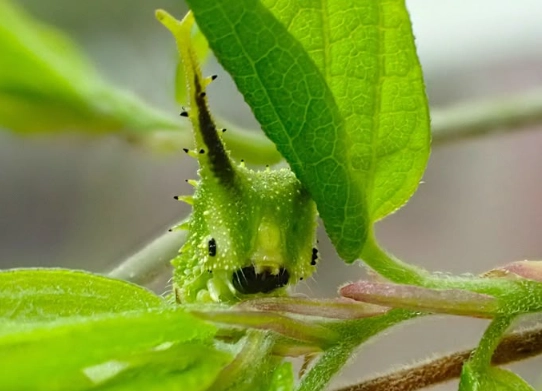
What About Pets? The Dog and Cat Question
This is a huge concern for pet owners, and rightly so. Dogs, in particular, use their noses and mouths to explore. A curious sniff or, worse, a chomp on a Japanese Emperor caterpillar can lead to trouble.
- Oral Contact (Mouthing/Eating): If the spines embed in the gums, tongue, or throat, it causes significant pain, swelling, and drooling. Your dog might paw at its face, gag, or refuse to eat.
- Gastrointestinal Upset: Ingesting the caterpillar can cause vomiting or diarrhea due to the physical irritation of the spines and any secondary compounds.
- Nasal or Eye Contact: Sniffing can get spines in the nose, causing sneezing fits and nasal discharge. Contact with eyes is a veterinary emergency, as it can cause severe conjunctivitis or corneal damage.
Cats are generally more cautious but not immune. The principle is the same. If you suspect your pet has interacted with one, monitor them closely and call your vet for advice. Don't wait for symptoms to get bad.
First Aid: What to Do If You或 Your Pet Touches One
Okay, let's say it happened. Don't panic. Here's a step-by-step guide for dealing with contact from a potentially poisonous Japanese Emperor caterpillar.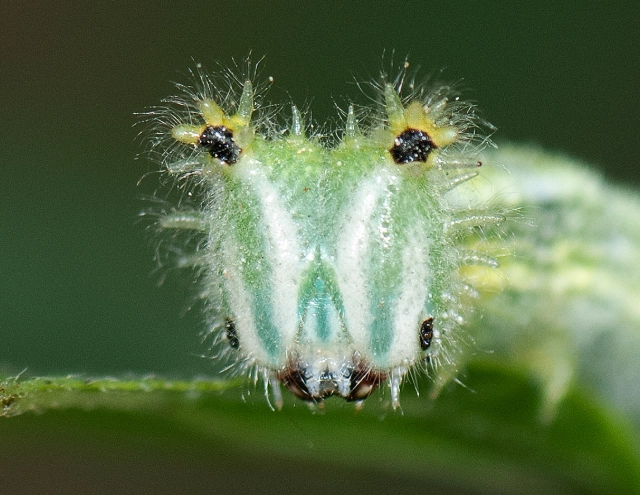
For Humans:
- Don't Rub! This is the most important step. Rubbing or scratching will only break the spines and push them deeper into your skin, spreading the irritant.
- Tape It Up: Take a piece of strong adhesive tape (packing tape, duct tape) and press it firmly onto the affected area. Peel it off gently. This can lift out many of the loose, embedded spines. Repeat with a fresh piece of tape a few times.
- Wash Thoroughly: Wash the area with plenty of soap and cool water. Don't use hot water, as it can open pores and potentially drive spines deeper.
- The Cool Compress: Apply a cool, wet cloth or an ice pack wrapped in a towel to the area. This helps reduce inflammation and soothes the itching.
- Over-the-Counter Relief: An oral antihistamine (like diphenhydramine/Benadryl) can help control itching and allergic response. A hydrocortisone cream or calamine lotion applied topically can also provide relief. Always follow package instructions.
- When to See a Doctor: If the rash covers a large area, shows signs of infection (increasing pain, pus, red streaks), or if you experience any systemic symptoms like trouble breathing, seek medical attention immediately.
For Pets:
- Restrain Safely: Prevent your pet from pawing at its face or rubbing the area, which makes things worse. You may need a helper or gently muzzle a dog (if trained to do so safely) to protect yourself from accidental bites if they're in pain.
- Flush, Don't Rub: If the contact is on the skin, try to gently flush the area with cool water. For mouth contact, offer cool water to drink. Do not try to look inside a distressed animal's mouth if you risk being bitten.
- Call Your Vet: This is your best move. Describe what happened and follow their advice. They may recommend bringing the pet in for examination and treatment, which may include anti-inflammatory medication or antihistamines.
Comparing Caterpillar Risks: How Bad Is It Really?
To put the Japanese Emperor caterpillar's poisonous potential in context, it helps to see where it stands compared to other notorious caterpillars. Not all irritants are created equal.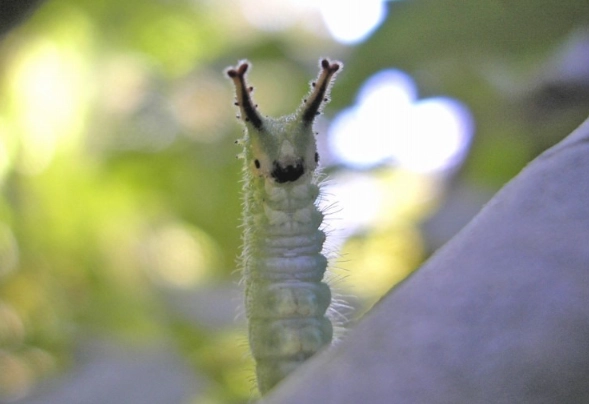
| Caterpillar Name | Typical Reaction Severity | Key Danger | Notes |
|---|---|---|---|
| Japanese Emperor Caterpillar (Saturnia japonica) | Mild to Moderate | Urticating spines causing rash & itching | Painful irritation, but usually not medically dangerous. A "look, don't touch" specimen. |
| Puss Caterpillar (Southern US) | Severe | Extremely painful sting, likened to a broken bone or severe burn. | One of the most venomous caterpillars in North America. Requires medical attention. |
| Saddleback Caterpillar | Moderate to Severe | Potent sting from spines on "horns" and body. | Causes immediate, sharp pain and swelling. Can trigger allergic reactions. |
| Gypsy Moth Caterpillar | Mild | Skin and respiratory irritation from hairs. | Hairs can become airborne, causing rash or breathing issues in sensitive individuals. |
| Monarch Butterfly Caterpillar | None (for touch) | Cardiac glycosides if ingested by predators. | Perfectly safe to handle. Its defense is being poisonous to eat, not to touch. |
As you can see, the Japanese Emperor caterpillar isn't in the top tier of danger like the Puss caterpillar, but it's certainly not harmless like a Monarch. It sits firmly in the "annoying and painful, handle with great care" category.
Safe Gardening and Coexistence: Keeping Your Space Safe
Finding one of these in your garden doesn't mean you need to declare chemical warfare. They are important parts of the ecosystem and turn into magnificent moths. The goal is smart coexistence, not eradication.
- Wear Gloves: This is non-negotiable when doing any gardening work where you might disturb foliage. A good pair of leather or thick gardening gloves will provide a barrier.
- Long Sleeves and Pants: Dress appropriately, especially when pruning or reaching into dense shrubs where caterpillars might be hiding.
- Inspect Before You Grab: Get in the habit of looking at a branch or leaf before you grasp it. It only takes a second.
- Relocation, Not Termination: If you need to move one, never use your bare hands. Gently coax it onto a wide stick or piece of cardboard, or use a container. Move it to another part of your garden or a nearby wild area. They have a strong grip, so be patient.
- Educate Kids: Teach children the "look with your eyes, not with your hands" rule for all caterpillars, especially fuzzy or brightly colored ones. Make it a game of observation instead of touch.
Honestly, I think they're worth having around just for the spectacle. Watching one munch a leaf or eventually find a spot to pupate is a cool nature lesson. You just have to respect its personal space.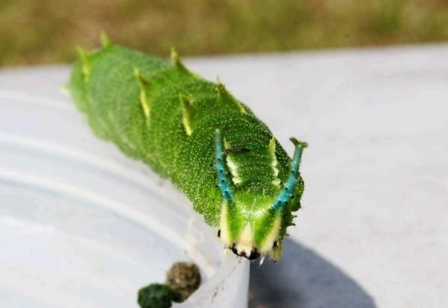
Your Questions, Answered (FAQ)
Your Questions, Answered (FAQ)
Can a Japanese Emperor caterpillar sting kill you?
No. There are no documented cases of a death directly caused by contact with a Saturnia japonica caterpillar. The irritation it causes is localized to the skin. The risk of a life-threatening anaphylactic reaction is theoretically possible for anyone with extreme allergies, but it is exceedingly rare from caterpillar contact alone. The fear of death is vastly overblown by internet lore.
What should I do if I accidentally squished one?
First, wash your hands immediately and thoroughly with soap and water, under the nails too. The spines and body fluids can still contain irritants. Avoid touching your face or eyes before washing. If any got on your clothing, change and wash the clothes separately. The main risk is transferring the irritants from your hands to a more sensitive area.
Are the moths poisonous or dangerous?
No, the adult Japanese Emperor moth is harmless. It has no stingers, biting mouthparts, or urticating hairs. Its entire defense strategy is invested in the caterpillar stage and its camouflaged cocoon. The moth is a gentle giant focused on reproduction.
How can I tell this apart from other green, hairy caterpillars?
The combination of large size, vibrant green body, distinct black tufts, and most importantly, the rows of bright blue or bluish spots along its sides is fairly unique. Many caterpillars have two of these features, but the full package is a strong indicator of Saturnia japonica. When in doubt, take a photo (from a safe distance!) and consult a reliable source like the iNaturalist platform, where experts can help with ID.
Is there an antivenom or specific treatment?
No, because it's not a venom in the true sense. Treatment is purely supportive and symptomatic: spine removal, cleansing, and managing the itch and inflammation as described in the first aid section. There's no special shot or medicine that neutralizes the irritant.
Wrapping It Up: Respect, Don't Fear
So, is the Japanese Emperor caterpillar poisonous? The most accurate answer is that it is an irritant, not a poison. It possesses urticating spines that can cause a nasty, itchy rash upon contact. It's a defensive adaptation, not an offensive weapon. The risk to healthy adults is primarily one of significant discomfort. The risks to children and pets are more concerning due to their thinner skin and behaviors, warranting greater caution.
The narrative shouldn't be one of fear, but of informed respect. These caterpillars are fascinating examples of evolution and natural beauty. Their very appearance—those striking colors and tufts—is nature's way of saying, "I'm defended. Admire me from over there."
We can absolutely appreciate them, photograph them, and even feel lucky to see one without needing to touch it. Keep your gloves on in the garden, teach the kids the rules, and know what to do just in case. That way, everyone—you, your family, and the incredible Japanese Emperor caterpillar—can go about your business safely.
I've learned to give them a wide berth, but I always stop to look. That mix of emerald green and sapphire blue is still one of the most amazing things you can find on a leaf. Just look with your eyes, not your fingers.


Comments
Leave a Comment