Quick Guide
Ever seen a rabbit without fur? It's a sight that makes you do a double-take. They look like little aliens, or maybe tiny, wrinkly hippos. The first time I saw one at a specialty pet show, I couldn't decide if it was the cutest thing ever or slightly unsettling. That's the thing about hairless rabbit breeds – they're conversation starters, for sure.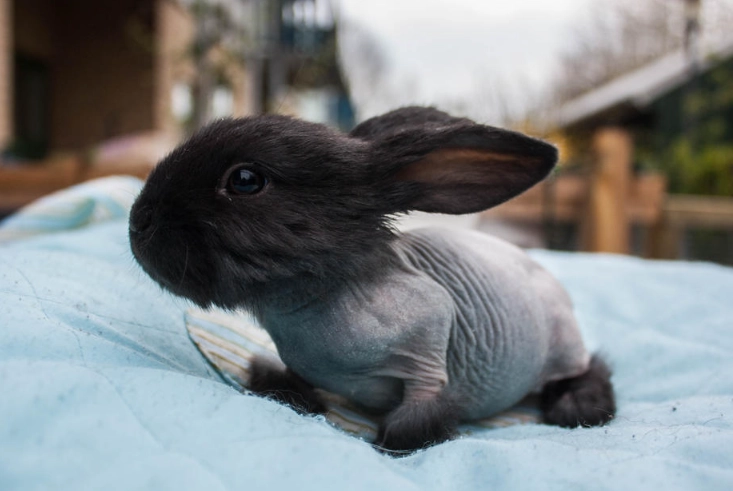
But beyond the unique look, what's it actually like to live with one? If you're searching for "hairless rabbit breed" info, you're probably past the initial shock and curiosity. You're likely wondering about the practical stuff. Can you cuddle it? Is it cold all the time? What on earth do you feed it? And is it even a good pet?
Let's get straight to it. Owning a Sphynx or Skinny rabbit (the two main types) isn't like having a regular fluffy bunny. It's more specialized, more hands-on, and honestly, more expensive. This guide isn't here to sell you on the idea. My goal is to lay out everything—the good, the bad, the weird, and the wonderful—so you can decide if one of these unique creatures fits your life. We'll skip the fluff (pun intended) and dive into the nitty-gritty of care, health, and what you're really signing up for.
The Two Main Players: Sphynx vs. Skinny Rabbits
First off, know that "hairless rabbit" isn't one single thing. There are two distinct breeds, and confusing them is a common mistake. They come from different genetic backgrounds and have different looks.
| Feature | Sphynx Rabbit | Skinny Rabbit |
|---|---|---|
| Origin | Mutation from a Rex rabbit in France (1970s). | Mutation from a Dwarf Hotot in Canada (late 1990s/early 2000s). |
| Appearance | Completely hairless. Skin is loose and wrinkly, like a Sphynx cat. Whiskers are curly or broken. | Mostly hairless, but often has fur on the nose, feet, legs, and sometimes ears. Looks like it's wearing little fur boots and a mask. |
| Genetic Trait | Recessive gene. | Dominant gene. |
| Body Type | Medium to large, muscular build (Rex ancestry). | Smaller, compact dwarf body type. |
| Temperament Note | Often described as "dog-like," very social, seeks warmth and contact. | Can be energetic and playful; the dwarf lineage sometimes brings a feisty streak. |
See the difference? The Sphynx is the completely bald one. The Skinny looks like it forgot to put on its full fur coat. I've found that Sphynxes, because of their total lack of fur, tend to be even more dependent on external warmth and seem to seek out human contact more persistently. Skinnies, with their bit of fur, might be a tiny bit hardier in terms of temperature regulation, but that's not saying much—both are terribly susceptible to the cold.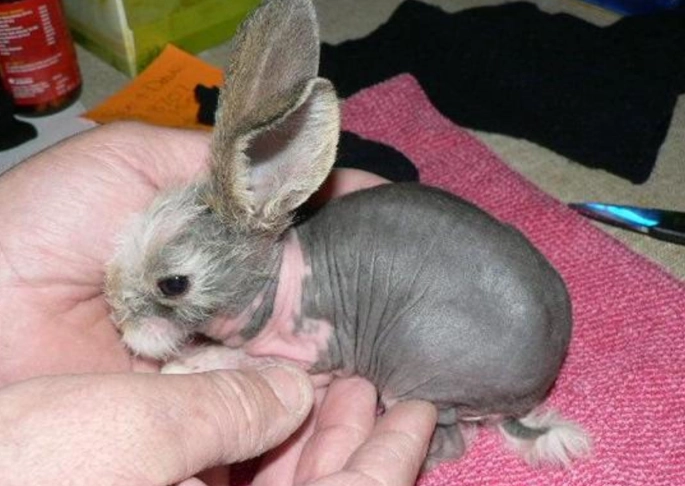
Important: Neither breed is formally recognized by major rabbit breed organizations like the American Rabbit Breeders Association (ARBA). This means you won't find them at standard rabbit shows, and finding a reputable, ethical breeder requires extra digging. They exist in a niche, almost "designer pet" space, which has pros and cons.
The Non-Negotiable Daily Care: It's a Commitment
This is where most guides sugarcoat things. I won't. Caring for a hairless rabbit breed is a significant daily commitment. Forget the "set it and forget it" idea of a rabbit in a hutch. These are high-maintenance pets.
Temperature is Everything
Their number one need. Without fur, they lose body heat incredibly fast. An ideal environment is a steady 75-80°F (24-27°C). Below 70°F (21°C), they start getting cold. Drafts are their enemy.
- Heating Pads/Panels: Must be rabbit-safe (chew-proof cords, low voltage) and always covered with a blanket or towel to prevent direct contact burns. They'll spend most of their time on it.
- Room Heaters: A small space heater for their room is often necessary in winter. Use a thermostat to prevent overheating.
- Sweaters? Yes, seriously. Many owners use small dog or cat sweaters. But supervision is key—they might chew them.
I tried the sweater route with a rabbit I was fostering. He tolerated it for about an hour before deciding it was a delicious snack. It's not a foolproof solution.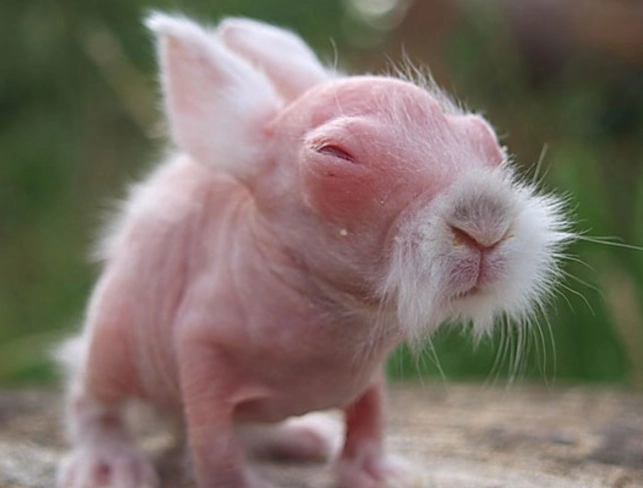
Skin Care, Not Fur Care
You're not brushing them. You're moisturizing them. Their skin can get oily, dry, or flaky. It's a balancing act.
- Bathing: Occasionally needed with a mild, hypoallergenic pet shampoo. Too frequent baths dry them out. Rinse and dry thoroughly and immediately in a warm room.
- Moisturizing: A tiny amount of unscented, hypoallergenic lotion or coconut oil can help with dry patches. Avoid anything with chemicals or perfumes.
- Sunburn! They burn easily. No direct sunlight. If they have outdoor time, it must be in a fully shaded, secure area for very short periods.
Diet: The Engine for Warmth
They have faster metabolisms to generate body heat. This means they need more food than a furred rabbit of the same size.
- Unlimited Hay: Even more critical. Timothy hay should be available 24/7.
- Pellets: A slightly higher quantity of high-quality pellets. Consult your exotic vet for specifics based on your rabbit's weight.
- Fresh Veggies: Important for nutrients. Favorites like romaine, cilantro, and bell peppers are good staples.
I made the mistake of feeding a skinny rabbit the same amount as my dwarf lionhead. The skinny was always hungry, searching for food aggressively. The vet explained the metabolic difference, and increasing his pellets slightly made a world of difference in his energy and contentment.
Health Issues: What to Watch Out For
Let's be blunt. The same gene that makes them hairless can come with other health baggage. Responsible breeders try to minimize this, but the risk is higher.
This isn't meant to scare you, but to prepare you.
- Dental Problems: More common than in average rabbits. Malocclusion (misaligned teeth) seems prevalent. This means yearly dental check-ups with an exotic vet are mandatory, not optional.
- Skin Infections: Cuts, scratches, or even dry skin can lead to bacterial or fungal infections quickly. You have to inspect their skin daily.
- Respiratory Issues: They can be more prone to snuffles (pasteurellosis). Keep their environment clean, dust-free, and at that stable warm temperature.
- GI Stasis Risk: All rabbits are prone to this deadly gut slowdown. The stress of being cold is a major trigger for hairless ones. Keeping them warm is literally a life-saving measure.
Vet Reality Check: You must have an exotic veterinarian experienced with rabbits before you get one. Regular cat/dog vets often lack the specific knowledge. Expect higher vet bills. A study referenced by resources like the Mayo Clinic on pet care costs often places specialty pets like these in a higher annual cost bracket due to their unique needs.
Are They Right For You? The Honest Checklist
Don't get one just because they look cool. Ask yourself these questions honestly.
- Budget: Can you afford the initial cost ($200-$600+), specialized supplies, and significantly higher ongoing food and vet costs?
- Time: Do you have time for daily skin checks, environmental management, and more frequent cage cleaning (their oily skin dirties bedding faster)?
- Home Environment: Is your home consistently warm? Do you have a draft-free room you can dedicate to them?
- Patience: Are you prepared for potential health issues and the learning curve of their care?
- Purpose: Are you looking for an interactive, cuddly companion that needs you, or a more independent pet?
If you answered "no" to any of the first four, a hairless rabbit breed is probably not a good fit. It's okay! There are many wonderful furred rabbits in shelters needing homes.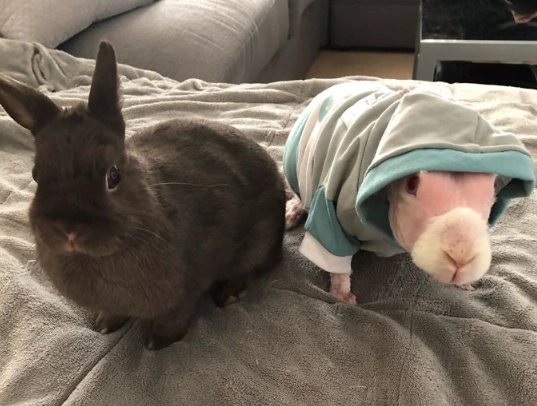
Finding a Hairless Rabbit Breeder: Red Flags and Green Flags
This is the hardest part. Because they're not ARBA-recognized, there's no official breeder list. You have to be a detective.
? Red Flags (Run Away):
- Selling very young kits (under 10-12 weeks).
- Has multiple litters available all the time.
- Won't let you see where the rabbits are kept (parents and kits).
- Cannot provide any health history of the parents (especially regarding teeth).
- Doesn't ask you any questions about your home, experience, or preparedness.
✅ Green Flags (Good Signs):
- Has a waiting list. Good breeders don't mass-produce.
- Welcomes visits, shows clean, spacious setups for their rabbits.
- Provides detailed care sheets and is willing to answer endless questions.
- Asks about your home, your vet, your plans for heating.
- Offers a health guarantee and wants the rabbit returned to them if you can't keep it.
- Is transparent about the breed's challenges and doesn't just sell the "cute" factor.
Your Top Questions, Answered
Q: Are hairless rabbit breeds hypoallergenic?
A: Not completely, and this is a huge misconception. Most rabbit allergies are to a protein in their saliva and skin dander, not just the fur. When they groom, the saliva dries on their skin and becomes airborne. Since hairless rabbits groom themselves just as much (if not more, due to oily skin), they still produce allergens. Some people with mild fur allergies do better, but if you have severe allergies, spend time with one before committing.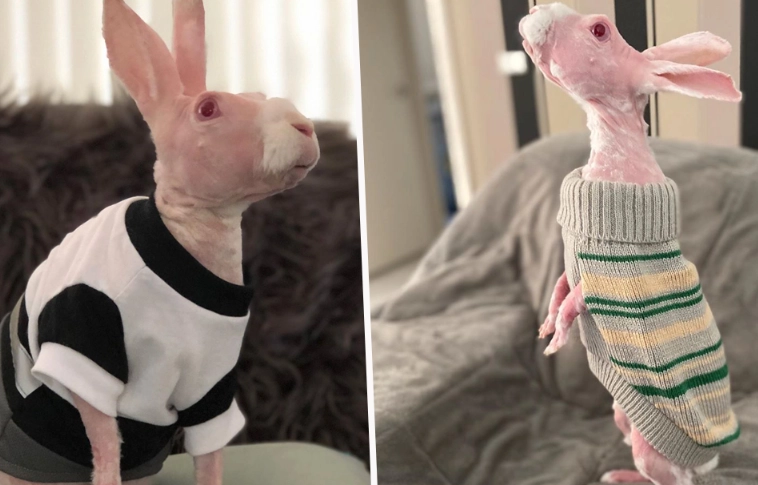
Q: How long do they live?
A: With exceptional care, 7-10 years. Their lifespan is highly dependent on their environment and healthcare. The stress of improper temperature or untreated dental issues can shorten it significantly.
Q: Can they live with other rabbits or pets?
A: With careful, slow introduction, they can bond with another gentle, compatible rabbit. The companion can even provide warmth! However, their skin is easily injured in scuffles. Never house them with cats or dogs unsupervised—a simple scratch can become a serious infection.
Q: How do you clean their living space?
A: More often. Their oil production means bedding (use soft, dust-free paper-based bedding) gets soiled faster. Spot-clean daily and do a full change at least twice a week. Avoid pine or cedar shavings as the fumes can irritate their respiratory system.
Q: Do they like to be held?
A: Often, yes, more than many furred rabbits! They seek body heat. Many owners report their hairless rabbit breed snuggling under blankets with them or sleeping on their lap for hours. But as with any rabbit, trust must be earned. Start slow and respect their boundaries.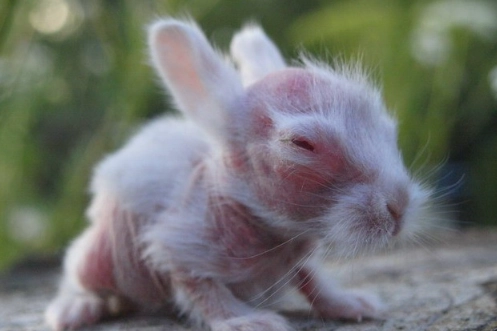
The Final Word
Living with a Sphynx or Skinny rabbit is a unique, rewarding, but demanding experience. It's not for first-time rabbit owners. It's not for someone on a tight budget or with a cold house.
But if you have the resources, the time, and the desire for a truly devoted, interactive, and unusual pet, a hairless rabbit breed can be an incredible companion. They form deep bonds, their personalities are huge, and caring for them successfully is a point of pride.
Just go in with your eyes wide open.
Do your research, find that ethical breeder, line up your exotic vet, and get your heating pad ready. You're not just getting a pet; you're taking on a fascinating, warm-skinned responsibility.




Comments
Leave a Comment