Key Insights
You typed that question into Google, didn't you? Maybe after seeing a wild price tag on a menu or hearing a news snippet about "elver poaching." It sounds almost silly to ask. Of course, every animal has babies. But with eels, it's different. Their life story is one of the ocean's great secrets, wrapped in layers of myth, big money, and genuine ecological mystery. The short, simple answer is a resounding yes. Baby eels not only exist, but they are also at the heart of a global phenomenon that touches on gourmet cuisine, wildlife trafficking, and species survival.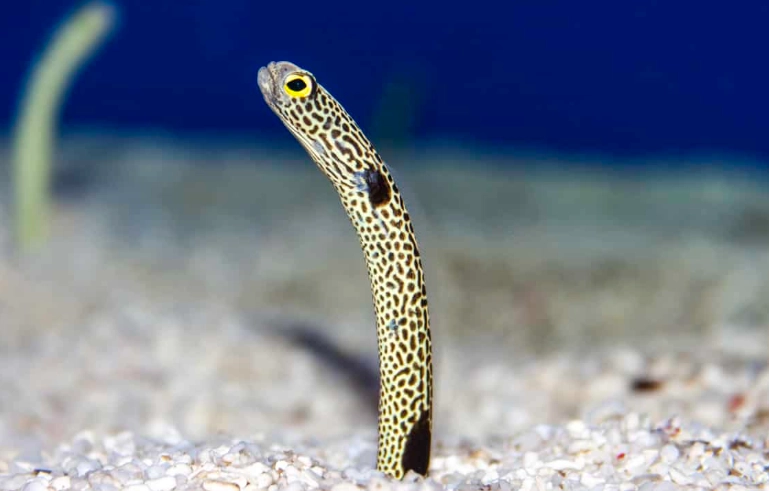
But the long answer... the long answer is where things get incredibly interesting. We're not talking about miniature versions of the snakelike fish you might picture. The journey from birth to your sushi plate (if you're ever that lucky) is an epic saga spanning thousands of miles and radical physical transformations. Let's ditch the textbook tone and talk about what these creatures really are, why everyone from biologists to fishermen to chefs is obsessed with them, and why their future is so precarious.
The Core Truth: When people ask "Do baby eels exist?", they're usually picturing the tiny, transparent, worm-like stage caught in rivers. They are most accurately called glass eels when first entering freshwater, and elvers as they pigment and grow slightly. These are the "baby eels" of commerce and conservation debate.
The Mind-Bending Life Cycle: From Ocean Mystery to River Resident
To understand baby eels, you have to throw out what you know about typical fish reproduction. For centuries, nobody knew where eels came from. Aristotle thought they sprang from mud. It wasn't confirmed until the early 1900s that species like the European and American eel spawn in the same general place: the deep, salty waters of the Sargasso Sea, a region in the North Atlantic Ocean. The adults make a final, one-way migration there to breed and die. Their offspring, leptocephali, are leaf-shaped, transparent larvae that look nothing like an eel.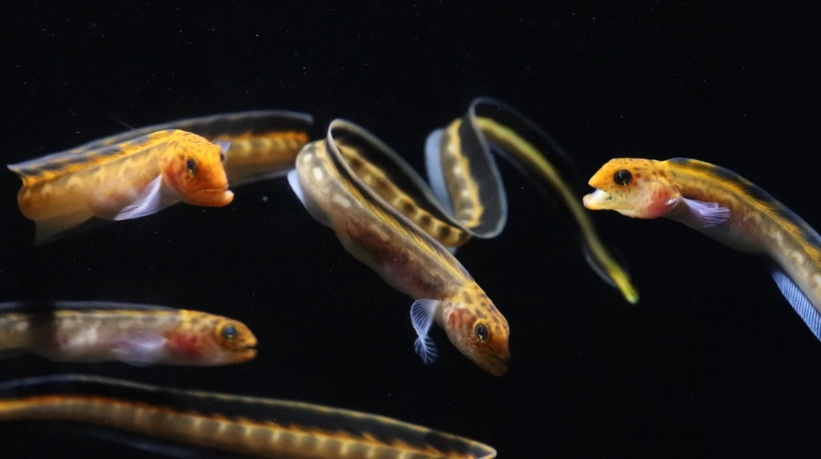
These larvae then embark on a passive journey of months or even years, riding ocean currents back towards the continental shelves. This is where the first major transformation happens. They metamorphose into what we recognize as baby eels.
Glass Eels: The Living Ghosts
This is the stage that answers the visual part of "Do baby eels exist?" for most people. After their long larval drift, the leptocephalus shrinks and reshapes into a tiny, transparent, worm-like creature about 2-3 inches long. You can literally see right through them—their spine and digestive tract are visible. They are called glass eels for this reason. They're not strong swimmers yet, so they rely on tidal currents to push them into estuaries and river mouths. Their bodies are still adjusting from ocean to freshwater.
I remember the first time I saw a photo of a glass eel. I didn't believe it was real. It looked like a delicate glass sculpture, something you'd find in a marine biologist's art project, not a living animal fighting its way up a river.
Elvers: The Pigmented Pioneers
Once the glass eels move further into freshwater and start feeding, they begin to develop pigment. They turn a dark greenish-brown, often with a faint stripe along their side. At this point, they graduate from being glass eels to being elvers. They're still tiny, but now they look more like a classic, miniature eel. This is the stage most often harvested. They're hardy enough to transport but young enough to be easily raised in aquaculture ponds to market size.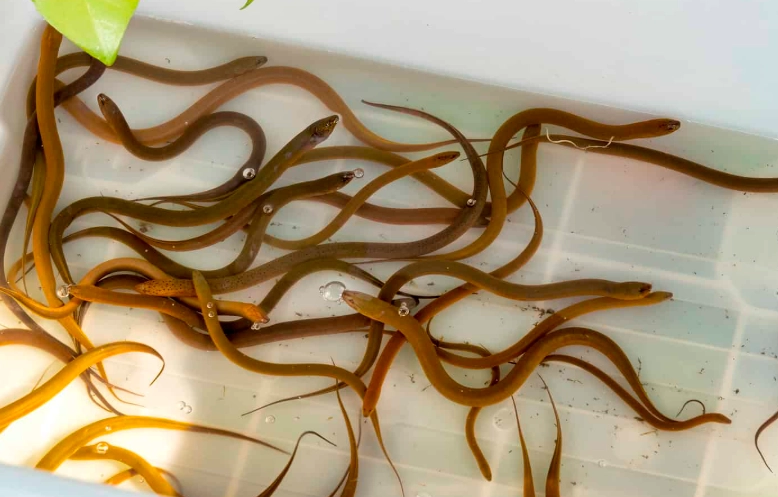
Here’s a quick breakdown to keep these terms straight, because even sources mix them up sometimes:
| Stage | Key Characteristics | Appearance | Primary Habitat | Economic Significance |
|---|---|---|---|---|
| Leptocephalus (Larva) | Leaf-shaped, planktonic | Transparent, laterally compressed | Open Ocean (Sargasso Sea) | None |
| Glass Eel | Post-larval, transitioning to freshwater | Fully transparent, 2-3 inches, worm-like | Estuaries, River Mouths | Extremely High (the start of the harvest) |
| Elver | Juvenile, beginning to feed and grow | Pigmented (dark), still small | Rivers, Streams | Extremely High (the main harvested commodity) |
| Yellow Eel | Growth phase, sexually immature | Yellowish-brown underbelly | Freshwater Lakes/Rivers | Low (local fishing) |
| Silver Eel | Sexually mature, migrating to spawn | Silvery sides, enlarged eyes | Migrating back to Ocean | Protected in most areas |
So when someone wonders if baby eels exist, they're almost certainly asking about the glass eel or elver stage. And that's where the story takes a sharp turn from biology to economics.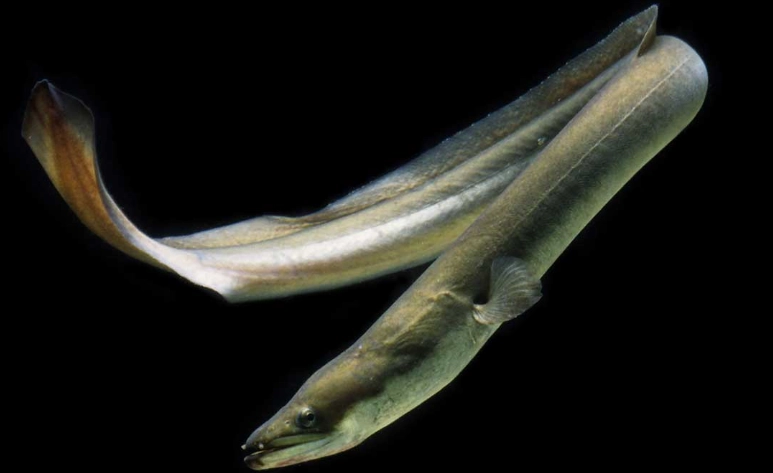
Why Are Baby Eels (Elvers) So Astoundingly Valuable?
Let's cut to the chase. We're talking about a fishery where prices can rival those of illegal drugs. In recent years, elvers have consistently sold for over $2,000 per pound, and in peak seasons, prices have skyrocketed to more than $4,000 per pound. A single, good-sized fishing license holder can catch tens of thousands of dollars worth in a night. Why?
The demand driver is almost entirely one thing: unagi. That delicious, grilled eel served over rice in Japanese restaurants. Japan has a massive cultural appetite for eel, but its own populations (primarily the Japanese eel, *Anguilla japonica*) have crashed due to overfishing, habitat loss, and changing ocean conditions. So, the aquaculture industry that supplies restaurants needs a steady stream of juveniles to raise to maturity in tanks.
The problem? You cannot breed eels reliably in captivity at a commercial scale. Their complex life cycle, requiring a long oceanic migration and specific spawning triggers, has not been fully replicated on a farm. Every single eel on a farm started its life as a wild-caught baby eel—an elver. This creates a total reliance on wild populations. It's a classic, and deeply unsustainable, bottleneck.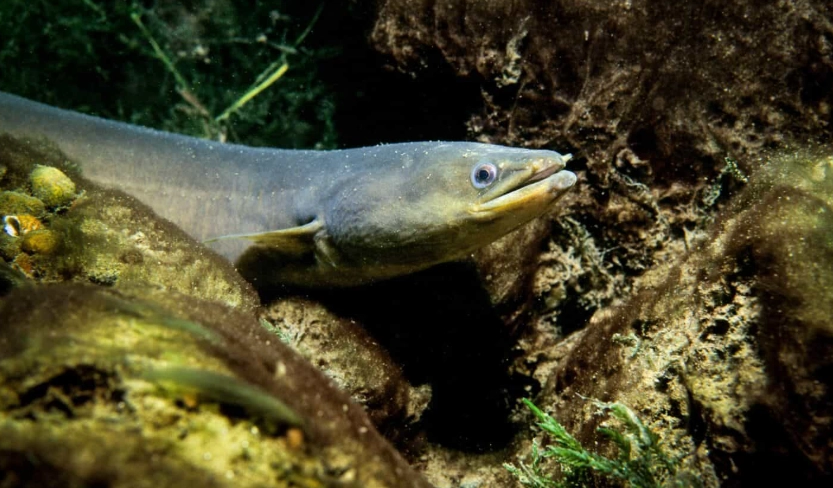
I find this aspect frustrating. We've mastered raising salmon, trout, and bass from eggs, but with eels, we're still essentially mining a wild, declining resource to feed an insatiable market. The technology for closed-cycle aquaculture exists in labs (scientists in Japan have managed it), but it's prohibitively expensive and difficult to scale. So the gold rush on wild elvers continues.
The Dark Side: Poaching, Crime, and Conservation Panic
Where there's high value and a limited, wild resource, crime follows. The elver fishery in places like Maine is notoriously difficult to regulate. A few key factors create a perfect storm:
- High Value, Small Volume: A pound of elvers contains thousands of individuals. A poacher can carry a six-figure haul in a small cooler.
- Nocturnal Activity: Elvers migrate at night, so fishing happens in the dark, away from easy oversight.
- Rural Settings: Fishing happens on remote riverbanks, not centralized ports.
There have been reports of organized crime involvement, armed confrontations on riverbanks, and sophisticated smuggling operations. It's a serious, and sometimes dangerous, business. This black market directly undermines legal, regulated fisheries and conservation quotas designed to protect the species.
A Critical Point: This illegal trade isn't just about stealing a resource. It poses a direct threat to the survival of eel species. Every elver poached is one that won't grow up to contribute to the next generation. With populations already in steep decline, this additional pressure could be catastrophic.
So, when you search "Do baby eels exist?", you're inadvertently tapping into a world of environmental crime and high-stakes conservation. It's not just a quirky biology question anymore.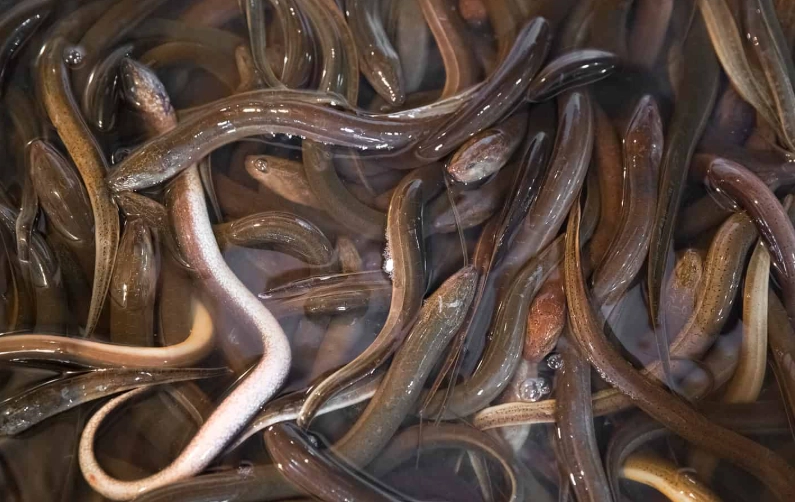
The Conservation Status: Are We Losing Them?
This is the sobering part. The International Union for Conservation of Nature (IUCN) lists the European eel (*Anguilla anguilla*) as Critically Endangered. The American eel (*Anguilla rostrata*) is assessed as Endangered. The Japanese eel is also Endangered. The numbers are alarming. Estimates suggest European eel populations may have declined by over 90% since the 1970s.
The causes are a deadly cocktail:
- Overfishing: Of glass eels/elvers AND of yellow/silver eels.
- Habitat Loss: Dams and culverts that block their migration into inland habitats. A single dam can wipe out miles of potential eel habitat.
- Pollution: Pesticides, PCBs, and other contaminants affect their health and reproduction.
- Climate Change: Shifts in ocean currents (like the Gulf Stream) may be disrupting the delicate journey of their larvae from the Sargasso Sea.
- Parasites & Disease: The introduced swimbladder parasite (*Anguillicoloides crassus*) weakens eels.
Regulations try to help. The European Union has a comprehensive Eel Regulation requiring member states to develop management plans. In the US, the Atlantic States Marine Fisheries Commission (ASMFC) sets quotas for the elver fishery. But enforcement is a constant battle, and the high prices are a powerful incentive to break the rules.
Personally, I think the reliance on wild-caught juveniles is the single biggest threat. Until that bottleneck is broken through reliable aquaculture, the pressure on wild populations will remain intense, no matter how many poachers we catch.
Your Questions Answered: The Baby Eel FAQ
Looking Ahead: The Future of Baby Eels
The existential question isn't "Do baby eels exist?" but "Will they continue to exist?" Their future hinges on a few critical developments:
- Breakthroughs in Aquaculture: The holy grail is a cost-effective, closed-lifecycle farm. Progress is being made, but it's slow. This would take the pressure off wild glass eel fisheries overnight.
- Effective Enforcement & Reduced Demand: Curbing the illegal trade is essential. Some hope also lies in consumer awareness in Japan and elsewhere about choosing sustainable eel or alternatives.
- Habitat Connectivity: Removing obsolete dams and installing effective fish passage is a tangible, positive step that gives eels a fighting chance.
It's a complex puzzle. You have a mysterious animal, a deeply ingrained cultural demand, a lucrative and sometimes criminal market, and a fragile ecosystem. The tiny, transparent glass eel is at the center of it all.
Next time you see unagi on a menu, you'll know the incredible journey behind it. And you'll definitely know the answer to the question: Do baby eels exist? They do—as fragile ghosts of the estuary, as units of economic desire, and as symbols of a conservation challenge we have yet to fully solve.



Comments
Leave a Comment