In This Guide
So, you're looking at a tiny, wriggling, snake-like thing in the water or maybe on your plate, and the question pops into your head: what is a small eel called? It sounds simple, right? But the answer is a perfect little window into one of the ocean's most incredible life stories. It's not just one word. It depends entirely on what you're looking at, where it is in its life, and even who you're talking to. A fisherman, a biologist, and a chef might give you slightly different answers.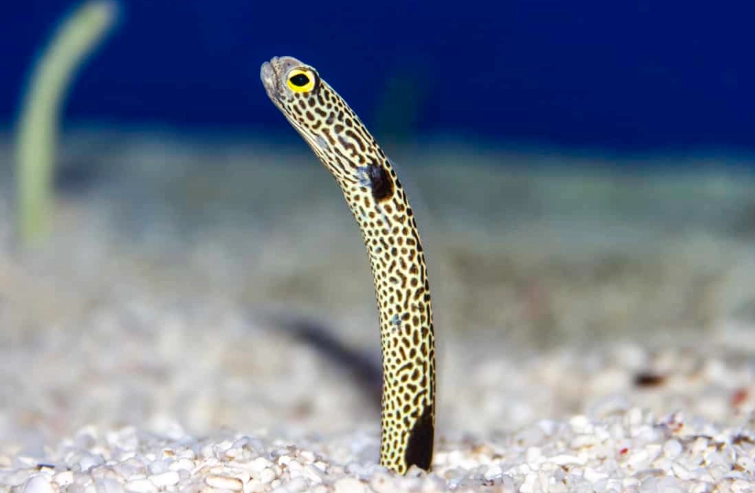
Let's cut to the chase. The most common and correct answer is elver. That's the general term for a young eel that has made it to coastal waters and is starting to look like a miniature version of its parents. But if you want to get technical—and the world of eels is all about technicalities—there's another crucial stage just before that: the glass eel.
Quick Answer: A small eel is most commonly called an elver. However, the transparent, just-arrived-from-the-ocean stage is specifically called a glass eel. "Baby eel" is a casual term that covers both.
I remember the first time I saw a glass eel in a research tank. It was almost invisible. I had to squint and follow the slight, undulating movement against the current to see it. Calling it a "small eel" felt wrong. It was more like a ghost of an eel, a preliminary sketch before the pigmentation was added. That's when I realized answering "what is a small eel called" requires a journey. You have to understand their bonkers life cycle.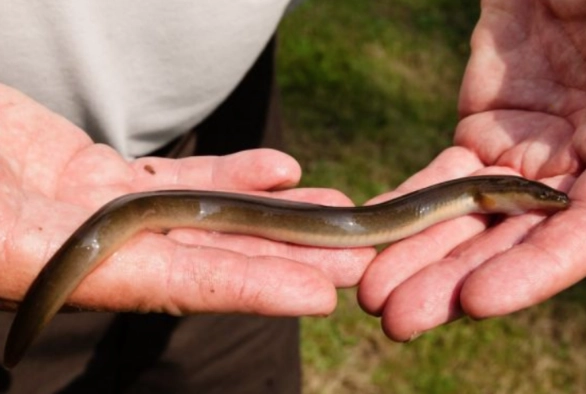
The Eel's Epic Life Cycle: Where the "Small Eel" Fits In
To really get what a small eel is, you need the big picture. Eels like the European (Anguilla anguilla) and American (Anguilla rostrata) are catadromous. Fancy word meaning they're born in the sea, grow up in freshwater, and return to the sea to spawn and die. Their life is a one-way, multi-stage trip of transformation.
The Stages of an Eel's Life
Here’s the breakdown, from birth to the point where we call them a "small eel":
- Leptocephalus: This is the starting point. After hatching in the Sargasso Sea (a vast, calm region of the North Atlantic), the eel is a flat, transparent, leaf-shaped larva. It looks nothing like an eel. It drifts for months or even over a year on ocean currents towards continental coasts.
- Glass Eel: This is the first answer to "what is a small eel called?" As the leptocephalus approaches the continental shelf, it undergoes a massive metamorphosis. It shrinks, becomes cylindrical, and loses its leaf-like shape, turning into a tiny (2-3 inches), completely transparent eel. You can see its spine and organs. It's now a glass eel. It's still in brackish estuary waters, transitioning from salt to fresh.
- Elver: Once the glass eel starts to develop pigment (becoming darker) and actively begins migrating into freshwater rivers and streams, it graduates to being an elver. This is the classic "small eel." It looks like a perfect, miniature adult, just a few inches long.
- Yellow Eel: The long growth phase. The elver grows, becomes yellow-brown on the sides and belly, and spends years (5-20+ years!) living in freshwater, eating and maturing.
- Silver Eel: The adult becomes sexually mature. Its eyes enlarge, its sides turn silver, and its belly turns white. It stops eating and makes the long migration back to the Sargasso Sea to spawn, completing the cycle.
Honestly, the whole process feels like something from a fantasy novel. A creature born in a mythical sea, transforms multiple times, lives a hidden life for decades, and then embarks on a final, fatal journey back to its birthplace. It makes the question "what is a small eel called" feel almost trivial compared to the saga.
So when someone asks what is a small eel called, they're usually pointing at stage 2 or 3: the glass eel or the elver. The table below clears up the confusion between these two key "small eel" stages.
| Feature | Glass Eel | Elver |
|---|---|---|
| Appearance | Fully transparent, "glass-like." Organs and spine visible. | Pigmented (grey, brown, green). Looks like a tiny adult eel. |
| Size | Typically 2-3 inches (5-7.5 cm) long. | 2-4 inches (5-10 cm) long. |
| Life Stage | Early transition from ocean to estuary. Just completed metamorphosis from leptocephalus. | Later transition, actively migrating from estuaries into freshwater rivers and streams. |
| Habitat | Brackish water (mix of salt and fresh) in estuaries, river mouths. | Moving from estuaries into purely freshwater systems. |
| Key Trait | Transparency. It's an adaptation for camouflage during this vulnerable entry to coastal waters. | Pigmentation. Signifies preparation for life in inland waters. |
| Commercial Use | Highly prized in aquaculture (especially in East Asia) for farming. The start of the "baby eel" fishery. | Sometimes used interchangeably with "glass eel" in fisheries, but technically the next stage. |
See? It's not just semantics. Calling a pigmented, river-bound elver a "glass eel" is technically wrong, even though many people do it. Now you know the difference.
Why Does Knowing What a Small Eel is Called Even Matter?
You might think this is just trivia. But the terms "glass eel" and "elver" are at the heart of huge ecological and economic debates.
For starters, these small eels are incredibly valuable. I'm talking thousands of dollars per pound in some years, especially for the European and Japanese species. They're the seed stock for the global eel aquaculture industry. Most of the grilled eel (unagi) you eat in restaurants is farm-raised, starting its life as a wild-caught glass eel or elver. This creates a massive, and often poorly regulated, fishery.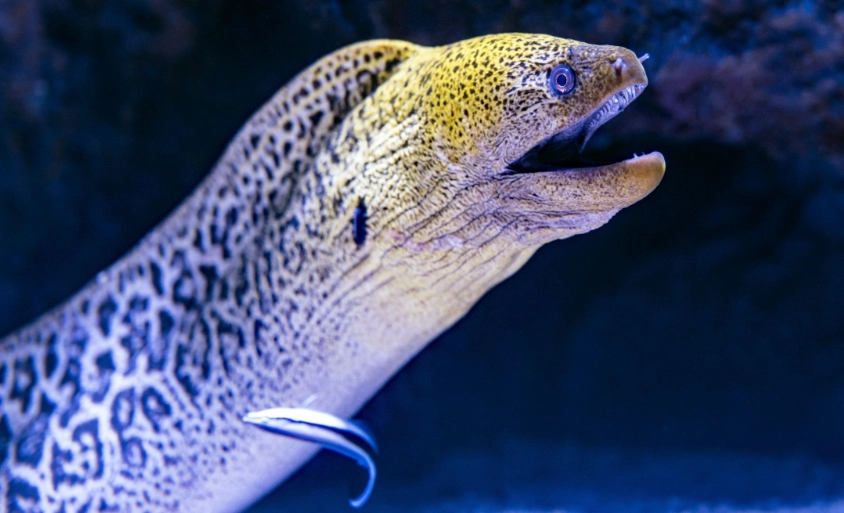
This is where it gets messy. Many eel species, including the European and American eel, are listed as Endangered on the IUCN Red List of Threatened Species. The intense fishing pressure on these vulnerable juvenile stages is a major contributor to their decline. So when you ask "what is a small eel called," you're inadvertently pointing at the most critical—and most threatened—link in the eel's life cycle.
Knowing the terminology also matters for conservation and law. Regulations often specify fishing quotas or bans for "glass eels" or "elvers." If you're a citizen scientist monitoring a river, correctly identifying what you see helps build accurate population data. The U.S. Atlantic States Marine Fisheries Commission (ASMFC) manages American eel populations and sets regulations that distinguish between life stages. Similarly, the European Union has strict catch limits for European glass eels.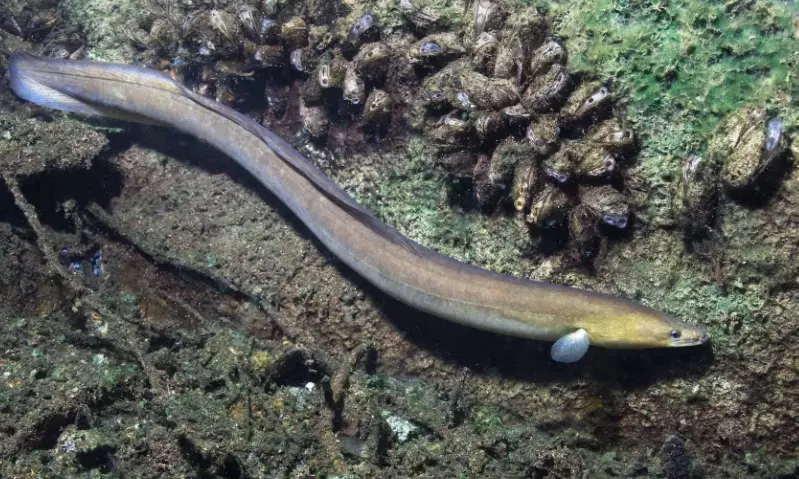
For the average person? It's about being informed. Next time you see a news article about "baby eel" prices hitting record highs or conservationists worried about poaching, you'll know exactly which life stage they're talking about and why it's so crucial.
Common Types of Small Eels (Elvers/Glass Eels)
"Eel" isn't just one thing. There are over 800 species! But when people wonder what is a small eel called, they're usually thinking of the freshwater eels of the genus *Anguilla*. Here are the main players:
- European Eel (Anguilla anguilla) Glass Eel/Elver: Once incredibly abundant, now critically endangered. Their glass eels are a silvery-white color when first caught. The subject of major international conservation efforts and smuggling scandals.
- American Eel (Anguilla rostrata) Glass Eel/Elver: Found along the East Coast of North America. Their population is also declining. The glass eel fishery in Maine is a well-known, and contentious, seasonal event.
- Japanese Eel (Anguilla japonica) Glass Eel/Elver: The backbone of East Asia's eel farming industry. High demand has led to severe overfishing and endangered status.
- Short-finned Eel (Anguilla australis) & Long-finned Eel (Anguilla dieffenbachii): Found in New Zealand and Australia. Their elvers are also collected, though under stricter management now.
But wait, there's more! The term "small eel" could also refer to juvenile stages of other eel-like fish. For example, the young of the moray eel (a completely marine family) are called leptocephali too, and they're also small and transparent. However, they don't have a widespread common name like "glass eel" because they aren't targeted in the same way. People usually just call them "baby morays."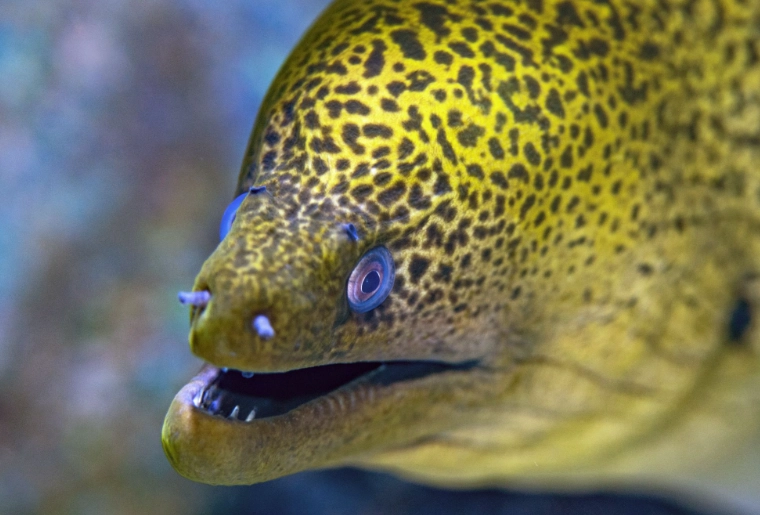
How to Identify a Small Eel (Elver) in the Wild
Let's say you're poking around a rocky stream or estuary and see something small and snaky. Is it an elver? Here’s a quick checklist:
- Size & Shape: Very slender, typically pencil-thin or thinner, and 2 to 4 inches long. A continuous dorsal (back), tail, and anal fin that forms a fringe around the rear half of the body.
- Movement: They don't swim like a fish. They propel themselves with a distinct serpentine or side-to-side wriggling motion, especially noticeable in shallow water or when trying to climb obstacles (yes, some can climb damp surfaces!).
- Color: If it's pigmented (an elver), it will be dark olive, brown, or grey on top, often with a slightly lighter belly. It will not have the bright patterns of a small snake or the fins of a small fish like a minnow.
- Head: Small mouth with noticeable lips. Tiny, almost invisible gill openings. No prominent pectoral fins like a fish.
- Habitat Clue: Finding it in or immediately around freshwater—streams, rivers, creeks, even damp grass after rain during a migration. Glass eels will be in tidal, brackish areas.
If it's transparent like cellophane, you've hit the jackpot—a true glass eel. That's a much rarer sight for most people.
A word of caution. Many people mistake small lampreys (a completely different, jawless fish) for small eels. Lampreys have a circular, suction-cup mouth and lack paired fins and jaws. Look for the mouth first. If it looks like a small suction cup with teeth, it's a lamprey ammocoete (larva), not an elver.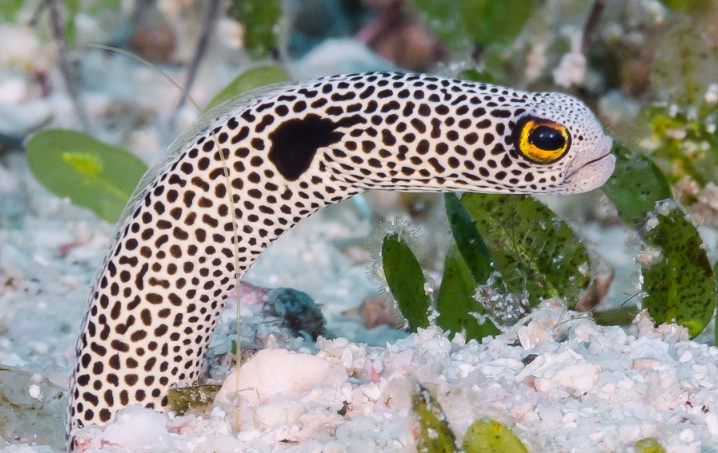
Frequently Asked Questions About Small Eels
We covered this in the table, but to reiterate: It's a progression. All glass eels become elvers, but not all elvers are still glass eels. Glass eel = transparent, newly arrived juvenile. Elver = pigmented, migrating juvenile. The change happens over days or weeks as they move inland.
In common language, yes, "baby eels" often refers to glass eels, especially in a culinary or fishing context (like in Spain, where "angulas" are a famous, expensive tapas dish of sautéed glass eels). Biologically, "baby eel" is a looser term that could include the earlier leptocephalus stage, but nobody fishing for "babies" is catching the leaf-shaped larvae. They're after the glass eel stage.
Yes, but it's complicated. Glass eels (angulas in Spain) are a traditional and extremely expensive delicacy, often sautéed in olive oil with garlic and chili. However, due to the endangered status of the species and sky-high prices, what's sold in many restaurants is now often an imitation made from surimi (processed fish paste). True glass eel dishes are for the very wealthy. Elvers are less commonly eaten directly but are the stock for eel farms, which then raise them to market size for dishes like kabayaki (grilled eel).
Supply and demand, with a side of biology. The demand from Asian eel farms is enormous. The supply is limited because:
- Wild eel populations have crashed.
- We cannot commercially breed eels in captivity from start to finish. The entire farming industry relies on catching wild juveniles. So every single eel farm needs a constant supply of these small, wild-caught glass eels or elvers. That scarcity drives the price through the roof.
Good question. It starts with awareness.
- Be mindful of seafood choices. Ask about the source of eel (unagi) if you eat it. Look for sustainability certifications, though these are complex for eels.
- Support organizations working on eel conservation and habitat restoration, like the Sustainable Eel Group in Europe or river conservation trusts.
- If you live in an area with eel runs, support policies that protect migration routes—removing obsolete dams or installing eel passes (like ladders for eels) can make a huge difference.
- Report poaching or illegal fishing activity to local wildlife authorities.
The Bigger Picture: Conservation of the "Small Eel"
This isn't just about naming a creature. When you ask what is a small eel called, you're touching on a global conservation crisis. The journey of the glass eel and elver is fraught with modern dangers: habitat loss from dams and river barriers, pollution, climate change affecting ocean currents, and of course, overexploitation.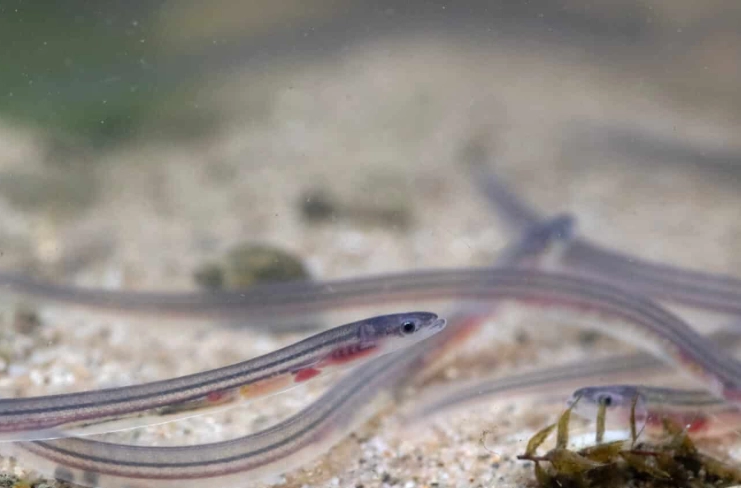
International bodies are trying to act. The Convention on International Trade in Endangered Species of Wild Fauna and Flora (CITES) lists European, American, and Japanese eels, regulating their international trade. The U.S. Fish and Wildlife Service has considered listing the American eel under the Endangered Species Act. The European Union has a comprehensive recovery plan.
But enforcement is tough. The high value leads to black markets and poaching. It's a classic "tragedy of the commons" scenario played out with a mysterious, fascinating fish.
So, the next time someone asks you, "Hey, what is a small eel called?" you can give them the simple answer: an elver. But you can also tell them the richer story—of the glass eel's perilous journey, its economic might, and why this tiny, almost invisible creature holds the key to the survival of its entire ancient species. It's a lot of weight for something so small to carry.



Comments
Leave a Comment