Quick Navigation
Let's talk about rabbit tails. You know, that fluffy little puffball they've got. It's cute, it's a signature part of their look. So, it's completely understandable to feel a jolt of worry when you suddenly notice your bunny's tail isn't so fluffy anymore. A patch of pink skin peeking through, or worse, the whole thing looking thin, scabby, or just plain bald.
I remember the first time I saw a hairless rabbit tail on one of my own bunnies, years ago. My heart sank. I spent a good hour online, falling down rabbit holes (pun intended) of terrifying diagnoses. It's a scary sight for any pet owner.
The thing is, a hairless rabbit tail isn't one specific disease. It's a symptom. It's your rabbit's way of waving a little red flag (or in this case, a pink, skin-colored flag) to get your attention. Sometimes the cause is simple and easy to fix. Other times, it's a sign of something that needs a vet's touch, pronto.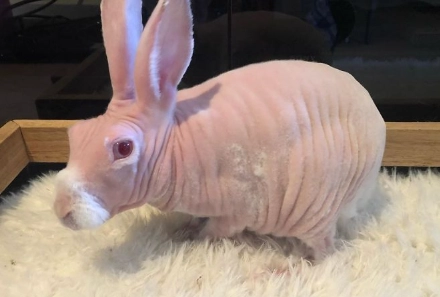
This guide is here to walk you through everything. We'll strip away the panic and look at the facts. What causes a bald spot on a rabbit tail? How do you care for it? When is it a true emergency? Let's get into it.
What's Under the Fluff? Understanding the Rabbit Tail
Before we diagnose problems, let's understand the part itself. A rabbit's tail, or "scut," is more than just decoration. It's a core part of their anatomy and communication.
Underneath that cotton-ball exterior is delicate skin attached to a small bone (the caudal vertebrae). The skin is thin and has a good blood supply. The fur is typically dense and fine, designed for insulation and signaling. When a rabbit flashes the white underside of its tail, it's an alarm signal to other rabbits.
So, when that protective fur coat disappears, the skin becomes vulnerable. It's exposed to drafts, urine scalding (if the tail is dipped in waste), injuries from scratching, and bacterial infections. A hairless rabbit tail isn't just a cosmetic issue; it's a breach in your bunny's first line of defense.
The Usual Suspects: Why is My Rabbit's Tail Going Bald?
Here’s where we break it down. I’ve put together a table to compare the most common culprits. It’s not exhaustive, but it covers about 95% of the cases you’re likely to encounter.
| Cause | What It Looks Like | Other Symptoms | Urgency Level |
|---|---|---|---|
| Fur Mites (Cheyletiella parasitovorax) | Patchy hair loss, often starting at the tail base and back. "Walking dandruff" – you see white, moving flakes on skin/fur. | Itching, flaky skin on back, sometimes mild. | Moderate. Needs treatment but not an overnight ER visit. |
| Fleas | Hair loss from scratching/biting. May see "flea dirt" (black specks) on skin. | Intense itching, red bite marks, restlessness. | Moderate. Can cause anemia in severe cases. |
| Ringworm (Fungal Infection) | Circular, scaly bald patches. Skin may be red and crusty at edges. Can spread to you! | Itching varies. Lesions may appear on face, ears, feet. | High. Contagious to humans and other pets. |
| Over-Grooming (by self or cage mate) | Neatly trimmed or plucked fur, often on the top of the tail. Skin is usually intact, not inflamed. | Excessive fur in cage. If by cage mate, may see grooming behavior. | Low to Moderate. Need to find the stress source (boredom, pain, dental issue). |
| Urine Scalding | Hair loss on underside of tail, back of legs. Skin is red, inflamed, wet, and may smell. | Pain when touched, possible urinary issues (see a vet!). | |
| Abscess or Injury | Localized swelling, pain, heat. Hair loss over the swollen area. May see a wound. | Lethargy, loss of appetite if infected. | High. Abscesses need veterinary drainage and antibiotics. |
| Hormonal Imbalance / Aging | Generalized, symmetrical thinning of fur, not just the tail. Slow onset. | Possible other age-related changes. | Low. A vet check is wise to rule out other causes. |
Looking at that table, you can see why you can't just guess. Mites and ringworm need completely different treatments! Putting a mite medication on a fungal infection does nothing, and vice versa.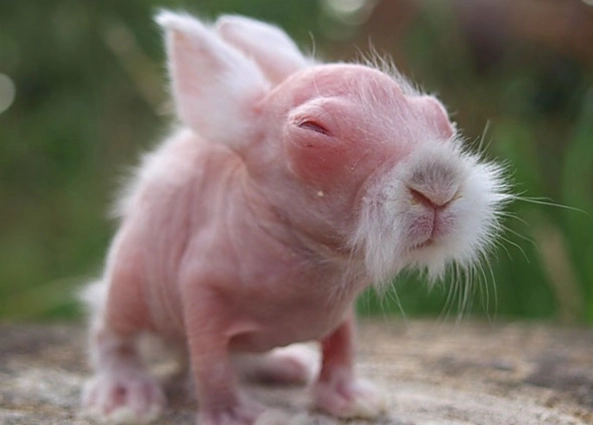
Getting Up Close and Personal: The Home Check
Before you call the vet, do a calm, gentle examination. You're playing detective.
- Get a Helper: Have someone hold your rabbit securely wrapped in a towel, exposing just the tail area.
- Look Closely: Use a bright light. Is the skin pink and healthy-looking? Red and angry? Are there scabs, flakes, or black specks (flea dirt)?
- The White Comb Test: Comb the fur over the tail and back with a fine-tooth comb onto a white paper towel. See any tiny white specks that move? That's likely mites.
- Check for Symmetry: Is the hairless rabbit tail issue only on one side? That often points to injury or a localized problem like an abscess. Is it symmetrical and thin all over? That leans more hormonal or systemic.
This info will be incredibly helpful for your vet.
The Care Guide: What to Do for a Hairless Rabbit Tail
Okay, you've found the bald spot. Your action plan depends entirely on the suspected cause. Let's layer the information.
Immediate First Aid & Comfort Care
Regardless of the cause, the exposed skin needs protection.
- Keep it Clean and Dry: Gently pat the area with a soft, damp cloth if it's soiled. Avoid harsh soaps. Dry thoroughly but gently. Damp skin macerates and gets infected faster.
- Barrier Protection: For raw or red skin, a thin layer of a pet-safe barrier ointment can help. I've used pure, organic coconut oil in a pinch (it has mild antifungal properties), but for anything severe, ask your vet for a proper cream. Avoid human creams unless specifically vet-approved—rabbits groom and ingest them.
- Environmental Control: Make sure the cage is spotlessly clean. Change bedding daily. A dirty environment will infect that bare skin. Provide a soft, clean resting area.
- The skin is broken, bleeding, or oozing.
- There is significant swelling or a lump (abscess).
- Your rabbit is in obvious pain, lethargic, or off its food.
- You see signs of parasites (moving flakes) or suspect ringworm (circular lesions).
- The hair loss is spreading rapidly.
- You see signs of urinary problems (straining, discolored urine) alongside urine scalding.
Veterinary Diagnosis and Treatment Paths
Your vet will likely do one or more of the following:
- Skin Scrape: Checks for mites under the microscope.
- Fungal Culture: Takes a hair sample to grow and identify ringworm.
- Wood's Lamp Exam: Shines a UV light—some ringworm species glow. (Not all do, so a negative doesn't rule it out).
- Physical Exam: Checks teeth for spurs (causing pain and over-grooming), feels for abscesses, assesses overall health.
Treatments are as varied as the causes:
- For Mites/Fleas: Prescription antiparasitic drugs. Never use over-the-counter dog/cat flea products—many are toxic to rabbits. Your vet might use something like Selamectin.
- For Ringworm: Antifungal medication (oral and/or topical) and rigorous environmental decontamination. It's a marathon, not a sprint.
- For Abscesses: Surgical drainage, flushing, and a course of antibiotics. Rabbit abscesses have thick capsules and are notoriously tricky.
- For Urine Scalding: Treat the skin infection and diagnose why it's happening. Is it arthritis preventing proper posture? A urinary tract infection? Bladder sludge? The Merck Veterinary Manual has a good overview of rabbit urinary issues.
The key is treating the root cause, not just the hairless tail itself.
Beyond the Skin: The Behavior and Lifestyle Connection
This is where a lot of basic guides stop. But if you want to truly solve the problem and prevent it from coming back, you have to think bigger.
A hairless rabbit tail from over-grooming is a classic sign of a bored or stressed rabbit. Rabbits are intelligent, active foragers. A life in a small cage with nothing to do is a recipe for neurotic behaviors.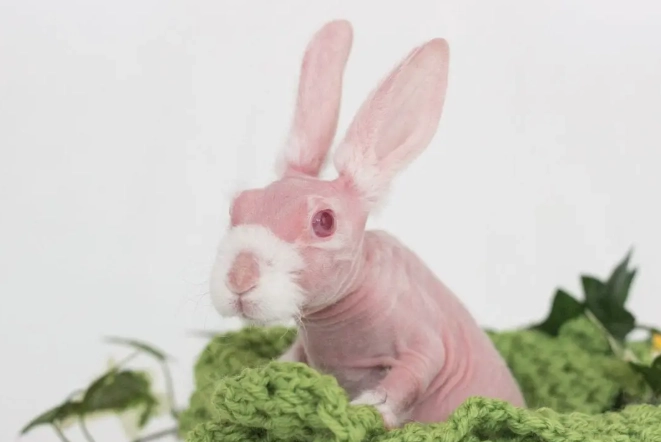
Ask yourself:
- Does my rabbit have enough space? (The House Rabbit Society recommends a minimum of x square feet, but bigger is always better).
- Do they have constant access to hay? (Not just for food, but for the chewing and foraging activity).
- Do they have toys to destroy? Cardboard boxes, phone books, untreated willow baskets.
- Do they get several hours of supervised free-roam time?
- If they are a solo rabbit, are they getting enough social interaction from you? (Consider bonding with another rabbit—it's a process, but often solves loneliness-based grooming).
A happy, engaged rabbit is less likely to create a hairless rabbit tail problem through stress grooming.
Frequently Asked Questions (The Stuff You're Actually Searching)
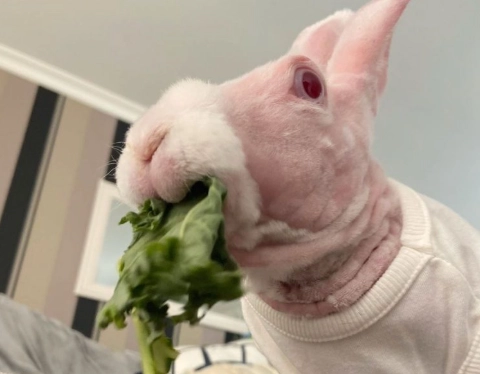
Is a hairless rabbit tail painful for the rabbit?
It can be, depending on the cause. Exposed skin is sensitive. Sunburn, cold drafts, or urine scalding are definitely painful. An abscess is very painful. Mites can be incredibly itchy, which is a form of pain. Even if the initial cause isn't painful, the secondary risks (infection) can become so. Always assume discomfort and act to alleviate it.
Will the fur on my rabbit's tail grow back?
In the vast majority of cases, yes, once the underlying cause is fully resolved. Rabbit fur grows in cycles. However, if the hair follicle has been severely damaged by deep infection, scarring, or repeated trauma, the regrowth in that specific spot might be sparse or take much longer. Patience is key. Good nutrition (plenty of hay, fresh greens, limited pellets) supports healthy regrowth.
Can I use Neosporin on my rabbit's bald tail?
This is a classic question. The general advice from rabbit-savvy vets is to avoid it. Some Neosporin formulas contain an ingredient (polymyxin B) that can be harmful if ingested, and rabbits will groom it off. If you must use something topical before a vet visit, a tiny amount of plain, triple-antibiotic ointment without pain relievers (pain relievers are often toxic) might be okay for a tiny cut, but it's not a treatment for the causes of a hairless rabbit tail. Vet-prescribed ointments are always safer.
My rabbit's tail is bald but the skin looks fine. Should I worry?
Less urgently, but yes, you should investigate. "Fine" skin with no fur often points to over-grooming (by itself or a companion) or the very early stages of something else. Monitor closely. Look for the "confetti" of chewed-off fur in their living space. Try to catch them in the act of grooming it. Rule out dental pain (a molar spur can cause them to groom obsessively in one area). It's a puzzle to solve.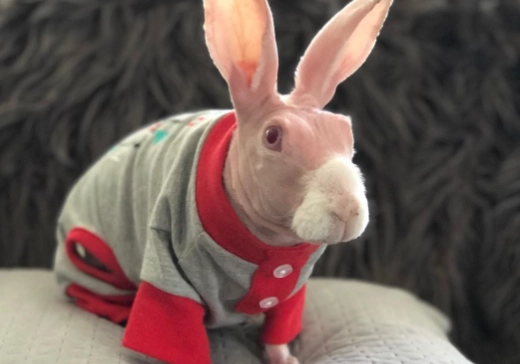
How can I prevent a hairless rabbit tail in the future?
Prevention is all about excellent husbandry and vigilance:
- Bi-Weekly Health Checks: Get hands-on. Feel and look over your entire rabbit, including under the tail, every two weeks. You'll catch problems early.
- Parasite Prevention: Discuss a safe, routine parasite control plan with your vet, especially if you have other pets that go outside.
- Optimal Diet: Unlimited timothy hay (or appropriate hay for age), measured pellets, fresh leafy greens. Good nutrition means healthy skin and fur.
- Impeccable Hygiene: Keep litter boxes and living areas very clean to prevent urine scalding and bacterial build-up.
- Mental & Physical Enrichment: A stimulated rabbit is a healthy rabbit. Boredom leads to stress, and stress manifests in weird ways, sometimes as a hairless patch.
Look, seeing that bare skin can be scary. But armed with this information, you're not powerless. You can move from panic to a plan. Examine, assess, and involve your vet when needed. Your rabbit's tail—and the rest of them—will thank you for it.
The goal isn't just to fix the hairless rabbit tail. It's to understand the "why" behind it and create an environment where it's less likely to happen again. That's what truly great rabbit care is all about.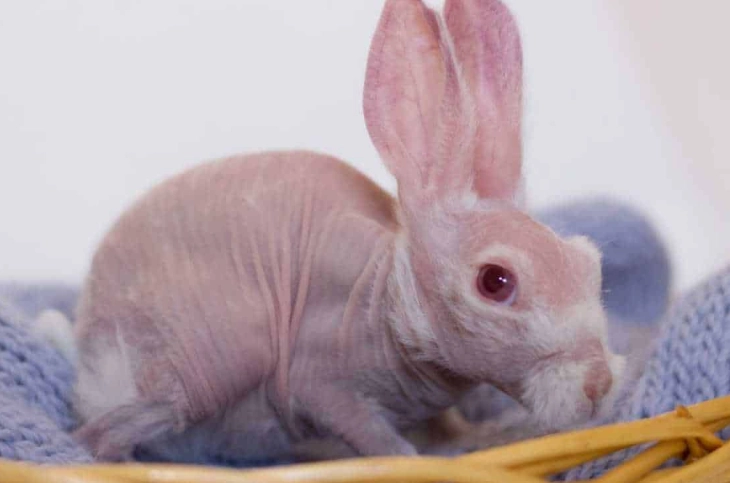

Comments
Leave a Comment