Quick Navigation
- Animals That Are Naturally Hairless (Or Mostly)
- The Famous Hairless Breeds (Mostly Thanks to Us)
- Why Are Some Animals Hairless? The Science of Baldness
- The Biggest Challenges of Being a Hairless Animal
- Thinking of a Hairless Pet? The Real Deal on Care
- Answers to Questions You're Probably Asking
- Final Thoughts: More Than Just a Novelty
Okay, let's talk about hairless animals. I mean, really talk about them. It's not just about Sphynx cats, even though they get all the Instagram fame. The first time I met a friend's Sphynx, I'll admit, I was a bit taken aback. It felt like warm suede, not at all what I expected from a creature with no fur. But that got me thinking—how many other animals are out there, living their best lives completely bald? And more importantly, why are they like that? Is it a genetic glitch, a clever evolutionary hack, or something else entirely?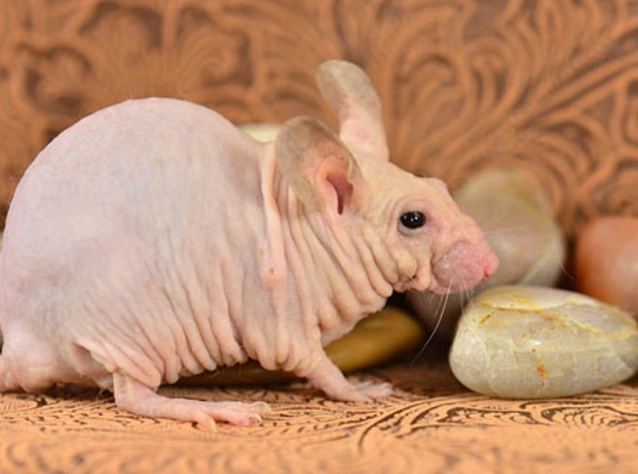
This whole topic is way more fascinating than I first thought. We're going to look at the ones born that way, the ones that lose their hair due to genetics, and even touch on the science of hairlessness itself. If you're considering a hairless pet, stick around. There's a lot more to their care than just keeping them warm, and some of the realities aren't as cute as the pictures.
Animals That Are Naturally Hairless (Or Mostly)
This is the crew that evolution designed without a fur coat. They never had it to begin with, and their bodies are perfectly adapted—sometimes in mind-blowing ways—to a fur-free existence.
The elephant is the classic example, and it's a masterpiece of adaptation. That thick, wrinkled skin isn't just for show. It helps with thermoregulation and moisture retention. They have sparse, bristly hairs, but for all practical purposes, they're hairless animals. Then you've got the hippopotamus. Their skin secretes a natural sunscreen, a reddish fluid that protects them from the brutal African sun. Think about that—they make their own sunblock because they lack the protective fur most animals have.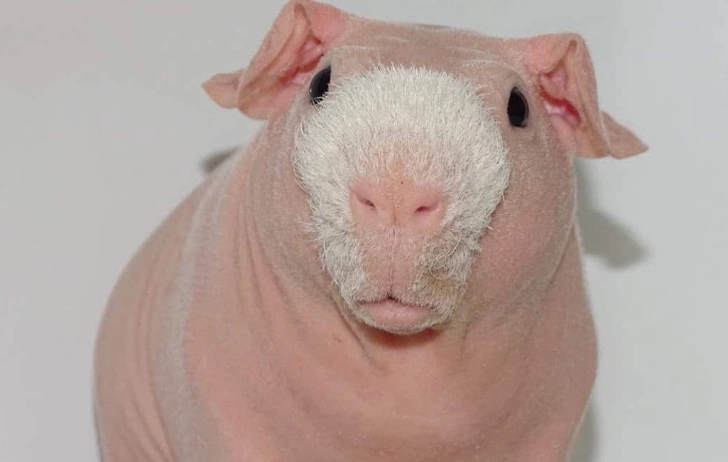
Cetaceans—whales, dolphins, porpoises—are another huge group. Streamlined for aquatic life, fur would create drag, so they traded it for a thick layer of insulating blubber. And let's not forget the naked mole-rat. This guy is a legend. Not only is it hairless (save for a few sensory whiskers), but it's also cancer-resistant, feels no pain from acids, and lives in a eusocial colony like insects. It's one of the strangest, most successful hairless mammals on the planet.
Nature's design choices are rarely accidents.
The Famous Hairless Breeds (Mostly Thanks to Us)
This is where human intervention comes in. Through selective breeding, we've taken natural genetic mutations and turned them into distinct breeds. Some people love them, some find them odd, but you can't deny they're unique.
The Celebrity: The Sphynx Cat
The Sphynx is the poster child for hairless pets. Contrary to popular belief, they aren't always 100% bald. Many have a fine peach-fuzz covering that makes them feel like a warm peach or soft suede. The lack of fur means they have fast metabolisms to stay warm—so they eat more than your average cat. They're also notoriously cuddly and seek out human warmth. But here's the personal opinion part: they require a lot of maintenance. Their skin produces oils that would normally be absorbed by fur, so they need regular bathing to avoid greasy buildup. If you're not up for weekly spa days with your cat, think twice.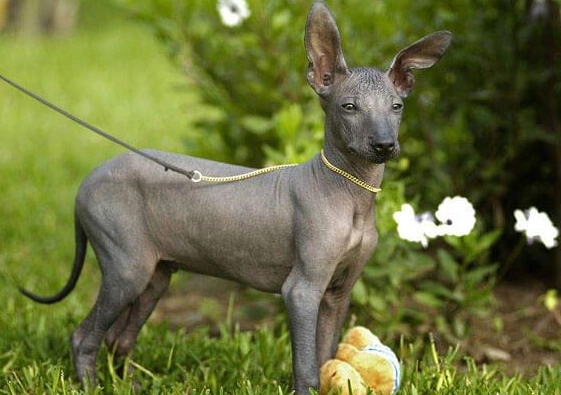
The Ancient Companion: The Xoloitzcuintli
The Xolo (pronounced "show-low") is ancient, dignified, and often misunderstood. This hairless dog breed has been around for over 3,000 years, revered by the Aztecs and other Mesoamerican cultures. They believed the Xolo could ward off evil spirits and guide souls to the underworld. They come in three sizes (toy, miniature, and standard) and are known for their loyal, calm, and alert temperament. Their skin is smooth and tough, and they are generally hardier than the Sphynx when it comes to skin care. I find their historical significance makes owning one feel like caring for a living artifact.
The Wrinkled Wonder: The Chinese Crested Dog
These dogs come in two varieties: the Hairless and the Powderpuff (which has a full coat). The hairless variety has soft, human-like skin on its body with tufts of hair on the head (crest), tail (plume), and feet (socks). They are playful, affectionate, and lively. However, their skin is prone to acne, sunburn, and dryness. You'll become a connoisseur of gentle, hypoallergenic moisturizers if you get one.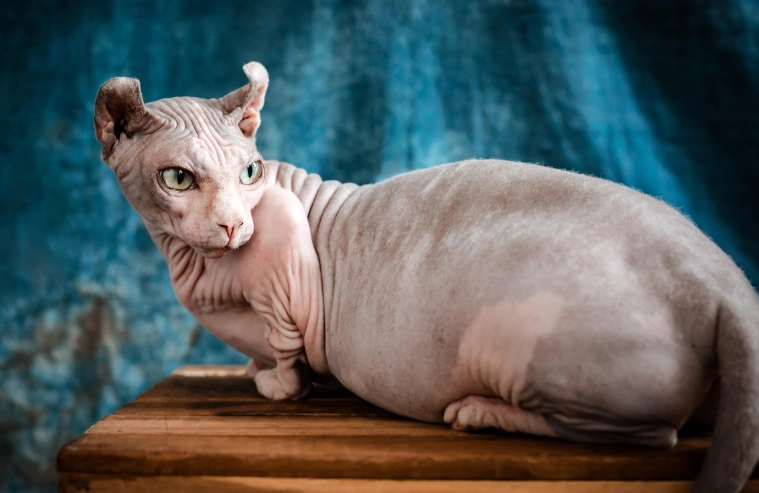
Here’s a quick comparison of these popular hairless pets. It's not exhaustive, but it hits the key points potential owners need to know.
| Breed | Type | Key Temperament Traits | Maintenance Level | Good For |
|---|---|---|---|---|
| Sphynx Cat | Cat | Extroverted, energetic, affectionate, dog-like | Very High (weekly baths, ear cleaning) | Active owners, families, those wanting a social cat |
| Xoloitzcuintli | Dog (3 sizes) | Calm, loyal, alert, reserved with strangers | Moderate (occasional bath, sun protection) | Experienced owners, quieter homes, allergy sufferers |
| Chinese Crested | Dog (Hairless variety) | Playful, affectionate, lively | High (frequent moisturizing, sun/outdoor protection) | Companionship, apartment living, attentive owners |
Looking at that table, it's obvious that "low maintenance" is not a phrase associated with these hairless animals. They trade grooming brushes for bottles of lotion and sunscreen.
Why Are Some Animals Hairless? The Science of Baldness
It boils down to two main reasons: evolution and genetics.
Evolutionary Adaptation: For species like elephants, whales, and naked mole-rats, hairlessness provided a survival advantage. For aquatic mammals, less drag means more efficient swimming. For large land mammals in hot climates (like elephants and rhinos), losing fur helps with heat dissipation. The naked mole-rat lives in stable, hot, humid underground tunnels where fur would be useless for insulation and might harbor parasites. In these cases, being a hairless animal is a direct ticket to better survival.
Genetic Mutation (The ones we breed): For domestic breeds, it's all about a gene. A dominant gene mutation causes ectodermal dysplasia, which affects the development of hair, teeth, and sweat glands. This is the mutation present in Sphynx cats, Xolos, and Chinese Cresteds. Responsible breeders work carefully with this gene because when two hairless animals (both carrying the dominant hairless gene) are bred together, the resulting homozygous offspring often fail to develop properly and die in utero. It's a serious ethical consideration in breeding these pets.
So, is it a bug or a feature? In nature, it's a feature. In our living rooms, it's a bit of both.
The Biggest Challenges of Being a Hairless Animal
Life without a fur coat isn't all cuddles and cute sweaters. It comes with a set of very real physiological hurdles.
- Temperature Regulation: This is the big one. Fur is fantastic insulation. Without it, hairless animals lose body heat rapidly. They get cold easily, which is why you'll see Sphynx cats burrowing under blankets or seeking out sunbeams. Conversely, they are also prone to sunburn and overheating in direct summer sun. Their environment must be consistently temperate.
- Skin Vulnerabilities: The skin is the first line of defense, and without fur, it's exposed. Risks include sunburn, cuts and scrapes, dryness, acne, and fungal or bacterial infections. Regular, gentle cleaning is non-negotiable to remove oil and dirt buildup.
- Higher Metabolism: To generate the heat they can't retain with fur, many hairless pets have faster metabolisms. This means they need more high-quality food. A Sphynx cat's diet, for instance, is crucial and often more demanding (and expensive) than that of a furry cat.
Thinking of a Hairless Pet? The Real Deal on Care
If the challenges haven't scared you off, and you're drawn to the unique charm of a hairless companion, here's what you're really signing up for. This isn't a typical pet care routine.
Climate is Everything
Your home needs to be a stable, warm haven. Think 70-80°F (21-27°C) year-round. Drafty windows in winter? You'll need to fix that. Blazing sun in summer? You'll need blackout curtains or keep them away from direct sunlight. Sweaters and jackets aren't just fashion; they are necessary outdoor gear for dogs like Xolos and Chinese Cresteds in cooler weather. For reliable, science-backed information on pet-safe temperature ranges, the American Veterinary Medical Association (AVMA) is an excellent resource.
Skin Care Routine = Non-Negotiable
Forget occasional brushing. You're on bath duty. A Sphynx might need a bath every 1-2 weeks with a mild, pH-balanced kitten or baby shampoo to prevent oil buildup. After bathing, a light application of pet-safe, fragrance-free moisturizer can prevent dryness. Ears need weekly cleaning as they lack hair to trap wax. For dogs, similar routines apply, with extra focus on paw pads and wrinkles. Sunscreen made for pets with high SPF is mandatory for any outdoor exposure. It's a commitment.
Diet and Health Monitoring
Feed a high-quality, nutrient-dense diet to support that revved-up metabolism. Regular vet check-ups are critical, with a focus on skin health, dental health (as some hairless breeds can have dental issues linked to the same gene), and weight management. Because their skin is exposed, any lump, bump, or sore is immediately visible—which can actually be an advantage for early detection of issues.
I remember talking to a Sphynx owner who said her monthly pet budget was nearly double what she spent on her previous domestic shorthair. It's not just the food; it's the specialty shampoos, lotions, vet visits, and wardrobe.
Answers to Questions You're Probably Asking
Let's tackle some of the most common queries head-on. These are the things people type into Google after they've seen a picture of a wrinkly dog or a bald cat.
Final Thoughts: More Than Just a Novelty
Writing all this down, it's clear that hairless animals are so much more than a quirky internet trend. They are a testament to nature's incredible adaptability—and to the complex relationship we have with domestic animals we've shaped. From the mighty, wrinkled elephant to the tiny, shivering Sphynx kitten, each one has found a way to thrive in its own niche.
Owning one of these unique creatures isn't for everyone. It's a hands-on, involved, and sometimes expensive commitment. But for the right person, the bond can be incredible. There's an intimacy to caring for an animal whose well-being is so visibly and directly tied to your actions. You're not just a pet owner; you're a caretaker in the most literal sense.
So, the next time you see a picture of a hairless cat or dog, you'll see beyond the baldness. You'll see an animal with a fascinating history, specific needs, and a whole lot of personality packed into a uniquely smooth package. The world of hairless animals is strange, challenging, and utterly captivating. Just make sure you're ready for the responsibility before you invite that particular brand of magic into your home.



Comments
Leave a Comment