What’s Inside This Guide
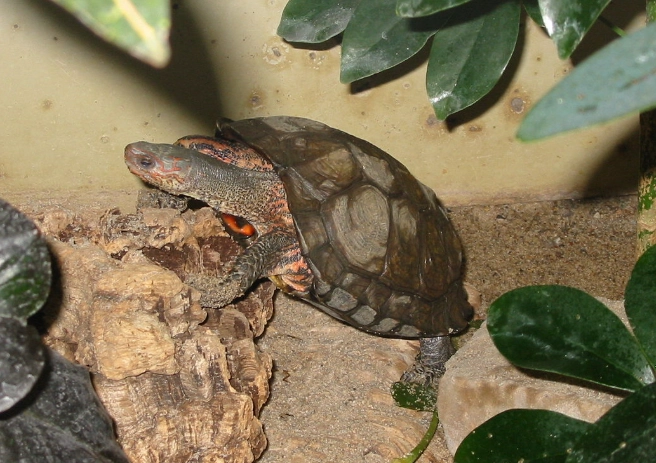
So you're scrolling online or wandering through a reptile expo, and you see this gorgeous little turtle with a dark shell splashed with bright red, orange, and yellow markings along the edges. Its skin is dark with vibrant red and yellow stripes. It looks like a living piece of art, and someone tells you it's called a painted wood turtle. Your first thought is probably, "I want one." I get it, I really do. They're stunning. But before you even think about setting up a tank, you need to know what you're signing up for. This isn't a goldfish. It's a commitment that can last over three decades.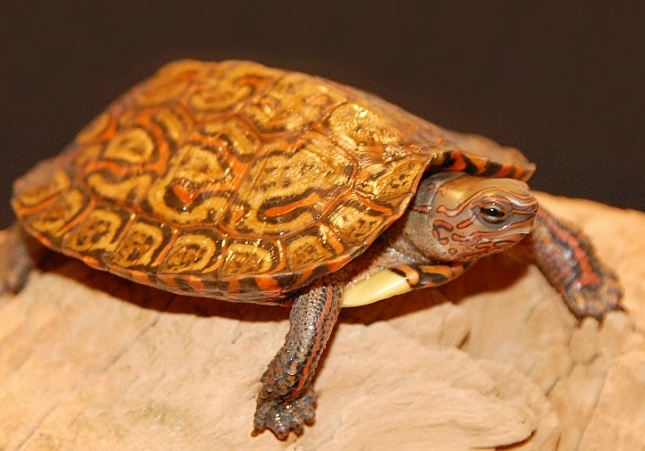
Let's be clear from the start: the painted wood turtle pet journey is incredibly rewarding, but it's not for the casual or unprepared owner. They have specific needs that, if met, result in a healthy, active, and surprisingly personable reptile. If ignored, well, you'll have a stressed, sick animal and a lot of vet bills. This guide is here to walk you through everything—the good, the bad, the messy, and the wonderful—about sharing your life with a North American wood turtle (which is what they are, by the way).
What Exactly is a Painted Wood Turtle?
First, let's clear up the name. "Painted wood turtle" is the common name most often used in the pet trade for a specific, brightly colored variety of the North American wood turtle (*Glyptemys insculpta*). Sometimes you'll see them called "ornate wood turtles." It's crucial to know they are a color morph, not a separate species. The wild-type North American wood turtle is more uniformly colored. The painted morph has been selectively bred for those intense, painterly reds and yellows.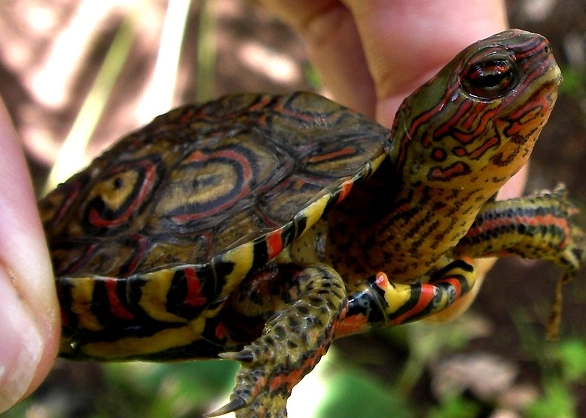
This matters because their core care needs are identical to their plainer cousins. All the information from wildlife biologists applies to your pet. They are a semi-aquatic turtle native to the northeastern United States and parts of Canada, found in forests, meadows, and along slow-moving streams. That "semi-aquatic" part is the key to everything we'll discuss.
Appearance and Size
A full-grown painted wood turtle is a substantial animal. Males can reach shell lengths of 7-8 inches, with females slightly larger, sometimes up to 9 inches. Their most striking feature is, of course, the shell (*carapace*). It's sculpted, with pyramidal ridges on each scute (the individual plates), giving it a rough, almost ancient texture. The background is dark brown or black, and the edges of the scutes are where the famous "painted" colors blaze—fiery orange-red, sunny yellow, or a mix.
The skin is just as dramatic. Their legs and head are black or dark gray, adorned with vivid red, orange, or yellow scales and stripes. No two are exactly alike, which is part of the fun.
Think about that adult size. A 9-inch turtle isn't huge, but it's not small either. It needs space to move. A lot of space.
Temperament and Personality
This is where wood turtles truly shine and why dedicated keepers love them. They are often cited as one of the most intelligent and inquisitive turtle species. In the wild, they've been observed using vibrations to lure earthworms out of the ground. In captivity, they quickly learn to associate you with food and will often come to the front of their enclosure when you approach.
They can be quite bold and less skittish than many aquatic turtles. With gentle, consistent handling (always supporting their body fully), many become quite tame. They're not cuddly, but they show clear signs of recognition and curiosity. You're not just watching a rock with legs; you're interacting with a creature that seems genuinely aware of its surroundings.
Setting Up the Perfect Painted Wood Turtle Habitat
This is the most important part, and where most beginners make their first (and costliest) mistakes. You cannot keep a painted wood turtle pet in a simple fish tank full of water. Their wild habitat gives us the blueprint: they need both water to swim and hydrate in, and land to bask, explore, and dig in. We call this a *paludarium* or semi-aquatic setup.
The Enclosure: Size and Type
Think big. Think really big. For a single adult painted wood turtle, the absolute minimum floor space is a 75-gallon tank, and that's pushing it. Most experienced keepers recommend starting with a 100-gallon (48"x18"x21") or, even better, a 125-gallon (72"x18"x21") aquarium. And for a pair? You're looking at custom-built enclosures or using large stock watering tanks. Some people convert entire indoor pond setups.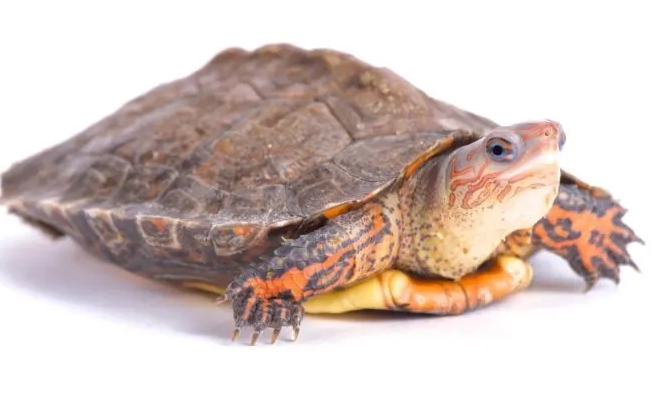
My advice? Don't buy a small tank thinking you'll upgrade later. Start with the adult-size enclosure from day one for a juvenile. It gives them room to grow and saves you money in the long run.
The setup should be roughly 50% water and 50% land. The land area must be solid, stable, and able to hold a deep layer of substrate.
Water Area Essentials
The water section isn't just a puddle. It needs to be deep enough for the turtle to fully submerge and swim. A depth of 1.5 to 2 times the turtle's shell length is a good rule. For an 8-inch turtle, that's 12-16 inches of water.
But here's the kicker: water quality is non-negotiable. Turtles are messy. They eat, poop, and shed in their water. Stagnant, dirty water leads to shell rot, skin infections, and eye problems.
You need a filtration system rated for *at least* 2-3 times the volume of your water section. If you have 40 gallons of water, get a filter rated for an 80-120 gallon *aquarium*. Canister filters are the gold standard here. I use an external canister filter, and it's the best investment I made besides the tank itself.
Heating the water is also crucial. A submersible aquarium heater with a guard (so the turtle doesn't burn itself or break it) should keep the water between 72-78°F (22-26°C). Anything cooler can slow their metabolism and lead to illness.
Land Area and Basking Spot
The land area is their living room and sun porch. It should be built up above the water level using rocks, driftwood, or a commercially available turtle dock. It needs a easy ramp for them to climb in and out. The substrate on land should be something that holds moisture but doesn't stay soggy. A mix of organic topsoil (no fertilizers or pesticides), coconut coir, and cypress mulch works wonderfully. Make it deep—several inches—because wood turtles like to dig and burrow.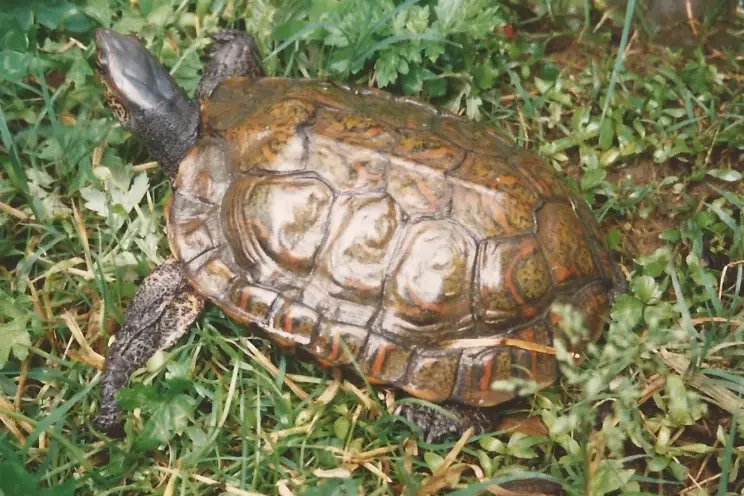
At one end of the land area, you create the basking zone. This is where a dedicated heat lamp and UVB lamp will shine down.
The basking spot itself should be a flat rock or piece of slate under the lamp. The air temperature at the basking spot needs to be a toasty 85-90°F (29-32°C). The rest of the land area can be a bit cooler, around 75-80°F (24-27°C). You'll need a good digital thermometer/hygrometer to monitor these zones.
Lighting, Heating, and Humidity
We've covered the critical UVB and basking heat. The overall ambient room temperature shouldn't drop below 70°F (21°C) at night. You might need a ceramic heat emitter (which produces heat without light) for nighttime if your house gets cool.
Humidity is another sneaky important factor. These turtles aren't desert animals. The land area's substrate should be kept slightly damp (not wet), and the overall enclosure humidity should be around 60-80%. Misting the enclosure daily helps, as does having a large water area. A humidity gauge is essential.
Here’s a quick comparison of filter types, because choosing wrong is a constant headache:
| Filter Type | Best For | Pros | Cons |
|---|---|---|---|
| Canister Filter | Medium to large setups, most painted wood turtle habitats | Superior mechanical & biological filtration, quiet, holds lots of media, out of sight | Most expensive, more complex to clean |
| Power Filter (HOB) | Smaller setups, juvenile turtles only | Affordable, easy to install and maintain | Often underpowered for turtle mess, water flow can be strong |
| Internal Power Filter | Very small temporary setups | Cheap, simple | Poor for turtles, takes up tank space, weak filtration |
| Wet/Dry Trickle Filter | Large, custom-built enclosures or ponds | Excellent biological filtration, highly efficient | Very expensive, large, requires plumbing |
Honestly, just budget for a good canister filter. It will save you endless water changes and worry about water quality for your painted wood turtle pet.
Feeding Your Painted Wood Turtle: Diet and Nutrition
In the wild, North American wood turtles are opportunistic omnivores with a surprisingly varied diet. They eat worms, slugs, insects, berries, leaves, mushrooms, and even carrion. Replicating this variety is the secret to a healthy captive diet. A monotone diet of just commercial turtle pellets is a one-way ticket to nutritional deficiencies.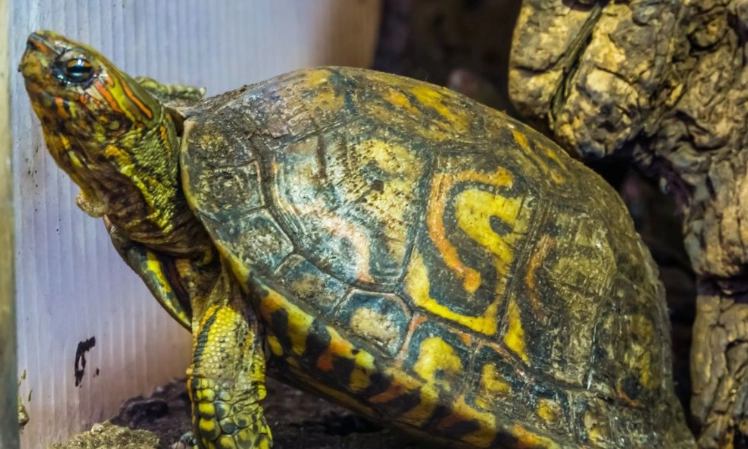
The Balanced Diet Breakdown
A good rule of thumb for an adult painted wood turtle is about 50% animal protein and 50% plant matter. Juveniles need more protein for growth—closer to 70/30.
Animal Protein Sources:
- Live/Frozen Foods: Earthworms (nightcrawlers are a favorite), crickets, dubia roaches, silkworms, snails (from safe sources), frozen/thawed bloodworms or mysis shrimp.
- Lean Meats: Occasional bits of cooked, unseasoned chicken or fish (like tilapia).
- Commercial Foods: High-quality, low-fat turtle pellets or amphibian/reptile pellets should be a supplement, not the main course. Soak them first.
Plant Matter Sources:
- Leafy Greens: Collard greens, dandelion greens (untreated!), mustard greens, endive, escarole. Avoid spinach and kale as staples due to oxalates.
- Vegetables: Grated squash, sweet potato, carrots, bell peppers.
- Fruits: Treats only! Berries, melon, apple (no seeds), banana. Too much fruit causes diarrhea.
- Aquatic Plants: Duckweed, water hyacinth (if legally obtained), anacharis. They can graze on these in their water area.
I like to make a "salad" a few times a week: a base of chopped greens, some grated veg, a few berries, and a sprinkle of calcium powder. Then on other days, I offer protein. Variety is key.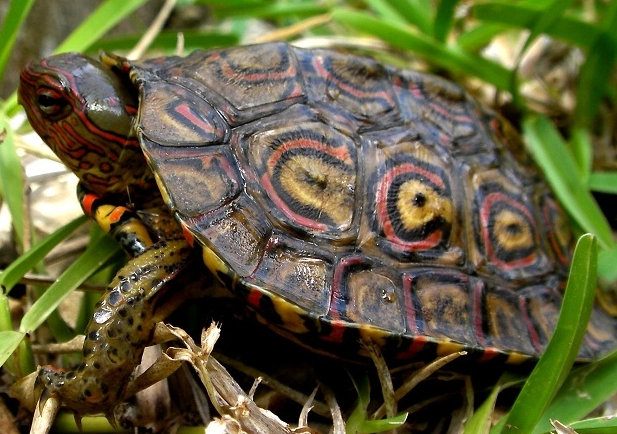
Feeding Schedule and Supplements
Feed adults 3-4 times a week. Juveniles can be fed daily or every other day. Offer an amount of food roughly the size of the turtle's head. Overfeeding is a common problem leading to obesity and pyramiding (abnormal shell growth).
Supplements are mandatory. You need two:
- Calcium Supplement (without Phosphorus): Dusted onto food 2-3 times a week for adults, more for juveniles and gravid (egg-carrying) females.
- Multivitamin Supplement: Used once a week, following the product instructions.
Remember, the UVB light lets them use this calcium. No UVB + calcium supplements = useless.
Health and Common Issues
A well-cared-for painted wood turtle can live 30, 40, even 50 years. The main health problems almost always stem from poor husbandry: wrong diet, dirty water, incorrect temperatures.
Signs of a Healthy Turtle
- Clear, bright eyes with no swelling or discharge.
- A firm shell without soft spots, pits, or discolored patches. The shell should feel solid, not flexible.
- Active and alert, especially when approached (they may retreat, which is normal).
- Strong appetite.
- Clean nostrils and no bubbles or mucus from the mouth/nose.
Common Health Problems to Watch For
Shell Rot (Ulcerative Shell Disease): This starts as small pits or soft, discolored (often white, pink, or black) spots on the shell. It's a bacterial or fungal infection usually caused by poor water quality or injuries. It needs veterinary treatment with antibiotics and aggressive habitat cleanup.
Respiratory Infections: Symptoms include wheezing, bubbles from the nose or mouth, lethargy, swimming lopsidedly, and lack of appetite. Often caused by temperatures that are too cold or drastic fluctuations. Requires a vet for antibiotics.
Metabolic Bone Disease (MBD): The slow-motion disaster. Caused by lack of UVB and/or dietary calcium. Early signs include soft shell, swollen jaw, and lethargy. Advanced stages involve severe shell deformities, fractures, and paralysis. Prevention is 100% the only good option.
Parasites: Internal parasites (worms, protozoa) are common, especially in wild-caught or recently imported turtles. Symptoms include diarrhea, weight loss despite eating, and lethargy. A fecal exam by a reptile vet can diagnose this.
Eye Infections: Swollen, shut, or puffy eyes, often with discharge. Can be from vitamin A deficiency (feed those greens!) or, again, dirty water.
The bottom line?
Find a qualified exotic animal veterinarian who has experience with turtles before you have an emergency. Regular check-ups are a good idea. The Association of Reptilian and Amphibian Veterinarians (ARAV) has a "Find a Vet" tool on their website, which is an invaluable resource.
Behavior, Handling, and Enrichment
Your painted wood turtle pet is smarter than you think. They benefit from mental stimulation.
Handling
Always handle gently and with both hands, supporting the entire body. Never pick them up by the sides of their shell; it's uncomfortable and can damage them. Limit handling to necessary activities like tank cleaning or health checks. While some become quite tame, they are not dogs and can get stressed by too much interaction. Always wash your hands before and after—for your safety and theirs (Salmonella is a real, though manageable, risk with all reptiles).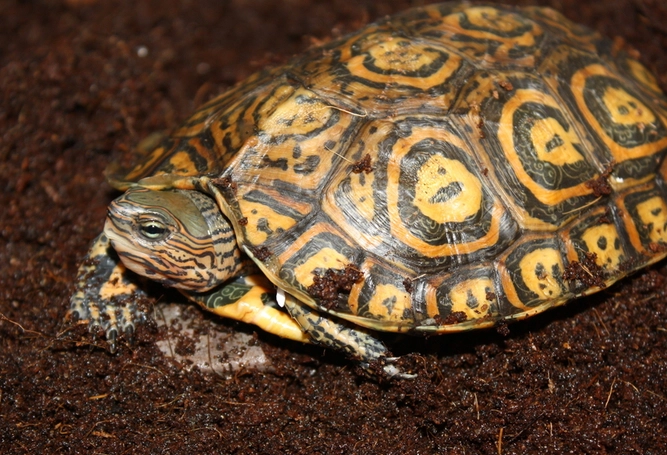
Enrichment Ideas
- Foraging: Hide worms or bits of food in their land substrate or in piles of leaf litter for them to find.
- Terrain: Add flat rocks, cork bark tunnels, and driftwood to create a complex landscape to explore.
- Water Features: A gentle bubbler or air stone in the water provides interest and helps with oxygenation.
- Novel Foods: Offering a new, safe food item occasionally sparks curiosity.
Breeding Painted Wood Turtles
This is an advanced topic, but many owners are curious. Breeding should only be attempted if you have the space, resources, and a plan for the offspring (which can be difficult to place). It requires simulating a winter cooling period (brumation) under controlled conditions, which carries risk. Females will lay eggs even without a male, so providing a deep, moist nesting box in the land area is important to prevent egg-binding.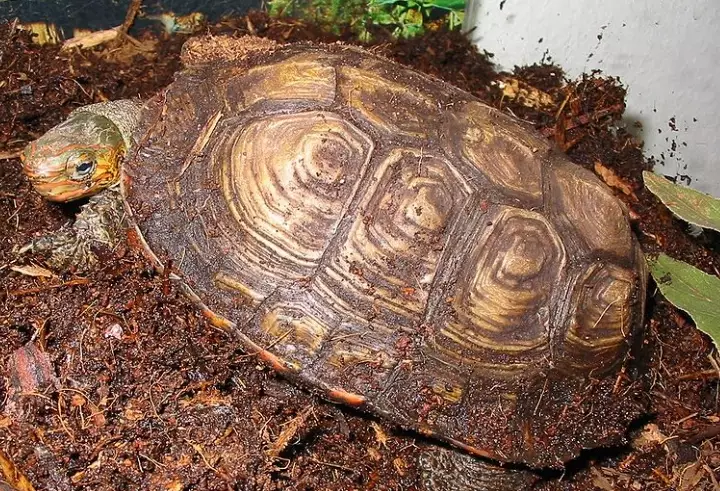
If you are interested in conservation, note that the North American wood turtle is considered a species of special concern or threatened in many parts of its native range due to habitat loss and collection. The IUCN Red List assesses its status. Responsible captive breeding can help reduce pressure on wild populations, but it must be done ethically.
Frequently Asked Questions (FAQs)
Final Thoughts: Is a Painted Wood Turtle Pet Right for You?
Let's sum it up with a brutally honest checklist.
You might be ready for a painted wood turtle if you:
- Have the space and budget for a very large tank (100+ gallons), a powerful canister filter, high-quality lights, and all the accessories.
- Are committed to weekly maintenance: filter cleaning, water testing, substrate spot-cleaning.
- Are willing to source and provide a varied, fresh diet.
- Understand this is a multi-decade commitment.
- Have access to an exotic vet.
- Want a pet to observe and interact with on its terms, not a cuddly companion.
You should reconsider if you:
- Want a low-maintenance, "set it and forget it" pet.
- Are on a tight budget (initial setup can easily exceed $1000).
- Want a pet you can frequently handle and carry around.
- Don't have room for a massive enclosure.
- Are unprepared for the reality of cleaning turtle waste from a filter.
The painted wood turtle is a magnificent, intelligent, and engaging creature. Bringing one into your home is a serious undertaking, but for the right person, the rewards are immense. You're not just keeping a pet; you're creating a slice of a streamside forest ecosystem and becoming the steward of a fascinating, long-lived animal. Do your homework, set up the perfect habitat first, and then find your captive-bred turtle. That's the recipe for a successful, decades-long friendship.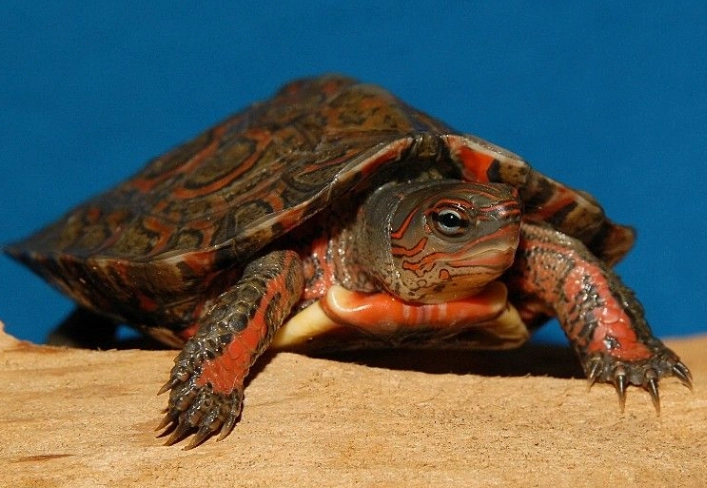
Got more questions? Dive deeper into care sheets from trusted sources like the Tortoise Trust or forums dedicated to North American turtle species. The more you know before you bring one home, the better life you'll provide for your potential painted wood turtle pet.




Comments
Leave a Comment