Quick Guide
- More Than Just a Bald Dog: Unpacking the History and Names
- So, What Does a Peruvian Hairless Dog Actually Look Like?
- The Real Talk: Living with and Caring for a Hairless Dog
- Health Considerations: Being Proactive is Everything
- The Hypoallergenic Question: Let's Be Honest
- Finding a Peruvian Hairless Dog: Breeder or Rescue?
- Peruvian Hairless Dog vs. Other Hairless Breeds
- Your Questions, Answered (The Real Ones People Ask)
- Final Thoughts: Is a Peruvian Hairless Dog Right for You?
I still remember the first time I saw one in person. It wasn't at a dog show; it was at a friend's apartment in Lima. This elegant, warm-skinned creature curled up next to her on the couch, looking less like a typical pet and more like a living piece of pottery. That was my real introduction to the Peruvian hairless dog, or as many locals call it, the Peruvian Inca Orchid. It's a breed that stops conversations and turns heads. But what's it actually like to live with one? That's a much longer story, and it goes way beyond the "hypoallergenic" label everyone throws around.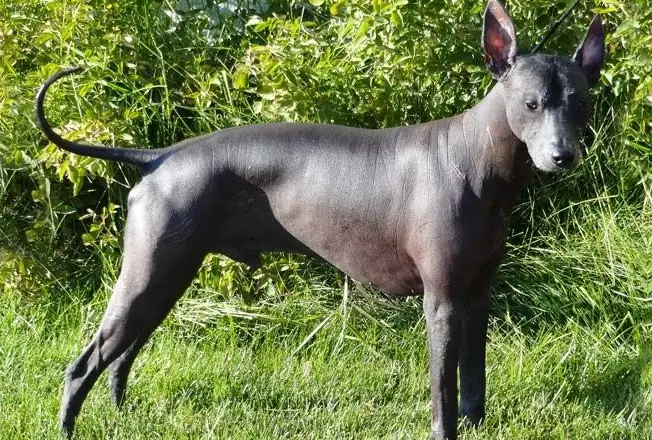
Let's get the obvious out of the way. Yes, they're hairless. Well, most of them. That's the first twist. But the lack of fur is just the starting point for understanding this ancient, sensitive, and deeply affectionate breed. Owning one isn't like owning a Labrador. It's a commitment to a very specific kind of canine companionship, full of unique joys and some very particular challenges. If you're just looking for a low-shedding dog, you might find yourself in over your head. But if you're fascinated by canine history and ready for a deeply bonded, tactile relationship with a pet, you're in the right place.
More Than Just a Bald Dog: Unpacking the History and Names
Calling this dog just "hairless" feels like calling the Sphinx just a big statue. It misses the depth. The breed's history in Peru stretches back over a thousand years, depicted on Moche and Chimu pottery. They weren't just pets; they were believed to have medicinal and spiritual warmth. The story goes that their warm bodies were used to alleviate arthritis and stomach pains. I'm not sure I'd use my dog as a heating pad for a stomach ache, but it shows how integrated they were into life.
The name game is confusing. "Peruvian hairless dog" is the direct, descriptive name. "Peruvian Inca Orchid" (PIO) is the more poetic name adopted by the AKC. Some say it's because their skin is as delicate as an orchid flower. Others say it's because they were found among Inca ruins. Frankly, I think "Orchid" sets some unrealistic expectations. Orchids are notoriously fussy to care for, and while these dogs need specific care, they're hardier than that nickname implies. The American Kennel Club's breed standard uses the "Orchid" name, while the FCI standard sticks with "Peruvian Hairless Dog." For this article, I'll use both, because you'll see both in your search.
The Two Varieties: Hairless vs. Coated
Here's a fascinating genetic quirk. The hairlessness is caused by a dominant gene. But if a puppy inherits two copies of that gene, it dies in the womb. So, to get viable hairless puppies, breeders must mate a hairless dog with a coated one. This means every litter has both hairless and coated puppies. The coated ones, with their short, smooth coats, are just as much a part of the breed. They're often called "intermediates" or simply the coated variety. They can't be shown in the hairless classes, but they are essential. Ignoring the coated dogs is a disservice to the breed's future.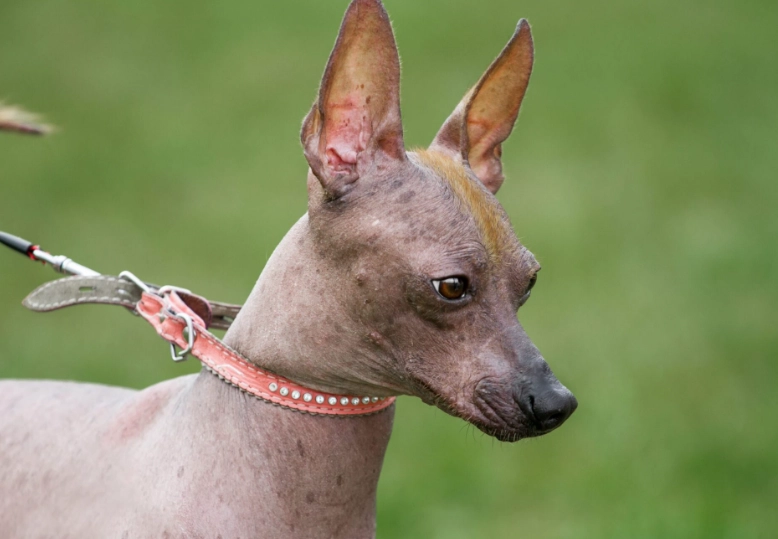
So, What Does a Peruvian Hairless Dog Actually Look Like?
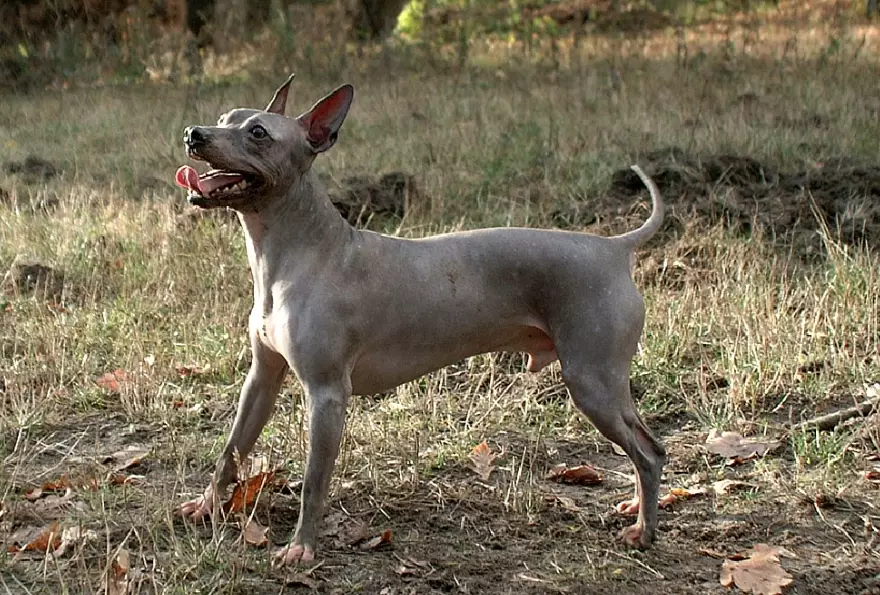
Forget the wrinkly, heavy-bodied hairless breeds like the Chinese Crested. The Peruvian is an elegant sighthound. Think slender, athletic, and graceful. Their head is wedge-shaped, their ears can be erect or semi-erect (and are large and expressive), and their tail is long and carried low with a slight curve. The skin itself is the main event. It can be a range of colors—slate, elephant gray, chocolate brown, or mottled. It's smooth and warm to the touch, but it can have patterns and even freckles. In the sun, some look almost lavender. It's really quite beautiful.
The breed comes in three distinct sizes, which is great because it means there's likely a Peruvian hairless dog that could fit different living situations.
| Size Category | Height at Withers | Weight Range | General Impression |
|---|---|---|---|
| Small | 10 to 16 inches (25-40 cm) | 8.5 to 17.5 lbs (4-8 kg) | Compact, lively, ideal for apartment living. |
| Medium | 16 to 20 inches (40-50 cm) | 17.5 to 26.5 lbs (8-12 kg) | The most common size. Balanced and athletic. |
| Large | 20 to 26 inches (50-65 cm) | 26.5 to 55 lbs (12-25 kg) | Stately, powerful, and imposing sighthound presence. |
That warmth you feel isn't your imagination. Due to the lack of insulating fur, their metabolism runs a bit hotter to compensate. On a cool evening, snuggling with a Peruvian Inca Orchid is like having a personal, breathing hot water bottle. It's one of their most endearing traits.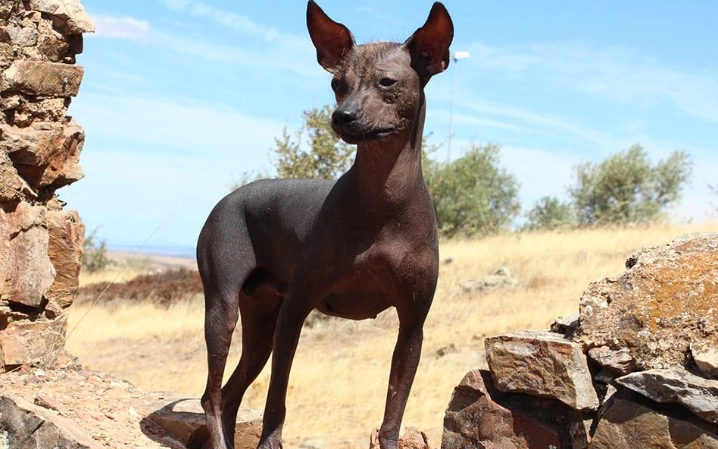
The Real Talk: Living with and Caring for a Hairless Dog
This is where most articles gloss over the details. They'll say "requires special skin care" and move on. Let's not do that. Caring for a Peruvian hairless dog is a daily, intimate ritual. It's not hard, but it's non-negotiable. If you're not prepared for this, get a different dog.
Skin Care: The Daily and Weekly Ritual
The skin is their largest organ and their primary protection. It needs help. They get acne, blackheads, sunburn, and dry skin. They are prone to cuts and abrasions because there's no fur to buffer them. Here's what a realistic care routine looks like:
- Moisturize, Moisturize, Moisturize: This is daily. A lightweight, fragrance-free, non-comedogenic lotion or a specific dog-safe moisturizing balm is a must. After a bath or on dry days, it's critical. Coconut oil is a popular natural choice, but patch test first.
- Bathing: More frequent than for a furry dog. Once a week or every other week with a very mild, hypoallergenic dog shampoo. Human shampoo is too harsh and will ruin their skin's pH. You need to be gentle and thorough, drying them completely to prevent chill and fungal issues.
- Sun Protection: This is non-negotiable. Their skin can burn in minutes. Dog-safe sunscreen (zinc oxide-free) on any exposed skin before going outside is a summer must. In peak sun, a lightweight doggy t-shirt or suit is even better. They are indoor dogs with outdoor bathroom breaks, not sunbathers.
- Acne & Blackhead Management: Yes, really. Especially during adolescence, they can get blackheads on their chins and backs. Regular cleansing and exfoliating with a soft washcloth helps. For persistent issues, a vet might recommend specific wipes.
- Temperature Control: They get cold easily. In winter or in air conditioning, they need sweaters or pajamas. Not just for fashion—for comfort and health. A cold Peruvian hairless dog is a miserable, shivering one.
See? It's a commitment. It adds maybe 10-15 minutes to your day. If that sounds like a burden, this isn't your breed. If it sounds like a mindful act of care for a unique animal, you're on the right track.
Diet and Nutrition: Fueling a High Metabolism
That faster metabolism means they might need a bit more high-quality food per pound than a similar-sized furry dog. They are also, in my experience and from talking to owners, often a bit picky. A high-quality diet supports skin health from the inside out. Look for foods with good fats (Omega-3 and Omega-6). Allergies can pop up, so a limited-ingredient diet is sometimes necessary. It's trial and error. Don't be surprised if your Peruvian Inca Orchid turns its nose up at a food another dog would devour.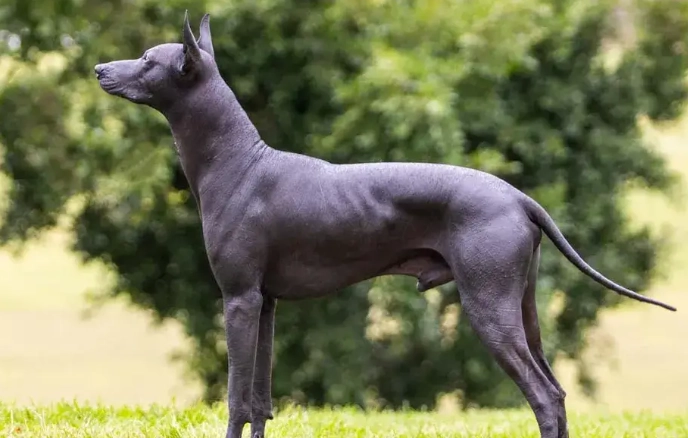
Exercise and Temperament: The Gentle Sighthound
They are sighthounds, which means they have bursts of speed and a prey drive. A securely fenced yard is ideal. But they are not endurance athletes. They are sprinters. A couple of good walks and a chance to run safely each day is perfect. After that, they are champion couch potatoes, seeking out warm spots and laps.
Temperament-wise, they are often described as aloof with strangers and deeply devoted to their family. That's accurate. They can be reserved, even wary, when meeting new people. They aren't golden retrievers who love everyone instantly. This makes early, positive socialization absolutely critical. Expose them gently to all sorts of people, places, and sounds when they're young. A well-socialized Peruvian hairless dog is a confident, calm companion. An unsocialized one can be nervous and skittish.
They are intelligent but not always eager to please in the obedient, border collie sense. Training requires patience, positive reinforcement (treats work wonders), and consistency. They respond poorly to harshness. Their sensitivity is emotional as well as physical.
Health Considerations: Being Proactive is Everything
All purebred dogs have potential health issues. Being hairless comes with its own set. A responsible breeder will do health testing. You must ask for these results.
Skin Issues: We've covered sunburn and acne. They are also prone to folliculitis (infection of hair follicles, yes, even without much hair), and can be more susceptible to allergies that manifest on the skin. Regular vet checks should include a good skin examination.
Dental Issues: This is a big one linked to the hairlessness gene. The gene also affects dentition. Hairless Peruvians often have incomplete dentition—they may be missing premolars and molars. Their teeth can be more prone to plaque and decay. Dental care is not optional. Regular brushing, dental chews approved by your vet, and professional cleanings are part of responsible ownership. The VIN (Veterinary Information Network) foundation has detailed resources on canine dental care that are worth reviewing for any owner.
Other Considerations: They can be sensitive to certain medications, including some common anesthetics. You must have a vet who is either familiar with the breed or is willing to research and proceed with caution. Their lack of fur also means they can get cold during surgery, so vets need to take extra warming precautions.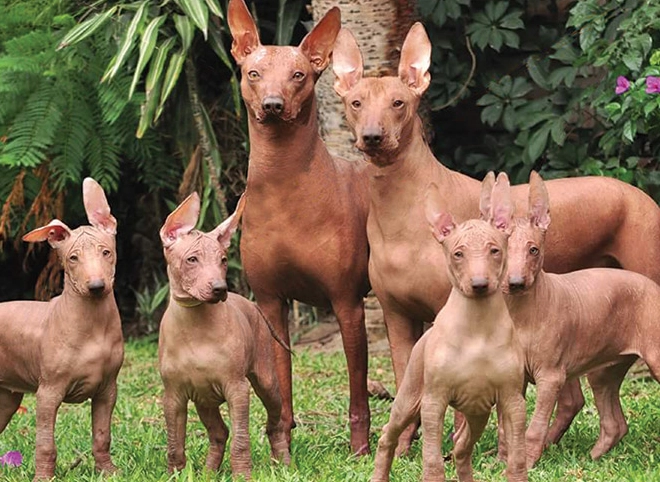
The Hypoallergenic Question: Let's Be Honest
This is the #1 reason people seek out a Peruvian hairless dog. The truth is nuanced. No dog is 100% hypoallergenic. Allergies are caused by a protein (Fel d 1 in cats, Can f 1 in dogs) found in dander (dead skin flakes), saliva, and urine. Since the Peruvian doesn't shed fur everywhere, it drastically reduces the amount of airborne dander. That helps many allergy sufferers immensely.
But. The dog still produces dander. It still licks itself. If you are severely allergic to dog saliva, you might still react when the dog licks you. The best advice is to spend extended time with a Peruvian Inca Orchid before committing. A reputable breeder should allow this. Don't buy one sight-unseen online because of "hypoallergenic" claims. It's a major lifestyle improvement for many, but not a guaranteed cure.
Finding a Peruvian Hairless Dog: Breeder or Rescue?
This is a rare breed. That means puppy mills and backyard breeders see dollar signs. You must be vigilant. A good breeder's primary goal is the betterment of the breed, not making money.
Red Flags: Multiple litters available at once, willingness to ship a puppy without a conversation, no health testing, no questions for you, prices that seem too good to be true, focusing solely on the "hypoallergenic" angle.
Green Flags: Breeder is involved with the national breed club (like the Peruvian Inca Orchid Association of America), shows their dogs in conformation or performance events, provides extensive health clearances for parents, asks you detailed questions about your home and lifestyle, has a contract that includes a return-to-breeder clause, and encourages you to visit and meet the dogs. They will also be upfront about the coated puppies in their litters.
Rescue is possible but rare. Breed-specific rescues sometimes have adults needing homes, often due to owners not understanding the care required. Check with the national club, as they often maintain a rescue network.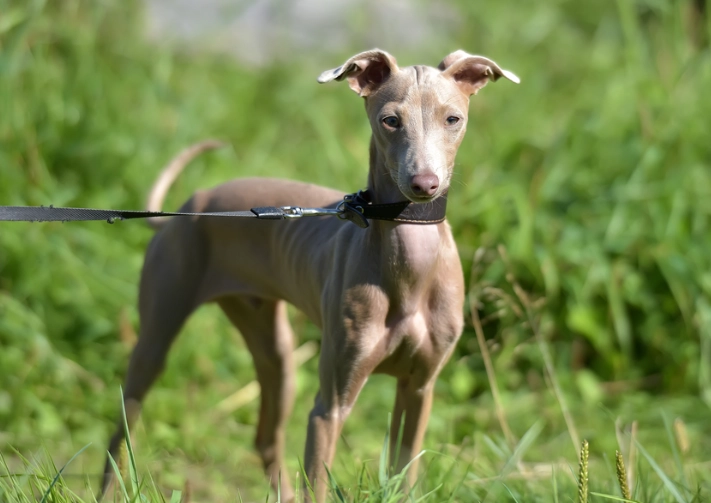
Peruvian Hairless Dog vs. Other Hairless Breeds
People often confuse them with Chinese Cresteds or Xoloitzcuintlis. Here’s the quick breakdown:
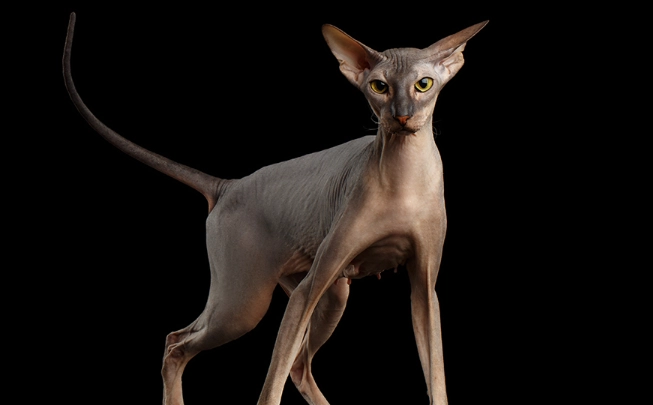
- Chinese Crested: Comes in "Hairless" (with a crest, socks, and plume) and "Powderpuff" (fully coated) varieties. Much smaller on average, finer boned, and more playful/clownish in temperament. Not a sighthound.
- Xoloitzcuintli (Xolo): Also ancient, from Mexico. Comes in hairless and coated varieties and three sizes. They have a similar sighthound build but are often stockier and more primitive in head shape. Temperament is often compared to a terrier—alert, loyal, but can be more strong-willed.
- Peruvian Hairless Dog: The most elegant and refined of the three in build. The most consistently reserved/sensitive sighthound temperament. The only one with the specific requirement for coated variants in breeding.
Your Questions, Answered (The Real Ones People Ask)
Final Thoughts: Is a Peruvian Hairless Dog Right for You?
Let's circle back. This isn't a dog for everyone. I'd argue it's a dog for a specific few.
You should probably look at another breed if: you want a low-maintenance, "wash-and-wear" dog; you have very young, boisterous children; you want a dog that will happily greet every stranger at the door; you live in a very sunny, hot climate without good indoor climate control; you are gone for long hours every day; you are on a tight budget for veterinary and specialty care.
The Peruvian hairless dog is a living piece of history. It's a sensitive soul in a unique package. It asks for more care than most, but in return, it offers a loyalty and a tactile companionship that is hard to describe. It's not just about having a dog that doesn't shed. It's about choosing to share your life with something truly extraordinary. Do your research, meet the dogs, and be brutally honest with yourself about the commitment. If it clicks, you'll have a friend like no other.
And if you do get one, stock up on good lotion and cute sweaters. You're going to need them.


Comments
Leave a Comment