Let's cut right to the chase. If you're holding a live, angry sarcastic fringehead and wondering if you can throw it on the grill, the short answer is: technically, maybe. The real answer, the one that matters, is a resounding no, you absolutely should not. It's a terrible idea from almost every angle—ecological, legal, culinary, and personal safety. I've spent years poking around tide pools and talking to marine biologists, and the fascination with eating every odd creature we find is a mindset we need to ditch. This article isn't a recipe guide; it's a deep dive into why the question "sarcastic fringehead edible" is more about human curiosity than practical dining, and what you should really know about this incredible fish.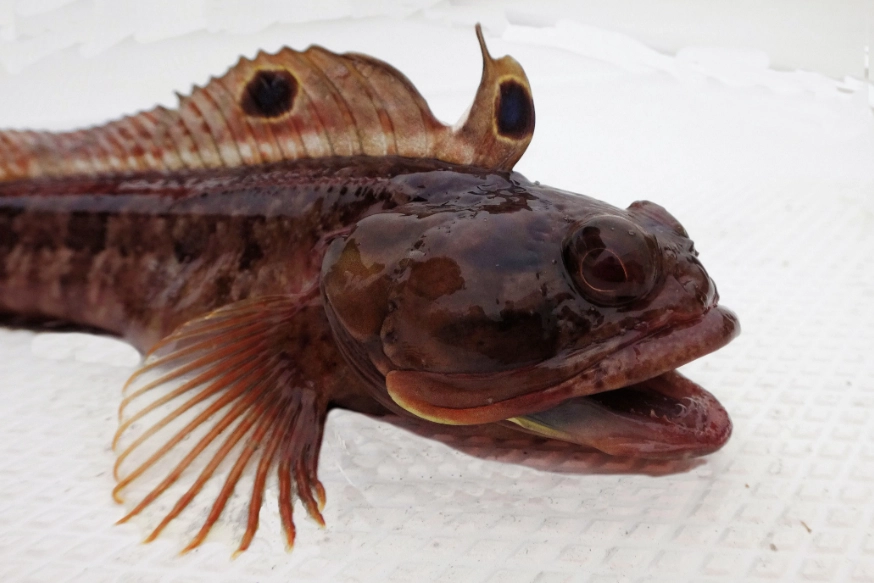
What You'll Find in This Guide
What Exactly Is a Sarcastic Fringehead?
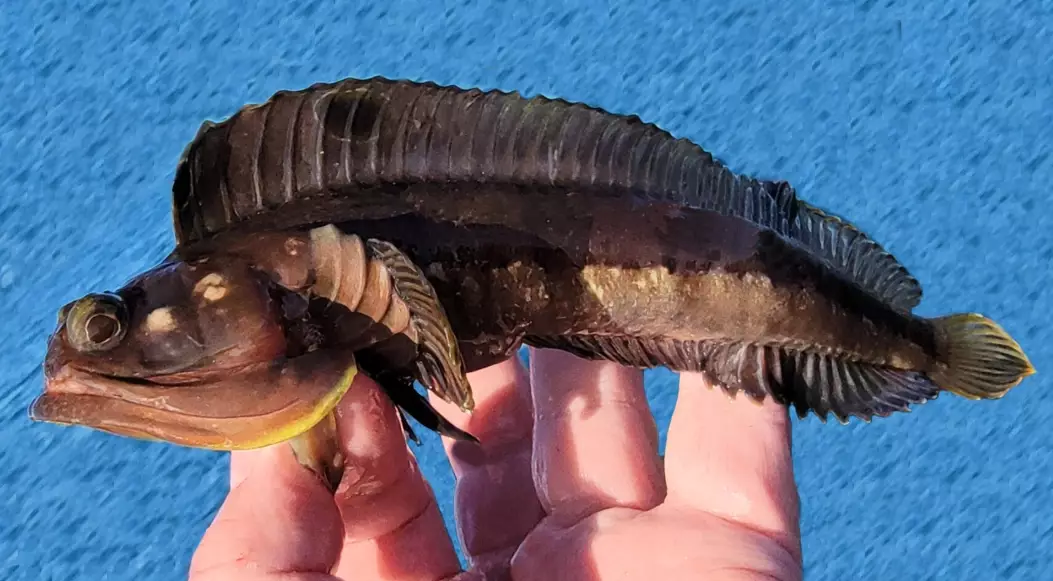
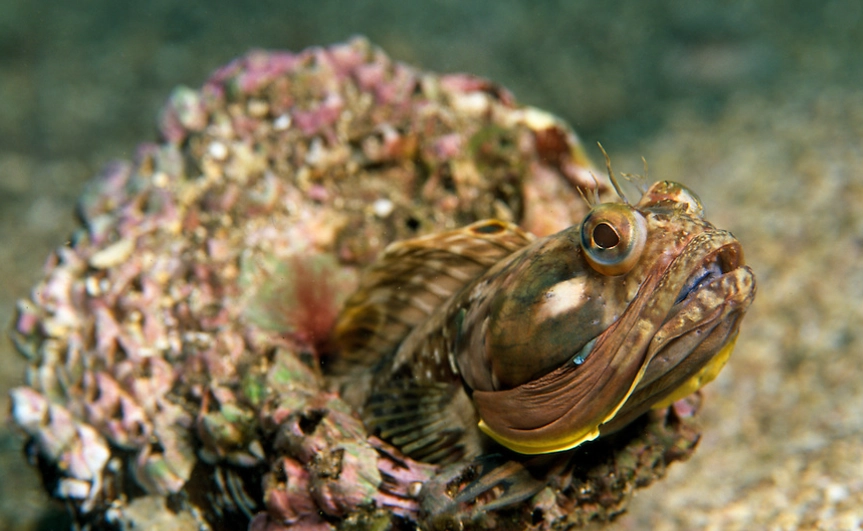
Before we talk about eating it, let's understand what it is. The sarcastic fringehead (Neoclinus blanchardi) isn't just a fish with a funny name. It's a small, reclusive blenny that lives off the Pacific coast of North America, from San Francisco down to Baja California. They max out at about a foot long, but most are half that. They're not built for swimming in open water. Instead, they're ambush predators that claim a burrow—an old clam shell, a bottle, a crevice in the rock—and defend it with a shocking ferocity.
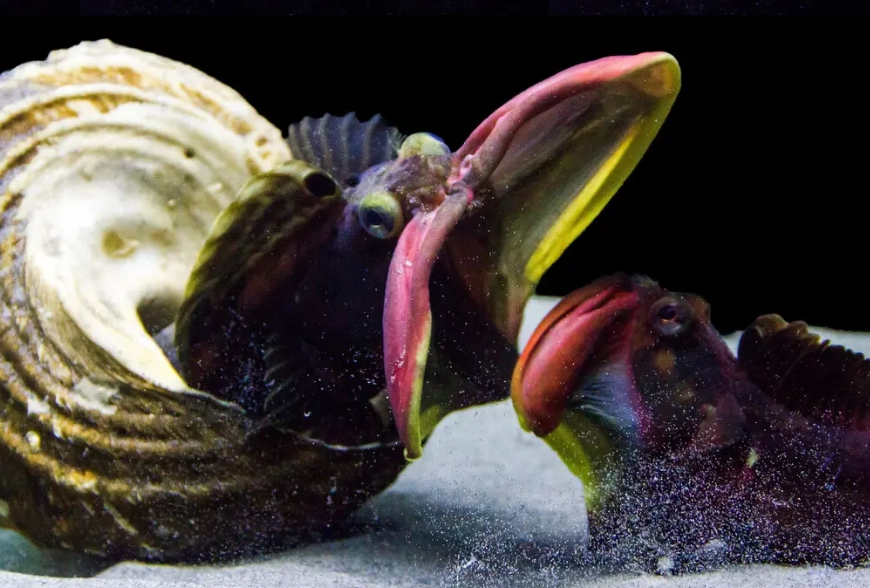
Their claim to fame is their mouth. When threatened or challenging a rival, they swing their enormous, hinged jaws wide open, revealing a bright, patterned interior. It's a threat display that looks comically aggressive, hence the "sarcastic" part of their name. The "fringehead" comes from the flappy appendages (cirri) above their eyes. They spend most of their life hidden, peeking out to snap up small crustaceans and worms.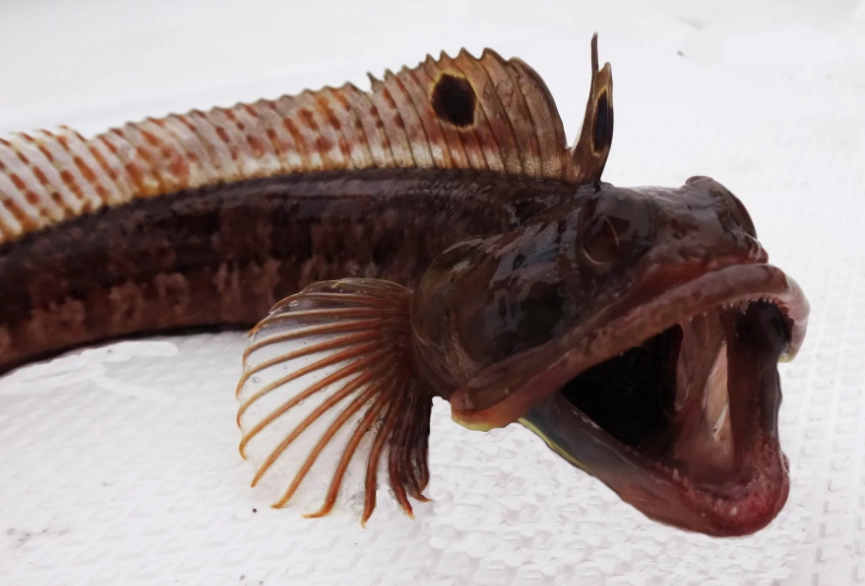
Key Takeaway: This isn't a schooling fish you trawl for. It's a solitary, territorial creature that's more interesting to observe than to consider as food. Its entire biology is geared for hiding and fighting, not providing a fillet.
The Edibility Question, Thoroughly Debunked
So, let's address the elephant in the room. Is the flesh of a sarcastic fringehead toxic or poisonous? There's no scientific literature suggesting it's inherently toxic like a pufferfish. The barrier to eating it isn't poison; it's a cascade of other, more compelling reasons.
1. Taste and Texture (The Culinary Letdown)
I've never met anyone who's eaten one purposefully, and for good reason. Based on its diet and relatives (other blennies), we can make an educated guess. Blennies are generally small, bony, and have soft, often muddy-tasting flesh. A sarcastic fringehead, living in sandy or muddy burrows and eating whatever scraps float by, is unlikely to be an exception. You'd be looking at minimal yield, a hassle of tiny bones, and a flavor profile best described as "uninspiring at best, off-putting at worst."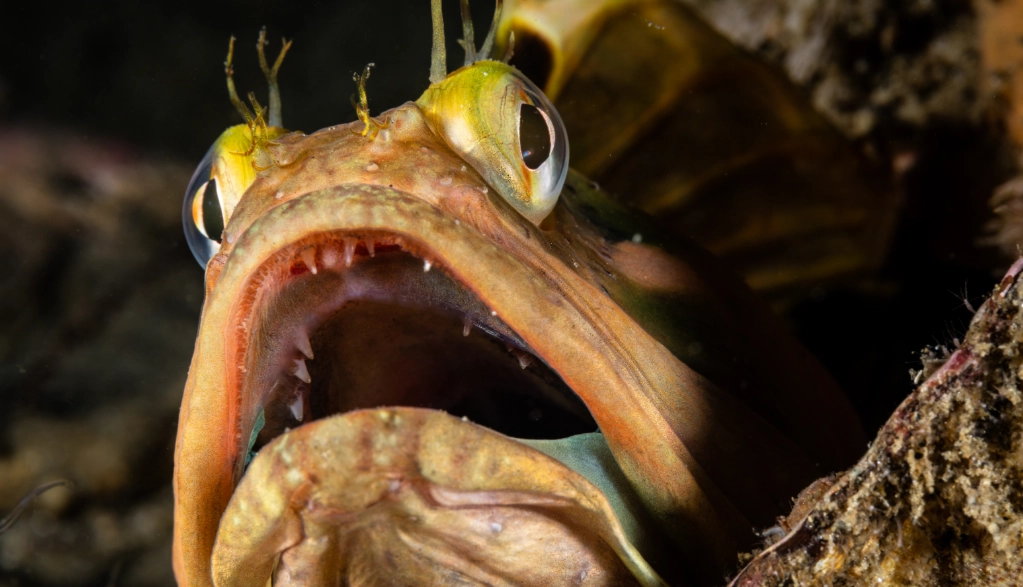
Compare it to something actually good:
| Fish | Likely Taste/Texture (If Eaten) | Yield & Preparation Ease | Ecological & Legal Status |
|---|---|---|---|
| Sarcastic Fringehead | Soft, possibly muddy, bony. | Very low yield, difficult to clean. | Not a food species, protected in many areas, ecologically sensitive. |
| Pacific Rockfish (e.g., Vermilion) | Firm, mild, sweet, flaky. | Good yield, easy to fillet. | Managed fishery, legal with license and within regulations. |
| California Halibut | Delicate, mild, buttery. | Excellent yield. | Popular sportfish with clear regulations. |
2. The Ecological and Legal Minefield
This is the biggest reason to never eat one. In places like California, where they are most common, fishing regulations are incredibly specific. The sarcastic fringehead is not listed as a game fish or a common food fish. In many marine protected areas (MPAs) along the coast, which are precisely the rocky, reef-like habitats they love, all take of any marine life is prohibited. You can look up the specific rules for an area like the Point Loma State Marine Reserve on the California Department of Fish and Wildlife website, but the rule is simple: no taking.
Even outside MPAs, the general finfish regulations apply, but targeting a non-game, ecologically sensitive species for consumption is frowned upon and could be illegal under broader conservation statutes. You'd be removing a key part of a fragile intertidal ecosystem for a bite of terrible fish.
3. The Personal Safety Angle (They Bite!)
This isn't a passive fish. That giant mouth isn't just for show. They have sharp teeth and a territorial instinct. While not dangerous to humans in a life-threatening way, a bite from a fringehead defending its home can absolutely break the skin and be painful. Handling one carelessly to "prep it for dinner" is a good way to get a nasty, bacteria-laden wound. It's just not worth the risk or the hassle.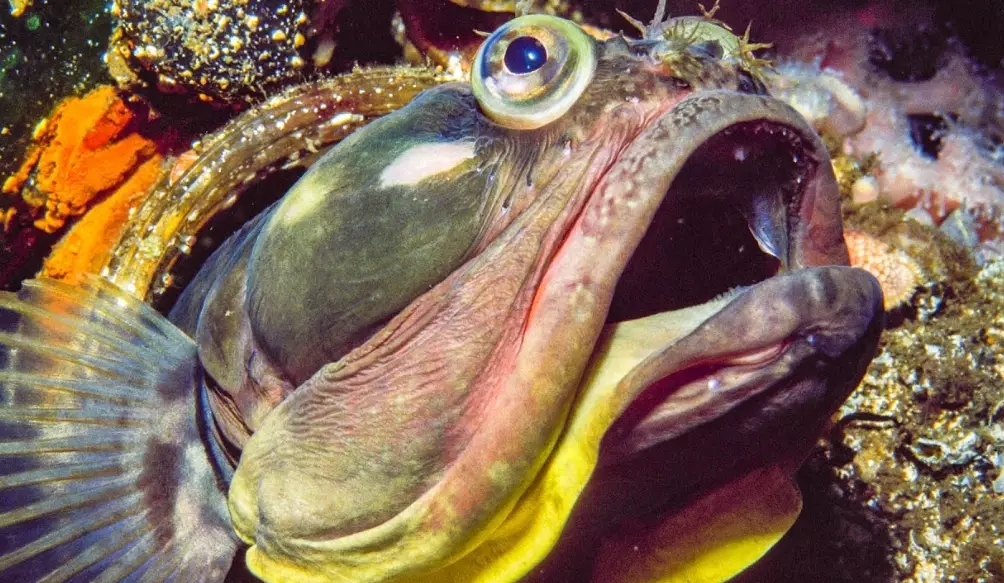
Where You Might Accidentally Find One
You won't find sarcastic fringehead on a menu or at a fish market. The only scenario where you'd encounter one is while fishing or tide-pooling.
- Location: Rocky reefs, kelp forests, and areas with plenty of debris or shells on the seafloor, from roughly 10 to 250 feet deep. Popular spots for divers and fishermen along the Southern California coast.
- Season: They are present year-round.
- How: You might hook one while bottom fishing with small baits for rockfish or perch. They'll dart out of a burrow and grab it. Divers and snorkelers might see one peeking out of its hole.
What to Do If You Accidentally Hook One
This is the practical information you need. If you're fishing and reel in a sarcastic fringehead, follow these steps:
- Don't Panic. It's going to gape at you. It's just scared.
- Minimize Handling. Keep it in the water if possible. Use a dehooker or long-nose pliers to carefully remove the hook. Avoid putting your fingers near its mouth.
- Release Immediately. Gently place it back in the water near the structure you found it. Its best chance of survival is returning to its burrow quickly.
- Document, Don't Harvest. Take a quick photo if you want—it's a cool catch!—then let it go. Reporting unusual bycatch to local marine science groups like the Monterey Bay Aquarium can be helpful for research.
Sustainable (and Tasty) Alternatives
If you're craving fresh Pacific seafood, you have amazing options that are legal, sustainable, and actually taste good. Here’s a quick list of what to target instead, following local regulations:
- Rockfish (Vermilion, Copper, etc.): The staple of West Coast bottom fishing. Great flavor, firm flesh.
- Lingcod: A fantastic eating fish with mild, firm, sometimes blue-tinged meat.
- California Halibut: A classic flatfish, perfect for filleting.
- White Seabass: A prized catch for a reason—delicious.
Always check the latest size limits, bag limits, and season closures from your local wildlife agency before you go.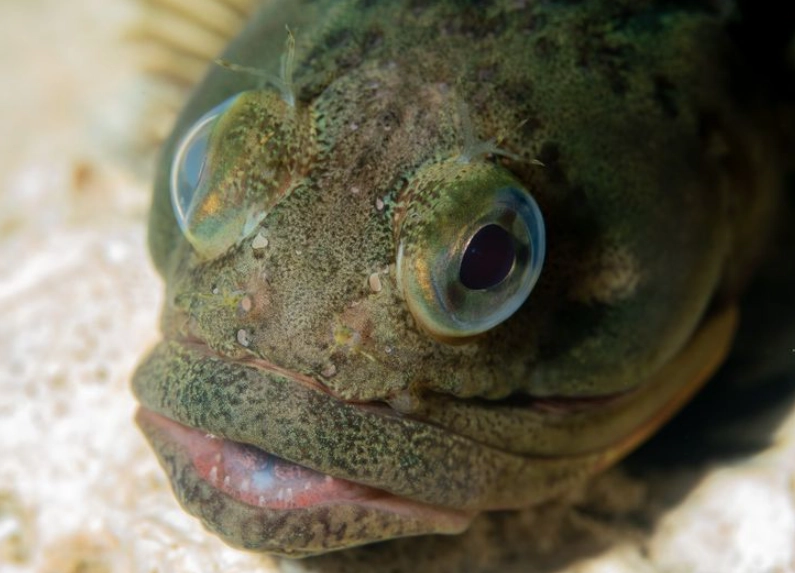
Your Burning Questions Answered
 Could a sarcastic fringehead be farmed for food to take pressure off wild populations?
 If it's so bad to eat, why does the question "sarcastic fringehead edible" get searched so much?

Comments
Leave a Comment