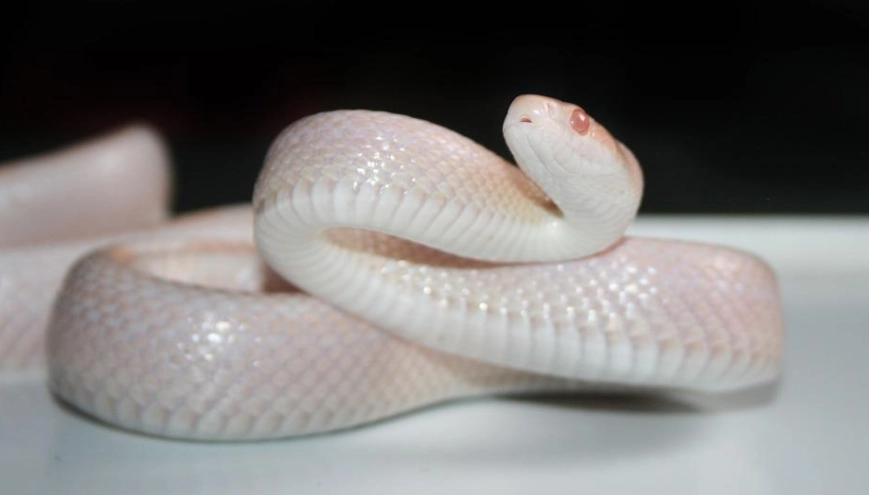
That flash of white in the trees isn't always a plastic bag. Sometimes, it's an albino squirrel. We stop and stare, maybe snap a photo, captivated by its rarity. But that striking white fur or pink eyes? It's not just a cosmetic quirk. For the animal, albinism is a full-body health condition with serious, often life-altering consequences. The short answer is a definitive yes – albinism profoundly affects animal health, primarily through vision impairment, extreme sun sensitivity, and increased vulnerability to predators and social rejection. I've spent years observing wildlife, and the struggle of an albino individual is one of the most stark examples of how a single genetic change can reshape an entire life.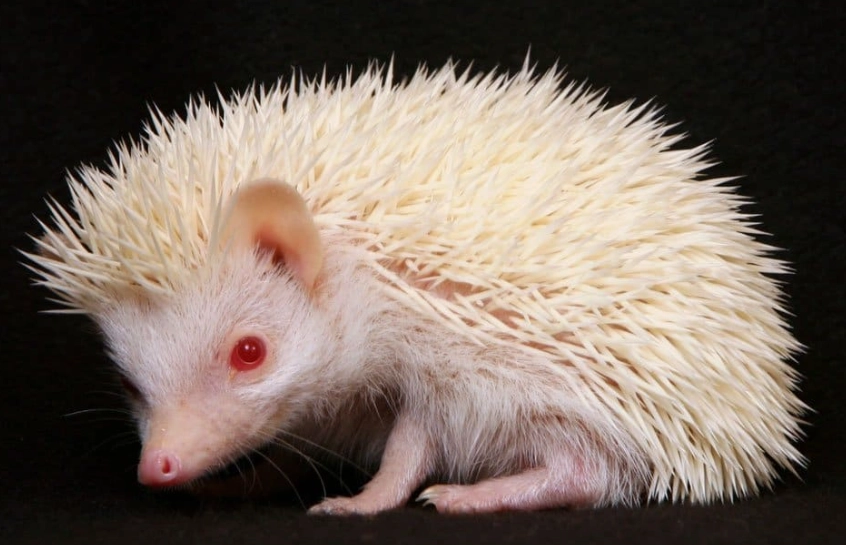
What You'll Discover in This Guide
How Albinism Affects Animal Vision and Sun Sensitivity
Let's get straight to the core of the issue. Albinism isn't just about missing pigment in the skin and fur. The lack of melanin hits the eyes the hardest, and this is where many online articles gloss over the gritty details.
The eyes develop abnormally. The fovea – the tiny pit in the retina responsible for sharp, central vision – is often underdeveloped. The nerve connections between the eye and the brain can be misrouted. The result isn't just "poor eyesight." It's a specific set of problems:
- Nystagmus: The eyes make involuntary, jerking movements. Try tracking a moving insect or judging the distance to a branch when your own eyes won't hold still. It's exhausting and disorienting.
- Photophobia: Extreme sensitivity to light. Bright sunlight isn't just uncomfortable; it's painful and blinding. The iris, which is pink or light blue instead of brown or black, can't constrict enough to block excess light. An albino animal in a sunny meadow is functionally struggling to see.
- High refractive errors: Severe near-sightedness, far-sightedness, or astigmatism is common. Depth perception is often terrible.
Imagine a young albino deer trying to navigate a dense forest, jump a stream, or spot a crouching predator with this kind of vision. The disadvantage is immense.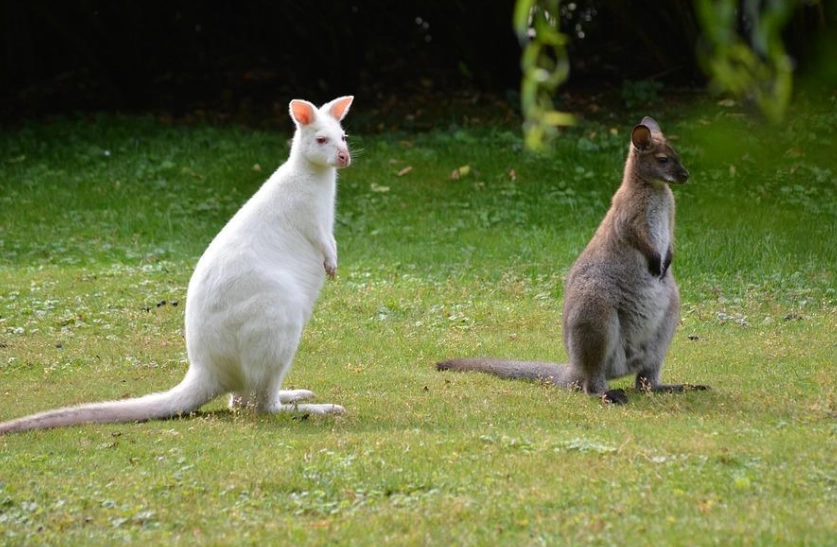
A key point most miss: It's not that all albino animals are legally blind. Their vision exists on a spectrum of impairment, but it's always significantly compromised compared to their normally-pigmented peers. An albino owl, a creature that relies on pinpoint visual accuracy to hunt in low light, would be non-viable in the wild.
The Skin They're In: Sunburn and Cancer Risk
Without melanin, an animal's skin has zero natural protection against ultraviolet (UV) radiation. Sunburn isn't a minor inconvenience; it's a frequent, serious medical issue.
I recall an albino bottlenose dolphin named "Casper" in Florida's Indian River Lagoon. Researchers documented severe, blistering sunburns on his back, a direct consequence of his lack of protective pigment. For terrestrial mammals, the ears, nose, and areas with thin fur are particularly vulnerable.
The long-term risk is squamous cell carcinoma, a type of skin cancer. In the wild, a chronic, debilitating sunburn or a growing cancerous lesion isn't treatable. It leads to infection, pain, and a rapid decline in the animal's ability to forage or escape danger.
| Health Challenge | Direct Cause | Practical Consequence for the Animal |
|---|---|---|
| Severe Vision Impairment | Underdeveloped retina, misrouted optic nerves, lack of eye pigment | Difficulty hunting/foraging, navigating terrain, spotting predators, judging distances. |
| Photophobia (Light Sensitivity) | Pink/blue iris unable to block sufficient light | Forced to be active at dawn/dusk or on overcast days, limiting feeding time. |
| Severe Sunburn & Skin Damage | Complete lack of protective melanin in skin | Chronic pain, open wounds prone to infection, high risk of skin cancer. |
| Social Rejection | Conspicuous appearance, possible behavioral differences | Rejection by mates, aggression from peers, isolation from group. |
Beyond Physical Health: Social and Survival Challenges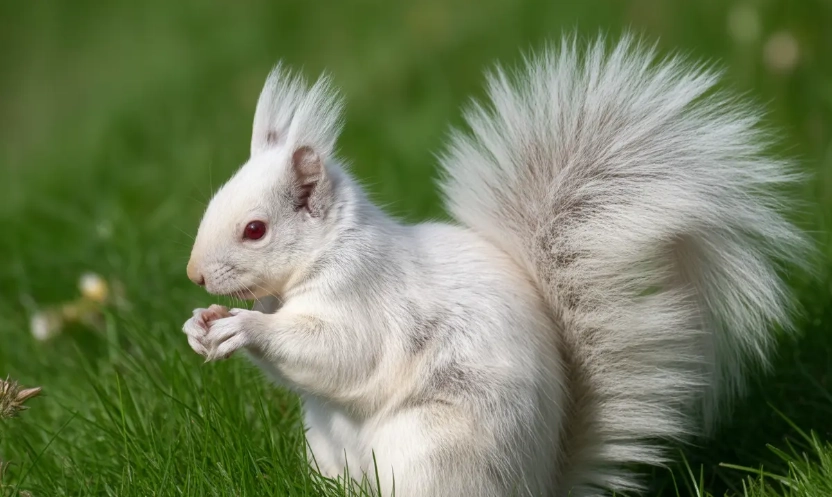
This is where the health impact extends into psychology and sociology. An animal's health isn't just the absence of disease; it's overall fitness and well-being. Being an outcast destroys that.
In highly social species like wolves, lions, or many primates, an albino individual may be rejected by the group. Its strange appearance can trigger aggression or avoidance. It might be the last to eat, the one driven away from kills, or simply left behind. The chronic stress of social isolation is itself a health burden, weakening the immune system.
Then there's the predator-prey dynamic. Camouflage is a fundamental survival tool. An albino moose in a dark boreal forest is a glowing beacon. An albino rabbit in a field might as well be waving a flag. Their conspicuousness makes them the first target for predators. Studies on populations like the famous albino squirrels of Olney, Illinois (a protected colony), suggest that without human protection, their survival rates would plummet. In the true wild, most albino prey animals don't make it to adulthood.
Albino Animal Care and Conservation Realities
So, what happens to these animals? The fate of an albino wild animal is starkly different from one in human care.
In accredited zoos or wildlife sanctuaries, albino animals receive managed care that directly addresses their health needs:
- Shelter: Constant access to shade and indoor enclosures to avoid peak sun.
- Veterinary Care: Regular checks for skin lesions, which can be treated. Some facilities even use animal-safe sunscreen on vulnerable areas like ears and noses.
- Adapted Environments: Enclosures designed with their poor vision in mind – fewer sharp obstacles, consistent layouts.
But here's a contentious point in conservation circles: should albino animals be bred? Most serious conservation breeding programs (like Species Survival Plans) actively avoid breeding animals with known genetic conditions like albinism. The goal is to maintain genetically healthy, robust populations for potential reintroduction. Intentionally passing on genes that cause significant health defects is generally considered unethical, even if the animal is "beautiful" or popular with the public. This is a hard truth that clashes with the public's fascination.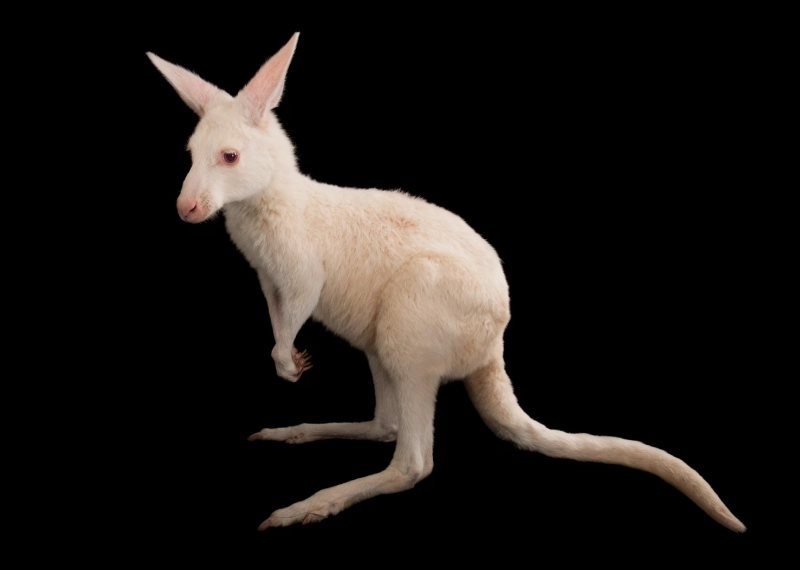
Debunking Common Myths About Albino Animals
Let's clear up some widespread confusion.
Myth 1: All white animals are albino. Wrong. Leucism is different. Leucistic animals have a partial loss of pigment, resulting in white, pale, or patchy coloration, but they typically have normally colored eyes (blue, brown, etc.) and do not have the same severe vision problems. A white peacock with blue eyes is leucistic, not albino.
Myth 2: Albino animals are always weaker or sickly from birth. Not necessarily. Aside from the vision issues, a newborn albino can be as physically strong as its siblings. The health problems are cumulative and situational – the sun damage builds up, the hunting failures stack up, the social isolation wears them down.
Myth 3: They bring bad luck or have magical powers. Cultural myths abound, from being sacred omens to cursed spirits. In reality, they are simply animals dealing with a challenging genetic hand. In some regions, these superstitions actually put them at greater risk from human persecution or poaching for body parts.
Your Questions on Animal Albinism Answered
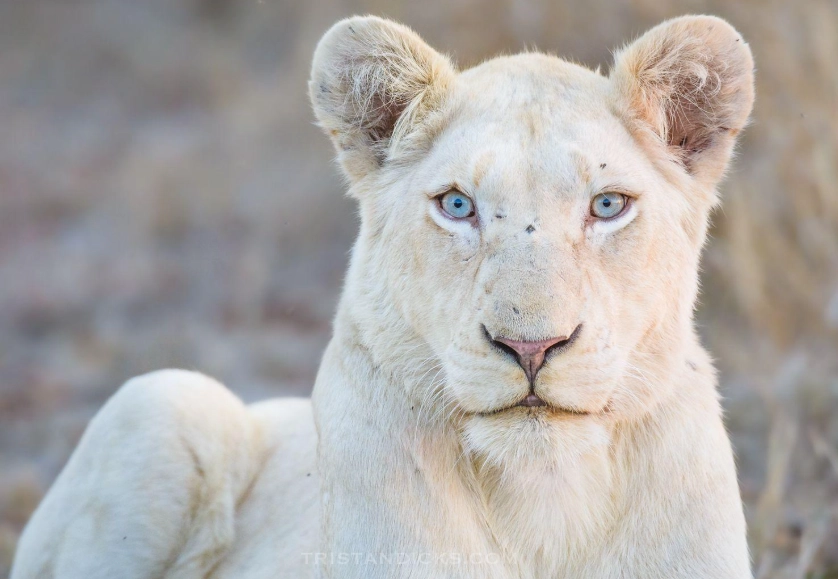 Can albino animals survive in the wild at all?
The story of albinism in animals is a powerful lesson in biology. It shows how interconnected form and function are. That stunning white coat is a billboard for a suite of internal challenges. Understanding these health impacts fosters a deeper, more respectful appreciation for these rare creatures – not just as novelties, but as individuals navigating a world not quite built for their senses.


Comments
Leave a Comment