Albinism isn't a quirk reserved for a few lucky rabbits in fairy tales. It's a real, widespread genetic condition that pops up across the entire animal kingdom, from the deepest oceans to the highest treetops. If you've ever searched for "which animals have albinism," you're likely picturing a white tiger or maybe a pink-eyed mouse. But the reality is far more fascinating and diverse. Let's cut straight to it: virtually any vertebrate animal—mammals, birds, reptiles, amphibians, and fish—can be born with albinism. It even shows up in invertebrates like insects and spiders, though the mechanics are slightly different. This article isn't just a list; it's a guide to understanding where, why, and how this stunning lack of pigment occurs in nature, and what it truly means for the animals that live with it.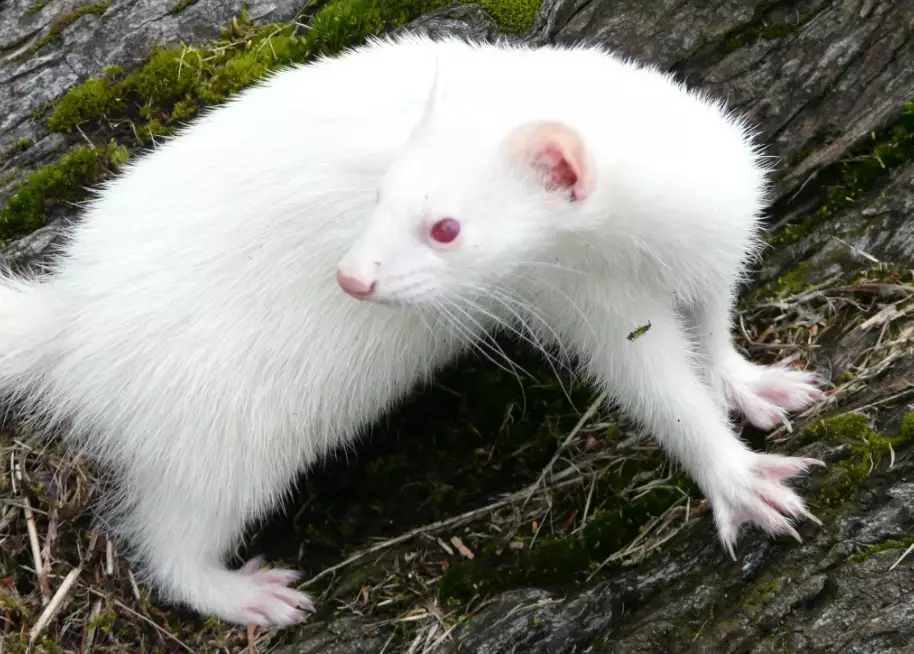
What’s Inside This Guide
- What Albinism Really Is (It's Not Just Being White)
- Mammals with Albinism: From Backyards to Jungles
- Birds, Reptiles & Amphibians: A Spectrum of Pale
- Life Underwater: Albinism in Fish and Marine Creatures
- The Stark Challenges to Survival
- Where Can You See Albino Animals?
- Your Questions on Albino Animals Answered
What Albinism Really Is (It's Not Just Being White)
First, a crucial clarification many sources gloss over. True albinism is caused by a genetic mutation that impairs the body's ability to produce melanin, the primary pigment responsible for color in skin, hair, feathers, scales, and eyes. This mutation is usually recessive, meaning both parents must carry the gene for it to manifest in their offspring.
The hallmark signs are:
- White or very pale coloration across the entire body.
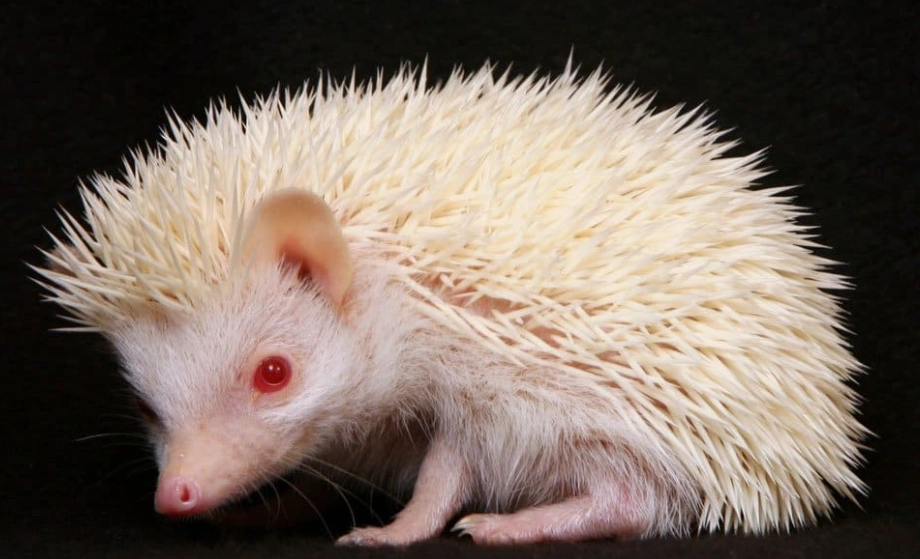
- Pink or red eyes: This isn't a pigment; you're seeing the blood vessels in the retina. It's a key diagnostic feature.
- Pale pink skin, nails, and scales.
Here’s where even seasoned wildlife enthusiasts get tripped up: Not every white animal is an albino. A polar bear is white due to pigment and hollow hairs for camouflage, not albinism—its skin is black, and its eyes are dark. A white-phase (leucistic) squirrel might have dark eyes. Leucism is a related but different condition where some pigment cells are missing, leading to patchy white coloration or a washed-out look, but often with normally colored eyes. True albinism is a complete package deal.
Mammals with Albinism: From Backyards to Jungles
Mammals are where we most commonly recognize albinism. The contrast is stark against their normally pigmented kin.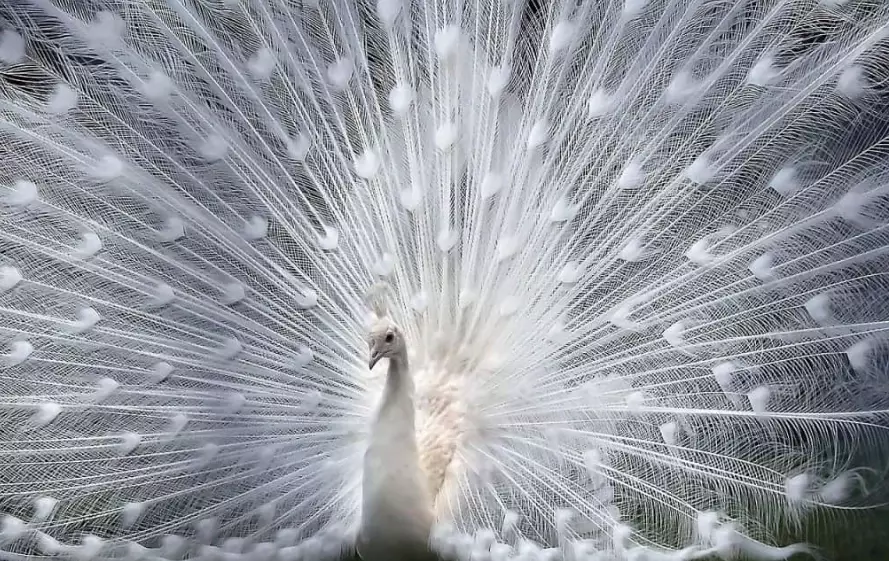
Terrestrial Mammals
You might be surprised how close to home they can be. I once spent a summer tracking an albino white-tailed deer in a state forest—a ghostly figure that, sadly, didn't survive the hunting season due to its lack of camouflage. Common sightings (though still rare) include:
- Deer (white-tailed, mule deer)
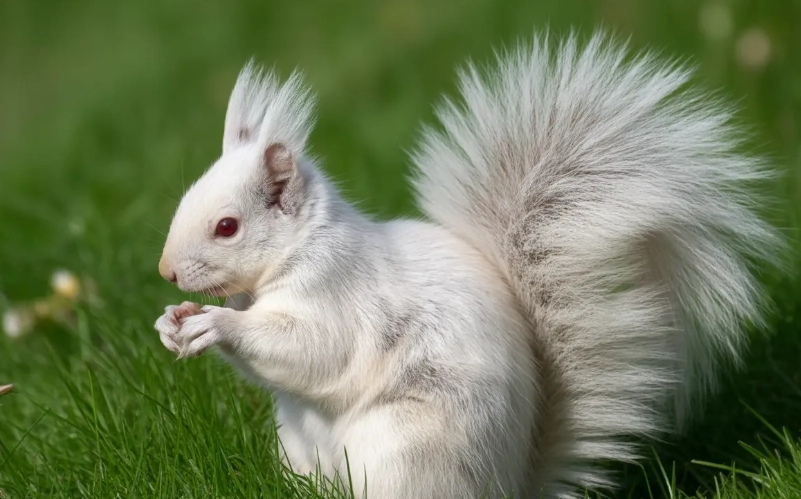
- Squirrels (both gray and fox squirrels)
- Hedgehogs
- Raccoons
- Kangaroos and wallabies
Large and Iconic Mammals
These capture public imagination but face immense survival pressure.
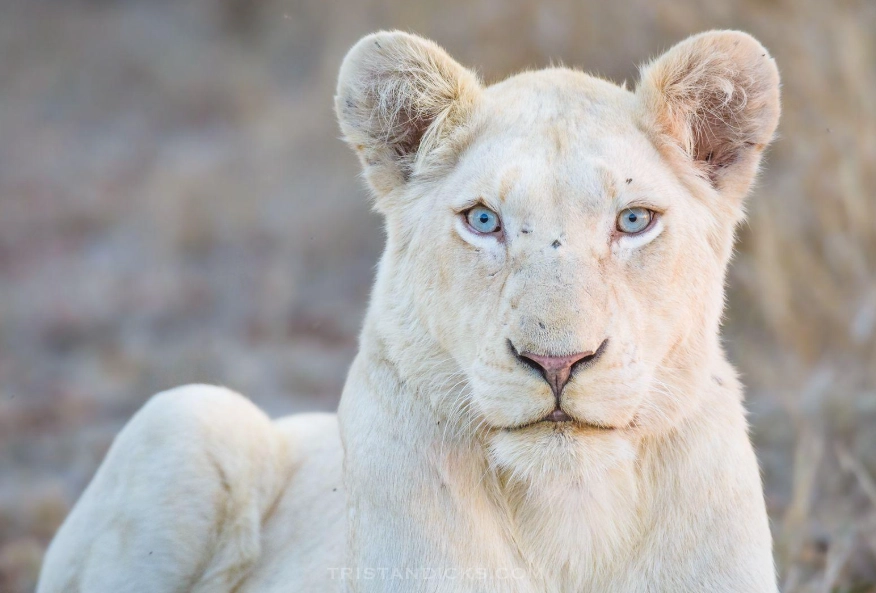
- Albino Tigers: Often mistakenly called "white tigers," true albino tigers would have pink eyes. Most famous "white" tigers, like those in captivity, are actually a different color morph caused by a separate gene (the Bengal tiger's white morph) and have blue eyes.
- Albino Gorillas: The only known case was Snowflake (Copito de Nieve), a western lowland gorilla who lived at the Barcelona Zoo. He was a celebrity, but his condition led to skin cancer and poor eyesight.
- Albino Whales: Migaloo, the famous white humpback whale off Australia's coast, is likely a true albino or a leucistic individual. His sightings are major ecological events.
| Animal | Notable Example | Key Challenge |
|---|---|---|
| White-tailed Deer | Numerous reports across North America | Extreme visibility to predators & hunters |
| Eastern Gray Squirrel | Common in city parks like Olney, Illinois | Higher rates of skin cancer, poor eyesight |
| Humpback Whale | Migaloo (Australia) | Sunburn, possible social rejection? |
| Western Lowland Gorilla | Snowflake (Barcelona Zoo) | Fatal skin cancer, photophobia |
Birds, Reptiles & Amphibians: A Spectrum of Pale
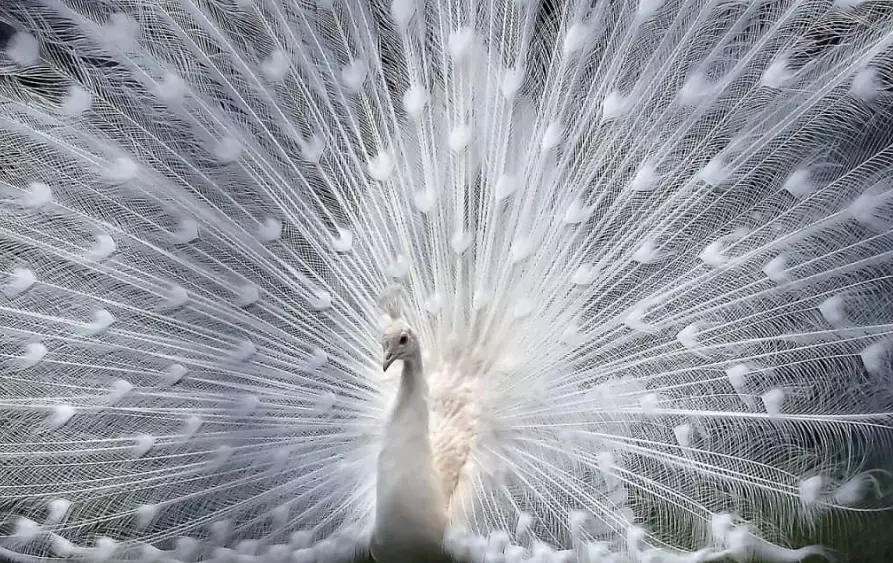
In birds, albinism can be partial or complete. A fully albino bird is exceptionally rare in the wild due to the severe disadvantages. You're more likely to see partial albinos—a bird with a single white feather or a pale foot. Documented cases include albino robins, crows, penguins, and hummingbirds. An albino crow, a stark white against its black family, is a surreal sight that speaks directly to the genetic lottery.
Reptiles and amphibians exhibit albinism strikingly. Without melanin, their underlying yellow and red pigments (from other sources like diet) can become more visible.
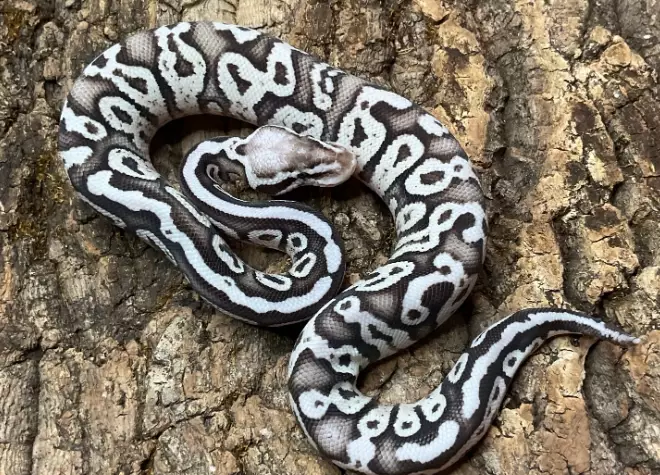
- Snakes: Albino ball pythons and corn snakes are staples in the pet trade, bred selectively. In the wild, a bright yellow or white snake is a walking bullseye.
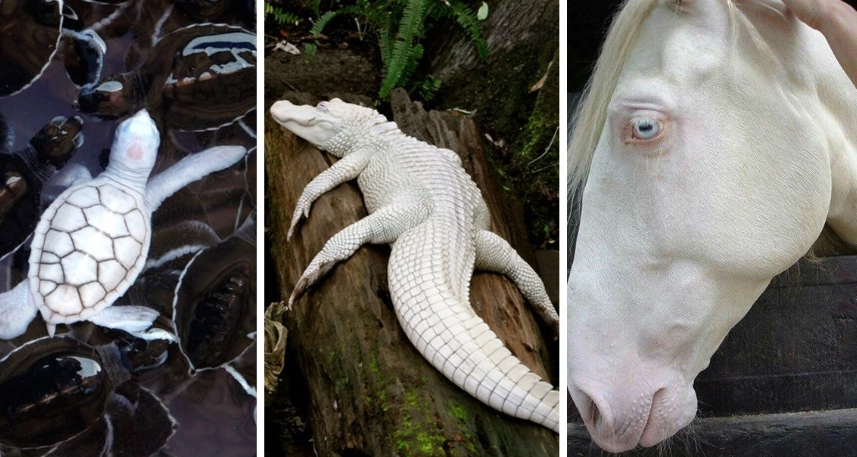
- Turtles & Tortoises: Albino red-eared sliders have a golden shell and pink eyes. They rarely hatch in nature, as their eggs are more visible to predators.
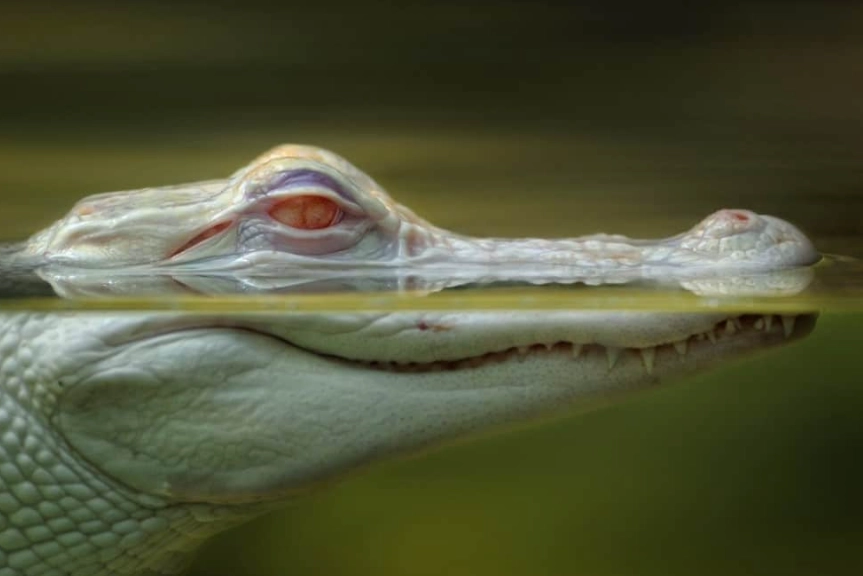
- Alligators & Crocodiles: A few albino alligators, like the ones at the Georgia Aquarium, survive in captivity under careful care, shielded from the sun.
- Frogs: Albino versions of common species like the African clawed frog exist, often in labs or the pet trade.
Life Underwater: Albinism in Fish and Marine Creatures
The aquatic world might seem more forgiving to an albino animal—less direct UV exposure. But the lack of camouflage is often a death sentence. Albinism has been recorded in:
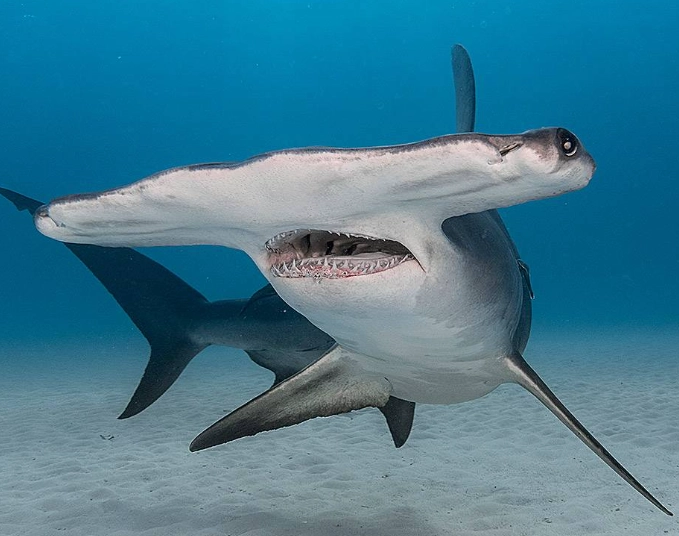
- Great White Sharks: A famous albino great white pup was caught and photographed in Australia.
- Whales & Dolphins: Beyond Migaloo, albino dolphins and killer whales (orcas) have been spotted.
- Freshwater Fish: Common in hatcheries (e.g., albino catfish, trout) due to controlled breeding. In the wild, they're picked off quickly.
- Lobsters: Albino lobsters are the rarest color variant, estimated at 1 in 100 million. They lack astaxanthin pigment, appearing a ghostly white.
The Monterey Bay Aquarium Research Institute has documented albino individuals in deep-sea species, where pigment is less critical in perpetual darkness, suggesting the mutation can occur anywhere.
The Stark Challenges to Survival
Romanticizing albino animals does them a disservice. Life is brutally hard for them. The two biggest hurdles are: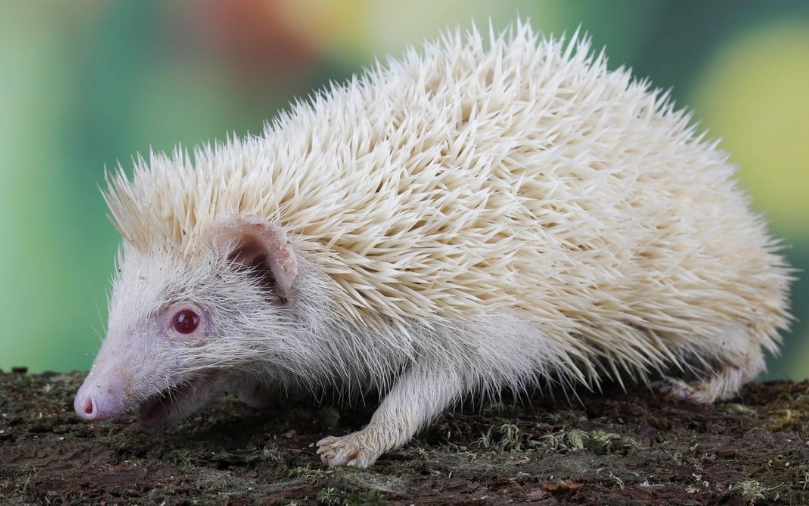
1. Vision Problems: Melanin is crucial for normal eye development. Albino animals almost universally suffer from poor eyesight, nystagmus (involuntary eye movement), and photophobia (light sensitivity). This affects their ability to hunt, forage, and spot predators. A hawk with poor vision is a dead hawk.
2. Lack of Camouflage: This is the most obvious killer. A white moose stands out like a beacon in a dark forest. A pale penguin chick is an easy target for skuas. Their survival often depends on the specific environment—an albino arctic hare would do okay; an albino jungle frog has no chance.
3. Skin Cancer and Sun Damage: Melanin protects against UV radiation. Albino animals, especially in sunny climates, are prone to severe sunburn and skin cancers. This was the ultimate cause of Snowflake the gorilla's death.
Some cultures unfortunately perpetuate a harmful myth that body parts of albino animals (or people) hold magical properties, leading to poaching in some regions, particularly for primates.
Where Can You See Albino Animals?
Seeing a true albino animal in the wild is a rare privilege. Your best bets are:
- Local Parks with Known Populations: Like Olney, Illinois, which has a protected population of albino squirrels.
- Whale Watching Tours (Specific Areas): Off the east coast of Australia during humpback migration for a chance to see Migaloo (check current sighting reports).
- Reputable Zoos and Aquariums: Many care for albino animals that couldn't survive in the wild. The Cincinnati Zoo, Georgia Aquarium (albino alligators), and others often have them. Always check the animal's origin—it should be a rescue or part of a legitimate conservation program, not sourced from the wild for novelty.
If you're into photography and hope to capture one, patience is your only tool. Monitor local birding or wildlife forums where rare sightings are often reported.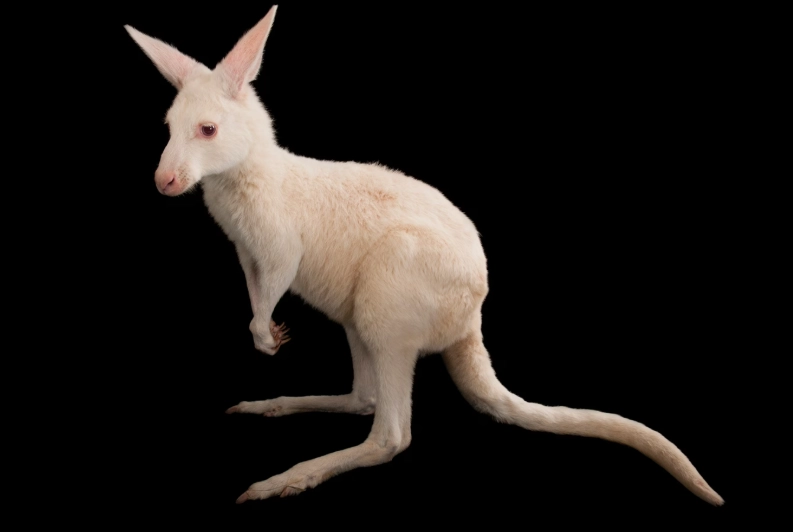
Your Questions on Albino Animals Answered
Are albino animals always completely white?
Not necessarily. "Complete" albinism results in a full lack of melanin, leading to white fur/feathers and pink eyes. However, some animals have "partial" albinism (sometimes confused with leucism), where melanin is absent only in certain patches, creating a piebald appearance. Also, some reptiles and amphibians may appear yellowish because they retain other non-melanin pigments like carotenoids (from their diet).
How long do albino animals typically live in the wild?
Their lifespan is drastically reduced, often by 80-90% compared to normal individuals. Many don't survive past infancy. Those that do reach adulthood are exceptional and usually benefit from a lack of predators in their immediate area, abundant food, or sheer luck. An albino deer making it to two years old is beating immense odds.
 Can albinism occur in insects and spiders?
Yes, but it's defined differently since many insects use pigments other than melanin. You can find insects lacking their typical coloration—white or translucent grasshoppers, pale butterflies. These are often termed "albino" colloquially, though a geneticist might call it a lack of sclerotin or other pigments. The effect is the same: a strikingly different appearance from the norm.
Why are there so many albino animals in the pet trade?
Selective breeding. Traits like albinism in snakes, lizards, and fish are considered desirable by some hobbyists for their unique look. Breeders will intentionally pair animals carrying the recessive genes to produce albino offspring. This is a controlled environment where the animal's survival challenges (predation, sun exposure) are removed by the owner. It's crucial to buy only from ethical breeders who prioritize animal health over color morphs.
If I see an albino animal in the wild, should I help it?
Almost always no. Interfering with wildlife, especially a rare genetic variant, is illegal in many places and usually does more harm than good. The animal has survived that far adapted to its limitations. Feeding it can make it dependent; capturing it causes extreme stress. The only exception is if the animal is clearly injured, trapped, or in immediate danger (like on a busy road). In that case, contact a licensed wildlife rehabilitator or local conservation officer for guidance. Your role is that of a respectful observer.
 Albinism in animals is a powerful reminder of genetics' random hand and nature's unforgiving balance. It creates breathtaking beauty but at a tremendous cost to the individual. Understanding which animals have albinism moves us beyond a simple list to appreciating the delicate threads of survival, the importance of conservation, and the sheer wonder of biological diversity. The next time you're outdoors, look a little closer—you might just be lucky enough to spot one of nature's rare, living ghosts.


Comments
Leave a Comment