You see a photograph of a snow-white alligator or a ghostly pink dolphin, and the first word that comes to mind is "albino." It's a label we use easily, often romantically, for these rare creatures. But what does albinism *actually* mean for an animal or a plant trying to make it in the wild? It's far more than just a striking color scheme. As someone who's spent years observing and writing about wildlife anomalies, I can tell you the reality is a harsh mix of genetic lottery, survival hurdles, and, surprisingly, a few unexpected advantages. This isn't just about listing white animals; it's about understanding the profound biological story behind the lack of pigment.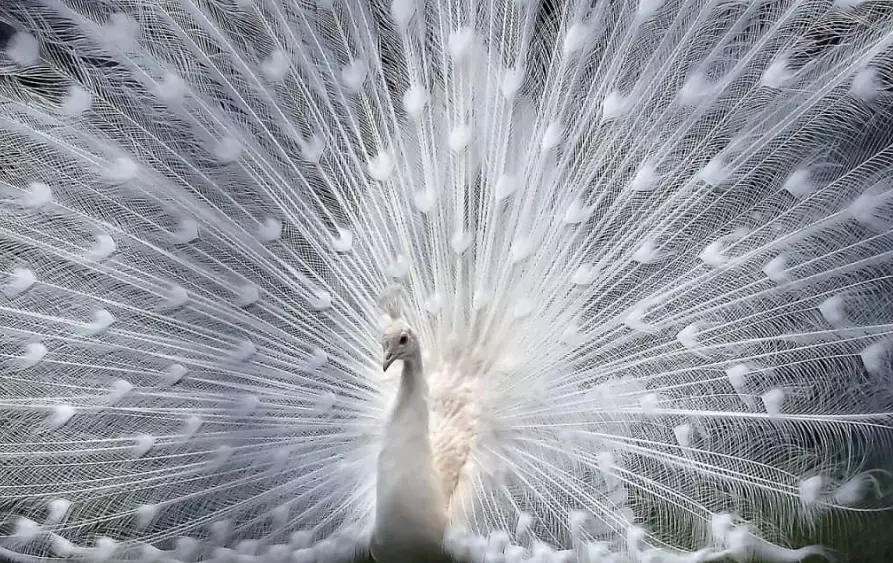
What You'll Discover in This Guide
What Albinism Really Is (It's Not Just White Fur)
Let's cut through the noise. Albinism is a specific, inherited genetic condition characterized by a complete or partial absence of melanin. Melanin is the pigment responsible for color in skin, hair, feathers, scales, and eyes. The key lies in a malfunction of the enzyme tyrosinase, which is crucial for melanin production. This isn't a "style choice" for nature; it's a biochemical roadblock.
Here's where many online sources get it simplistic. True, or oculocutaneous albinism, affects the eyes, skin, and hair/feathers/scales. The eyes are the real giveaway – they appear red or pink because the lack of pigment allows the blood vessels in the retina to show through. The vision problems associated with this are severe: nystagmus (involuntary eye movement), photophobia (extreme light sensitivity), and reduced visual acuity. An albino animal isn't just pale; it's navigating the world with a significant visual disability.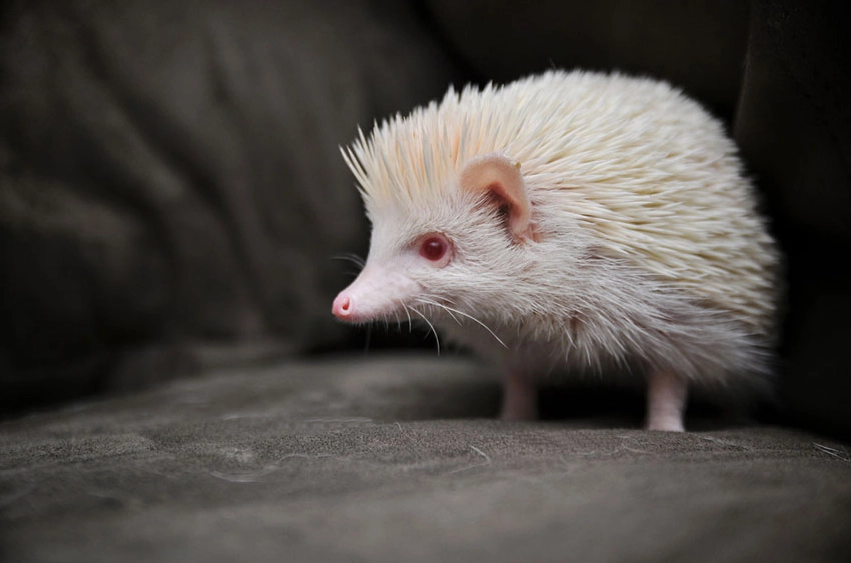
Life as an Albino Animal: Survival Isn't a Fairytale
Imagine trying to hunt or hide when you glow like a beacon and can't see clearly. The challenges are brutal and multifaceted.
The Triple Threat: Camouflage, Vision, and Health
Camouflage Failure: In the wild, camouflage is life. A white deer in a green forest, a pale seal pup on a dark rock, a white insect on a leaf – they're all easy targets. Predators spot them instantly. For predators who are albino, hunting becomes exponentially harder as prey sees them coming from a mile away.
Impaired Vision: This is the most debilitating aspect, often overlooked in casual discussions. That photophobia means bright daylight is painful and disorienting. Many albino animals become naturally crepuscular or nocturnal, but even then, their depth perception and acuity are poor. I recall watching an albino squirrel in a managed park; it was noticeably slower and more hesitant in its movements than its gray counterparts, constantly pausing and tilting its head.
Health Vulnerabilities: Melanin isn't just for color. It provides protection against ultraviolet (UV) radiation. Albino animals, especially those in sunny habitats, are prone to severe sunburn and, in the long term, skin cancers. Their eyes are also more susceptible to UV damage.
Not All Stories End Sadly: The Case of Migaloo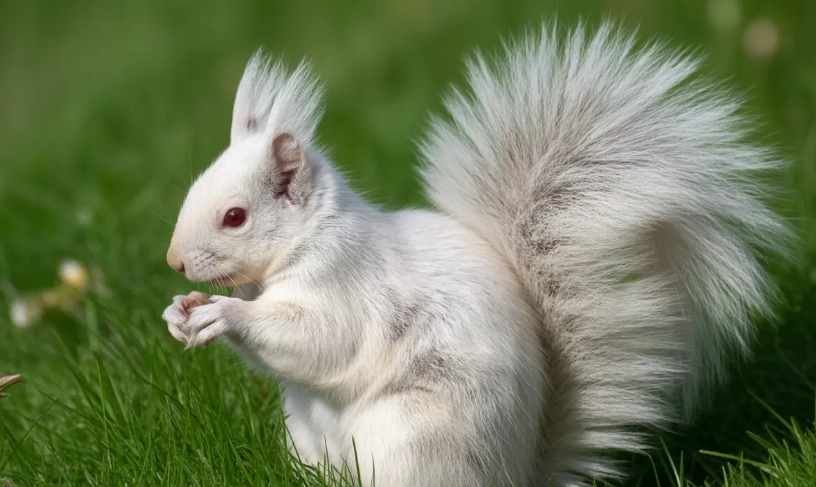
There are exceptions that prove the rule, often in specific environments. The most famous is Migaloo, the white male humpback whale first spotted off Australia in 1991. Being a massive whale in the open ocean reduces the predation pressure. His white color might even be a social advantage, making him highly recognizable. However, researchers express concern about his long-term skin health due to UV exposure. His success is a unique combination of size, habitat, and a bit of luck, not the norm.
Albinism in the Plant Kingdom: The Silent Struggle
Plants can be albino too, and for them, it's almost always a death sentence. Plant albinism means a lack of chlorophyll, the green pigment essential for photosynthesis. Without chlorophyll, the plant cannot convert sunlight into energy (sugars).
You might find an albino redwood or an albino sunflower seedling. They're stunning – pure white or pale yellow. But they are essentially parasites. An albino redwood can only survive if it's grafted onto the root system of a normal, green redwood, siphoning off nutrients. Left alone, an albino seedling will sprout, use the energy stored in its seed, and then wither and die once that energy is spent, having never produced its own food. It's a poignant, beautiful failure of a fundamental life process.
Leucism vs. Albinism: The Critical Difference Everyone Misses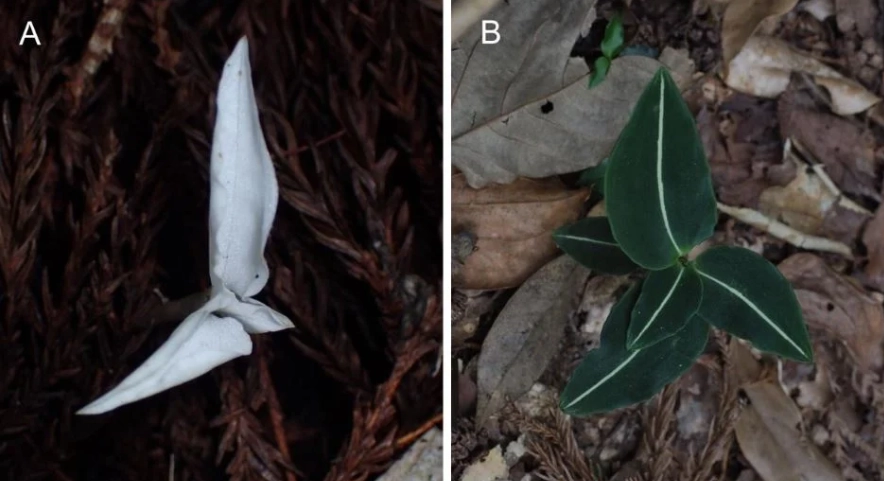
This is the most common point of confusion, even in otherwise decent articles. Getting this wrong marks you as a novice. Let's clear it up for good.
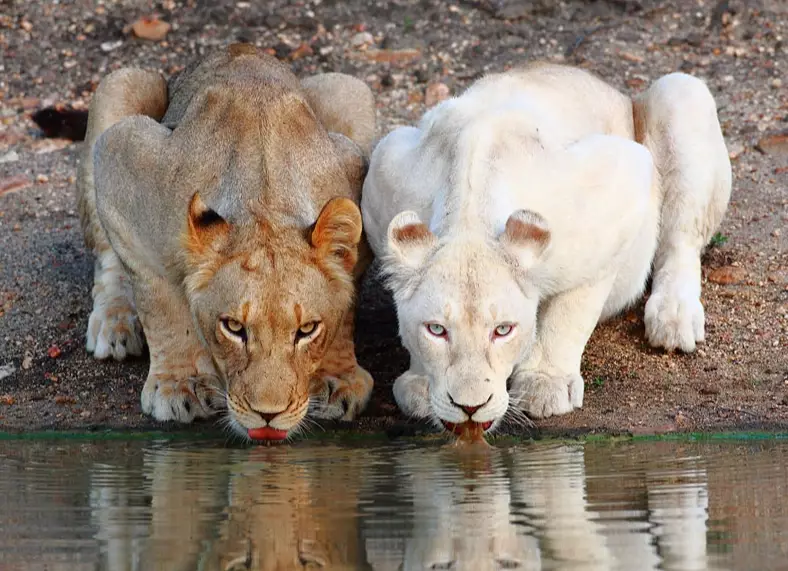
Leucism is a partial loss of pigment, but not a total absence. It can affect patches of skin, fur, or feathers. The key distinction: the eyes retain their normal color (blue, brown, etc.) because melanin is still present in the eyes. Leucistic animals often have pale, patchy, or "piebald" patterns. They might have normal vision.
Think of a "white tiger." Most are not albino; they are leucistic (caused by a different recessive gene). They have blue eyes, not red/pink. That famous "spirit bear" (Kermode bear) of British Columbia? It's leucistic – white fur but a dark nose and eyes.
| Feature | True Albinism | Leucism |
|---|---|---|
| Pigment Loss | Complete absence of melanin. | Partial reduction of all pigment types. |
| Eye Color | Red, pink, or very pale blue due to visible blood vessels. | Normal (blue, brown, etc.). |
| Body Color | Uniformly white, cream, or pale yellow. | Patchy, pale, or "piebald" patterns; can be fully white. |
| Vision | Typically impaired (photophobia, nystagmus). | Usually normal. |
| Sun Sensitivity | Extremely high (risk of sunburn/skin cancer). | Higher than normal, but less severe than albinism. |
| Common Example | Albino squirrel with pink eyes. | White (spirit) bear with dark eyes and nose. |
Why does this matter? Mislabeling a leucistic animal as albino ignores its potentially normal vision and slightly better survival odds. It muddies the scientific and conservation data.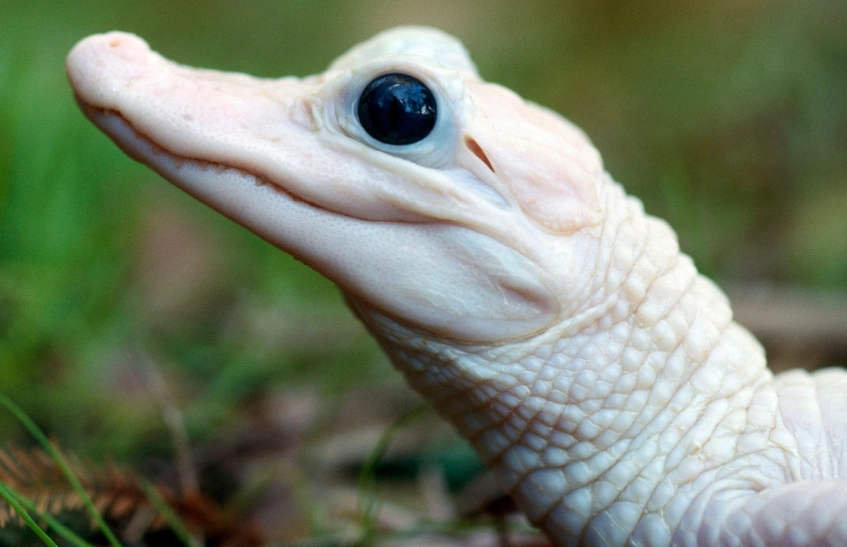
Conservation and an Ethical View
Albino animals in captivity often become star attractions. There's an ethical tightrope here. On one hand, they receive protection, medical care (like sunscreen for marine mammals!), and guaranteed food. On the other, they are sometimes bred specifically for their rarity, which is a questionable practice that prioritizes novelty over genetic health.
In the wild, their conservation is tricky. Should we intervene? Generally, no. Natural selection is a powerful force. However, in cases where an albino animal becomes a localized celebrity (like a famous albino deer in a town), conservation efforts might focus on protecting its habitat from human-related threats, recognizing its value as an ambassador for wildlife. The U.S. Fish & Wildlife Service generally advises against interference unless an animal is clearly suffering due to human causes.
The rise of albino wildlife photography creates another dilemma. That incredible shot of a white moose comes with a cost if photographers stress the animal or disrupt its natural behavior for the perfect frame. The ethical photographer observes from a great distance with a long lens, putting the animal's welfare before the shot.
Your Questions on Albinism in Nature Answered
 I think I saw an albino bird with black eyes. Was it really albino?

Comments
Leave a Comment