You're watering your plants one day and you stop dead. A seedling, a new shoot, or even a whole branch is pure, ghostly white. It's not dusty. It's not pale green. It's white. Your first thought might be "Is it dying?" or "Did I do something wrong?" Let's cut straight to it: you're looking at plant albinism, a fascinating and often misunderstood genetic glitch where a plant fails to produce chlorophyll, the green pigment essential for photosynthesis. Unlike a simple nutrient deficiency, this is a fundamental breakdown at the cellular level. I've seen it in my own garden and in specimens sent to me by baffled gardeners. It's rare, it's visually striking, and it throws the basic rules of plant care out the window. This guide isn't just a rehash of textbook definitions; it's a deep dive into what albinism really means for a plant, why your usual fixes won't work, and how to handle these unique botanical oddities if you're lucky (or unlucky) enough to encounter one.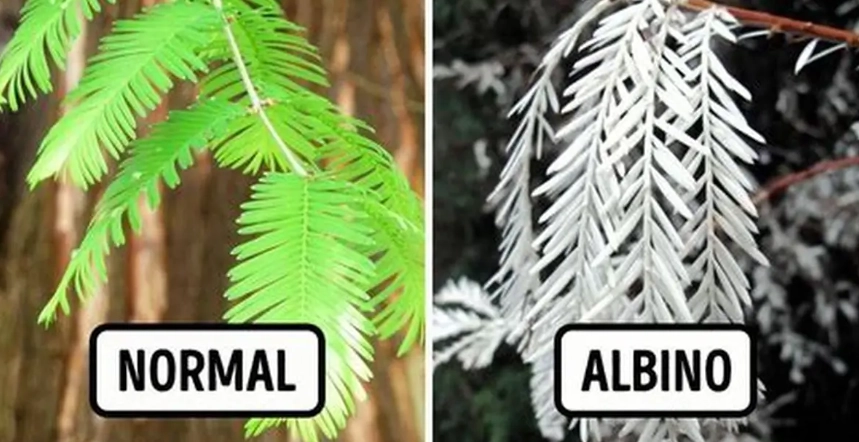
What's Inside This Guide
What Exactly is Albinism in Plants?
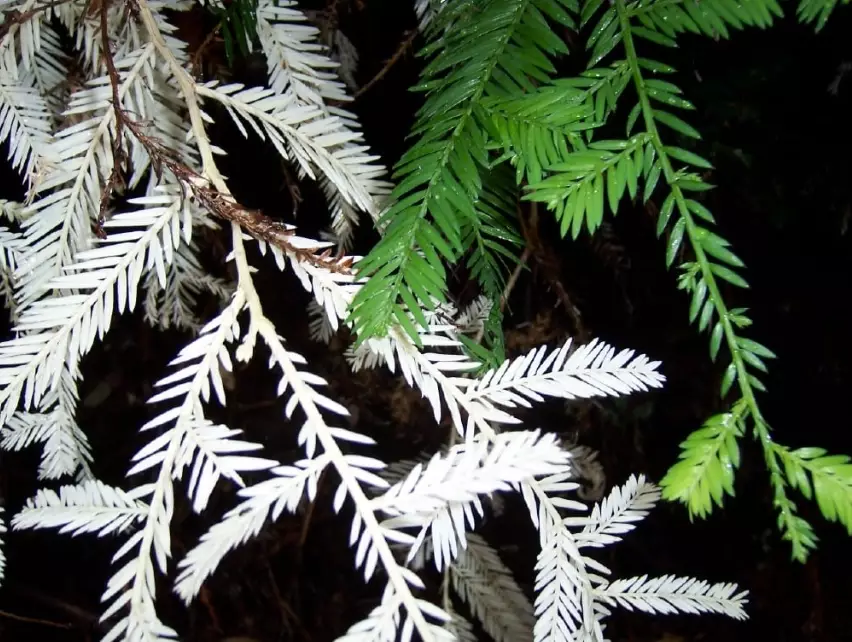
At its core, albinism is the complete or near-complete absence of chlorophyll. Think of chlorophyll as the solar panels inside plant cells. No solar panels, no energy production. It's that simple and that drastic. The white color appears because without the dominant green pigment, the underlying white tissues of the plant (like the cellulose in cell walls) are revealed. Sometimes you might see faint yellow hues from other pigments like carotenoids, but the defining feature is the lack of green.
It's crucial to understand this isn't a disease in the typical sense. You can't "catch" it from another plant. It's a genetic mutation that disrupts the complex biochemical pathway leading to chlorophyll synthesis. This can happen in any part of the plant – a single leaf, a branch (sectorial albinism), or, most dramatically, the entire plant from seed (total albinism).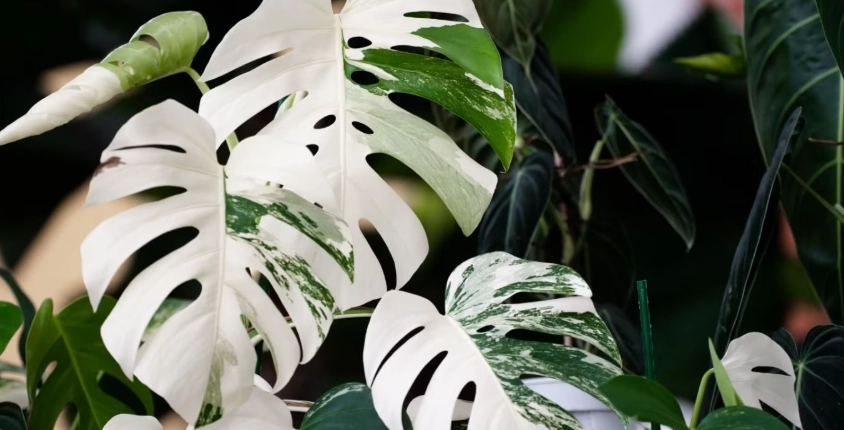
A Personal Encounter: The first time I saw true albinism was in a flat of corn seedlings. One stood out like a little ghost among its vigorous green siblings. It was perfectly formed, just utterly white. I nursed it along for curiosity's sake, but it barely grew an inch after sprouting while the others shot up. It was a clear, hands-on lesson in the energy crisis an albino plant faces from day one.
What Causes a Plant to Turn White?
Most online sources will vaguely say "genetics," but let's get specific. The mutation can occur in one of several genes responsible for chlorophyll production. It's often a recessive trait, meaning both parent plants must carry the faulty gene for it to express in the offspring. This is why albino seedlings sometimes pop up in otherwise normal seed batches.
Primary Culprit: Genetic Mutation
The mutation can affect different stages: preventing the formation of chloroplasts (the chlorophyll factories), crippling the enzymes that build chlorophyll molecules, or disrupting the entire pigment assembly line. Research from institutions like the American Phytopathological Society often studies these mutations to understand fundamental plant biology.
The Environmental Trigger Myth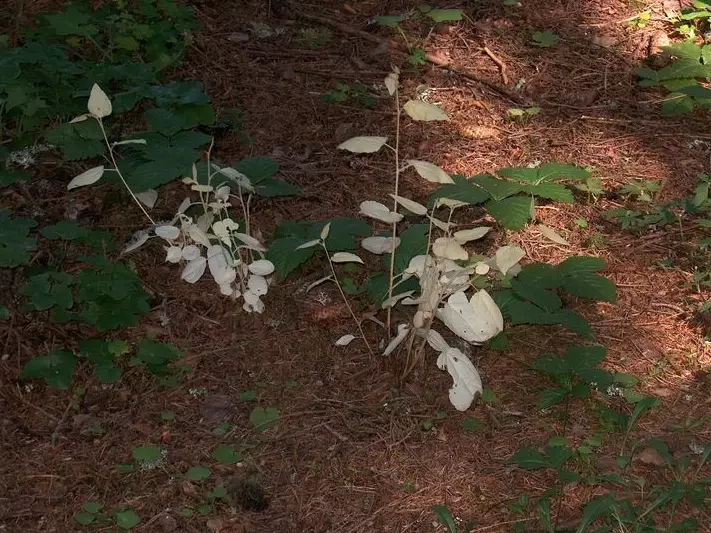
Here's a nuance many miss: Environment doesn't *cause* genetic albinism, but it can trigger similar looks. Extreme light stress, certain herbicides, or viral infections (like the well-documented tobacco mosaic virus) can cause bleaching that mimics albinism. However, true genetic albinism is present from the moment the affected cells develop.
Can Albino Plants Actually Survive?
The short, brutal answer is: almost never on their own. A totally albino seedling is doomed. It uses the energy stored in the seed to sprout, but once that's gone, it has no way to make more. It will starve to death. This is the harsh natural selection at work.
However, there are fascinating exceptions that prove the rule and highlight how complex plant biology can be:
- Sectorial or Chimeric Albinism: This is where only part of the plant is albino. If the green portion produces enough energy, it can theoretically sustain the white part. I've seen this in variegated plants where a branch reverts or a sport appears. They're often weaker but can persist.
- Mycoheterotrophic Plants: This is the mind-bender. Some plants, like the ghost pipe (Monotropa uniflora), are completely non-photosynthetic and white. They survive not by making their own food, but by parasitizing fungi that are connected to photosynthetic trees. They're not albino in the genetic mutation sense; they've evolutionarily lost chlorophyll altogether. It's a different, specialized survival strategy.
For the average gardener's albino seedling, survival beyond a few weeks is a biological impossibility without human intervention, which brings us to the next point.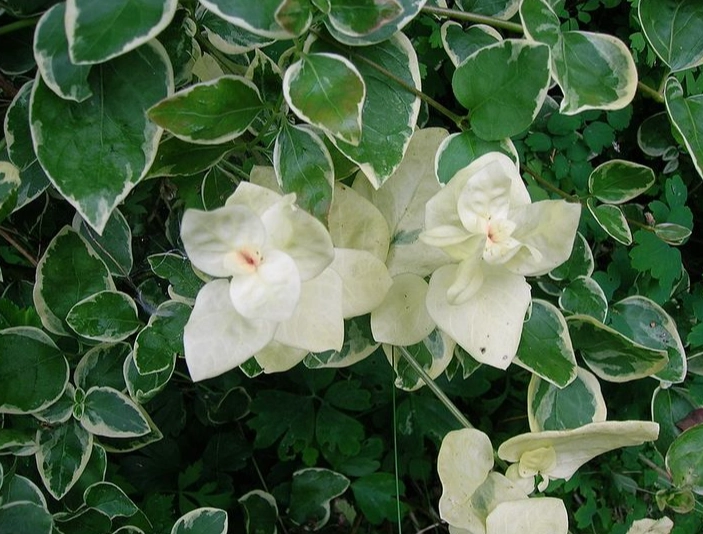
How to Care for an Albino Plant (If You Want To Try)
Let's be honest, keeping an albino plant alive is a horticultural challenge, not a practical gardening goal. It's for the curious experimenter. If you want to try, you must become its artificial energy source.
- Provide Sugar Water – Carefully: Since it can't make sugars (glucose), you must provide them. A very mild sucrose solution (think 1-2% sugar in water) applied to the soil might be absorbed by the roots. Spraying it on leaves is useless—they lack the structures to absorb it. This is messy, can promote fungal growth, and is a temporary crutch at best.
- Graft It: This is the most successful method for sustaining sectorial albinism in woody plants. You can graft the albino shoot onto a healthy, vigorous rootstock of the same species. The green rootstock supplies the sugars. I know a bonsai enthusiast who successfully maintained an albino Japanese maple branch for years this way. It remained a stunning, fragile feature on an otherwise robust tree.
- Lower All Stress: Place it in bright, indirect light (direct sun will scorch the defenseless white tissues). Keep humidity stable and watering consistent. Its immune system is virtually non-existent, so it's a magnet for pests and disease.
Manage your expectations. Even with heroic efforts, most albino plants are short-lived curiosities.
Albinism vs. Other White Leaf Problems
This is where diagnosis gets critical. Not every white leaf is an albino. Misdiagnosis leads to wasted time and wrong treatments. Here’s a quick comparison.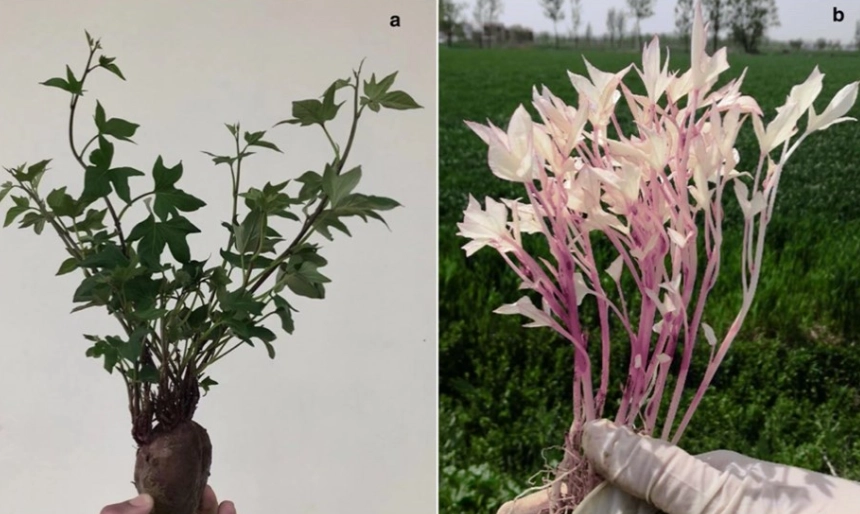
| Condition | Appearance | Cause | Is it Fixable? |
|---|---|---|---|
| Genetic Albinism | Pure white from emergence, often entire new growth. Pattern may be sectorial. | Inherited genetic mutation blocking chlorophyll. | No. Management only. |
| Iron Deficiency (Chlorosis) | Yellowing or whitening between leaf veins, veins often stay green. Affects older leaves first. | Lack of iron in soil or high pH locking up iron. | Yes. Apply chelated iron, adjust soil pH. |
| Sunburn or Bleaching | White, tan, or scorched patches, usually on top leaves most exposed to sun. | Sudden exposure to intense light destroys chlorophyll. | Partially. New growth may be green if plant is moved to shade. |
| Powdery Mildew | White, powdery coating on leaf surface that can be wiped off. | Fungal infection. | Yes. Fungicides, improved air circulation. |
| Variegation | Stable, patterned white/cream/green sections. Often symmetrical. | Genetic, but a stable mutation that doesn't kill the plant. Chlorophyll is present in green sections. | Not needed. It's a normal, often desirable trait. |
The key differentiator? Look at the newest growth. True genetic albinism is apparent the moment a leaf unfurls. Nutrient problems and sunburn usually develop on existing green leaves.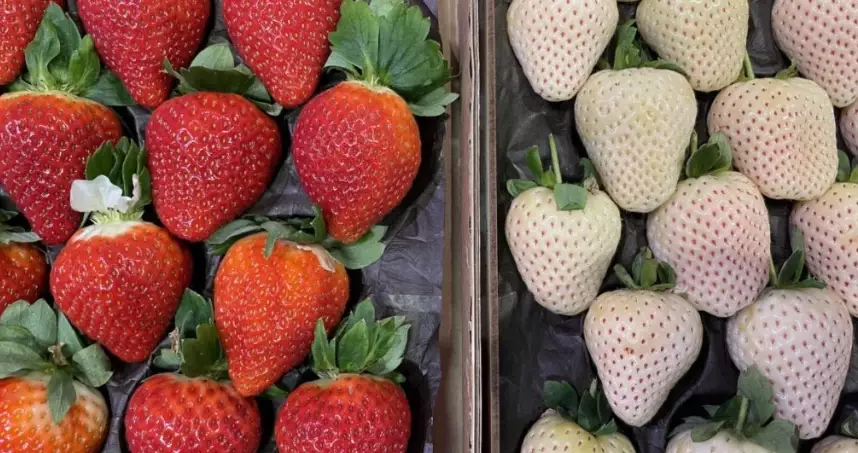
Your Questions on Plant Albinism Answered
I have a plant where the new leaves are coming in completely white. Will they ever turn green?
No, they will not. If the leaf emerges without any green pigment, it lacks the genetic instructions to produce chlorophyll later. This isn't a temporary deficiency like iron chlorosis; it's a permanent state for that specific tissue. The plant cannot decide to "start" making chlorophyll there. Your options are to see if the plant eventually produces a green shoot (if it's a sectorial mutation), or accept the white growth as a temporary curiosity.
Can I propagate an albino plant from a cutting to keep it going?
You can try, but it almost always fails. A cutting from an albino section has no energy reserves to produce roots. Even if you use rooting hormone and perfect conditions, the cutting lacks the engine to sustain itself once it's severed from the parent plant's energy supply (if the parent has any green parts). The only realistic propagation method is grafting the albino scion onto a green rootstock, as mentioned earlier.
Is plant albinism a sign of bad seeds or poor breeding?
Not necessarily. In many cases, it's a random recessive gene expressing itself. Even high-quality seed from reputable breeders can have a very low percentage of albino seedlings—it's a numbers game in genetics. However, if you're seeing a high frequency (like multiple albinos in one packet), it could indicate that the parent plants were too closely related, increasing the chance of recessive traits pairing up. For the home gardener, one albino seedling is just a rare biological event, not a reflection on your seed source.
 Could spraying a foliar feed with nutrients help an albino plant green up?
This is a common and understandable hope, but it's ineffective. The plant isn't lacking nutrients; it's lacking the genetic machinery to use those nutrients to build chlorophyll. Pouring iron or nitrogen on it is like delivering lumber and tools to a construction site where the blueprints are missing. The raw materials are there, but the instructions to assemble them into chlorophyll are broken. This fundamental mismatch is why standard garden fixes fail.
Are there any valuable uses or research applications for albino plants?
Absolutely. In research, albino plants are invaluable. Scientists use them to study chlorophyll biosynthesis pathways, chloroplast development, and plant genetics. For example, studies on albino corn or barley lines have helped pinpoint specific genes involved. They also serve as clear visual markers in genetic experiments. In agriculture, understanding these mutations helps breeders avoid traits that could lead to non-viable seedlings. So while an albino plant in your garden might be a dead end, in a lab, it's a window into the fundamental workings of all green plants.
Encountering plant albinism is a reminder of how precise and fragile the machinery of life is. It's a spectacular error in the genetic code, a glimpse into a world where the most basic rule—be green to live—is broken. For us as gardeners, it's a lesson in diagnosis, setting realistic expectations, and sometimes, just appreciating a strange and beautiful accident of nature before it inevitably fades.

Comments
Leave a Comment