Let's cut to the chase. The scaly foot snail (Chrysomallon squamiferum) doesn't eat in any way you're familiar with. It has no mouth in the traditional sense. It doesn't graze on algae or hunt prey. Its entire existence, and the secret behind its legendary iron-sulfide armor, is powered by a diet of... chemicals. More specifically, it farms bacteria inside a giant organ, and those bacteria convert toxic vent fluids into food. Understanding this diet isn't just a marine biology curiosity—it's the key to why this snail is one of the most extraordinary animals on the planet, and why keeping one alive outside its hellish home is a near-impossible task.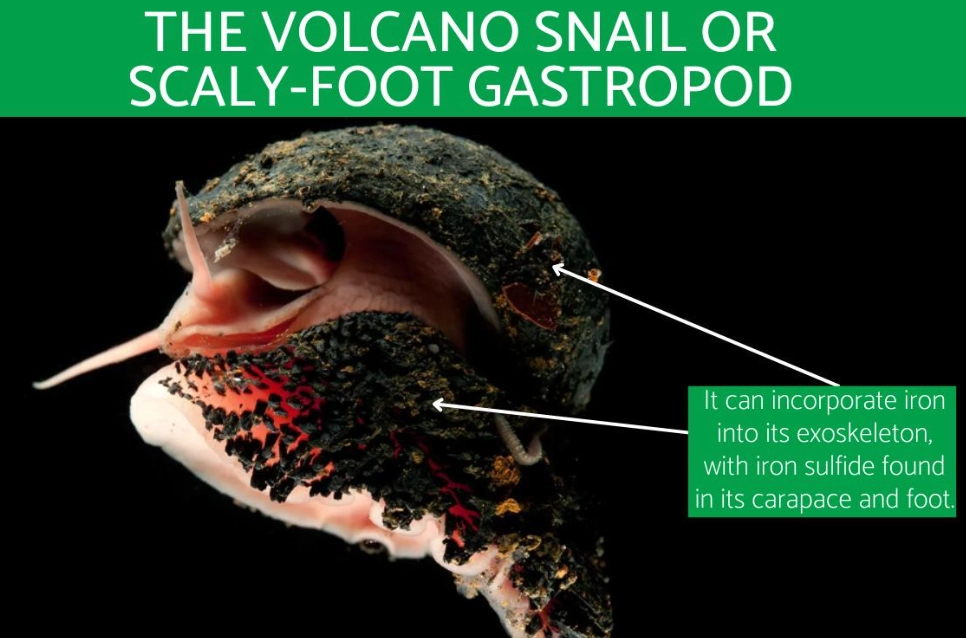
In this article
What Exactly Is a Scaly Foot Snail?
Before we talk about food, you need to know the eater. The scaly foot snail lives exclusively around deep-sea hydrothermal vents in the Indian Ocean, places like the Kairei and Longqi vent fields. The environment is pure science fiction: pitch black, crushing pressures, and water superheated to over 700°F (370°C) shooting from chimneys, mixing with near-freezing seawater. The water is loaded with hydrogen sulfide and heavy metals—poisonous to almost all life.
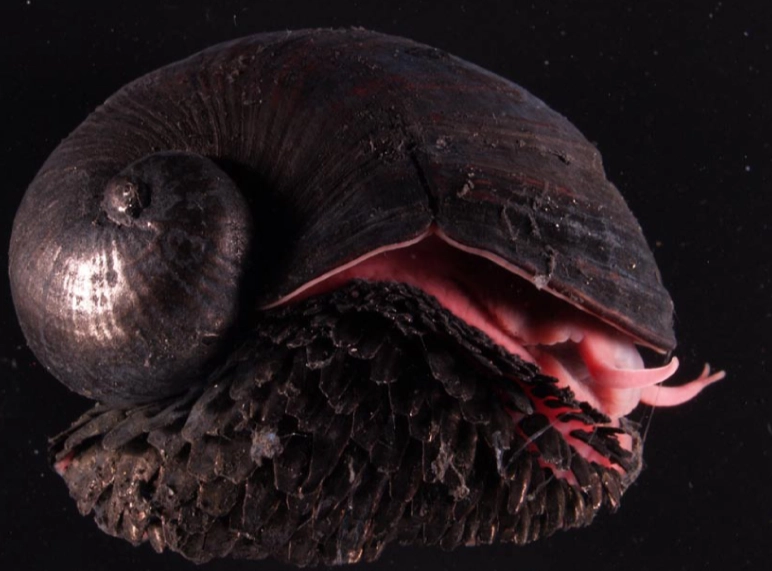
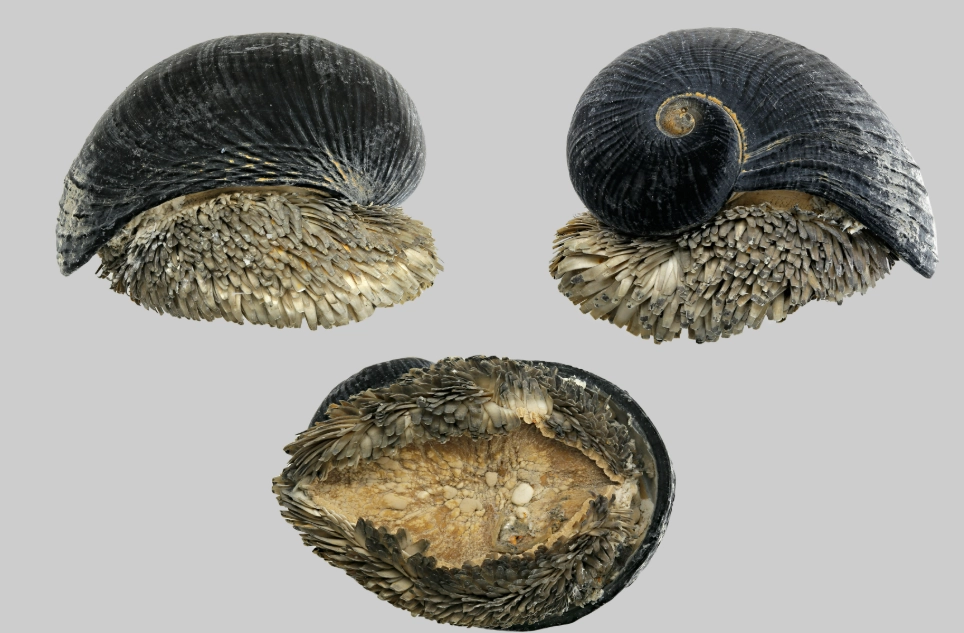
This snail's most famous feature is its tri-layered shell and scaly foot sclerites. The outer layer is iron sulfides (greigite and pyrite). Yes, it's literally wearing a suit of iron. This isn't for show. In that violent environment, armor is survival—against predators like crabs and the physical battering of mineral particles.
But here's the kicker: this incredible armor is a direct byproduct of its weird diet. You can't separate what it "eats" from what it's made of.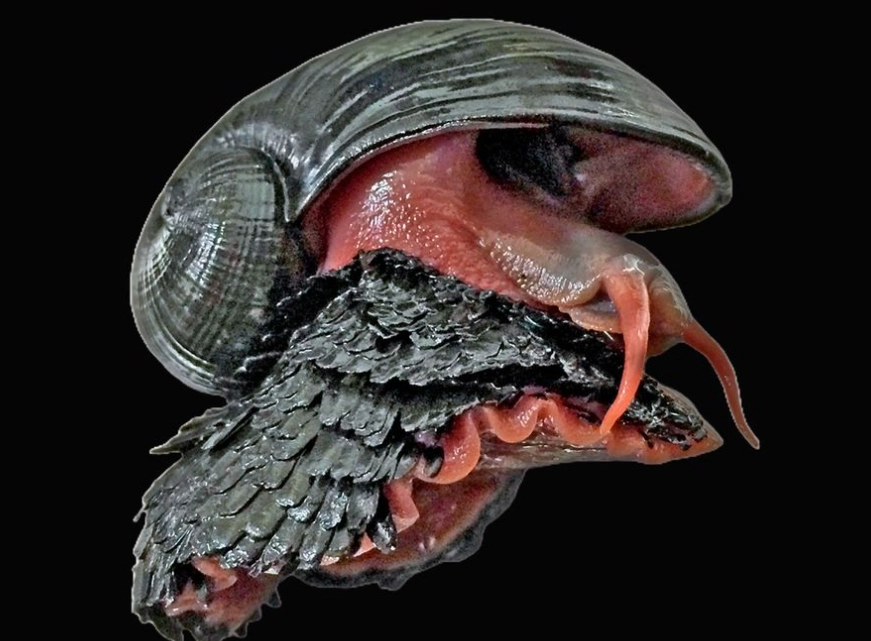
The Natural Diet: Chemosynthesis 101
So, what's on the menu? Forget filet mignon. The primary ingredients are dissolved chemicals spewing from the vent:
- Hydrogen Sulfide (H₂S): The main course. This toxic gas is energy-rich for the right bacteria. >
- The raw carbon source.
- Oxygen: Surprisingly, needed from the surrounding seawater to help "burn" the sulfide.
- Trace Metals (Iron, etc.): The mineral supplements.
The snail's body is built around this diet. Its most striking adaptation is the esophagus. In most snails, this is a tube to the stomach. In Chrysomallon squamiferum, it's massively enlarged—making up about 4% of its total body volume—and houses the bacteria. Researchers call it a trophosome-like organ, similar to what tube worms have. This organ is the snail's internal farm.
The process works like this: The snail absorbs hydrogen sulfide and oxygen from the vent water through its gills and skin. These chemicals are transported to the esophageal gland. The symbiotic bacteria living there use the energy from oxidizing hydrogen sulfide to fix carbon dioxide into organic molecules (sugars, fats). These nutrients are then transferred directly to the snail's cells.
Think of it as the snail running a nuclear power plant (the bacteria) inside itself, using volcanic gases as fuel rods. It's a closed-loop system perfected over millions of years.
How Its Diet and Environment Build the Iron Armor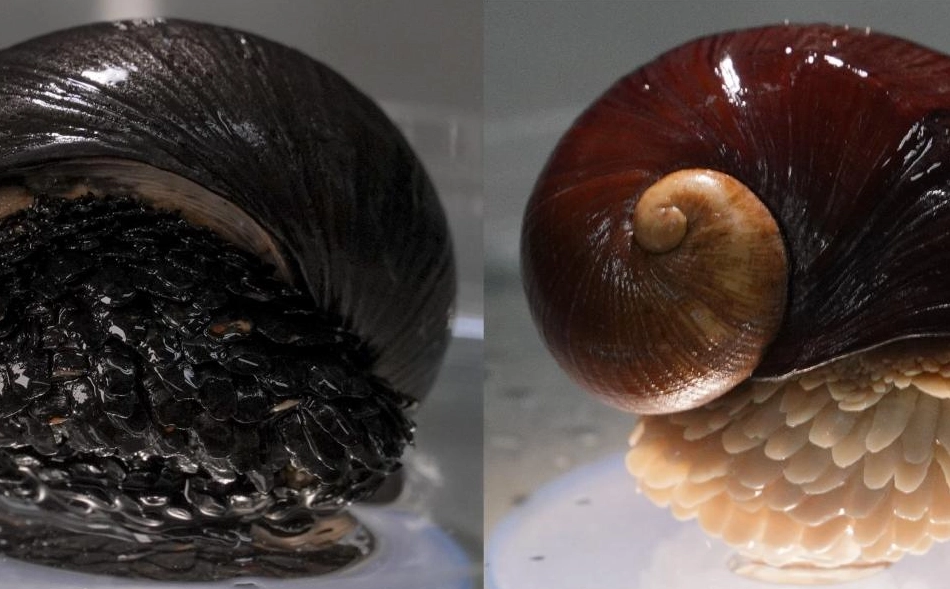
This is where it gets brilliant. The iron sulfide in its armor doesn't come from the snail actively secreting it like a pearl. It's a result of a chemical reaction facilitated by the snail's physiology and its sulfide-rich diet.
The prevailing theory, supported by research from institutions like Harvard SEAS and the Woods Hole Oceanographic Institution, is that the snail's foot is slightly basic (alkaline). When the hydrogen sulfide-laden fluid from its diet meets this alkaline environment and the iron naturally present in the vent fluids, it triggers the precipitation of iron sulfide minerals (greigite) right onto the surface of the sclerites.
In simple terms, the snail uses the waste products and conditions related to its chemical diet to grow its armor in real-time. The armor is a living, renewable exoskeleton, constantly being formed as a byproduct of its metabolism. It's the ultimate example of diet shaping form.
The Massive Challenge of a Captive Diet
Now, here's the million-dollar question (literally): can you feed a scaly foot snail in an aquarium? The short, honest answer is: not really, not for long. This is the central, heartbreaking challenge for deep-sea biology.
I've spoken with researchers who've been on cruises to collect vent fauna. The moment you bring Chrysomallon to the surface, you're fighting a losing battle. You're not just trying to replicate pressure and temperature (which is hard enough with hyperbaric chambers). You're trying to replicate the exact chemical cocktail of its diet in a dynamic, flowing system.
The biggest mistake I see in hypothetical captive setups is focusing solely on the iron for the armor. People think, "Let's add iron supplements!" That misses the point entirely. The iron is incidental. The core of the scaly foot snail diet is the precise, continuous delivery of hydrogen sulfide at the right concentration—enough to feed the bacteria but not so much that it poisons the snail's own tissues. You also need the right mix of CO₂ and oxygen.
You'd need a complex bioreactor system, not a fish tank. You'd be essentially maintaining a toxic, high-pressure, chemical engineering plant for one snail. The cost and complexity are astronomical. No public aquarium has ever succeeded in keeping any vent snail with chemosynthetic symbionts alive for more than a few months, let alone the scaly foot.
If a dedicated research facility were to attempt it, the "feeding" protocol wouldn't involve dropping food pellets. It would involve precisely metering gases into the water supply. Here’s a speculative look at what such a system might need to control:
| Parameter | Natural Vent Condition (Approx.) | Captive Simulation Challenge |
|---|---|---|
| Hydrogen Sulfide (H₂S) | High, fluctuating micromolar range | Creating safe, precise dosing; preventing system corrosion and snail toxicity. |
| Pressure | ~250 atmospheres (~3600 psi) | Requires incredibly strong, sealed hyperbaric chambers. |
| Temperature Gradient | From 2°C to 10°C+ (ambient to warm) | Mimicking the mixing zone, not just one temperature. |
| Flow & Chemistry | Dynamic, turbulent mixing | Replicating non-static conditions to prevent waste buildup and ensure nutrient delivery. |
| Microbial Community | Specific symbiotic bacteria | Ensuring the right bacteria survive collection and transplant. |
As you can see, the "diet" is inseparable from the entire life support system. It's why seeing a live scaly foot snail outside a specialized research submersible is virtually impossible.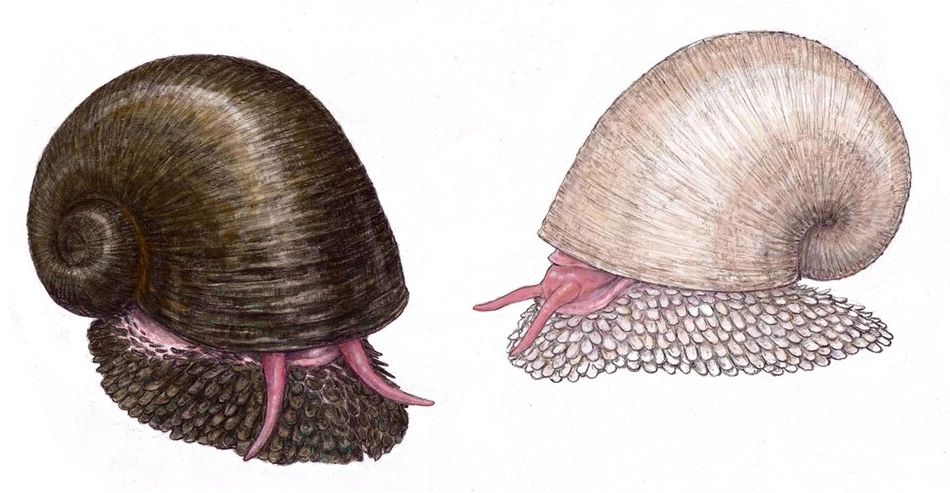
Why Studying Its Diet Matters Beyond Biology
You might wonder why we bother studying the diet of a snail we can't even keep alive. The implications are huge.
First, materials science. The process of biomineralization—how the snail uses its diet to grow iron sulfide armor at low temperatures and pressures—is a blueprint for new materials. Scientists are fascinated by the potential to grow super-strong, corrosion-resistant coatings or armor in labs using similar biological principles. A report from the Proceedings of the National Academy of Sciences on its shell structure has sparked interest in aerospace and marine engineering.
Second, astrobiology. Hydrothermal vents are a top candidate for where life might have begun on Earth, and are prime targets in the search for extraterrestrial life (like on Jupiter's moon Europa). Understanding how life derives energy from chemicals (chemosynthesis) rather than sunlight (photosynthesis) expands our idea of what's possible. The scaly foot snail diet is a masterclass in thriving on a purely chemical energy source.
Finally, it teaches us about extreme adaptation. This snail has turned the very toxins of its environment into both its food source and its defense. It's a lesson in evolutionary innovation that continues to inspire new technologies and ways of thinking about sustainability and resilience.
Your Scaly Foot Snail Diet Questions Answered
What's the single biggest misconception about feeding a scaly foot snail in captivity?
The idea that you could puree some seafood or algae and call it a day. The misconception is that it's a feeding problem. It's not. It's an entire life-support system problem. The snail's "food" is a specific chemical gradient in a high-pressure, toxic environment. Replicating that is less like running an aquarium and more like operating a chemical refinery. Most proposed setups fail because they try to address the symptoms (the snail needs nutrients) rather than the root cause (the snail is a vessel for bacteria that eat poison).
If the bacteria do all the food-making, does the snail's own digestive system even work?
This is a fantastic question that highlights the snail's total commitment to this lifestyle. Its conventional digestive system is actually greatly reduced. It has a tiny, almost vestigial gut. Research published in journals like Nature indicates it likely doesn't process particulate food at all. All its energy comes from the symbiotic bacteria. The snail has essentially outsourced its entire digestive tract to microbial partners, allowing it to invest energy into growth, reproduction, and maintaining that incredible armor instead of hunting or foraging.
 Could advances in technology ever make a public display of live scaly foot snails possible?
Technically, maybe, but ethically and practically, it's a massive hurdle. The technology to maintain the necessary pressure, temperature, and chemistry exists in labs, but scaling it to a stable, visitor-safe exhibit would be prohibitively expensive and risky. A power failure or sensor glitch could wipe out the colony in minutes. The energy consumption would be enormous. More importantly, collecting these snails from their deep-sea habitat is disruptive and stressful for them. Given their specialized needs and the fragility of vent ecosystems, most deep-sea biologists would argue that our efforts are better spent on non-invasive research and stunning remote-operated vehicle (ROV) footage, rather than attempting a doomed captive display.
How does the scaly foot snail's diet compare to other vent animals, like tube worms?
They're all in the chemosynthetic club, but the implementation differs. Tube worms (vestimentiferans) have no mouth or gut at all as adults. They host bacteria in a specialized organ called a trophosome. The scaly foot snail is unique because it's a mobile mollusk with this adaptation. It retains a rudimentary gut, hinting at an evolutionary history of more normal feeding. Its diet strategy allows it to move between different micro-habitats around a vent, perhaps following chemical plumes, whereas tube worms are sessile and stuck in one spot. The snail's approach offers a blend of symbiosis and potential flexibility, which might be why it evolved such a dramatic physical defense—because it moves into riskier areas.
 The scaly foot snail's diet is a window into one of life's most radical strategies. It's not about consuming other organisms; it's about forging a partnership with microbes to harvest energy from the planet's geology itself. This diet built an iron-clad animal and confines it to the most extreme real estate in the ocean. While we may never see one eat in a traditional sense, understanding this process reveals just how ingenious and diverse life on Earth can be.


Comments
Leave a Comment