If you've ever wandered a salt marsh or mangrove and seen hundreds of little crabs waving one giant claw, you've met a fiddler crab. Their scientific name is a gateway into a fascinating world of crustacean taxonomy, behavior, and ecology. For years, everyone just called them Uca. That was the easy answer. But the real story is more complicated, and honestly, more interesting. It involves taxonomic debates, split genera, and clues hidden in the mud. Let's get into it.
What's Inside?
The Basic Scientific Name: It's Not Just One Genus
For decades, the standard scientific name for all fiddler crabs was Uca. This was the genus name. It was neat and tidy. If you saw a paper from the 1990s, it would list a fiddler crab as Uca pugnax or Uca tangeri.
But here's where it gets messy. In the early 2000s, crustacean taxonomists started looking closer at the DNA and detailed morphology of these crabs. They realized the old Uca genus was actually a collection of several distinct evolutionary groups. The consensus now, followed by major authorities like the Integrated Taxonomic Information System (ITIS) and the World Register of Marine Species (WoRMS), is that the fiddler crabs are split into multiple genera.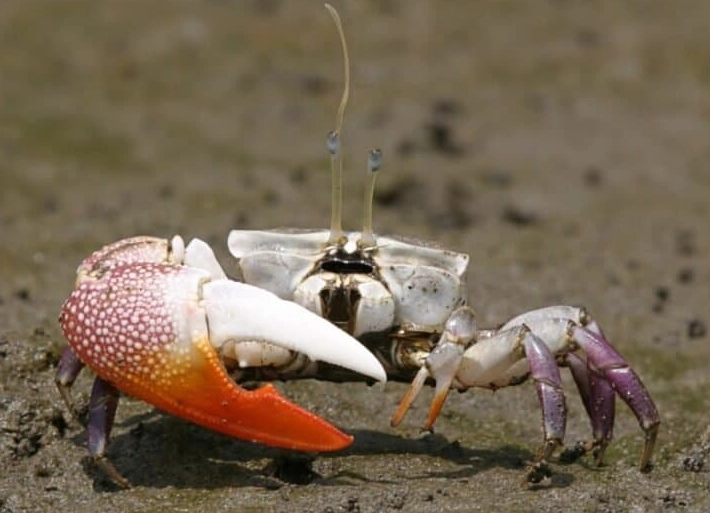
The most commonly accepted genera now are:
Uca (in the stricter, modern sense) – This group includes many classic Atlantic and Eastern Pacific species.
Leptuca – A large group containing many smaller, often brightly colored species from the Americas.
Minuca – Another American group, often with mid-sized crabs.
Austruca & Gelasimus – Genera containing many Indo-West Pacific species.
So, the fiddler crab scientific name is no longer just Uca. It's a family of names. For example, the common Atlantic marsh fiddler crab is now Leptuca pugilator. The red-jointed fiddler from the US Gulf Coast is Minuca longisignalis. The change is a headache for amateur naturalists, but it reflects a more accurate picture of their relationships.
How to Identify Different Fiddler Crab Species
Telling fiddler crab species apart is tough. They're small, fast, and look similar. Relying solely on color is a classic mistake – it varies with age, sex, and even the time of day. The real clues are in the structure.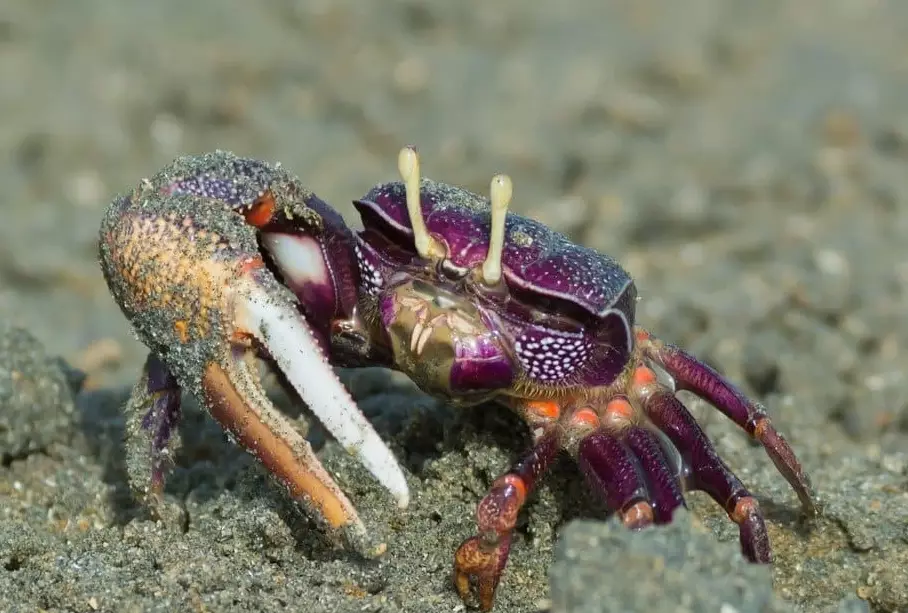
Here’s what you need to focus on, in order of importance:
1. Location, Location, Location. Your geography narrows it down instantly. You won't find a Japanese species in Florida. Start with your continent and habitat type (mangrove forest vs. open salt marsh vs. muddy riverbank).
2. The Male's Major Claw (Chela). This is your best feature. Look beyond its size. Is the inner palm smooth or covered in dense bumps (tubercles)? Are the fingers (dactyl and pollex) straight, curved, or gaping? The shape of this claw is species-specific.
3. The Carapace (Shell). Look at the top shell. Is it square-ish or more rounded? Are the front corners (anterolateral angles) sharp or rounded? Run your finger (in your mind or on a photo) along the front edge between the eyes – is it straight, curved, or notched?
4. The Walking Legs (Ambulatories). Often ignored, but useful. Some species have bands, others are plain. The length and hairiness can differ.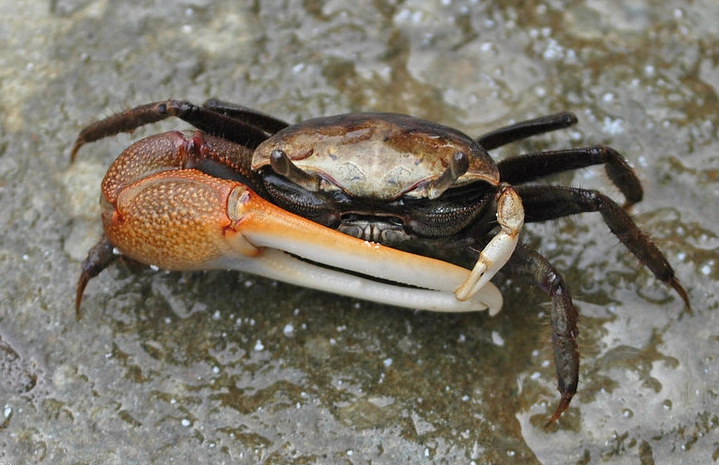
To give you a concrete starting point, here are three widespread species and their key traits:
| Common Name | Current Scientific Name | Key Identifying Features | Primary Habitat & Range |
|---|---|---|---|
| Atlantic Sand Fiddler | Leptuca pugilator | Male's large claw has a smooth palm. Carapace is relatively square. Often has a blue-grey or tan hue. | Sandy beaches & marshes; Atlantic coast of USA. |
| Red-Jointed Fiddler | Minuca longisignalis | Pronounced red/orange joints on walking legs. Male's large claw has a gap between fingers. Creates distinctive volcano-shaped sand pellets. | Muddy salt marshes; Northern Gulf of Mexico coast. |
| Mangrove Fiddler | Gelasimus vocans | Often brightly colored (male claw may be yellow or white). Carapace front is very broad and straight. A classic mangrove species. | Muddy mangrove forests; Widespread in Indo-Pacific. |
I spent a whole summer in Florida trying to ID every fiddler I saw. The breakthrough came when I stopped looking at the whole crab and started sketching just the large claw and the front of the carapace. That's where the signature is.
Tools to Help You Identify Them
Don't try to memorize everything. Use tools.
Regional Field Guides: Books specific to your area are gold. For North America, look for guides that cover crustaceans, not just general wildlife.
iNaturalist: This app is a game-changer. Upload a clear photo, and the community (including experts) can suggest IDs. You can also browse observations near you to see what species are present. It uses the updated taxonomy.
Scientific Papers: For serious study, search for "fiddler crab [your region]" in Google Scholar. Older papers use Uca, newer ones use the split genera. The Smithsonian Institution has excellent online resources.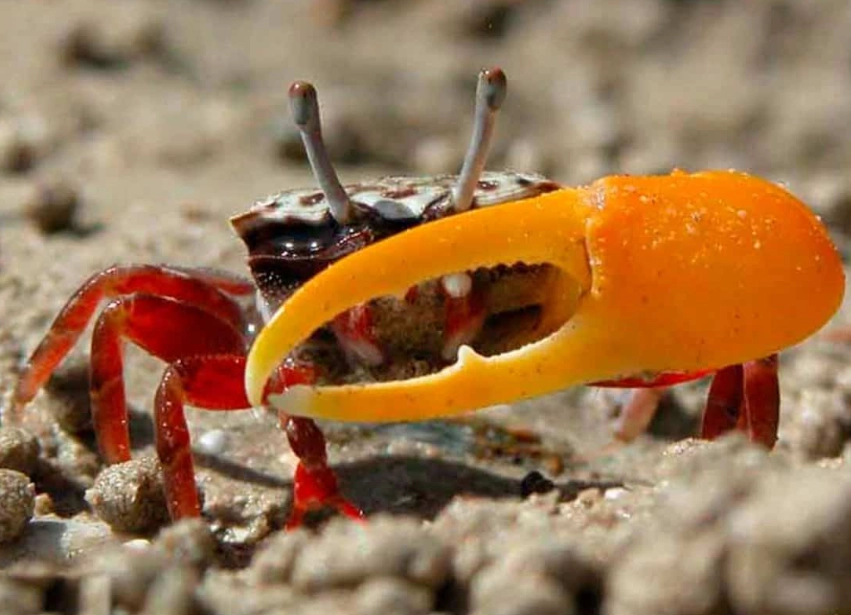
Where and How to Find Fiddler Crabs
Finding them is easy if you're in the right place at the right time. They are visual communicators, so they need light.
Best Time: Low tide on a sunny day. They retreat into their burrows during high tide and at night. Two hours before to two hours after low tide is prime time.
Best Places: Think intertidal zones. Salt marshes are fiddler crab cities. Mangrove forests, especially along the muddy edges of creeks. Sheltered sandy or muddy beaches, often near estuaries. Sometimes even along brackish riverbanks miles inland.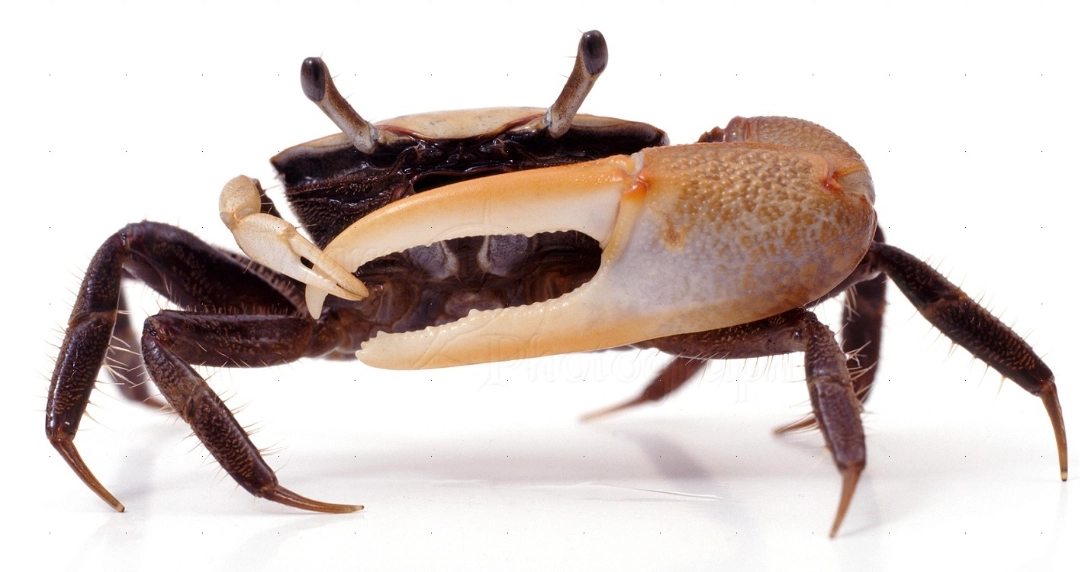
How to Observe: Move slowly and quietly. Sudden movements or vibrations send them scrambling. Sit down and wait 5-10 minutes. They'll re-emerge. Use binoculars for detail without disturbing them. The goal is to watch behavior – the waving, fighting, feeding. That's the real show.
I remember a specific spot in the Florida Keys, a boardwalk through a mangrove forest. At noon low tide, the mud was alive with thousands of Gelasimus vocans. The sound of their little feet scuttling was like rain. You can't get that from a textbook.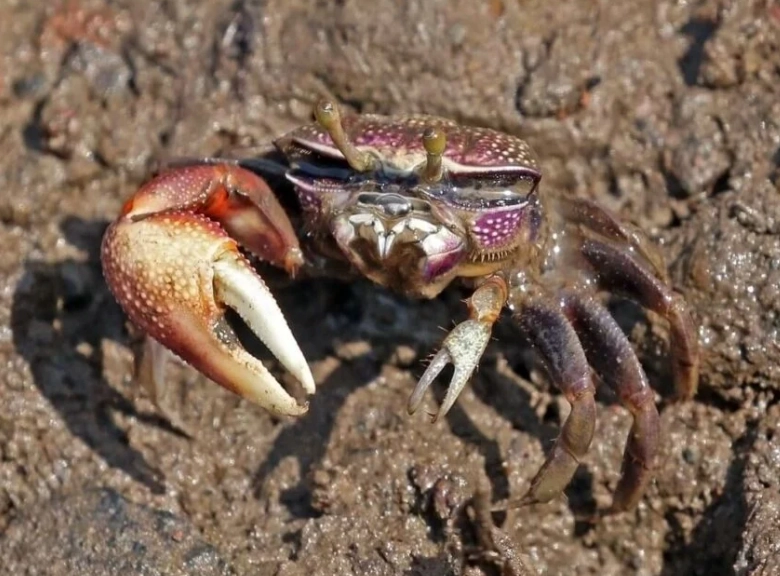


Comments
Leave a Comment