You're walking along the beach after a storm, and the shoreline is dotted with thousands of little blue, jelly-like creatures. They look alien, delicate, and strangely beautiful. Your first instinct? To kneel down and poke one. But you hesitate. Can you touch a by-the-wind sailor, or is that a quick way to get a nasty sting?
The short, direct answer is yes, you can usually touch them, but you absolutely should not do so carelessly. There's a right way and a very wrong way to interact with these ocean drifters. I've spent over a decade combing Pacific Northwest beaches, and I've seen the full cycle of these Velella velella blooms—from their stunning blue-armada arrivals to their smelly, crusty ends. Most online advice is either overly cautious (“never touch anything!”) or dangerously flippant (“they're harmless!”). The truth, as usual, is in the messy, specific details.
What You'll Find in This Guide
What Exactly Is a By-the-Wind Sailor? (It's Not a Jellyfish)
Let's clear up the biggest misconception first. Everyone calls them jellyfish, but they're not. A by-the-wind sailor (Velella velella) is a colonial hydrozoan. Think of it as a floating city. Each individual blue disc is a colony of thousands of tiny, specialized polyps working together. The blue “float” is a rigid, gas-filled chamber. The clear “sail” standing upright is made of chitin, and it's why they're at the mercy of the winds.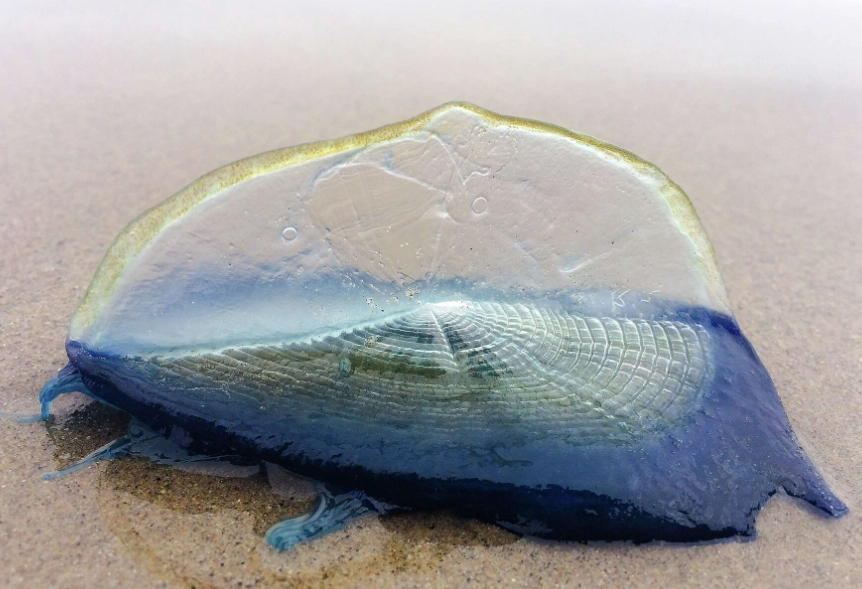
They live on the open ocean's surface, feeding on plankton with trailing tentacles. Their stunning cobalt blue color is thought to be a form of sun protection. When you see one washed up, you're looking at a highly adapted open-ocean creature hopelessly out of its element.
Why Do They Wash Ashore in Massive Numbers?
It's not random. These events, called “wrecks” or “strandings,” are usually driven by strong, persistent onshore winds (like from a spring storm system) that push entire floating armadas onto the beach. Currents play a role too. I've seen beaches from Oregon to central California completely blanketed, creating a surreal, blue-tinted shoreline. It's a boom-and-bust life cycle; they reproduce massively when conditions are right, leading to these dramatic, if fatal for them, shoreline displays.
Can You Touch One Safely? The Sting Risk Explained
This is the core of the question. Here’s the nuanced breakdown that most sources miss.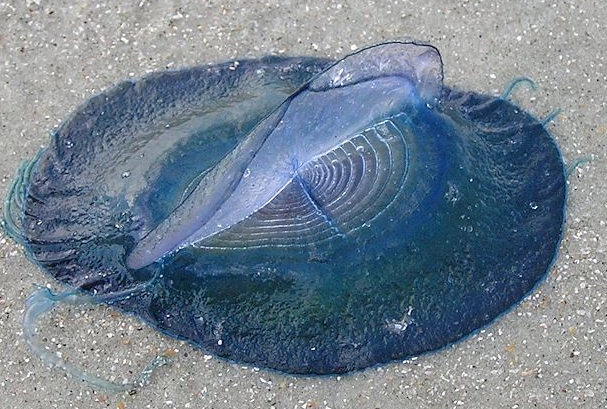
Do they sting? Yes. The trailing tentacles contain stinging cells (nematocysts) used to capture prey. Can they sting you? It's complicated. For most people, the sting is extremely mild to imperceptible on thick skin like fingers. It might feel like a slight prickling or tingling. However, and this is the critical part, sensitivity varies wildly.
I've handled hundreds with dry fingers and never felt a thing. But I once foolishly rubbed my eye after handling a few, and let me tell you, that was a memorable, unpleasant hour. People with sensitive skin, allergies, or who touch more delicate areas (lips, eyes, open cuts) can have a stronger reaction. It's not medically dangerous like a box jellyfish, but it can be irritating.
The Fresh vs. Dried Factor: A Crucial Distinction
This is the expert tip you won't find everywhere. The sting risk plummets once they've been stranded for more than a few hours.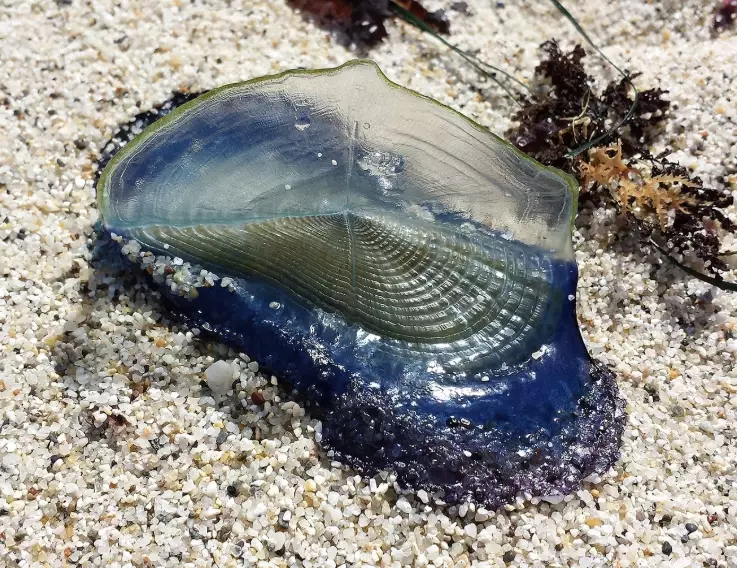
- Freshly Washed Ashore (Still Blue, Plump): Tentacles are likely still functional. Handle with awareness.
- Dried or Deflated (Clear/White, Shriveled): The stinging cells are probably deactivated or gone. The physical structure is more fragile, but the sting concern is minimal.
The real risk isn't a powerful sting; it's the potential for an unexpected allergic reaction or transferring irritants to your face. Treat them with the same basic respect you would any unknown wildlife.
The Right (and Wrong) Way to Handle Them
If your curiosity wins out and you must interact, follow this method. I've taught this to countless school groups on beach field trips.
The Safe Handling Protocol:
- Look, Don't Squish: Use a stick, a shell, or the very tip of a gloved finger to gently roll it over. Avoid squeezing the main body.
- Wet Sand is Your Friend: If you must use your hands, wet them first with seawater. Some believe this can help deactivate stinging cells before they fire.
- The Tentacle Zone: Be mindful of the underside where the tentacles were. Avoid direct contact with that area.
- The Golden Rule: Wash your hands with fresh water as soon as you're done. Do not touch your face, eyes, or mouth until you do.
What Never to Do:
- Don't let children treat them like toys to be collected in buckets (they disintegrate quickly and it's messy).
- Don't throw them at each other (yes, I've seen it).
- Don't assume because you can't feel anything that there's no risk, especially for others.
How to Be a Responsible Beach Observer
Seeing a Velella stranding is a special event. Here’s how to make the most of it ethically.
| Your Goal | Recommended Action | Why It Matters |
|---|---|---|
| Photography | Get low, use the early morning or late afternoon light. Photograph them in situ on wet sand. | Captures their color and texture without disturbance. Wet sand creates beautiful reflections. |
| For Kids | Supervise closely. Use a clear container with seawater for a brief, 5-minute “look-and-see” study, then return the creature to the water's edge. | Teaches respect for marine life and minimizes harm. They decay fast in a warm bucket. |
| Scientific Curiosity | Note the sail orientation. Sails are set at a 45° angle and can be right- or left-handed, influencing which way the wind blows them. | You're contributing to community science. Some research suggests population ratios of sail handedness may be shifting with climate. |
| Clean-up | Leave them on the beach. They are part of the nutrient cycle, feeding birds and insects. | Removing them disrupts the coastal ecosystem. The smell passes in a few tides. |
The best tool you can bring is a good camera or smartphone. The second-best is a small, clear viewing container. The worst is a plastic bag intended for taking them home—they'll just turn into a foul-smelling slurry.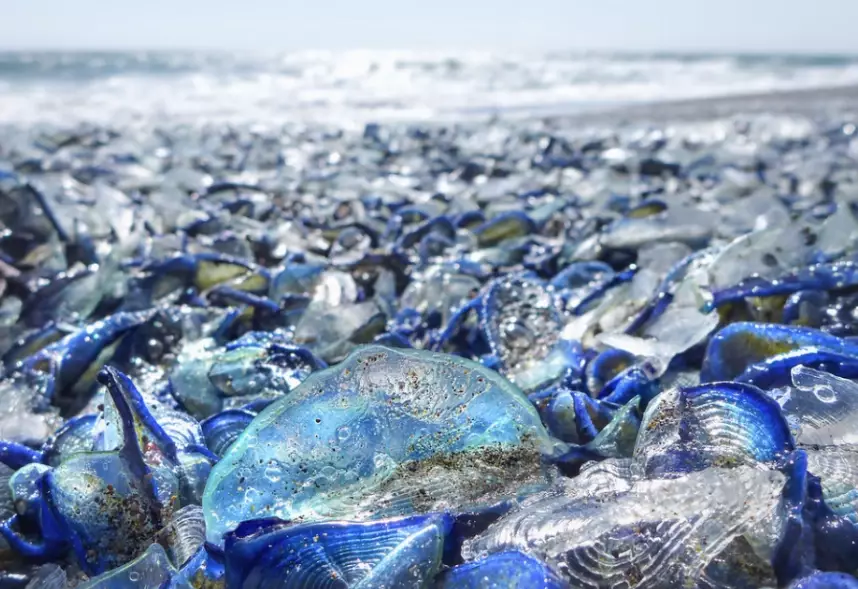
Your By-the-Wind Sailor Questions, Answered
So, can you touch a by-the-wind sailor? You can. But the more profound question is how you touch it—with awareness, respect for its biology, and a commitment to leaving no trace beyond your footprints. These little blue sailors are a fleeting gift from the open sea, a chance to connect with the deep ocean's rhythms right at the tide line. Observe closely, photograph generously, handle minimally, and let the next high tide handle the rest.

Comments
Leave a Comment