Let's cut straight to the point. No, crocodile sharks are not aggressive towards humans. In fact, you will almost certainly never encounter one, and if you did, it would likely be more interested in fleeing than biting. The question of crocodile shark aggression stems from its terrifying appearance—enormous, protruding teeth and wild, bulging eyes that look like something from a nightmare. But looks are deceiving. This is a creature of the deep, open ocean, a specialist in a world far removed from our own. Its "aggression" is a tool for survival in the midnight zone, not a directed threat to people. Having spent years studying pelagic sharks, I've found this species is a classic example of how our fear is shaped by aesthetics rather than reality.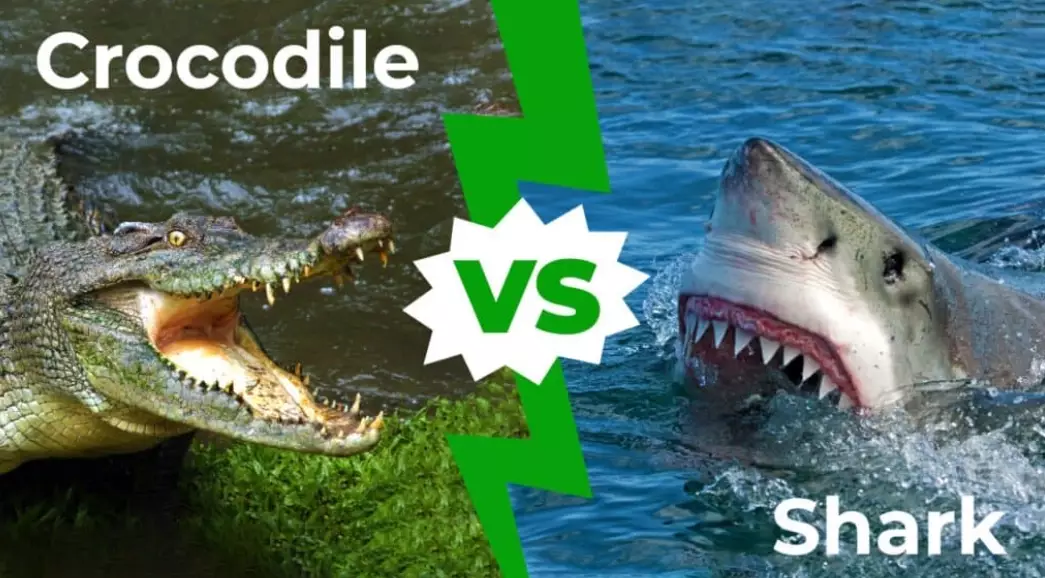
What You'll Find in This Guide
What Exactly Is a Crocodile Shark?
Before we talk about behavior, we need to know what we're dealing with. The crocodile shark (Pseudocarcharias kamoharai) is one of the ocean's weirdest tenants. It's not closely related to crocodiles, of course. The name comes from its jagged, interlocking teeth and a certain reptilian grimace. It's a small shark, typically maxing out around 1.1 meters (3.6 feet) long. Forget the image of a great white cruising coastlines. This animal is an obligate oceanic dweller. It lives its entire life in the deep blue, far from land.
Its habitat is key to understanding it. Crocodile sharks perform something called diel vertical migration. During the day, they hang out in the mesopelagic zone, around 300 to 600 meters deep—a cold, dark, high-pressure environment. At night, they follow their prey upwards, into the warmer epipelagic zone (0-200m). This means they are constantly commuting between two vastly different worlds.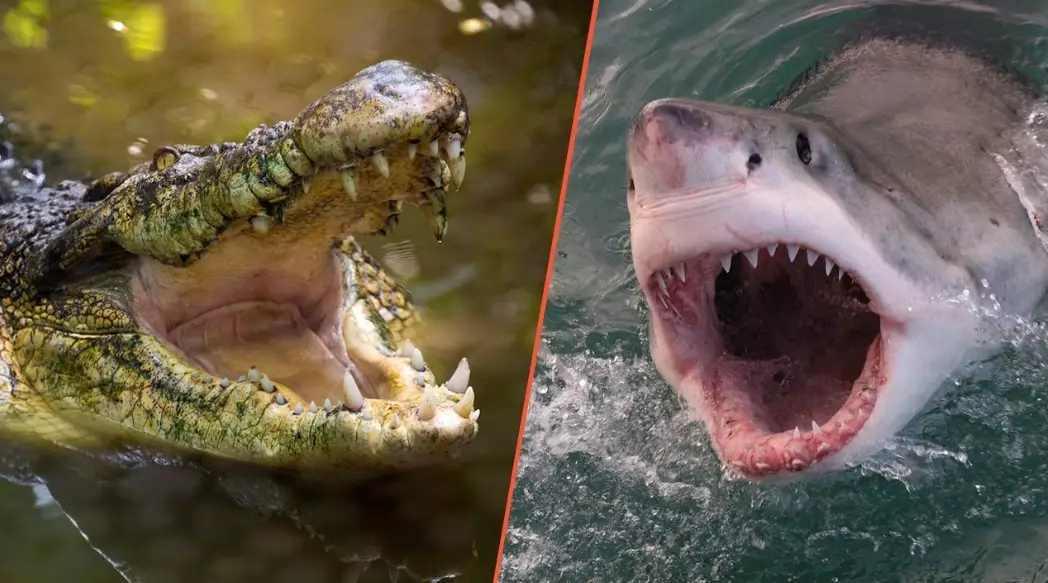
Quick Profile: Think of the crocodile shark as the deep-sea equivalent of a highly specialized predator, like a deep-ocean weasel. It's built for speed and ambush in a food-scarce environment, not for patrolling beaches.
Here’s a breakdown of its key characteristics that often get misconstrued as signs of aggression:
| Feature | What It Looks Like | What It Actually Means |
|---|---|---|
| Teeth | Long, narrow, spike-like, and prominently visible even when the mouth is closed. | Designed for snagging and holding onto slippery, soft-bodied prey like squid and small fish. Not for shearing flesh like a great white's teeth. |
| Eyes | Extremely large, green, and bulging. | An adaptation for gathering the faintest traces of light in the deep sea. It's about seeing prey, not staring you down. |
| Body Shape | Slender, cylindrical, with a pointed snout. | Built for efficient, fast swimming in open water to chase down agile prey like lanternfish. |
| Typical Size | ~1 meter long. | It's a small shark. Its prey items are correspondingly small (squid, shrimp, small fish). Humans are not on the menu—we're the wrong size and shape. |
One common mistake I see in online forums is lumping all large-toothed sharks together. People see the teeth of a crocodile shark and mentally file it next to a bull shark or a tiger shark. That's like comparing a house cat's hunting of mice to a lion's predation on wildebeest. The scale, context, and intent are entirely different.
Aggression: Separating Hollywood Myth from Ocean Reality
So, are crocodile sharks aggressive? Within their ecological context, yes, they are effective predators. Towards humans? Absolutely not. Let's define our terms. In animal behavior, "aggression" often implies a readiness to attack, often in defense or to establish dominance. Crocodile sharks exhibit predatory behavior, which is a focused, feeding-related action. They aren't "angry" or "territorial" in a way that would bring them into conflict with humans.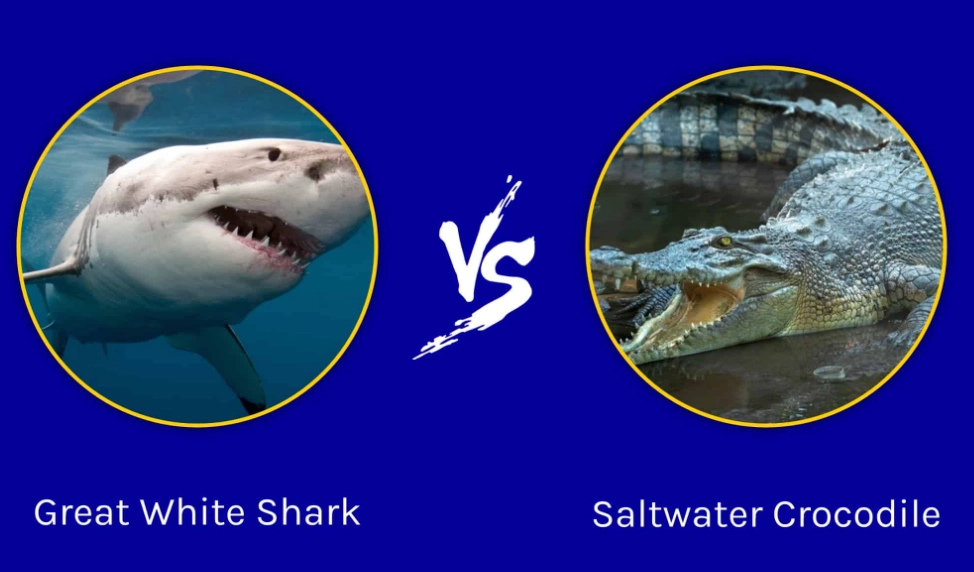
Their hunting strategy is built for the deep sea. They likely use a combination of stealth and a sudden, upward lunge to grab bioluminescent squid and fish that migrate at night. Those terrifying teeth are hooks. Once they grab a slippery squid, it can't escape. This is a precision tool for a specific job.
Now, consider the environment. A crocodile shark's world is one of immense pressure, near-freezing temperatures, and total darkness for half the day. Its metabolism and behavior are fine-tuned for that. The surface world, where humans swim, is a blinding, warm, alien landscape to them. From their perspective, a human swimmer is a large, noisy, warm-blooded anomaly—not prey, but a potential threat or a curiosity to be avoided.
I recall a conversation with a fisheries observer who worked on tuna longliners in the Indian Ocean. He told me that when crocodile sharks were accidentally hauled onboard, their primary behavior was frantic, disoriented thrashing—a panic response to being out of water and in blinding light. Once subdued, they would lie still, their large eyes seeming almost bewildered. It was a stress response, not aggression. This firsthand account aligns with the scientific consensus that these are animals ill-equipped to deal with the surface world they never evolved to encounter.
The Evolutionary Reason Behind the Fierce Look
Why evolve such a scary face if you're not a threat to large animals? It's a classic case of form following function in an extreme environment.
The teeth are for securing fast, soft prey. The big eyes are biological light amplifiers. Even their large oily liver, which helps with buoyancy, is an adaptation for a life of suspended swimming, not for launching attacks at the surface. Every aspect of their biology screams "deep-sea specialist." Interpreting these adaptations as signs of human-directed aggression is a profound misunderstanding of evolutionary biology.
Human Encounters and Real-World Risk Assessment
Let's talk about actual interactions. The International Union for Conservation of Nature (IUCN) lists the crocodile shark as "Least Concern," but notes it's a common bycatch species in pelagic fisheries. This is the primary point of contact between this shark and humanity.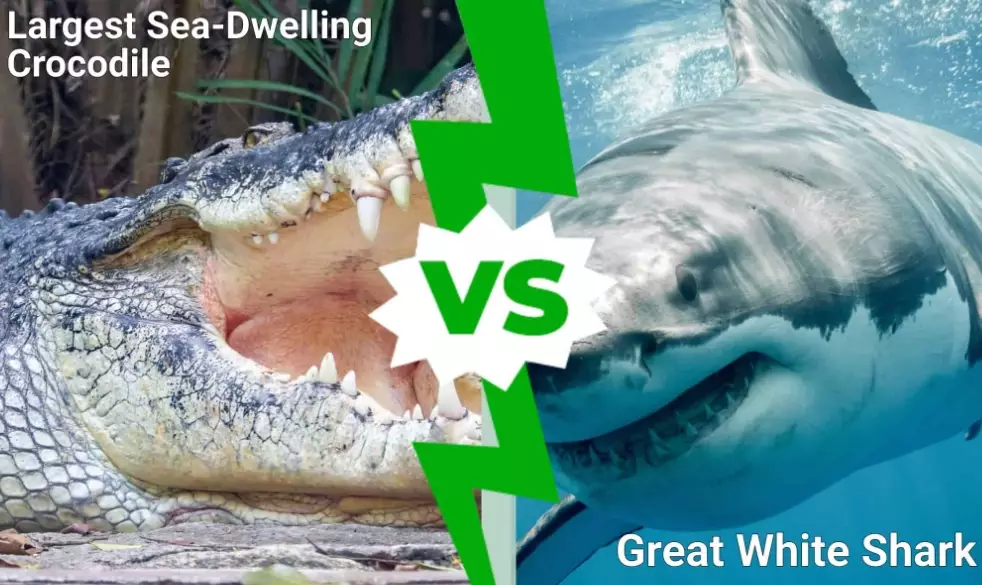
Scenario 1: The Accidental Catch. This is by far the most likely "interaction." A crocodile shark gets caught on a deep-set longline or in a gillnet meant for tuna or swordfish. In this scenario, the shark is stressed, injured, and out of its element. A cornered, injured animal of any species can be dangerous. There are no documented cases of a crocodile shark attacking a fisherman in this situation, but handling any hooked shark requires care—more for the shark's safety than the human's.
Scenario 2: The Extremely Rare Swim-By. Could a freediver or a night diver in very deep, offshore waters theoretically see one? The probability is astronomically low, but not zero. If it happened, the shark would almost certainly investigate from a distance and then leave. It has no evolutionary template for recognizing a human as food. You are larger than its typical prey, move in an unfamiliar way, and are in an environment (bright surface layers) it only visits in darkness to feed.
To put the risk in perspective, you are more likely to be injured by a falling coconut, struck by lightning, or even attacked by a domesticated dog than you are to even see a live crocodile shark in its natural habitat, let alone be bitten by one. The risk is functionally zero.
The real conservation story here is the bycatch issue. These sharks, through no aggressive intent of their own, are caught in huge numbers. They have low reproductive rates (giving birth to just 4 pups at a time), so fisheries pressure is a genuine threat to their populations. Our focus should be on mitigating bycatch, not fearing a non-existent attack.
Your Crocodile Shark Questions Answered
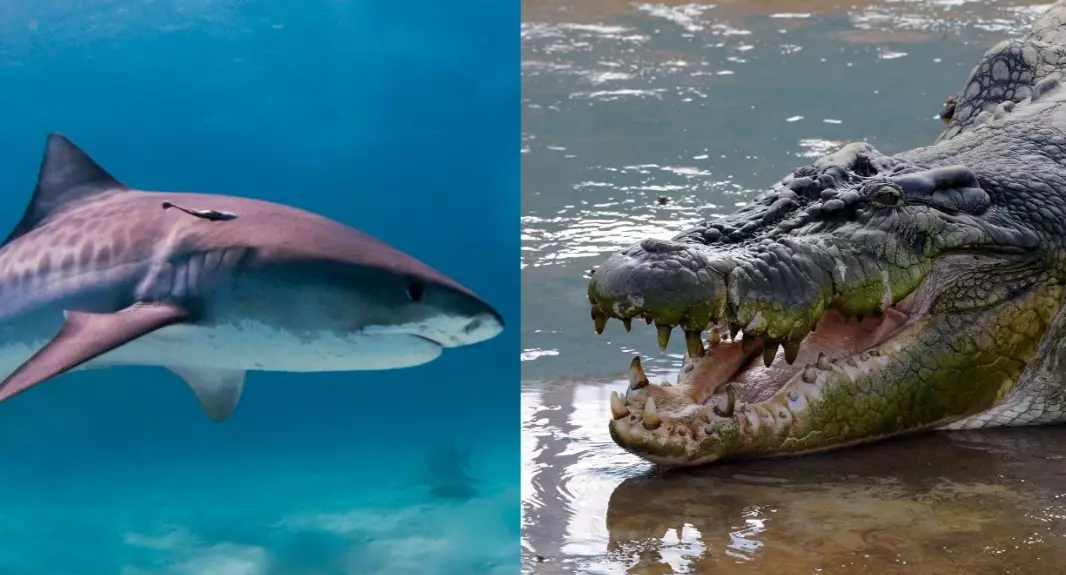 How does the crocodile shark's "aggression" compare to more common sharks like bull sharks or tiger sharks?
 The bottom line is this: the crocodile shark is a marvel of deep-sea adaptation, a creature perfectly sculpted for a world we can barely imagine. Its fearsome appearance is a testament to the harsh realities of life in the ocean's twilight zone, not a warning sign for swimmers. The question of crocodile shark aggression reveals more about our own tendency to project fear onto the unknown than it does about the animal itself. The real story isn't about danger; it's about the incredible, hidden biodiversity of the open ocean and the unintended consequences our fisheries have on these enigmatic beings.




Comments
Leave a Comment