Let's be honest. You're not looking at a caiman lizard (Dracaena guianensis) because it's easy. You're drawn to that prehistoric look, the armored scales, the semi-aquatic lifestyle that screams "living dinosaur." I get it. I've kept them for years. But here's the raw truth most care sheets gloss over: a caiman lizard is a commitment on par with a high-maintenance dog, not a beginner's reptile. This guide won't sell you a fantasy. We'll dive into the real, nitty-gritty details of housing, feeding, and understanding these incredible animals, including the expensive mistakes I made so you don't have to.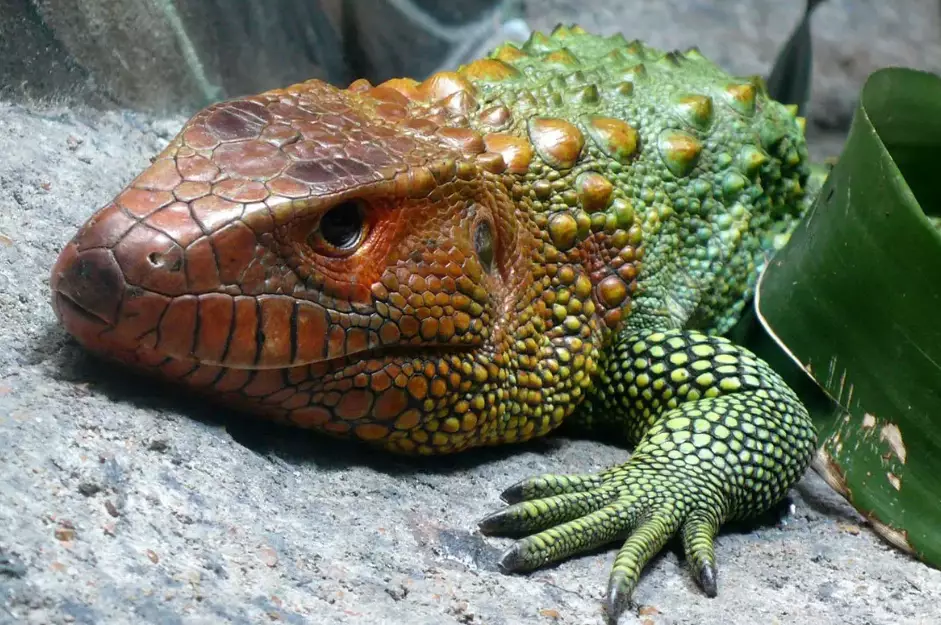
What You'll Find Inside
- What Exactly Is a Caiman Lizard?
- Caiman Lizard Care: Setting Up the Perfect Enclosure
- Feeding Your Caiman Lizard: From Snails to Supplements
- Caiman Lizard Behavior and Temperament
- Common Health Issues in Caiman Lizards
- Is a Caiman Lizard the Right Pet for You?
- Frequently Asked Questions (Answered by a Keeper)
What Exactly Is a Caiman Lizard?
Native to the rainforest swamps and flooded forests of the Amazon Basin (think parts of Brazil, Colombia, Ecuador, Peru), the caiman lizard is a semi-aquatic teiid. It's not closely related to actual caimans, but its osteoderms (bony plates in the skin) give it that crocodilian armor. They spend a huge amount of time in the water, are powerful swimmers, and have a highly specialized diet. Adults can reach 2 to 4 feet in length, with the tail making up a good half of that. They're not a pet you put in a simple glass tank. Their needs are complex and specific.
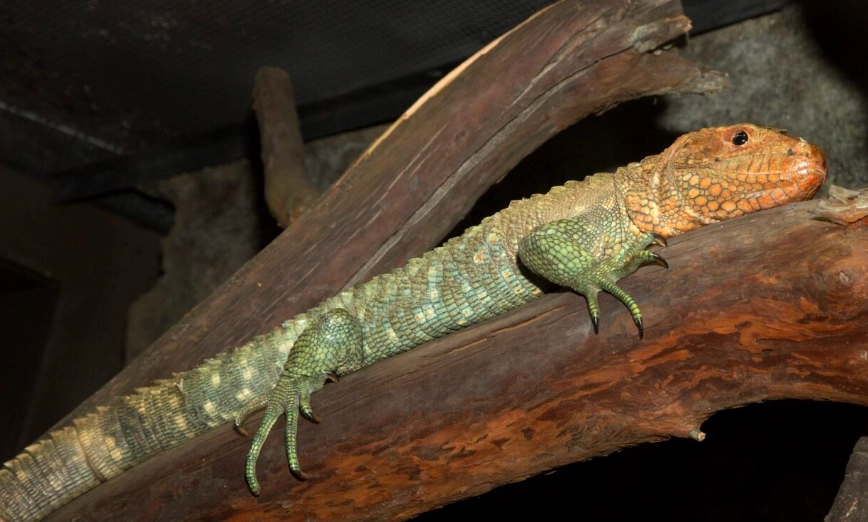
One nuance rarely mentioned: their activity pattern. They're not baskers in the traditional, all-day sense. You'll often see them partially submerged, with just their head on a log, soaking up UVB and heat while their body stays cool in the water. It's a unique thermoregulation strategy that your enclosure must accommodate.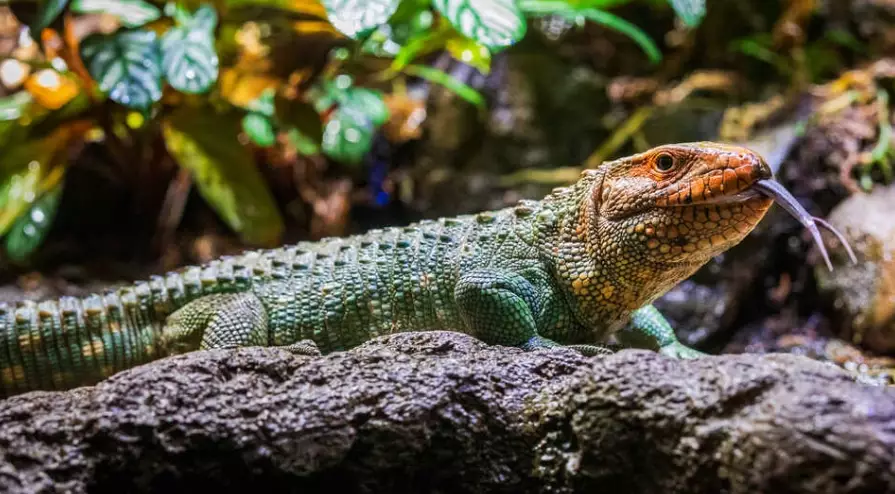
Caiman Lizard Care: Setting Up the Perfect Enclosure
This is where most first attempts fail. A standard reptile terrarium is useless. You're building a bioactive paludarium—a combined land and water ecosystem.
The Non-Negotiable Enclosure Size
For a single adult, the absolute minimum is 6 feet long, 3 feet wide, and 4 feet tall. Bigger is always better. I started with a 4x2x2 and upgraded within a year—it was a costly lesson. The height is crucial for proper temperature gradients and for creating a deep water section.
The Aquatic Zone
At least 50% of the floor space must be water, and it needs to be deep. We're talking 12 to 18 inches minimum, allowing the lizard to fully submerge and swim. A simple water dish won't cut it. You need a built-in pond or aquarium section with:
- A powerful canister filter: Think Fluval FX series or equivalent. Their waste is substantial, and water quality is paramount to prevent shell rot and infections.
- A water heater: Maintain water temperature between 78-82°F (25-28°C). Too cold leads to lethargy and poor digestion.
- Easy drainage: You'll need to do partial water changes weekly. A built-in drain valve is a lifesaver.
The Basking Zone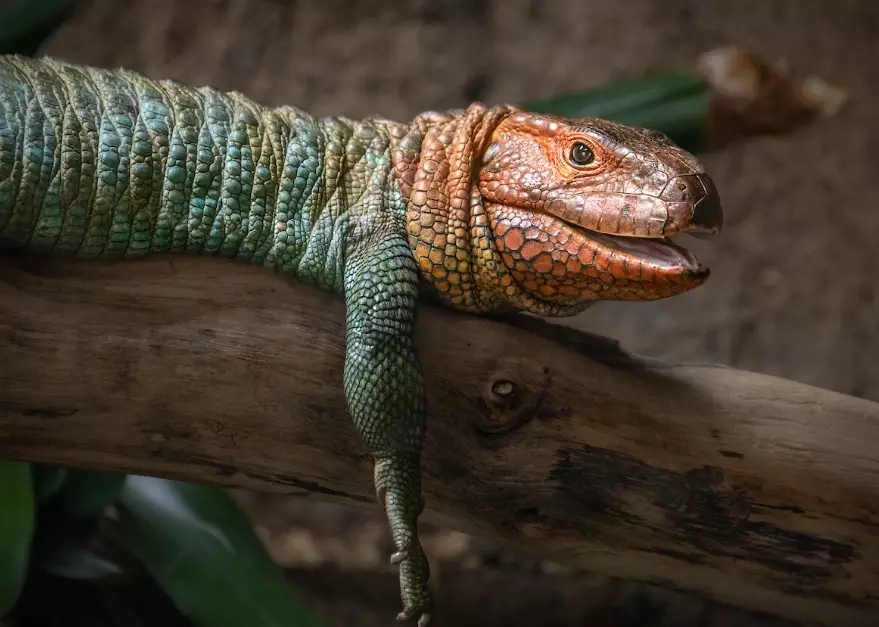
This is the dry land area. It needs to be sturdy, large enough for the lizard to fully sprawl, and positioned under the heat/UVB lamps. Use a mix of soil, sphagnum moss, and cork bark for humidity retention. Provide multiple hiding spots—cork rounds, half-logs, and sturdy live or artificial plants.
Heating and Lighting: The Details Everyone Gets Wrong
| Parameter | Requirement | Tool & Notes |
|---|---|---|
| Basking Spot Temp | 95-100°F (35-38°C) | Use a halogen flood bulb on a thermostat. Measure with a temp gun. |
| Ambient Air Temp | 80-85°F (27-29°C) | Ceramic heat emitter or radiant heat panel for nighttime/ambient heat. |
| UVB Lighting | Essential | A T5 HO linear UVB tube (10.0 or 12% strength), covering 2/3 of the enclosure. Replace every 10-12 months. |
| Humidity | 70-90% | Automatic misting system is ideal. Manual misting 2-3x daily. Use a digital hygrometer. |
The common error? Placing the UVB light over the water. UVB doesn't penetrate water effectively. The basking platform must be directly under the UVB and heat source.
Feeding Your Caiman Lizard: From Snails to Supplements
Their diet in the wild is almost exclusively aquatic snails and mollusks. They have broad, flat teeth in the back of their jaws specifically for crushing shells. You can't just feed them crickets and lettuce.
The Staple Diet:
- Freshwater Snails: Ramshorn, mystery apple snails, and pond snails (from safe, pesticide-free sources). This is their natural food.
- Canned Snails: A good alternative, available from gourmet food suppliers. Rinse well.
- Whole Prey (Occasional): Frozen/thawed shrimp (with shell), crayfish, mussels, and very occasional pinky mice for variety.
Feeding Schedule: Adults eat 2-3 times per week. Juveniles may need feeding every other day. Offer as much as they will consume in a 10-minute session.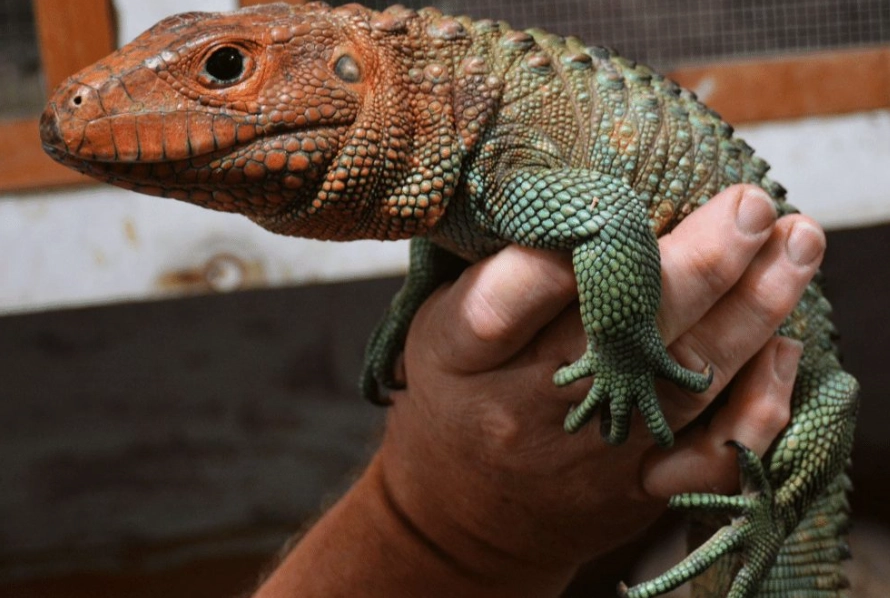
Caiman Lizard Behavior and Temperament
Don't expect a cuddly pet. They are intelligent, observant, but primarily defensive animals. Taming takes immense patience.
Most are head-shy and will whip their powerful tails if frightened. With consistent, non-threatening interaction (like tong-feeding and presence near the enclosure), some individuals become tolerant of handling for short periods. But they are not "lap lizards." Their primary joys are swimming, exploring, and foraging.
Signs of stress include hiding constantly, refusing food, and frantic swimming. A happy caiman lizard will alternate between basking, swimming leisurely, and digging in the substrate.
Common Health Issues in Caiman Lizards
Prevention is everything with a setup this complex.
| Issue | Symptoms | Prevention & Notes |
|---|---|---|
| Shell Rot (Ulcerative Dermatitis) | Discolored, soft, or pitted scales, especially on the belly and sides. | Caused by dirty, stagnant water. Maintain impeccable water quality with strong filtration. |
| Metabolic Bone Disease (MBD) | Soft jaw, bowed limbs, tremors, difficulty moving. | Result of incorrect UVB lighting and/or poor calcium supplementation. Often fatal if advanced. |
| Respiratory Infection | Wheezing, mucus in mouth/nose, lethargy, gaping. | Caused by incorrect temperatures (too cold) and/or poor ventilation with high humidity. |
| Parasites | Weight loss despite good appetite, abnormal feces. | Always get a fecal exam from an exotic vet for any new animal. Quarantine is essential. |
Find a vet who specializes in reptiles before you get the lizard. Not all vets are equipped for them.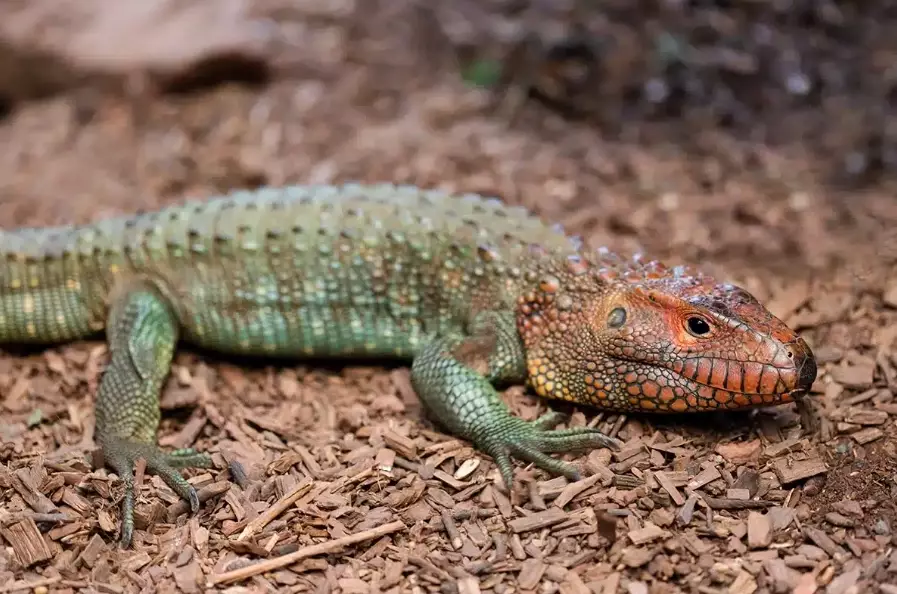
Is a Caiman Lizard the Right Pet for You?
Let's make a brutally honest comparison.
| Pros (The Rewards) | Cons (The Realities) |
|---|---|
| Unbelievably unique and beautiful animal. | Extremely expensive initial setup ($1500-$3000+). |
| Fascinating semi-aquatic behaviors to observe. | High ongoing costs (electricity, filters, food). |
| Long lifespan (10-15+ years with proper care). | Requires significant daily maintenance (filter checks, misting). |
| Intelligent and can display individual personality. | Not a handleable pet; defensive and can deliver a painful bite. |
| Sourcing proper food (snails) can be a challenge. |
You are a good candidate if: You have advanced reptile-keeping experience, a large budget, space for a room-sized enclosure, and you value observation over interaction. You're fascinated by ecosystem building.
Look for another species if: You're a beginner, want a pet to handle frequently, have limited space/funds, or need a low-maintenance animal.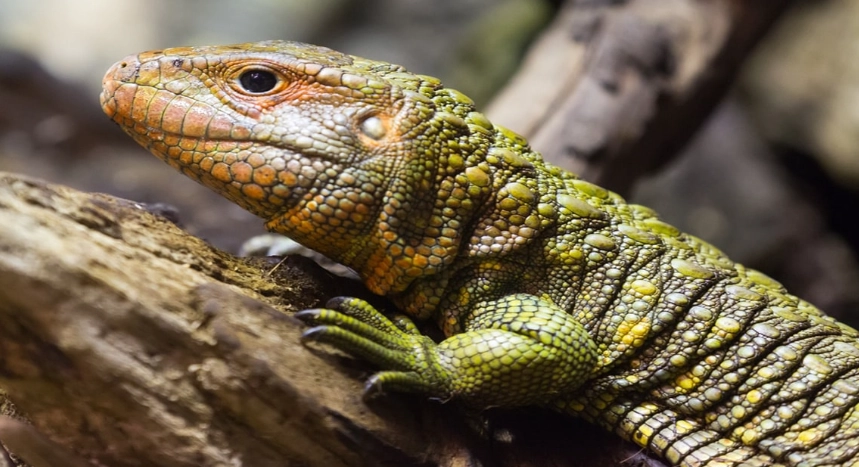
Frequently Asked Questions (Answered by a Keeper)
My caiman lizard won't eat anything but snails. What can I do?
This is their natural preference, and it's a good sign. First, ensure the snails are the right size. Try offering a snail with a small piece of shrimp or mussel tucked inside the shell—like a Trojan horse. Sometimes, scenting other foods by rubbing them with a snail can work. But honestly, a snail-based diet is perfectly healthy. The struggle is often getting them to accept the necessary supplements, which is why dusting is crucial.
Can I house two caiman lizards together?
I strongly advise against it, especially for beginners. They are solitary and can be territorial. Cohabitation often leads to competition for food and basking spots, resulting in stress, injury, or one lizard dominating resources. The only possible exception would be a massive, custom-built enclosure for a proven male-female pair, and even then, close monitoring for aggression is required. It's rarely worth the risk.
How do I safely handle my caiman lizard for tank cleaning?
Minimize handling. The best method is to use a large, sturdy plastic tub or a hide box to guide them into for temporary containment. Wear thick gloves. Never grab from above—this mimics a predator. Support the entire body, with one hand under the chest and the other supporting the hindquarters and tail. Avoid the tail whip by keeping it pointed away from you. Keep sessions under 10 minutes.
 What's the biggest misconception about their water needs?
People think "semi-aquatic" means a large water bowl. It doesn't. It means they are physically and psychologically adapted to a deep, swimmable aquatic environment. Denying them this depth leads to frustration, poor muscle tone, and compromises their natural behaviors. The water section isn't a feature; it's half of their home.
Are they endangered? Where can I ethically acquire one?
According to the IUCN Red List, Dracaena guianensis is currently listed as Least Concern, but habitat loss is a threat. Always seek out captive-bred specimens from reputable breeders. Avoid wild-caught imports, which are often stressed, carry parasites, and contribute to population pressures. A good breeder will provide detailed health and feeding records. Expect to pay a premium for a healthy, captive-bred baby.





Comments
Leave a Comment