If you've ever reeled in a sheepshead fish and gotten a close look, that mouth might've given you a start. It's not every day you see a fish with teeth that look like they belong in a human dentist's chair. I remember my first time catching one off the coast of Florida—I almost dropped my rod, thinking I'd hooked some weird mutant. But no, it's just nature doing its thing. This fish, scientifically known as Archosargus probatocephalus, is a fascinating oddball in the marine world, and its teeth are the main event. Let's dive straight in: those teeth aren't for show; they're a highly specialized tool for crushing shellfish, and understanding them can make you a better angler or a more informed ocean enthusiast.
What You'll Learn in This Guide
- What Exactly Is the Sheepshead Fish?
- The Human-Like Teeth: How They Work and Why They Evolved
- Where to Find Sheepshead Fish: Habitats and Hotspots
- How to Catch Sheepshead Fish: A Step-by-Step Angler's Guide
- Common Myths About Sheepshead Fish Debunked
- Conservation Status and Ecological Role
- Your Burning Questions Answered (FAQ)
What Exactly Is the Sheepshead Fish?
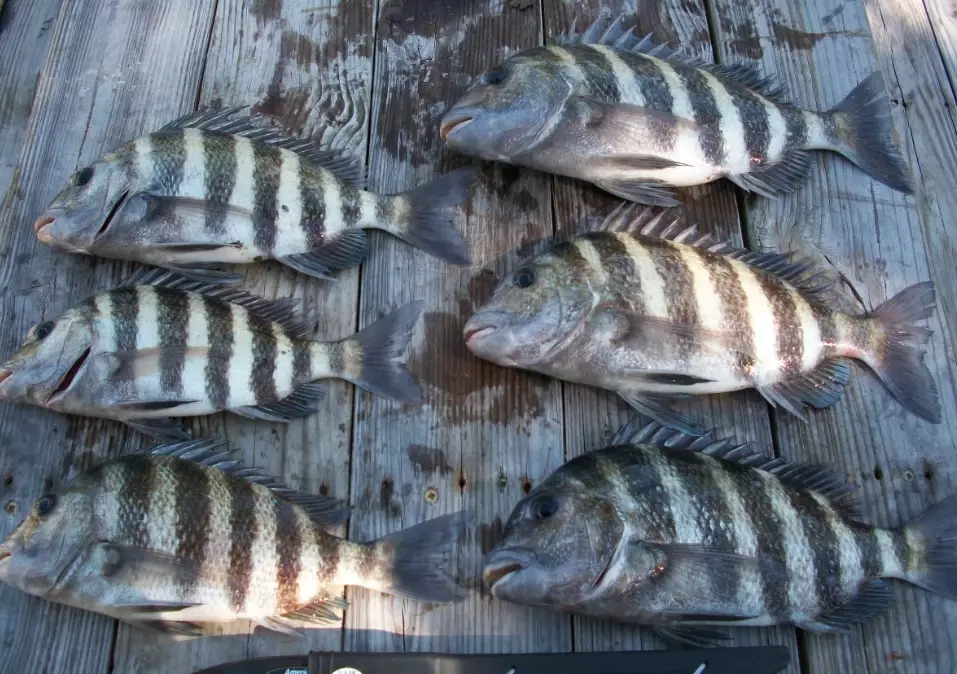
The sheepshead fish isn't some deep-sea monster—it's a common inhabitant of the Atlantic and Gulf coasts of the United States, from Nova Scotia down to Brazil. It's a member of the porgy family, and it's got a reputation among fishermen for being tricky to hook. I've spent years chasing these guys, and let me tell you, they're smarter than your average fish. They hang around structures like piers, jetties, and oyster beds, munching on crustaceans and mollusks. Adult sheepshead typically range from 1 to 3 pounds, but I've seen monsters up to 15 pounds in places like the Chesapeake Bay. Their body is silvery with dark vertical stripes, which helps them blend into rocky environments. But the real standout feature? That set of chompers.
Here's a quick rundown of key traits:
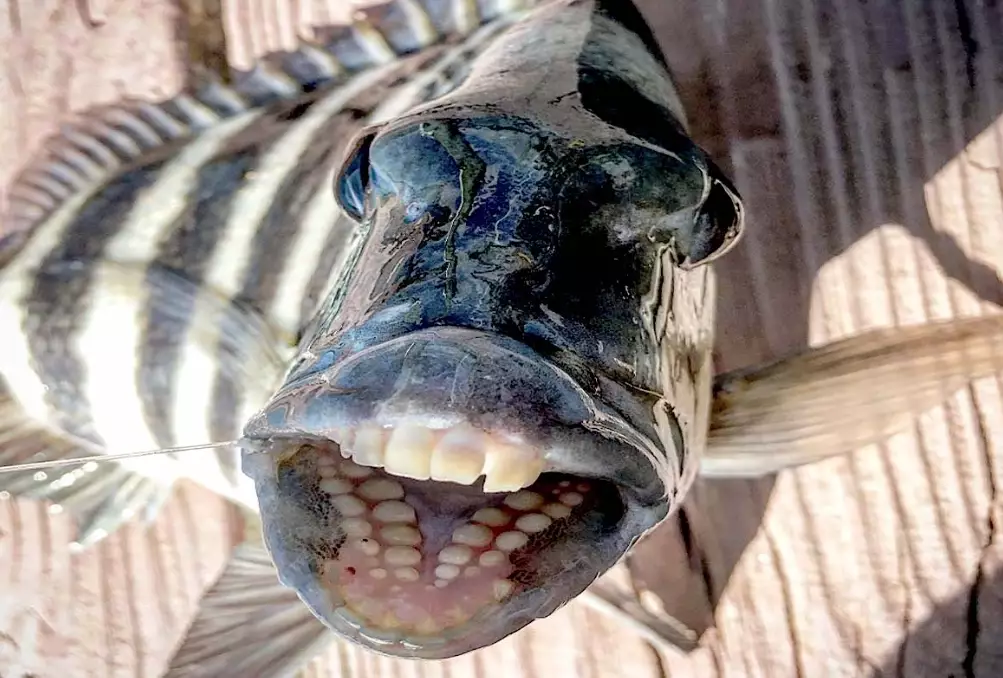
Appearance: Compressed body, black vertical bands, sharp dorsal spines. The teeth are flat and molar-like, perfect for grinding.
Diet: Primarily shellfish—crabs, oysters, clams. They use those teeth to crush shells with ease.
Behavior: They're cautious feeders, often nibbling bait delicately, which drives anglers nuts. I've lost count of the times I've felt a tap and then nothing.
The Human-Like Teeth: How They Work and Why They Evolved
Okay, let's get into the teeth. When people say "human teeth," they're not exaggerating. Sheepshead have incisors at the front for snipping and molars in the back for crushing. It's eerily similar to our own dental setup. I once showed a photo to a dentist friend, and he joked about booking an appointment for the fish. But evolution didn't design this for laughs. These teeth are a direct adaptation to their diet. Shellfish are tough, and sheepshead need to break through exoskeletons to get to the meat. The molars apply immense pressure—think of it as a natural nutcracker.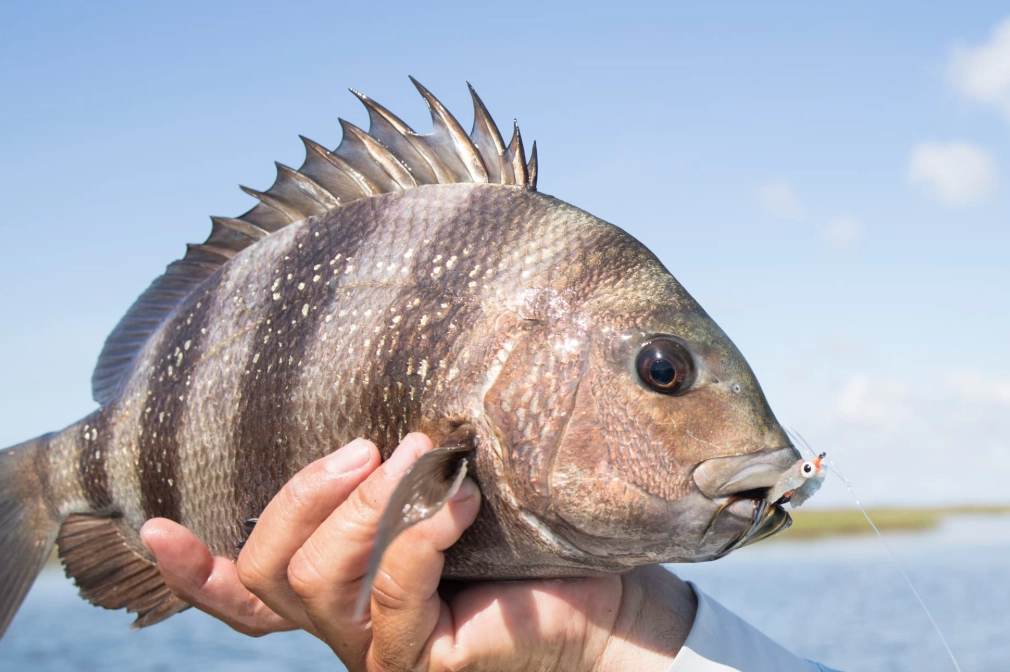
Why did this evolve? In marine environments, competition for food is fierce. By specializing in hard-shelled prey, sheepshead carved out a niche. They're not alone; other fish like black drum have similar teeth, but sheepshead are the poster child. A study from the University of Florida's Institute of Food and Agricultural Sciences notes that their jaw structure allows for efficient force distribution, making them expert shell-crackers. If you're snorkeling near oyster reefs, you might hear the crunching—it's unmistakable.
Comparing Sheepshead Teeth to Other Fish
Most fish have pointed teeth for tearing flesh. Sheepshead? They're the orthodontists of the sea. Here's a quick comparison:
| Fish Species | Tooth Type | Primary Function | Diet Focus |
|---|---|---|---|
| Sheepshead | Flat molars and incisors | Crushing shells | Shellfish |
| Bluefish | Sharp, conical teeth | Tearing flesh | Small fish |
| Parrotfish | Fused beak-like teeth | Scraping algae | Coral and algae |
| Black Drum | Pharyngeal teeth (in throat) | Grinding shells | Mollusks |
This table shows how sheepshead stand out. Their teeth are in the jaw, not hidden away, which makes them visible and intriguing.
Where to Find Sheepshead Fish: Habitats and Hotspots
Finding sheepshead isn't rocket science, but you need to know where to look. They love structure. I've had the best luck around oyster beds, rocky shorelines, and pilings. In the U.S., prime spots include the Gulf Coast from Texas to Florida, the Atlantic coast from the Carolinas down, and estuaries like the Indian River Lagoon. Time of year matters too—they're more active in cooler months, from fall to early spring, when water temperatures drop to around 60-70°F.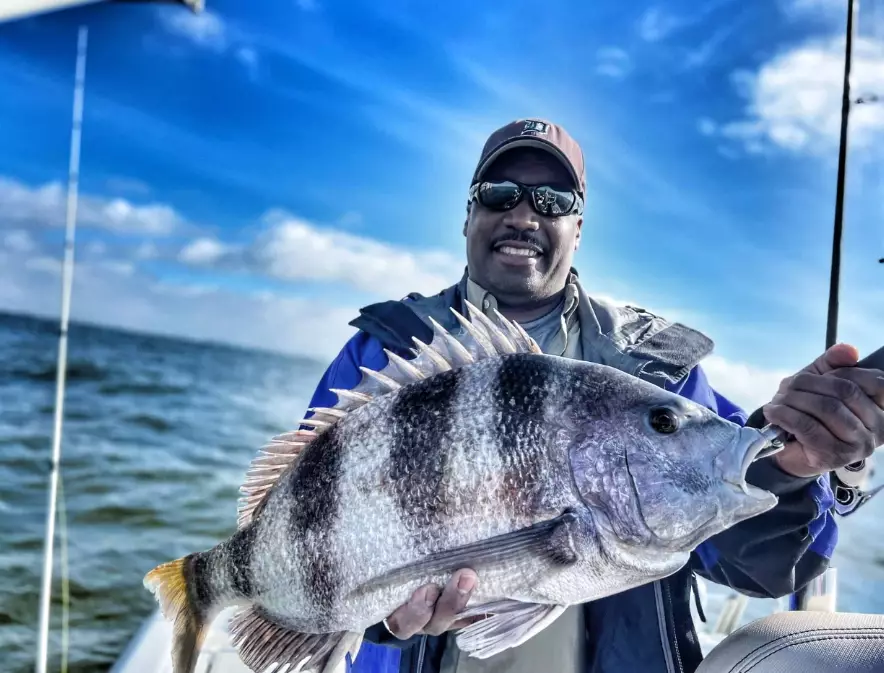
Let's get specific. If you're planning a trip, here are three top locations based on my experience:
1. Tampa Bay, Florida: Year-round action, especially around the Skyway Bridge piers. Fish on incoming tides for best results.
2. Chesapeake Bay, Maryland/Virginia: Spring and fall are peak seasons. Target old docks and wreck sites.
3. Galveston, Texas: Jetties and oil rigs hold big sheepshead. Winter months see fewer boats, so less competition.
Don't just cast blindly. Look for barnacle-covered structures—that's where their food hangs out. I once spent a whole day at a pier in Charleston and caught nothing until I moved to a spot with visible oyster clusters. Lesson learned.
How to Catch Sheepshead Fish: A Step-by-Step Angler's Guide
Catching sheepshead is a test of patience and finesse. They're notorious for stealing bait without getting hooked. I've seen beginners yank the rod too hard and come up empty. Here's a practical guide I've refined over years of trial and error.
Gear Up Right: Use light to medium tackle. A 7-foot spinning rod with 10-15 lb test line works well. Sheepshead have sharp gill plates, so bring a net—lifting them by the line can cut it.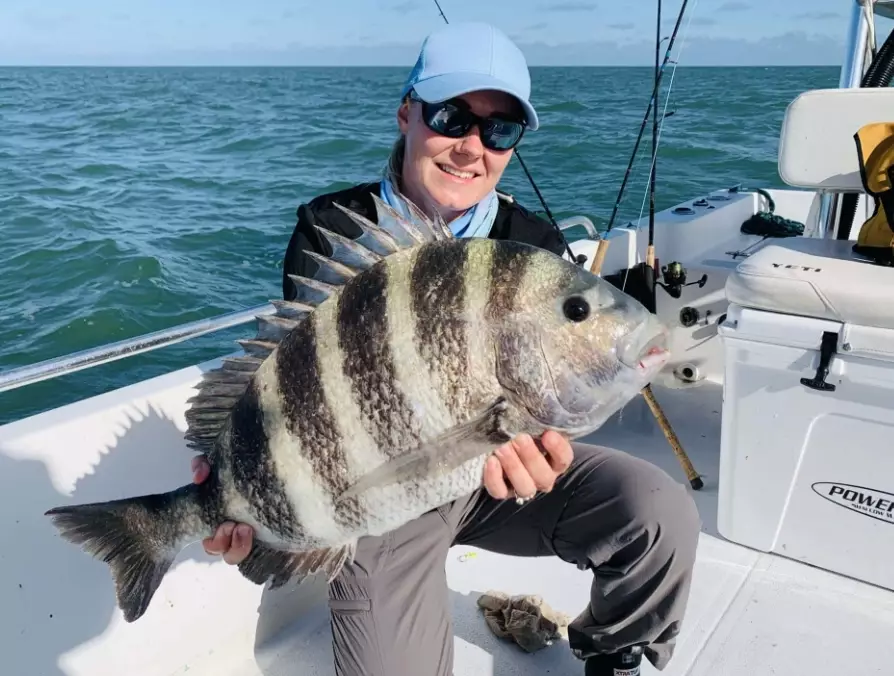
Bait Selection: They're picky eaters. Fresh is best. Fiddler crabs are the gold standard, but sand fleas, shrimp, and pieces of clam also work. I always carry a mix; sometimes they prefer one over another for no obvious reason.
Technique: Cast close to structure. Let the bait sink slowly. Sheepshead nibble delicately—you'll feel light taps. Wait for a steady pull before setting the hook with a quick upward motion. Don't jerk it; a smooth set does the trick.
Timing: Fish during moving tides, especially the last two hours of incoming tide. Early morning or late afternoon can be productive, but I've caught them midday too if the water's murky.
One mistake I made early on: using hooks that were too big. Switch to small, sharp hooks like size 1 or 2 circle hooks. They increase hook-up rates because sheepshead mouth the bait carefully. Also, consider using a fish finder rig to keep the bait near the bottom where they feed.
Advanced Tips for Seasoned Anglers
If you're already familiar with basics, try this: chumming with crushed crabs or oysters can attract sheepshead to your spot. I've had success dropping a mesh bag of crushed shells near my line. Also, pay attention to water clarity. In clear water, they're spookier—use lighter leader material. The National Oceanic and Atmospheric Administration (NOAA) reports that sheepshead are sensitive to environmental changes, so check local water quality reports; after heavy rains, runoff might push them deeper.
Common Myths About Sheepshead Fish Debunked
There's a lot of misinformation out there. Let's clear things up.
Myth 1: Sheepshead teeth are dangerous to humans. Not true. They're not aggressive; they use teeth for crushing shells, not biting people. I've handled hundreds, and the worst I've gotten is a minor scrape from their spines.
Myth 2: They're poor eating. Actually, sheepshead meat is white, flaky, and mild—some compare it to snapper. The key is proper cleaning to avoid the muddy taste from inshore waters. Fillet them quickly and ice them down.
Myth 3: They're rare or endangered. They're common in their range, though local populations can fluctuate. Overfishing is a concern in some areas, but they're not listed as threatened globally.
I've heard anglers say sheepshead are "dumb" because they're hard to catch. That's backwards—their caution makes them smart. Understanding these myths helps you appreciate the fish better and fish more ethically.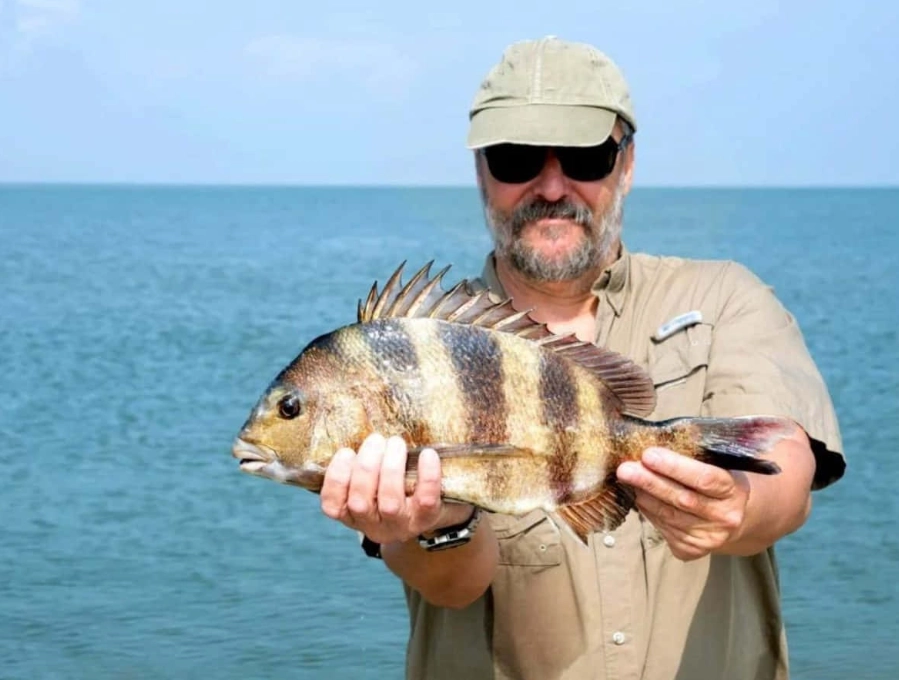
Conservation Status and Ecological Role
Sheepshead play a crucial role in coastal ecosystems. By feeding on shellfish, they help control populations of species like barnacles and mussels, which can overgrow structures. This keeps habitats balanced. In recent years, there's been talk about their numbers declining in spots like the Mid-Atlantic due to habitat loss and fishing pressure. Organizations like the Atlantic States Marine Fisheries Commission monitor sheepshead stocks, but regulations vary by state.
As an angler, I practice catch and release for larger breeding females. Keeping a few for dinner is fine, but avoid taking undersized fish. Support local conservation efforts—for example, in Florida, there are size and bag limits (typically 12 inches minimum and 15 per day in many areas). Check current rules before you go; they change based on science.
Your Burning Questions Answered (FAQ)
 Are sheepshead teeth a sign of evolution towards land animals?
 Wrapping up, the sheepshead fish is more than just a curiosity—it's a testament to nature's ingenuity. Those human-like teeth aren't a freak show; they're a finely tuned tool for survival. Whether you're an angler looking to up your game or a marine life buff, understanding this fish enriches your connection to the ocean. Next time you're by the coast, keep an eye out for those striped sides and that unmistakable smile. You might just gain a new appreciation for one of the sea's most misunderstood residents.



Comments
Leave a Comment