Look, I've spent over a decade tracking megabats across Central and West Africa, and nothing—I mean nothing—prepares you for your first real encounter with a hammerhead fruit bat (Hypsignathus monstrosus). It's not just another bat. Calling it "weird-looking" is a massive understatement. That elongated, boxy muzzle with flared nostrils makes it look like a flying horse designed by a committee that couldn't agree. But here's the thing most generic fact sheets miss: this bizarre appearance is the key to understanding its entire life, from its deafening mating rituals to its silent, critical role as a forest gardener. Forget the vampire stereotypes. This creature is a loud, smelly, fig-loving giant that's far more important to the African rainforest than anyone gives it credit for, and it's quietly slipping towards trouble.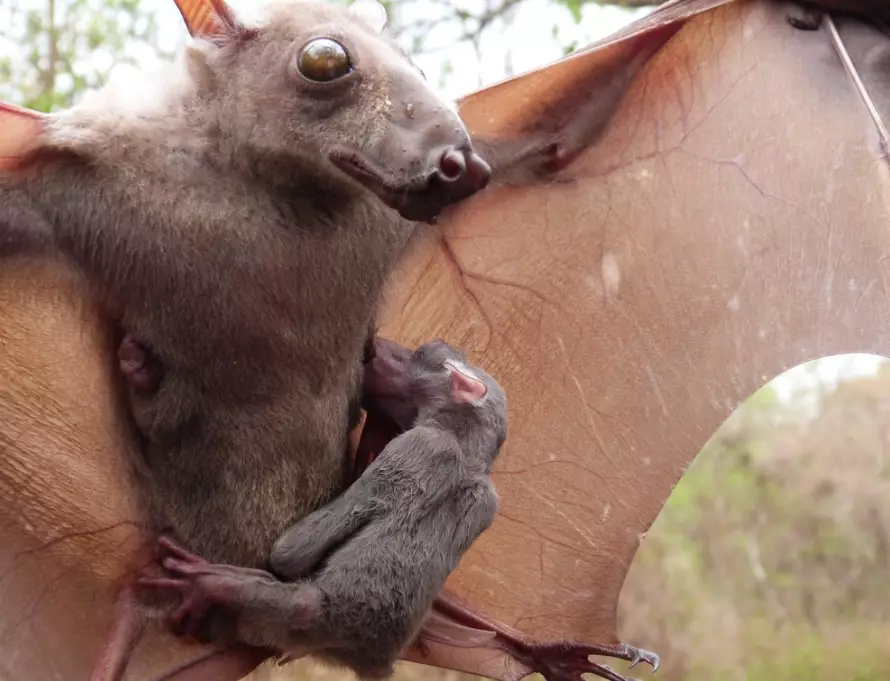
Your Quick Guide to the Hammerhead Bat
What Exactly Is a Hammerhead Fruit Bat?
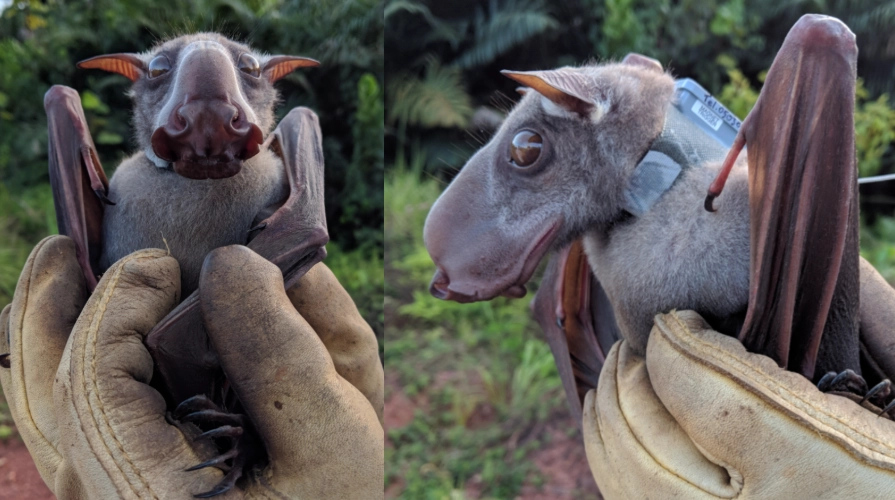
Let's clear something up right away. It's a megabat, meaning it's in the family Pteropodidae. No echolocation, big eyes, and it eats fruit. The "hammerhead" name comes solely from the males. Females look much more like a "typical" fruit bat, with a fox-like face. The male's head is a specialized resonating chamber. Think of it as a built-in megaphone. This isn't for finding food; it's all about shouting for a mate. They are one of the largest bats in Africa, with males boasting a wingspan that can stretch nearly a meter (about 3 feet).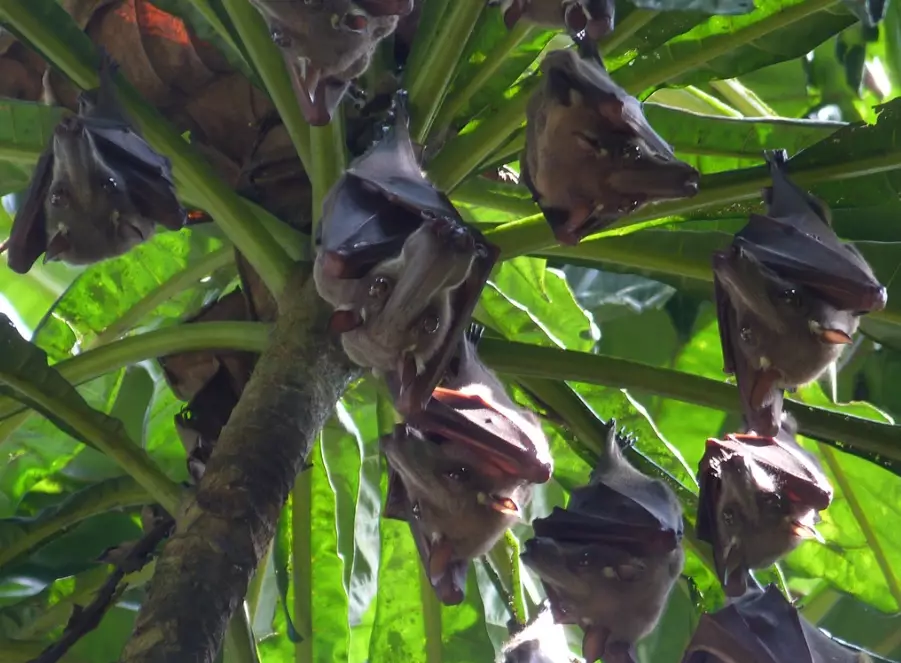
Quick ID Card: Male = oversized, square snout and large lips. Female = slender, pointed snout. Both have brownish-grey fur, long wings, and no tail. The size difference is dramatic—males can be almost double the weight of females.
Where and How to Find Them
You won't find these guys just anywhere. They are tightly linked to equatorial Africa's lowland rainforests, swamp forests, and mangroves. Think countries like the Democratic Republic of Congo, Gabon, Cameroon, and Uganda. They need dense forest for roosting and fruit trees for feeding.
Prime Observation Locations
If you're serious about seeing one, you need to go where the forests are still intact. Guided night walks in protected areas are your best bet. I had my most reliable sightings in Gabon's Lopé National Park. The key is to be near a fruiting fig tree at dusk. Don't expect to see a cave crammed with them; they often roost in smaller groups or even singly in dense foliage, which makes them harder to spot than, say, a colony of Egyptian fruit bats.
Timing is everything. Be in position just before sunset. Listen. You might hear the loud, honking calls of males from a lek (a communal mating ground) before you see them. Patience is not just a virtue here; it's a requirement.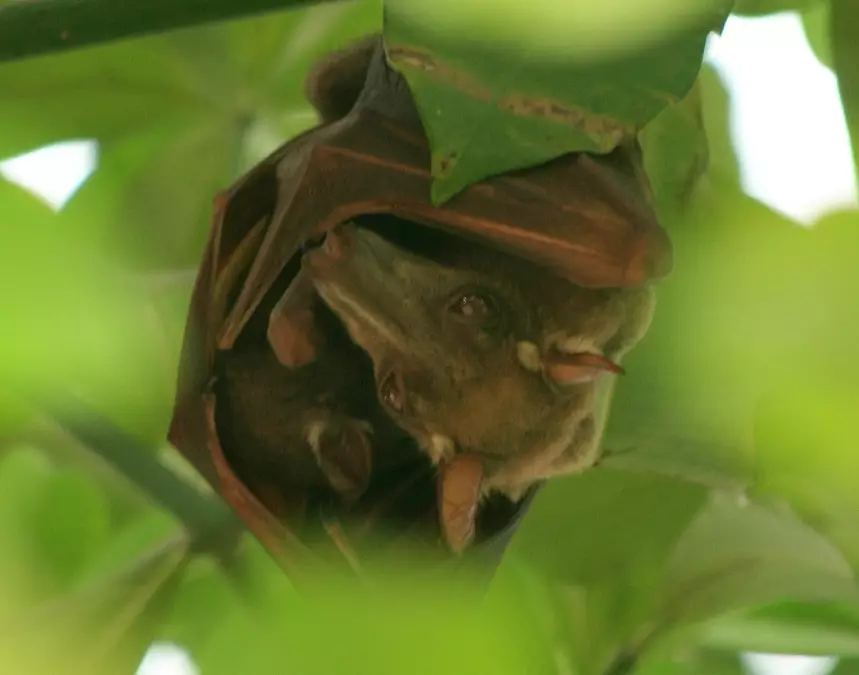
Diet and Its Crucial Ecosystem Role
Here's where the hammerhead shifts from bizarre curiosity to ecological superstar. Its diet is almost exclusively fruit. Figs are a major favorite, but they also go for mangoes, guavas, and wild fruits.
Now, the part most people gloss over: the seed dispersal distance. A lot of bats eat fruit and drop seeds nearby. Hammerheads, due to their size and flight patterns, can carry seeds for kilometers. A study published in the Journal of Tropical Ecology tracked seeds from ingested fruits being deposited over 5 km from the parent tree. This isn't just gardening; this is long-distance forest regeneration. They connect fragmented forest patches in a way few other animals can. When a logging road cuts through a forest, the hammerhead bat is one of the key agents that helps plants recolonize the other side.
Noisy Behavior and Bizarre Mating
The mating system is their claim to fame, and it's utterly fascinating. Males gather in groups called leks, where they literally hang out and shout. Each male defends a small "calling perch" on a tree. From dusk till dawn, they emit loud, rhythmic "honks" and "pings" that can carry for miles, all while flapping their wings and spreading a musky odor from glands on their shoulders.
Females fly through this noisy, smelly marketplace and choose a male. The chosen male gets to mate, often with several females. The rest get nothing. This is why the male's head is so extreme—it's a result of intense sexual selection. The louder and more distinctive the call, the better the chances. It's a brutal, all-or-nothing game.
Conservation Status and Real Threats
The IUCN Red List currently classifies the hammerhead fruit bat as Near Threatened. That's the official line. On the ground, the trend feels more alarming. The primary threat isn't direct persecution—though they are hunted for bushmeat in some regions—it's habitat loss. Rainforests are being cleared for agriculture, logging, and development at a staggering rate.
There's a secondary, less-discussed threat: the loss of specific, large trees they use for lekking. These aren't just any trees; they need the right structure and location. Lose a few key lek trees in an area, and you can disrupt the entire local mating system, causing a population crash even if general forest remains.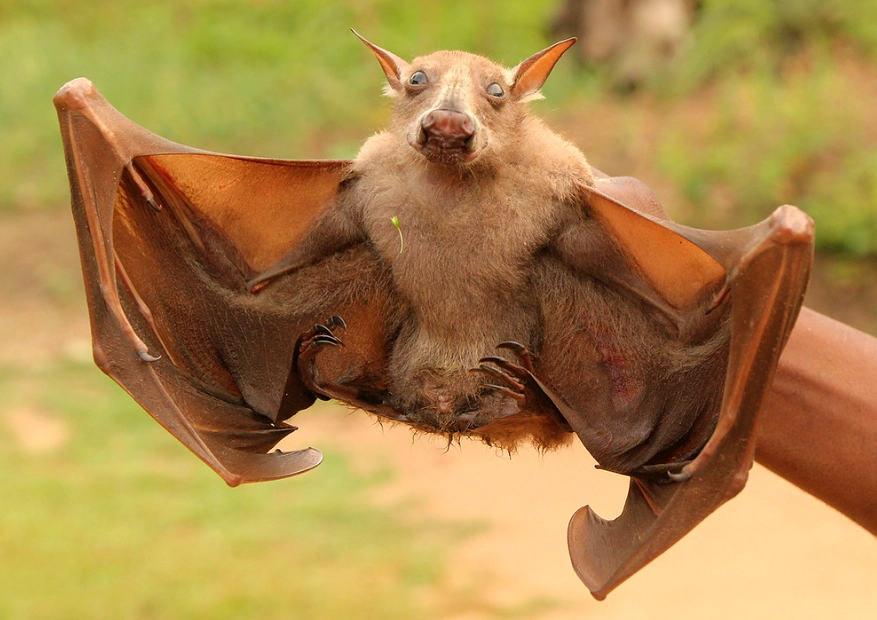
How You Can Actually Help Fruit Bats
You're probably not going to plant a rainforest in your backyard. But effective conservation is about specific actions, not vague goodwill.
Support the Right Organizations
Donate to or volunteer with groups that do on-the-ground forest conservation and work with local communities in Central Africa. Look for organizations like the World Wildlife Fund (WWF) in their Central African regional programs or the African Wildlife Foundation, which focus on landscape-level protection. These bats need big, connected forests to survive.
Think Global, Act Local (Even for an African Bat)
Here’s a tangible action: build a bat house for local insect-eating bats. I know, it sounds unrelated. But public perception matters. When people in the US or Europe see bats as helpful neighbors that control mosquitoes, they're more likely to support global bat conservation efforts. Reducing fear and misunderstanding of bats anywhere helps bats everywhere. The Bat Conservation International website has excellent, tested plans. Get the entrance dimensions right—too small and they won't use it.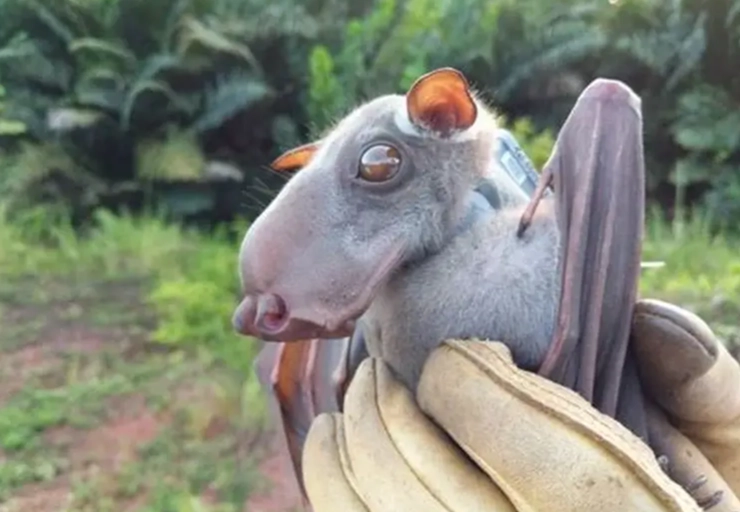
Your Questions Answered


Comments
Leave a Comment