You're hiking through the leaf litter, maybe in the southern United States or a patch of Central American forest, and you freeze. Coiled ahead is a slender snake with bands of brilliant red, black, and yellow. Your heart jumps—everyone knows that pattern means venomous coral snake, right? Not so fast. There's a very good chance you're looking at a false coral snake, a completely harmless impersonator that has turned mimicry into a survival superpower. This isn't just a trivia fact; knowing the difference can transform fear into fascination and prevent an unnecessary panic (or worse, an unnecessary killing of a beneficial creature). Let's cut through the myths and get you confident in identifying these remarkable snakes.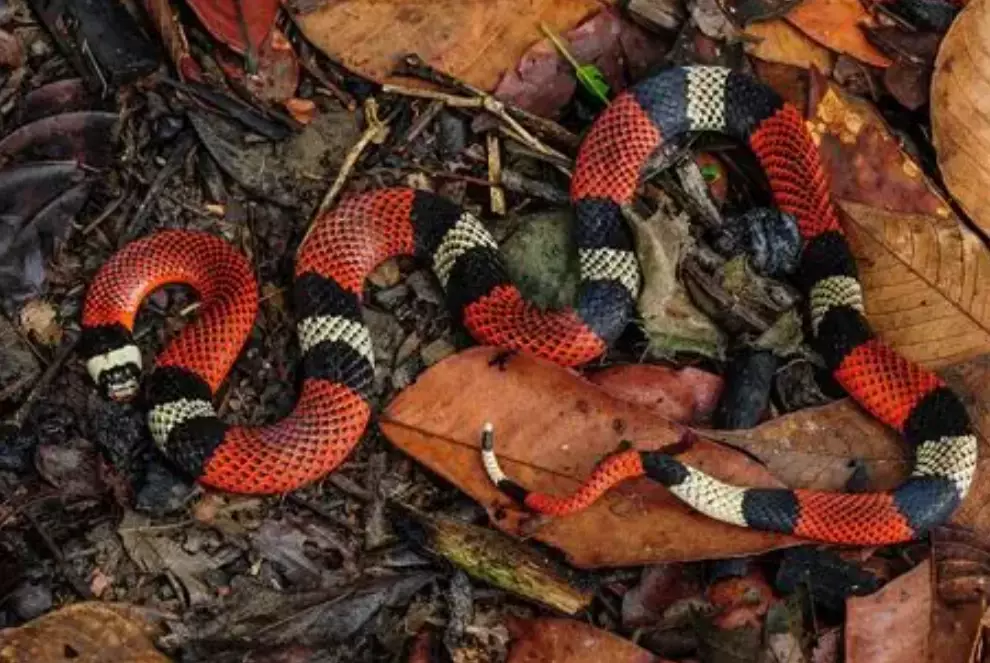
What You'll Learn in This Guide
What Exactly Is a False Coral Snake?
Think of it as nature's most convincing costume party. A false coral snake is a non-venomous snake that has evolved color patterns and sometimes behaviors that closely resemble those of a highly venomous true coral snake (genera Micrurus and Micruroides in the Americas). This isn't a single species but a whole cast of characters from different families—like kingsnakes, milk snakes, and even some burrowing snakes—that have independently hit upon the same brilliant strategy: look dangerous, and predators will leave you alone.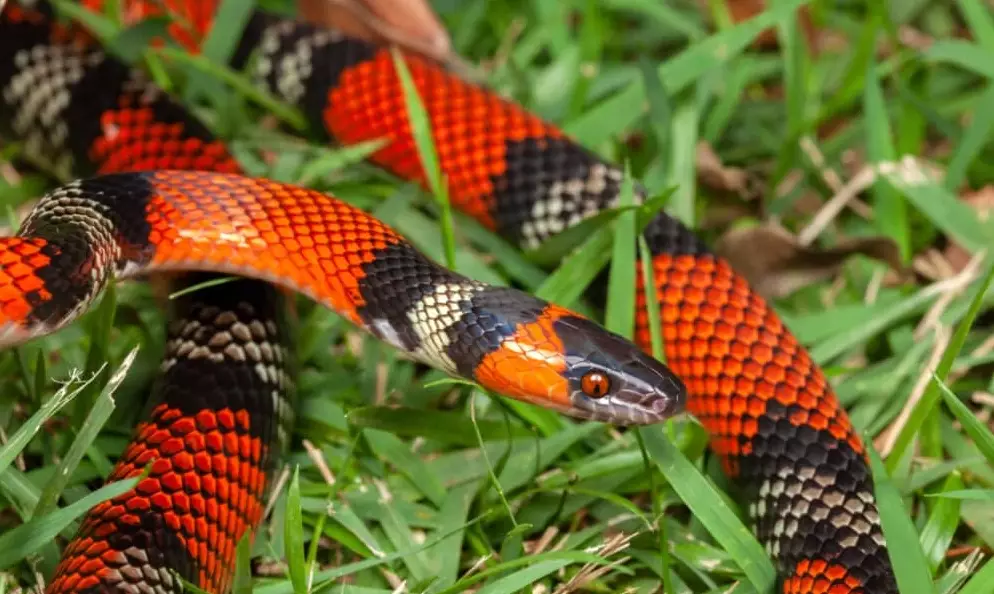
The biological term is Batesian mimicry. The harmless mimic (the false coral) benefits by looking like a dangerous model (the true coral). The predator, having learned or instinctively fearing the coral snake's warning colors, avoids both. It's a free ride on the reputation of a genuinely toxic neighbor.
How to Tell a False Coral Snake from the Real Thing
This is the million-dollar question everyone wants answered. Forget the old rhymes like "red on yellow, kill a fellow; red on black, friend of Jack." They only work for coral snakes in specific regions (like the southern U.S.) and are dangerously unreliable elsewhere in the Americas where band patterns vary. Relying on them is a classic beginner mistake. Instead, you need a multi-factor identification checklist.
| Feature | True Coral Snakes (Venomous) | False Coral Snakes (Non-venomous) |
|---|---|---|
| Head Shape | Small, blunt, black head that blends into the neck. Often has a black "cap" over the snout. | Head is often more distinct from the neck. Shape varies by species but is rarely that same blunt, seamless blend. |
| Body & Banding | Bands of red, yellow/white, and black completely encircle the body. The bands are usually in a consistent, repeating order. | Bands may not fully encircle the body (check the belly!). Band order can be irregular, or the red bands may be more orange or faded. |
| Tail | The tail is short and blunt, with the banding pattern continuing to the tip. | Tail is often longer and more tapered. Sometimes the banding pattern changes or fades near the tail. |
| Behavior | Secretive, fossorial (burrowing). When threatened, may hide its head and curl its tail, or make subtle jerking motions. They do not typically coil and strike like a viper. | Behavior is highly variable. Some, like scarlet kingsnakes, are more active climbers. They may vibrate their tails in leaves to mimic a rattlesnake, a second layer of mimicry! |
| Key Regional Clue (U.S.) | The yellow band is always thin, sandwiched between two thicker black bands. The red bands touch the yellow bands. | Often, the red bands touch the black bands (the "red on black" part of the rhyme). The yellow bands might be thicker. |
The most reliable single feature? Look at the head and the belly. That blunt, almost neckless head with a black snout is a strong coral snake indicator. And if the bright bands don't go all the way around the belly, it's almost certainly a harmless mimic. But never rely on just one thing.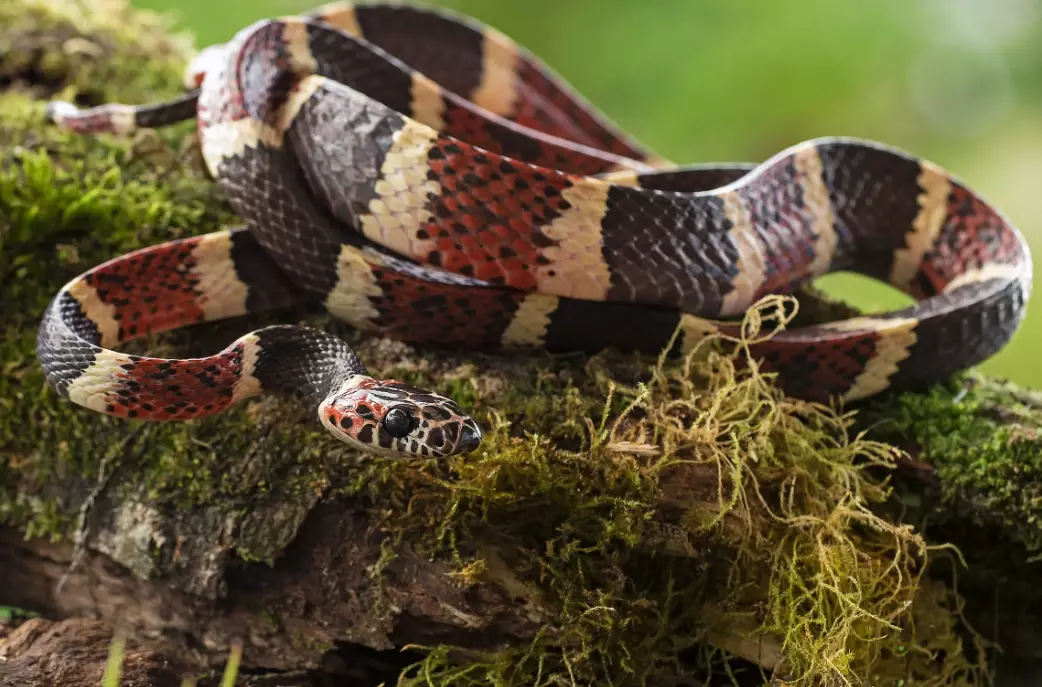
What to Do If You See One
Your reaction should be the same whether it's a true coral or a false one: calm, respectful distance. Here's a simple protocol.
Stop and observe. Don't jump or scream. Most snakes want to get away from you. Take a moment. Can you see the head clearly from a safe distance (at least 6 feet/2 meters)? Use the checklist above mentally.
Back away slowly. No sudden movements. Give the snake a clear path to escape. Never try to corner it or "get a better look."
Document from afar. If it's safe to do so, take a photo with your phone. Zoom in. A picture of the head and a section of the body is gold for later identification. You can upload it to community science platforms like iNaturalist, where experts can help.
Leave it be. This is the most important step. False coral snakes are pest control experts, eating lizards, small rodents, and other snakes. Killing one out of fear removes a helpful ally from your local ecosystem. If it's in your garage or a high-traffic area, call a professional wildlife relocator, not pest control.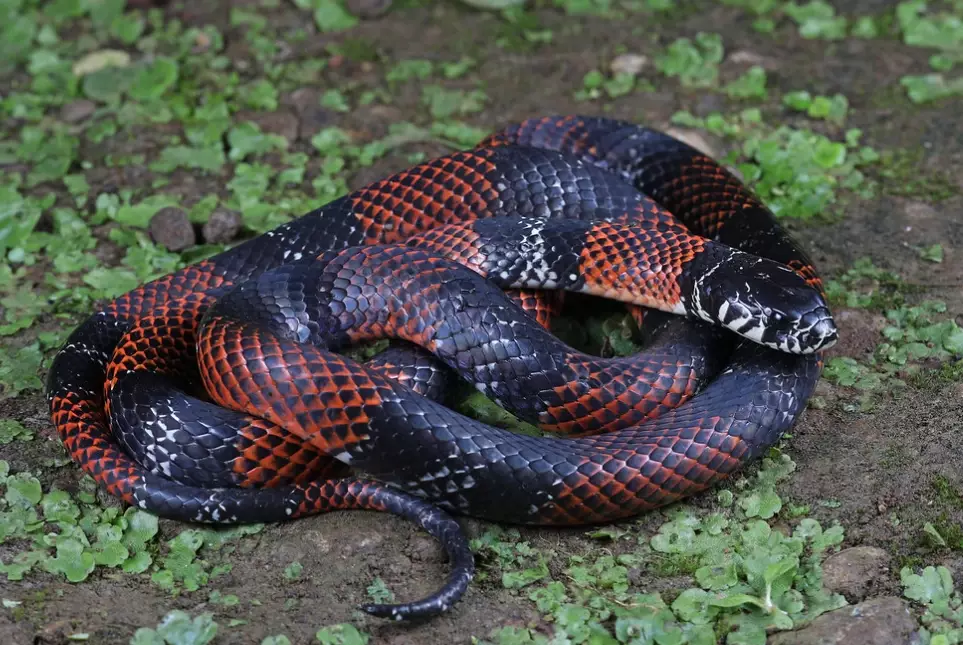
Why This Mimicry Trick Is So Effective
It works because the learning process for predators is brutal and final. A young hawk or raccoon that attacks a true coral snake gets a dose of potent neurotoxic venom. It might die, or get sick enough to forever associate that specific banding pattern with a terrible experience. After that, any snake with similar colors gets a free pass.
The brilliance of the false coral's strategy is that it's location-dependent. In areas with lots of real coral snakes (high model density), the mimicry is incredibly effective. Predators are constantly reminded of the danger. In areas where coral snakes are rare, the trick starts to break down—predators might take a chance on the "warning" colors because they've never been punished. This creates an evolutionary balancing act.
Some false corals, like the scarlet kingsnake, take it a step further. When threatened, they'll often coil their bodies and vibrate their tails rapidly in dry leaves. The sound is uncannily like a rattlesnake's buzz—another layer of defensive bluffing. It's a masterclass in survival theater.
Common False Coral Snake Species You Might Encounter
Knowing the main players helps. Here are three widespread mimics in the Americas.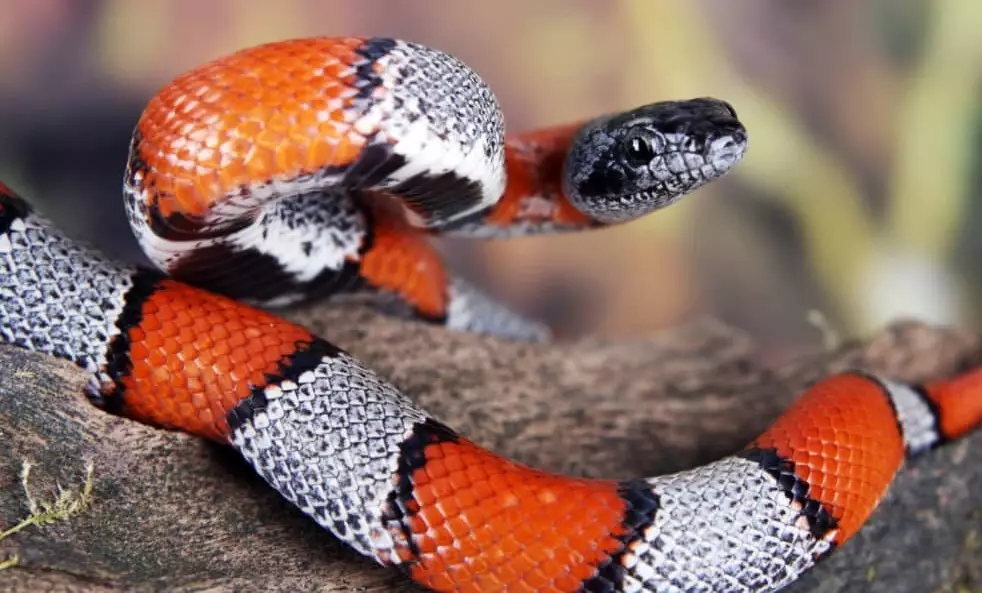
Scarlet Kingsnake (Lampropeltis elapsoides)
The poster child for false corals in the southeastern U.S. Slender, gorgeous, and a dedicated mimic. Its bands are brilliantly colored, almost like enamel. Key giveaways: the red bands touch the black bands, the snout is usually red (not black), and it's a semi-arboreal snake—you might find it under pine bark or climbing low shrubs, which true corals almost never do.
Scarlet Snake (Cemophora coccinea)
Another southeastern U.S. resident. Often mistaken for the scarlet kingsnake, but look at the belly. The scarlet snake has a plain white or gray belly—the bright bands do not encircle the body. Its head is also pointed and often red. It's a dedicated burrower, feeding mostly on reptile eggs.
False Coral Snake (Erythrolamprus spp.)
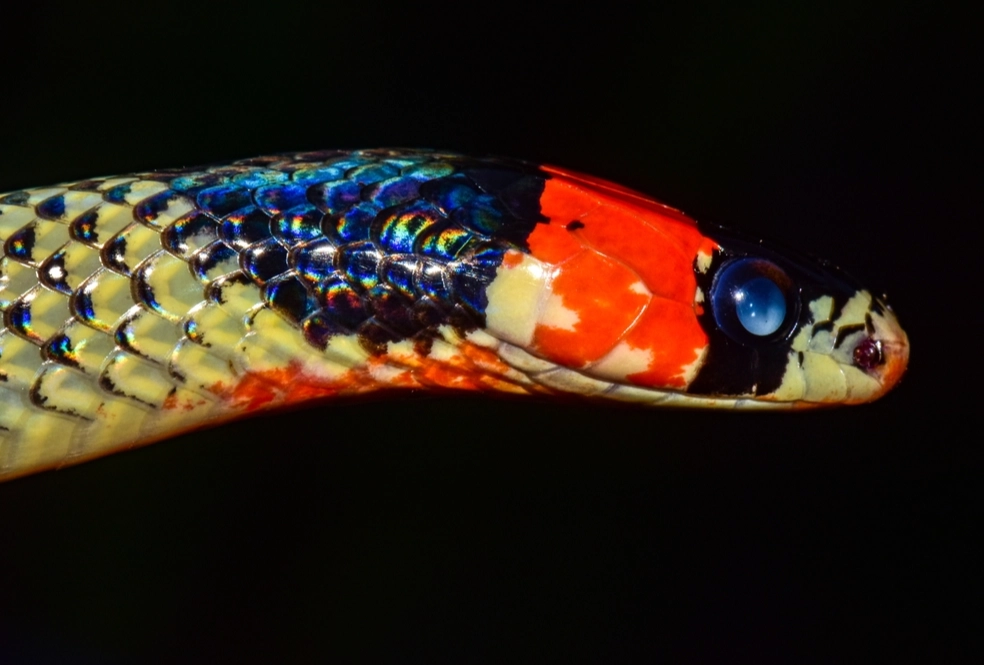
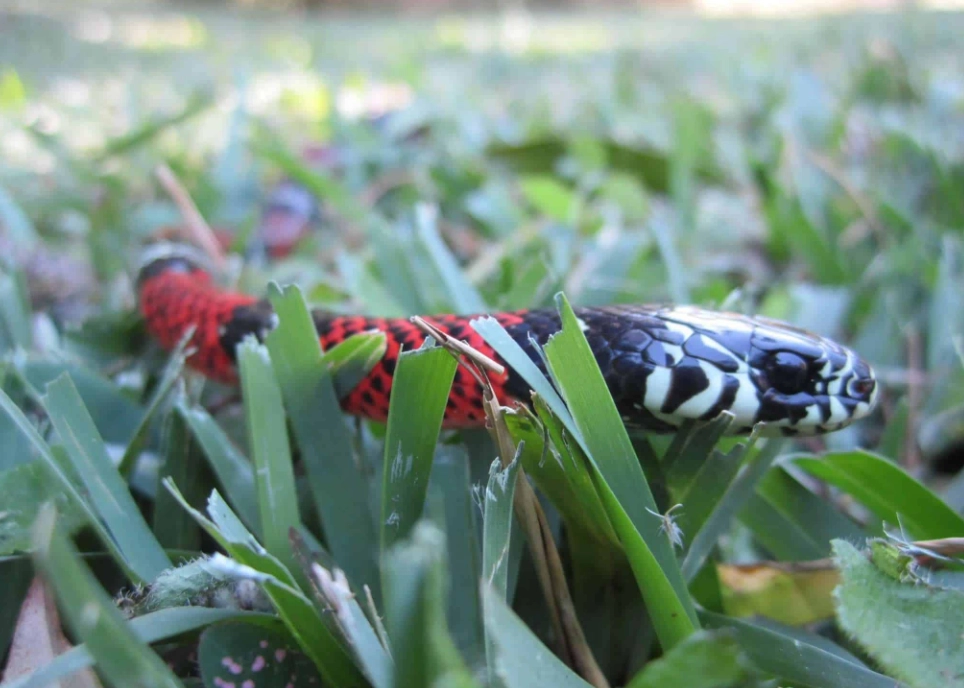
This is where it gets meta. In Central and South America, snakes from the genus Erythrolamprus are often called "false coral snakes" directly. They're colubrids (a large family of mostly non-venomous snakes) that have perfected the art. Some are so convincing that even herpetologists need a close look. They highlight why regional knowledge is critical—the old U.S. rhymes are useless here.
Your Questions, Answered
 If false coral snakes are harmless, can I keep one as a pet?
 The old rhyme failed me on a trip to Mexico. Why is it so unreliable?

Comments
Leave a Comment