Blue dragon species, often called blue dragon lizards, aren't your average pet reptiles. They're striking, with vibrant blue scales that catch the eye, but keeping them healthy requires more than just a pretty enclosure. I've spent over a decade working with exotic reptiles, and I've seen too many newcomers make the same mistakes—like assuming these lizards need constant high humidity, which can actually lead to respiratory infections. In this guide, I'll walk you through the real deal: from their natural habitat to hands-on care tips that most blogs gloss over. Let's cut through the noise and get practical.
Quick Jump to Sections
What Are Blue Dragon Species?
When people search for "blue dragon species," they're usually referring to a group of lizards known for their blue coloration, such as certain variants of the blue-tongued skink or the electric blue gecko. In my experience, the term often pops up in exotic pet circles for species like the Blue-Tongued Skink (Tiliqua scincoides) with blue hues, or the Electric Blue Day Gecko (Lygodactylus williamsi). These aren't mythical creatures—they're real reptiles with specific needs. According to the International Union for Conservation of Nature (IUCN), many blue-hued species face habitat loss, making captive care knowledge crucial.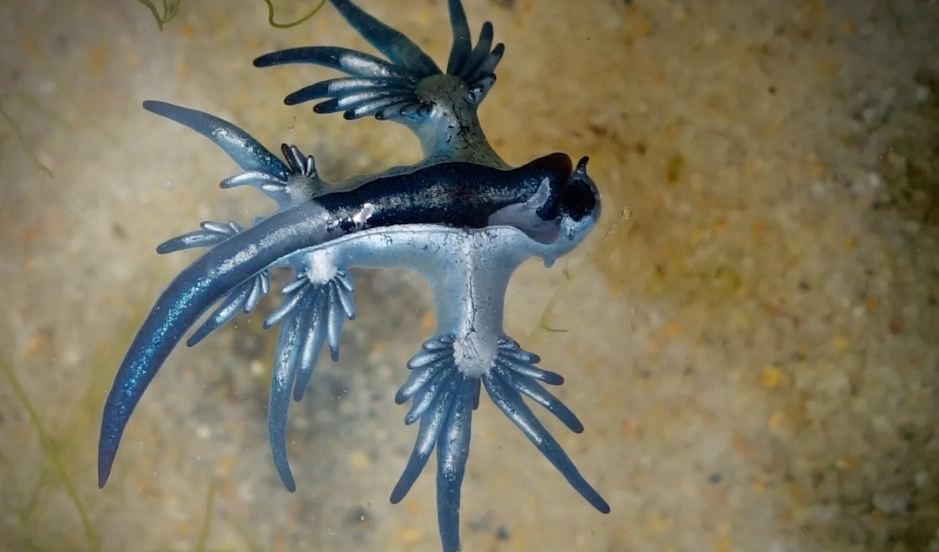
Physical Characteristics
Blue dragon lizards typically range from 6 to 20 inches in length, depending on the species. Their blue color isn't just for show; it can vary from sky blue to deep indigo, often serving as camouflage in their native environments. I once had a blue-tongued skink that looked almost turquoise under certain lights—it's a dynamic trait that changes with age and health. Don't expect all "blue dragons" to be uniformly blue; some have patterns or shifts in shade.
Natural Habitat and Distribution
These species are often found in warm, arid regions like parts of Australia or Madagascar. For instance, the electric blue gecko thrives in rocky outcrops with moderate humidity. In the wild, they bask in sunlight and hide in crevices. Replicating this at home isn't just about temperature; it's about creating microclimates. I've visited reserves where these lizards live, and the key takeaway is diversity—they need spots to climb, dig, and retreat.
How to Care for Blue Dragon Species in Captivity
Caring for blue dragon species isn't rocket science, but it demands attention to detail. Most beginners focus on the wrong things, like buying fancy decor before nailing the basics. Let's break it down.
Enclosure Setup
Start with a terrarium that's at least 40 gallons for an adult blue dragon lizard. Go bigger if you can—these animals appreciate space. I made the mistake early on of using a glass tank without proper ventilation, and it led to mold growth. Opt for a front-opening enclosure with mesh tops for airflow. Substrate matters: a mix of coconut fiber and sand works well, but avoid pure sand for juveniles; it can cause impaction. Include hiding spots, like cork bark or half-logs, and climbing branches. A shallow water dish is non-negotiable.
Pro Tip: Many keepers over-light the enclosure. Blue dragon species need a gradient—a basking spot around 90-95°F and a cooler area at 75-80°F. Use a UVB lamp for 10-12 hours daily, but position it to avoid burns. I learned this the hard way when my gecko developed skin issues from too much direct UV.
Diet and Feeding
Feeding blue dragon species is where things get interesting. They're omnivores, but the balance is critical. Too much fruit can lead to obesity, while insufficient protein stunts growth. Here's a sample weekly diet based on my own regimen:
| Food Type | Examples | Frequency | Notes |
|---|---|---|---|
| Protein | Gut-loaded crickets, mealworms, dubia roaches | 3-4 times a week | Dust with calcium powder twice a week |
| Vegetables | Collard greens, squash, bell peppers | Daily | Chop finely to prevent choking |
| Fruits | Blueberries, mango, papaya | Once a week | Use as treats, not staples |
I've seen keepers rely solely on commercial diets, but fresh food is better. Rotate items to prevent boredom—my lizards get picky if I serve the same thing repeatedly.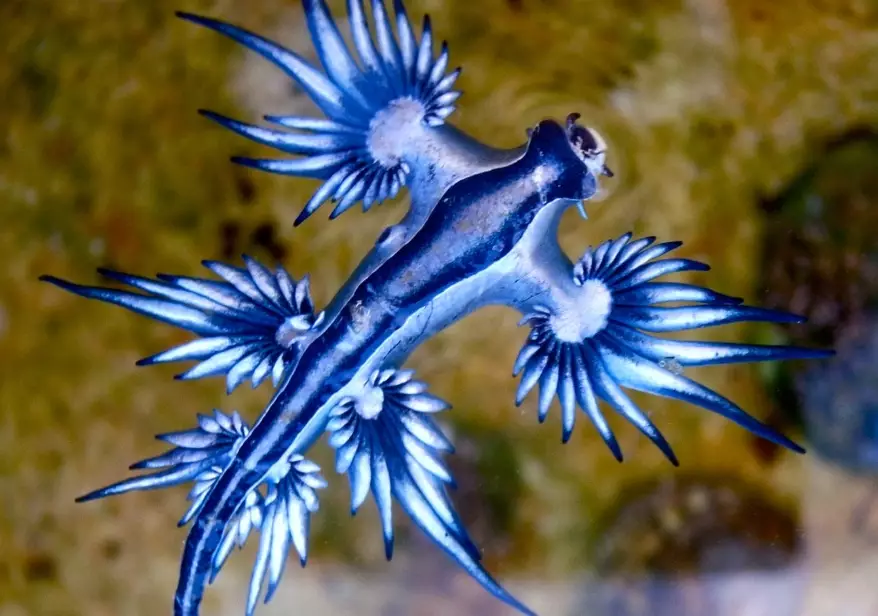
Temperature and Humidity Control
This is the biggest pitfall. Blue dragon species need a humidity range of 40-60%, not the 70%+ some sources claim. High humidity invites bacterial growth. Use a digital hygrometer; analog ones are often inaccurate. For heating, under-tank heaters paired with a ceramic heat emitter work best. Avoid heat rocks—they can cause burns. I set up a gradient with a thermostat to maintain stability, and it's reduced stress-related issues in my collection.
Common Health Issues and How to Prevent Them
Blue dragon lizards are hardy, but they're not immune to problems. Respiratory infections, metabolic bone disease, and parasites top the list. From my vet visits, I've noticed that many issues stem from poor husbandry, not genetics.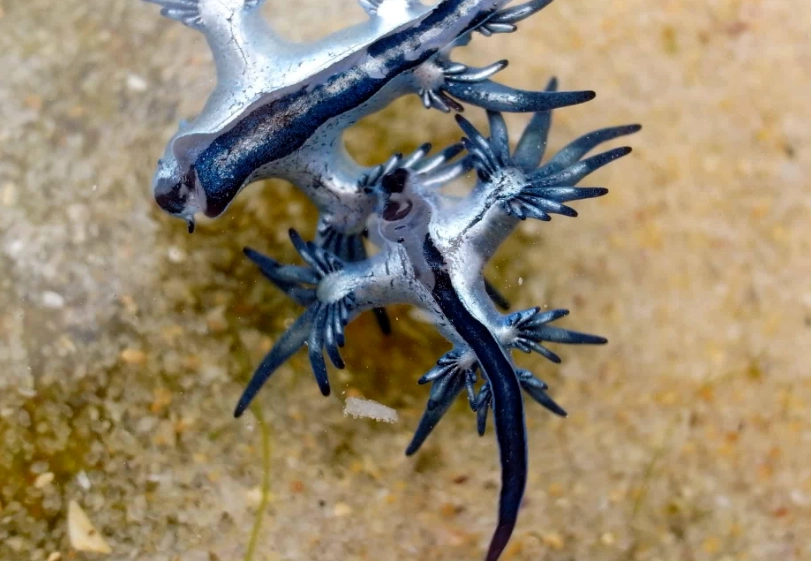
Respiratory infections often show as wheezing or mucus around the nostrils. Increase ventilation and check humidity levels. Metabolic bone disease results from lack of UVB or calcium—ensure proper lighting and supplementation. Parasites can come from contaminated food; quarantine new insects or buy from reputable suppliers. I lost a lizard early on due to untreated mites, so now I do monthly health checks: look for lethargy, weight loss, or abnormal stools.
Prevention is cheaper than treatment. Keep the enclosure clean, provide a varied diet, and monitor behavior. If something seems off, consult a reptile-savvy vet. Resources like the Association of Reptilian and Amphibian Veterinarians offer directories for help.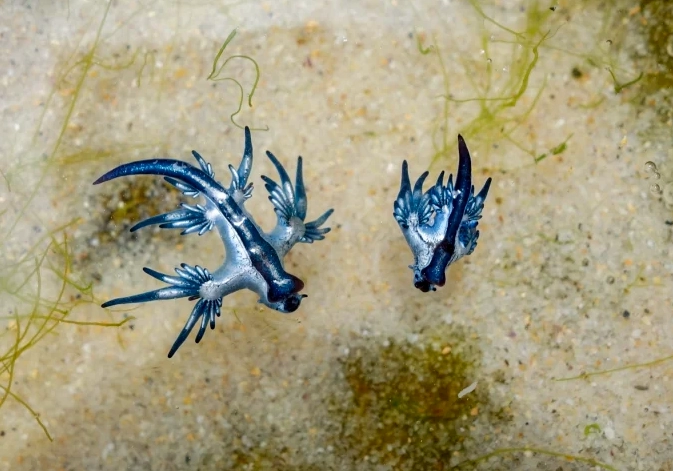
Breeding Blue Dragon Species
Breeding these lizards isn't for beginners, but if you're experienced, it can be rewarding. Start with a healthy pair—males often have broader heads and brighter colors. Introduce them in a neutral space to avoid aggression. I've had success with a cooling period: lower temperatures to 65-70°F for 6-8 weeks to simulate winter, then gradually warm up to trigger breeding behavior.
Females lay 5-15 eggs, which need incubation at 82-86°F with vermiculite substrate. Hatching takes 60-90 days. The hatchlings are fragile; house them separately and feed small insects. My first breeding attempt failed because I didn't separate the adults post-laying—they ate the eggs. Learn from my blunder.
Frequently Asked Questions
Wrapping up, blue dragon species are fascinating pets that demand respect and knowledge. They're not just blue novelties—they're living creatures with complex needs. Start with the basics, avoid common pitfalls, and you'll enjoy their company for years. If you're still on the fence, visit a local reptile expo or talk to breeders; hands-on experience beats any article. And remember, every lizard has its personality; mine prefers blueberries over mango, so experiment and adapt.

Comments
Leave a Comment