Let's talk about a moth that doesn't get enough credit. Forget the small, dusty brown ones that flutter around your porch light. I'm talking about Citheronia regalis, the Regal Moth. If you've never seen one, picture this: a wingspan wider than your hand, colored in rich oranges, yellows, and creams, with intricate patterns that look like stained glass. It's an absolute stunner. But its fame really comes from its larval form—the infamous Hickory Horned Devil. That caterpillar is a spiky, turquoise-green beast that looks like it crawled out of a monster movie, yet it's completely harmless. For years, I thought finding one was pure luck, until I learned where and how to look. This guide is everything I wish I'd known when I started.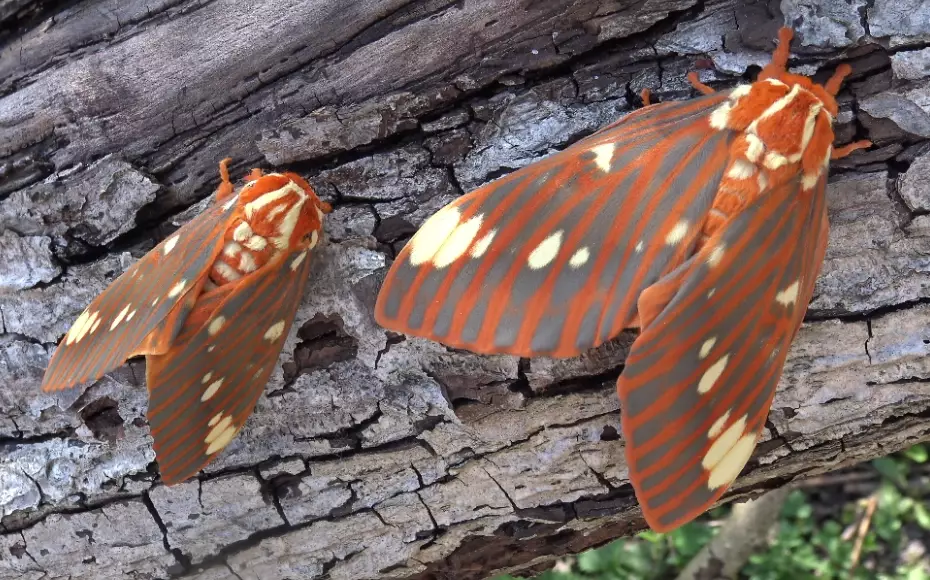
Your Quick Guide to the Regal Moth
How to Spot a Regal Moth and Its Caterpillar
Identifying Citheronia regalis is straightforward once you know the key markers. The adult moth and its caterpillar look so different they seem unrelated.
The Adult Regal Moth (Imago)
The moth itself is large, with a wingspan of 3.5 to 6 inches. The forewings are a grayish base with orange veins and yellow spotting. The hindwings are predominantly orange with yellow patches. The body is fuzzy and orange. Males have more feathery antennae than females, which they use to detect pheromones. They're nocturnal, so you'll usually find them resting on tree bark during the day, perfectly camouflaged, or attracted to lights at night.
The Hickory Horned Devil Caterpillar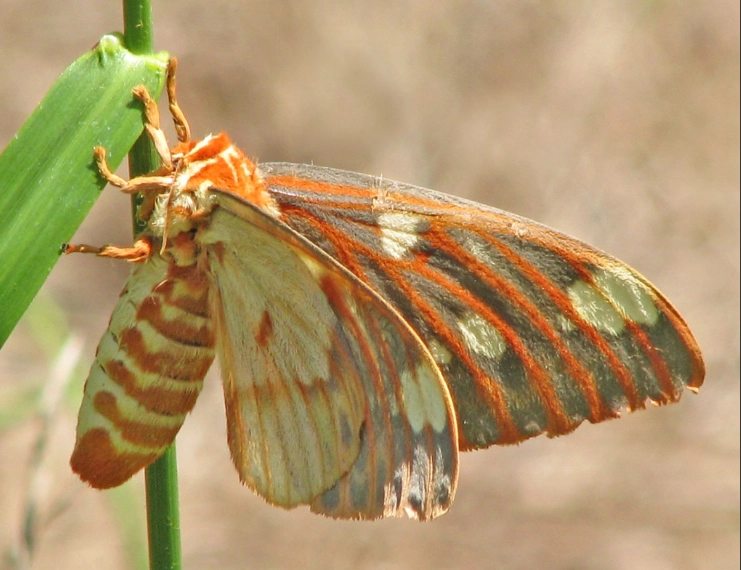
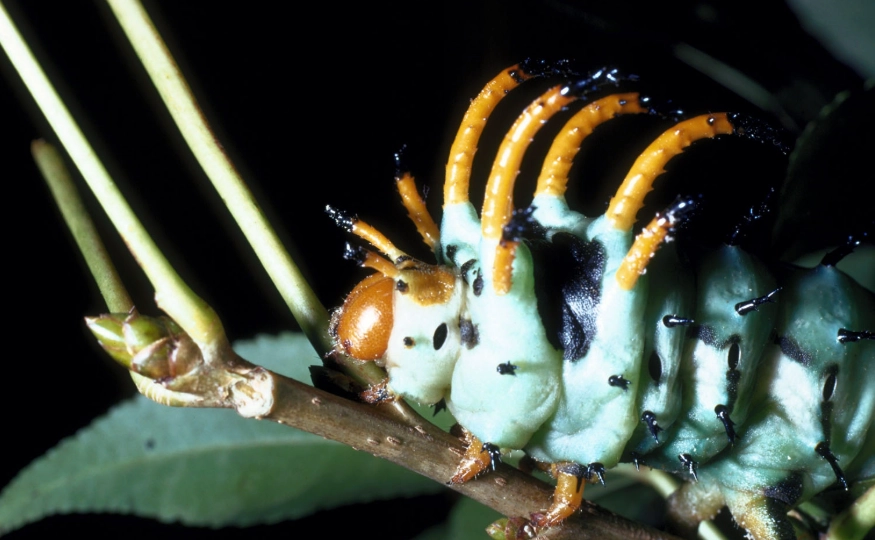
This is the star of the show. The final instar (growth stage) caterpillar is massive, up to 5.5 inches long. Its body is a vibrant aqua-green. The head is orange-brown, and it sports long, black-tipped red or orange "horns" on its thorax—these are just scary-looking filaments and are not venomous. Smaller black spikes run along its body. Earlier instars are different colors, often black or brown with orange horns, which throws a lot of new observers off. I once spent an hour convinced I'd found a new species, only to realize it was a juvenile Regal.
Quick ID Checklist: Adult moth = large, orange/yellow/gray wings. Caterpillar = huge, green, with prominent red/orange horns on the front. If it fits this description in the eastern US, you've likely found it.
The Incredible Lifecycle Journey
The lifecycle of Citheronia regalis is a one-year drama. Here’s the breakdown.
| Stage | Duration | Key Characteristics & Behavior |
|---|---|---|
| Egg | 10-14 days | Tiny, oval, pale yellow to white, laid in small clusters on host plant leaves. |
| Caterpillar (Larva) | ~35-45 days (through 5-6 instars) | Feeds voraciously on host leaves. Color changes through instars (black/brown early to final green). Grows dramatically in size. |
| Pupa | Overwinter (8-9 months) | After a wandering phase, burrows underground and forms a dark, hard pupal case. This is the stage that survives the winter. |
| Adult Moth | 5-10 days | Does not feed. Sole purpose is reproduction. Emerges in summer, mates, lays eggs, and dies. |
The most critical, and often misunderstood, phase is the pupal stage. The caterpillar doesn't pupate on a tree. When it's ready, it climbs down, wanders (sometimes quite far from its host tree), and burrows into soft soil or leaf litter. It then forms its pupal chamber. If you try to raise them and don't provide a deep enough layer of soil for this burrowing instinct, they will fail to pupate properly. I learned this the hard way with a container that was too shallow.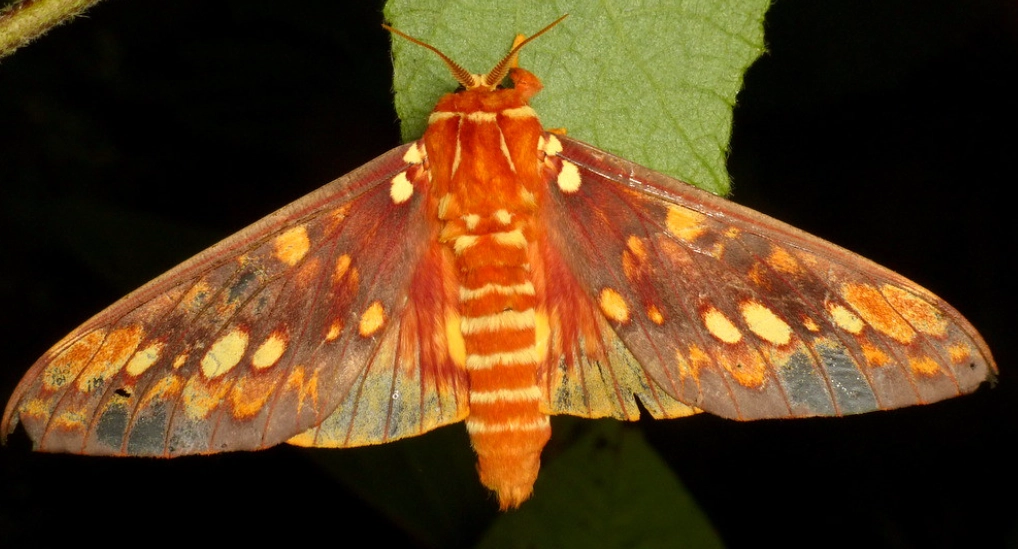
Where and How to Find Them in the Wild
You can't just walk into any forest and find them. They have specific needs.
Geographic Range: Primarily the eastern United States, from New Jersey south to Florida and west to Texas and Nebraska. They're most common in deciduous forests of the Midwest and South.
Host Plants are Everything: This is the #1 secret to finding them. The caterpillars are picky eaters. Search along these trees:
- Hickory (Carya species) - Their namesake and a favorite.
- Walnut (Juglans species)
- Sweetgum (Liquidambar)
- Persimmon (Diospyros)
- Sumac (Rhus)
- Ash (Fraxinus) and Sycamore (Platanus) are also used.
Best Time to Look: For adult moths: Late June through August, depending on your latitude (later in the north, earlier in the south). Go out at night near woods with a bright light or a mercury vapor lamp. Check tree trunks near lights in the morning. For caterpillars: Start looking in mid to late summer (July-September). The best method is to look for frass (caterpillar droppings) on the ground under host trees. Then look up. Check leaves for feeding damage—large, irregular holes. The caterpillars often rest along the main branches or trunk during the day.
My most successful find was in late August in southern Ohio. I was scanning a hickory tree, saw the massive droppings, and there he was, a full-sized Hickory Horned Devil, resting right at eye level on the bark, looking utterly prehistoric.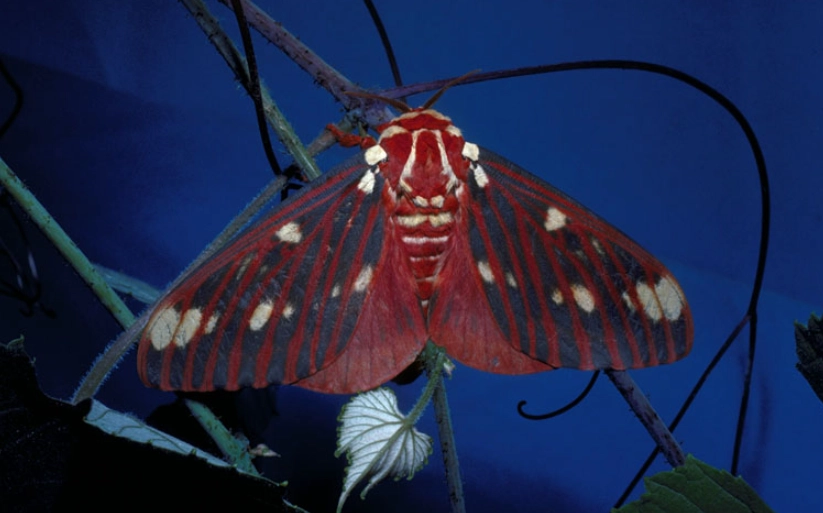
Considering Raising Regal Moths? Key Tips
Rearing Citheronia regalis from eggs or a small caterpillar is a rewarding project, but it's not like raising a painted lady butterfly. Here's a realistic take.
1. Sourcing Ethically: Never collect adults from the wild—their reproductive time is too short. It's better to source fertile eggs or early instar caterpillars from reputable breeders or citizen science networks. This takes pressure off wild populations.
2. The Setup: Young caterpillars do fine in a ventilated container with fresh host leaves daily. As they grow, especially past the 3rd instar, they need more space. A large mesh pop-up cage is ideal. The biggest mistake is overcrowding. They produce a lot of frass, and damp, dirty conditions lead to disease.
3. The Food Problem: You must have a reliable, pesticide-free source of their preferred host leaves. You can't switch them to lettuce halfway through. If you only have a walnut tree, raise them on walnut. Don't assume they'll accept a substitute. Collect fresh leaves every day or two and keep the stems in water (plug the opening so caterpillars don't fall in and drown).
4. The Pupation Crisis Point: When the caterpillar stops eating, turns darker, and starts wandering, it's ready to pupate. This is where many attempts fail. You must provide a deep container (at least 8-12 inches) filled with slightly moist, loose soil, peat moss, or shredded leaves. It needs to burrow. After it forms its chamber, leave it undisturbed in a cool, sheltered place (like an unheated garage or shed) for the winter. Don't keep it warm indoors—it needs the cold period.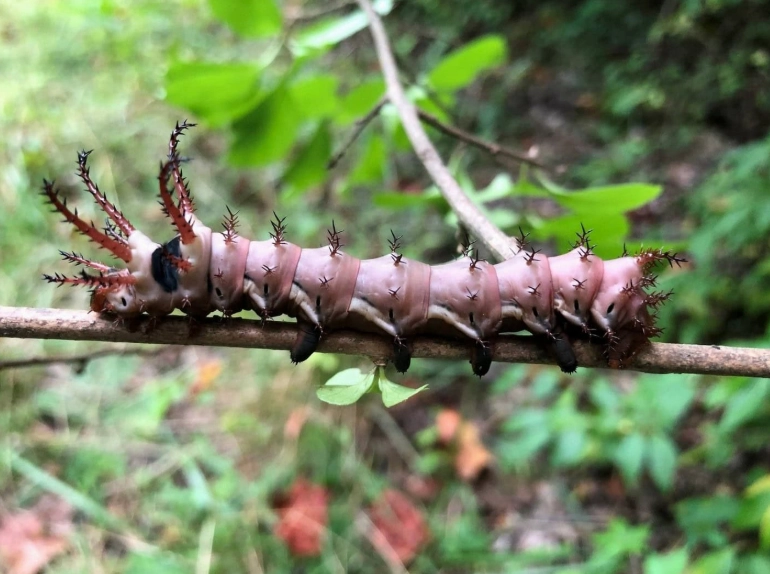
Are Regal Moths Rare? Conservation Status
Citheronia regalis isn't currently listed as endangered, but its populations are local and can be sensitive. You don't see them everywhere. The main threats are habitat loss (clearing of deciduous forests) and the widespread use of pesticides and mosquito spraying. Light pollution also disrupts the adults' ability to find mates.
What can you do? Plant native host trees like hickory or walnut. Reduce outdoor lighting or use motion-sensor lights. Support organizations like the Xerces Society for Invertebrate Conservation that work on pollinator and insect habitat protection. If you have land, leave some leaf litter and undisturbed soil for overwintering pupae.
Your Regal Moth Questions Answered
I found a huge green caterpillar with horns. Is it poisonous and should I move it?
What's the difference between a Regal Moth caterpillar and a Tomato Hornworm?
 My raised Regal Moth caterpillar burrowed but never emerged as an adult. What went wrong?
Can I attract Regal Moths to my backyard?
How do I photograph a Hickory Horned Devil without harming it?



Comments
Leave a Comment