You're scrolling through your feed and see it—a picture of a pure white alligator or a snow-white kangaroo. It stops you cold. Is it real? Is it a trick of the light or some rare photoshop job? Most of the time, you're looking at a genuine case of animal albinism, one of nature's most striking genetic roll-of-the-dice moments. It's not just about being white. It's a full-body condition that turns an animal's world upside down, affecting everything from its ability to hide from predators to how well it can see its next meal.
What You'll Discover in This Guide
What Exactly is Animal Albinism?
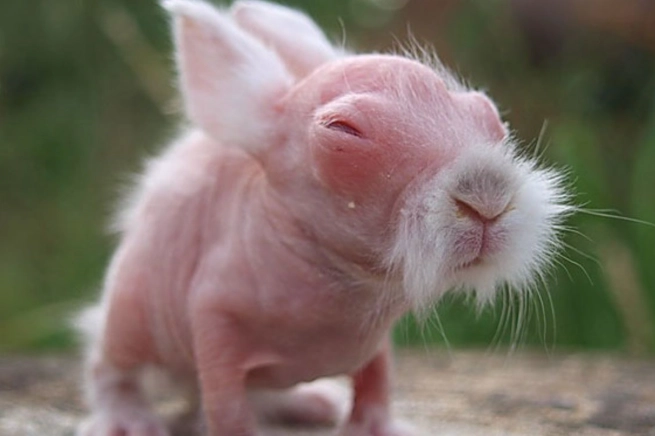
At its core, albinism is a genetic glitch. It's not a disease, and it's not contagious. An animal is born with it when it inherits specific recessive genes from both parents. These faulty genes mess up the production of melanin, the pigment responsible for color in skin, hair, fur, feathers, and eyes.
Think of melanin as nature's paint. Without it, an animal's "canvas" comes out with zero default color. That's why a true albino animal isn't just pale—it's completely white or cream-colored. The most telltale sign? Those pink or red eyes. You're not seeing pink pigment; you're seeing the blood vessels in the retina showing through the clear, pigment-less iris.
Albinism vs. Leucism: Spotting the Crucial Difference
This is where even seasoned wildlife watchers get tripped up. People call any white animal "albino," but that's often wrong. The key player you need to know is leucism.
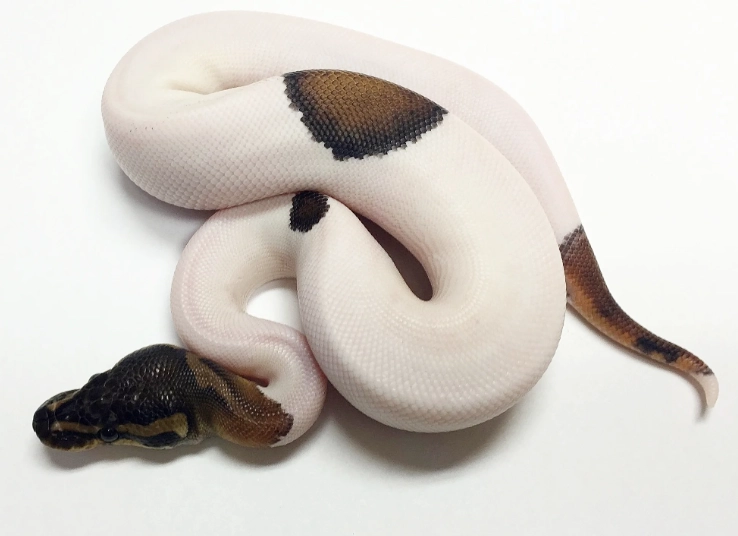
Leucism also causes white, pale, or patchy coloration, but it's a different ball game. An animal with leucism might have reduced pigment in its skin and fur, but its eyes retain their normal color—brown, blue, or green. Its body still produces some melanin, just not enough for a full-color job.
Why does this mix-up matter? Because an albino moose and a leucistic moose have vastly different life prospects. The albino one, with its poor eyesight and sensitivity, is in far more danger.
| Trait | True Albinism | Leucism |
|---|---|---|
| Eye Color | Pink, red, or very light blue | Normal (brown, blue, etc.) |
| Skin/Fur/Feathers | Completely white or cream, no pattern | White, pale, patchy, or "piebald" patterns |
| Melanin Production | Virtually absent | Reduced or patchy |
| Sun Sensitivity | Extremely high (prone to sunburn & skin cancer) | Moderate to high |
| Common Examples | Albino squirrels, white alligators | White lions, piebald deer, some "white" ravens |
The Daily Struggle: How Albinism Affects Survival
Looking ethereal comes at a massive cost in the wild. For a predator or prey animal, being white is like walking around with a blinking neon sign that says "EAT ME" or "I CAN'T SEE YOU."
Vision Problems
Melanin is crucial for normal eye development. Without it, the optic nerve pathways don't develop correctly, and the retina is underdeveloped. This leads to severe vision impairment. Depth perception is off. Tracking fast movement is hard. An albino hawk would struggle to spot a mouse from the air; an albino deer might not see the wolf in the shadows until it's too late. It's a fundamental disadvantage that's often underreported.
Lack of Camouflage
This is the obvious one. A white tiger can't hide in the jungle. A white fawn is a bright beacon in a green forest. They lose the primary defense mechanism of their species. I once spoke to a researcher tracking an albino fox. It never lived to see its first winter; its coat made it an easy target for eagles.
Sunburn and Skin Cancer
Melanin is nature's sunscreen. Without it, an albino animal's skin is brutally vulnerable to UV rays. For reptiles that bask, like albino snakes or turtles, this is a deadly paradox. They need the sun's warmth to regulate their body temperature, but exposure quickly leads to severe burns and cancerous lesions. In the wild, this significantly shortens their lifespan.
Because of these stacked odds, most true albino animals in the wild have very short lives. The ones that make it to adulthood often do so in protected areas or with an unusual amount of luck. This leads to a tough truth: an albino animal in a reputable zoo or sanctuary often has a higher quality of life and longer lifespan than its wild counterpart, despite what some purists might say about captivity.
Famous Albino Animals & Where They've Been Seen
Some albino animals become local or even global celebrities. Their rarity captures our imagination.
- Migaloo: Perhaps the world's most famous albino animal. This male humpback whale was first spotted off the coast of Australia in 1991. His pure white color and massive size made him an icon. Researchers track his migrations, and there are strict regulations about boats getting too close to him. You can't plan to see him, but his possible migration paths are along the east coast of Australia (roughly June-July heading north, September-October heading south).
- Snowflake (Floquet de Neu): For decades, this albino western lowland gorilla was the star of the Barcelona Zoo. He fathered 22 offspring, none of which were albino, proving how recessive the genes are. His case gave scientists an unprecedented chance to study albinism in great apes.
- Albino Alligators: A small number of these ghostly gators exist, mostly in captivity. The Audubon Aquarium of the Americas in New Orleans and the St. Augustine Alligator Farm in Florida are known for caring for them. In the wild, their white skin offers zero camouflage in the murky swamps, and their sensitivity to the sun makes basking risky.
- Spirit Bears: Okay, this is a trick—Spirit Bears (Kermode bears) of British Columbia are not albino. They have leucism. But they're a perfect example of how a white coat can sometimes be an advantage. Their white fur helps them catch salmon more easily against the cloudy sky, a fascinating exception to the rule. You can potentially see them in the Great Bear Rainforest in BC.
If you're hoping to see a wild albino animal, temper your expectations. It's pure chance. However, areas with known populations of leucistic animals, like the white lions of Timbavati in South Africa or the white squirrels in Olney, Illinois, offer a slightly better, though still not guaranteed, opportunity.
Comments
Leave a Comment