If you've ever been gardening or hiking and spotted a large, spiky caterpillar that looks like something from a fantasy movie, you might have encountered the hickory devil caterpillar. Often called the hickory horned devil, this insect is the larval stage of the regal moth (Citheronia regalis). It's not as scary as it looks—in fact, it's a fascinating creature that plays a role in local ecosystems. I remember the first time I saw one on a hickory tree in my backyard; I was both terrified and curious, which led me down a rabbit hole of research. In this guide, we'll cut through the myths and give you the straight facts on everything from identification to what to do if you find one.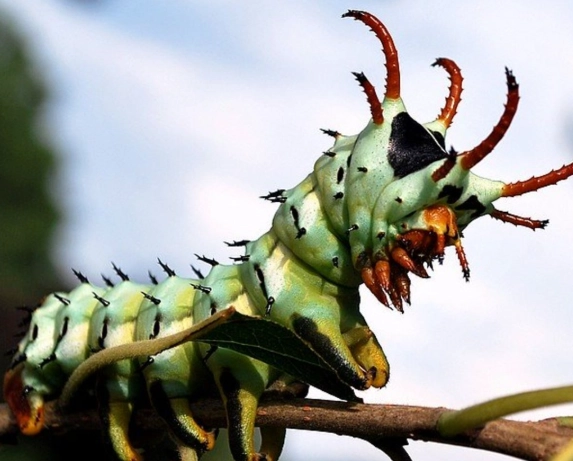
What You'll Find Inside
- What Exactly is a Hickory Devil Caterpillar?
- Where Can You Find Them? Habitat and Range
- From Egg to Moth: The Fascinating Lifecycle
- How to Spot a Hickory Devil Caterpillar: A Step-by-Step Guide
- Friend or Foe? Impact on Your Garden and Ecosystem
- What to Do When You Encounter One: Practical Advice
- Conservation: Why These Caterpillars Matter
- Debunking Myths: Common Mistakes and Misconceptions
- Frequently Asked Questions (FAQs)
What Exactly is a Hickory Devil Caterpillar?
The hickory devil caterpillar is the immature form of the regal moth, a large North American insect. Scientifically known as Citheronia regalis, it's often mistaken for a pest, but that's a misconception we'll tackle later. These caterpillars can grow up to 5-6 inches long, making them one of the largest in the U.S. Their name comes from their preference for hickory trees and their intimidating appearance—covered in spiny tubercles that look like horns. Despite the fierce look, they're harmless to humans. I've handled a few over the years, and they're surprisingly docile if you're gentle.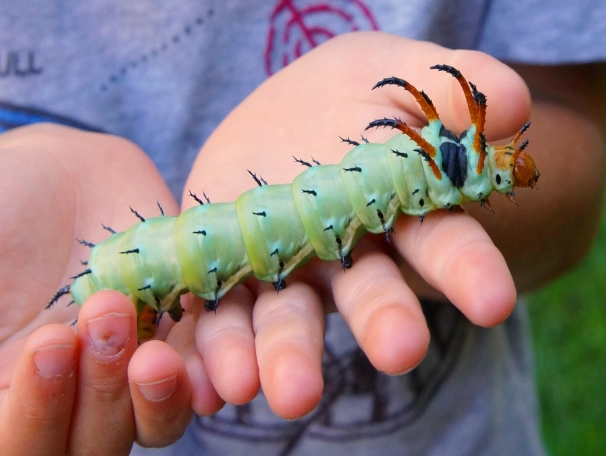
One thing most online guides miss: the coloration can vary. While they're typically green with orange and black markings, I've seen specimens that are more blueish or even brownish, depending on their environment and diet. This variability trips up many beginners who rely solely on color for identification.
Where Can You Find Them? Habitat and Range
Hickory devil caterpillars are native to eastern North America. Their range stretches from New Jersey down to Florida and west to Texas and Nebraska, according to distribution maps from the Entomological Society of America. They thrive in deciduous forests, especially areas with plenty of hickory, walnut, or sweetgum trees—their primary food sources.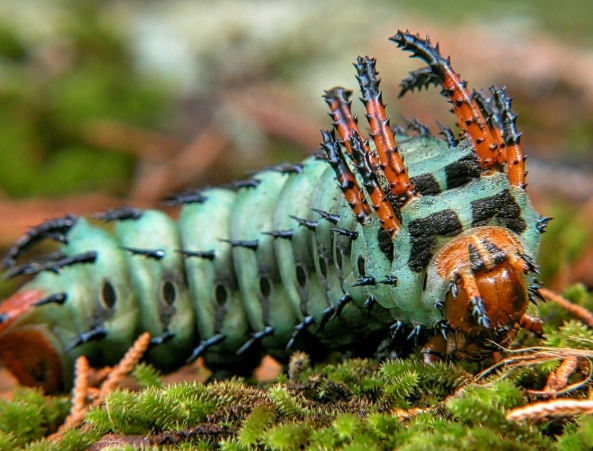
If you're looking for them, focus on wooded areas or even suburban yards with mature trees. I once found a cluster in a park in Tennessee during late summer. They're most active from July to September, so timing is key. Don't waste your time searching in spring; that's when the moths are flying, not the caterpillars feeding.
Pro tip: Check the undersides of leaves on hickory trees. They often hide there during the day to avoid predators, emerging at night to feed. Many newbies look only on branches and miss them entirely.
From Egg to Moth: The Fascinating Lifecycle
The lifecycle of the hickory devil caterpillar is a classic example of complete metamorphosis. It starts when a female regal moth lays eggs on host tree leaves in early summer. The eggs hatch into tiny caterpillars that go through several instars (growth stages), shedding their skin as they grow. This process takes about 4-6 weeks, during which they can eat a surprising amount of foliage.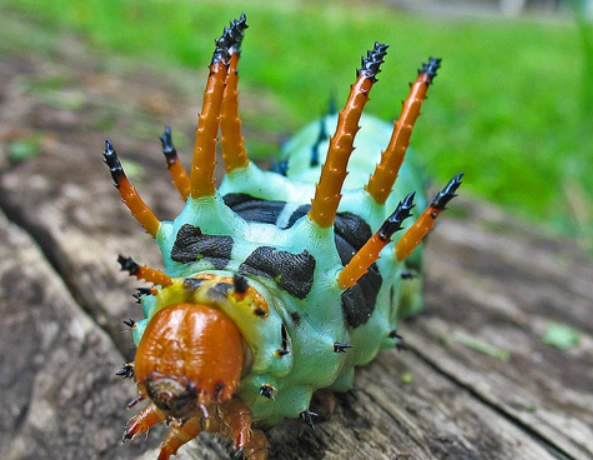
Here's a breakdown of the stages:
- Egg stage: Lasts 1-2 weeks; eggs are small and yellowish, laid singly or in small groups.
- Larval stage (caterpillar): The main feeding phase, lasting 4-6 weeks. They grow rapidly, and their spines become more pronounced.
- Pupal stage: In late fall, the caterpillar burrows into the soil to pupate. It forms a hard cocoon and overwinters underground—this is why you won't see them in winter.
- Adult stage (moth): Emerges in early summer; the regal moth has a wingspan of up to 6 inches and is tan with orange markings.
Behavior-wise, they're solitary feeders. Contrary to some beliefs, they don't swarm or cause massive defoliation. A study cited in the Journal of Insect Science noted that individual caterpillars consume leaves but rarely kill healthy trees. I've observed that they prefer younger, tender leaves, which can make them seem more damaging than they are.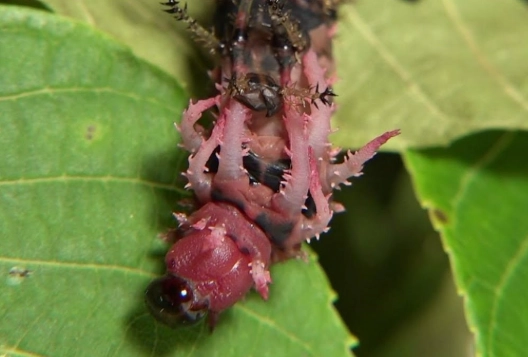
How to Spot a Hickory Devil Caterpillar: A Step-by-Step Guide
Identification is where many people go wrong. Relying on vague descriptions leads to confusion with other caterpillars, like the tomato hornworm. Let's get specific. Use this table to compare key features:
| Feature | Hickory Devil Caterpillar | Common Look-alikes |
|---|---|---|
| Size | 5-6 inches long when mature | Tomato hornworm: 3-4 inches |
| Color | Green with orange/black spines; variable shades | Hornworm: green with white stripes |
| Spines | Multiple spiny tubercles, not true horns | Some have smooth bodies or fewer spines |
| Host Plants | Primarily hickory, walnut, sweetgum | Tomato plants for hornworms |
| Behavior | Solitary, feeds at night | Often found in groups on crops |
Step-by-step, here's how I identify them in the field:
- Check the size: If it's over 4 inches, it's likely a hickory devil.
- Look at the spines: They should be numerous and colorful, not just a few bumps.
- Observe the plant: If it's on a hickory tree, chances are high. On a tomato plant? Probably not.
- Note the time: Daytime sightings are rare; they're more active at dusk.
One mistake I made early on: assuming all large green caterpillars are the same. Take photos from multiple angles and compare with reliable sources like university entomology websites.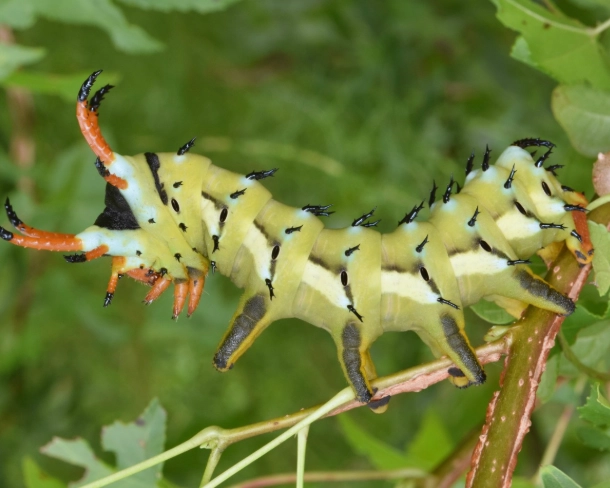
Friend or Foe? Impact on Your Garden and Ecosystem
So, is the hickory devil caterpillar a pest? The short answer: no, not really. While they do eat leaves, they're not considered significant agricultural pests. In fact, they play a role in pollination as adult moths and serve as food for birds and other predators. I've seen blue jays feeding on them, which helps control their population naturally.
In your garden, if you have a prized hickory tree, a few caterpillars might cause some leaf damage, but it's rarely severe. Healthy trees can tolerate it. The real issue comes when people panic and use pesticides unnecessarily. That does more harm than good, killing beneficial insects too. According to the USDA Forest Service, native caterpillars like this one are part of a balanced ecosystem and shouldn't be eradicated.
Think of it this way: they're like occasional visitors that nibble on your plants but don't overstay their welcome. If you're worried about your trees, monitor for signs of stress, but don't jump to conclusions.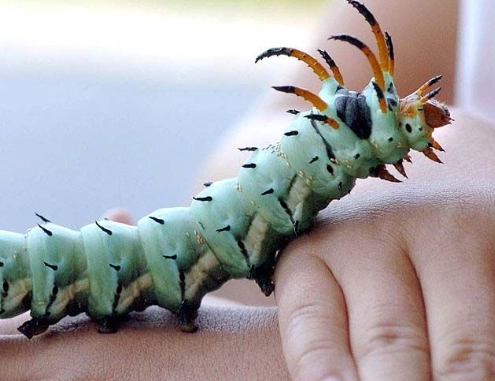
What to Do When You Encounter One: Practical Advice
Imagine you're out gardening and spot a hickory devil caterpillar on your tree. What now? First, don't freak out. They're not poisonous or aggressive. Here's a practical plan based on my experience:
- Option 1: Leave it alone. Most of the time, this is the best choice. They'll complete their lifecycle and move on. I've left them in my yard for years with no issues.
- Option 2: Relocate it. If you're concerned about a specific tree, gently move the caterpillar to a less sensitive area. Use a stick or wear gloves—though they're safe, their spines can be prickly. Place it on another hickory or walnut tree nearby.
- Option 3: Document it. Take photos and share with local nature groups. It helps with citizen science projects. I've contributed sightings to platforms like iNaturalist, which track insect populations.
Avoid common errors: don't squash them (they're harmless), don't use chemical sprays (it's overkill), and don't bring them indoors unless you're prepared to care for them—they need specific host plants to eat.
For those interested in rearing them, it's possible but requires effort. You'll need fresh hickory leaves daily and a soil setup for pupation. I tried it once; it was rewarding but time-consuming. Not recommended for beginners.
Conservation: Why These Caterpillars Matter
Hickory devil caterpillars aren't endangered, but their habitats are under pressure from deforestation and urbanization. As native species, they contribute to biodiversity. The regal moth is a pollinator, and the caterpillars are part of the food web. Losing them could disrupt local ecosystems.
Conservation efforts focus on preserving deciduous forests and reducing pesticide use. Organizations like the Xerces Society for Invertebrate Conservation emphasize the importance of insects like these. In my area, community groups plant native hickory trees to support them. It's a small step, but it helps.
If you want to help, consider planting hickory or walnut trees in your landscape. Avoid broad-spectrum insecticides. Simple actions can make a difference.
Debunking Myths: Common Mistakes and Misconceptions
Let's clear up some myths I've heard over the years:
- Myth 1: Hickory devil caterpillars are venomous. Truth: They're not; their spines are for defense but don't inject toxins. Some people get a mild rash from handling, but it's rare.
- Myth 2: They destroy trees quickly. Truth: They're slow feeders; a few caterpillars won't kill a mature tree. I've seen trees with minor damage recover fully in a season.
- Myth 3: All large caterpillars are pests. Truth: Many, like this one, are beneficial. This black-and-white thinking leads to unnecessary killing.
One non-consensus point: many experts say to remove them if found on young trees, but I disagree. In my observation, young trees can handle a bit of grazing, and removal often causes more stress than the feeding itself. Unless the tree is already struggling, let nature be.



Comments
Leave a Comment