The panda pied ball python isn't just another reptile; it's a living piece of art. That stark black and white pattern, looking like it was painted by a meticulous artist, stops you in your tracks. I remember the first time I saw one at a reptile expo over a decade ago. The price tag was astronomical, and the crowd around it was three people deep. Today, they're more accessible, but the magic hasn't faded. But here's the thing nobody tells you right away: that beautiful white skin comes with a set of care considerations and genetic quirks that standard ball pythons don't have. If you're drawn to their looks, you need to understand what you're signing up for. This guide cuts through the hype and gives you the real, practical knowledge from breeding, raising, and sometimes worrying over these stunning animals.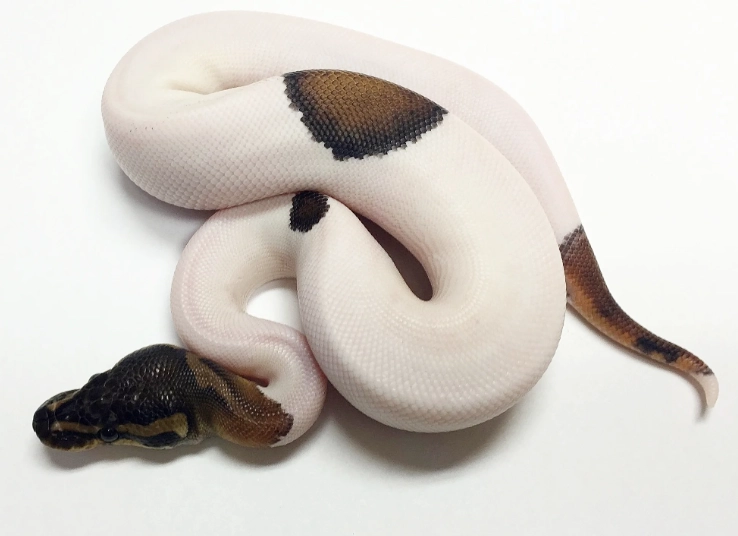
What You'll Find in This Guide
What Exactly Is a Panda Pied Ball Python?
Let's break down the name. "Ball python" we know. "Pied" refers to the piebald gene, which removes pigment in large, random patches, creating those iconic white areas. The "panda" part is a bit of marketing genius—it describes a specific, high-contrast expression of the piebald gene where the colored patches are almost pure black (or very dark brown) and cleanly defined against the white, resembling a panda's coat.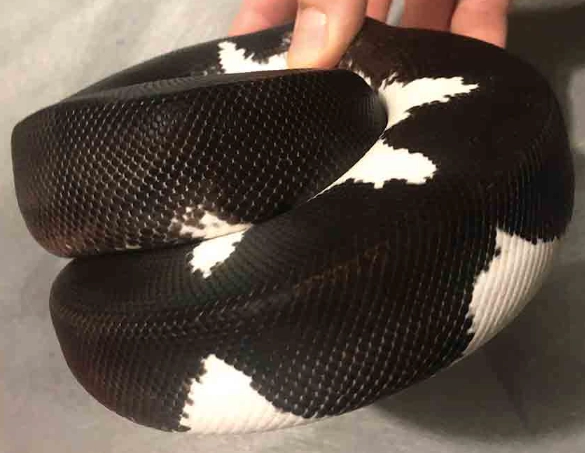
Genetically, a panda pied is typically a combination of the piebald gene with genes that darken and clean up the pattern, like the black pastel or cinnamon genes. This combo suppresses the typical browns and golds, pushing the color toward black. It's not a single gene, but a designer morph. The amount of white can vary wildly. Some are mostly white with a few black spots (high-white), others are mostly black with white blazes (low-white). There's no "better" type, but the distribution affects price.
Setting Up the Perfect Panda Pied Habitat
The enclosure is where most first-time owners of high-white morphs make a subtle but critical mistake. They treat it like any other ball python setup. It's not.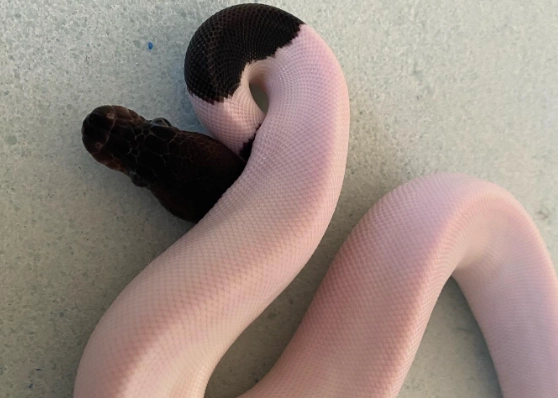
Those white sections are more sensitive. They can show substrate stains more easily, and there's an ongoing debate among breeders about potential UV sensitivity. I'm not fully convinced they need UVB, but I've observed that providing very low levels of UVB (like a shadedweller 2.4% UVB kit, placed over a screen to further reduce intensity) seems to promote better overall activity and feeding response in my white-heavy pieds. It's an extra step, but one I've incorporated.
Your setup needs to be impeccable. Here’s the breakdown:
| Component | Specification & Notes | Common Pitfall to Avoid |
|---|---|---|
| Enclosure Size | 40-gallon breeder tank or equivalent PVC cage (36"x18"x18") for an adult. Hatchlings can start in a 20-gallon long. | Too large, too open for a baby. It will feel exposed and refuse food. Use more clutter. |
| Heating | Overhead ceramic heat emitter or radiant heat panel on a thermostat. Hot spot: 88-92°F. Ambient cool side: 78-80°F. | Using under-tank heaters as primary heat. They don't affect air temp well and can be ineffective in taller enclosures. |
| Humidity | 60-70%. Spike to 70-80% during shed. Use a digital hygrometer. | Misting directly on the snake, especially the white patches. This can lead to scale rot. Mist the enclosure walls and substrate instead. |
| Substrate | Coconut husk or cypress mulch. Holds humidity well and is less likely to stain than aspen. | Using paper towel long-term. It's fine for quarantine, but doesn't hold humidity for these tropical snakes. |
| Hides & Clutter | Two identical, snug hides (hot & cool). Add fake plants, cork rounds, and branches. | Hides that are too big. The snake should touch three sides and the top when curled up. Security is everything. |
I see a lot of beautiful, sterile-looking setups online. They look great for photos, but a ball python, panda pied or not, wants to feel hidden. Clutter is your friend. It reduces stress, and a less stressed snake eats better.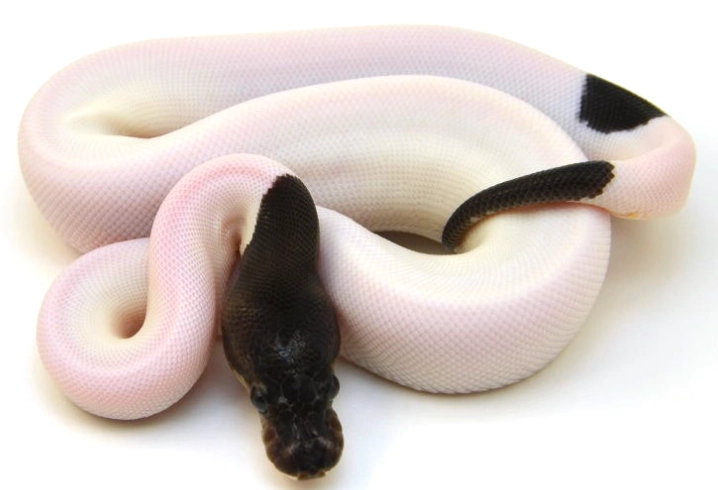
Feeding and Keeping Your Panda Pied Healthy
Feeding is usually straightforward, but pieds, in general, have a reputation for being occasionally fussy. I haven't found panda pieds to be worse than others, but you should be prepared for the possibility.
The Protocol: Offer appropriately sized frozen-thawed rodents (rat pups, weaned rats) every 7-10 days for juveniles, 10-14 days for adults. A good rule is a prey item as wide as the snake's widest part. Don't eyeball it—actually measure.
Here’s the non-consensus bit: many guides say to feed in a separate enclosure to avoid cage aggression. I've stopped doing that entirely. Moving a snake after feeding risks regurgitation, which is a serious health event. I feed in the home enclosure with long tongs. In 10+ years, I've never had a ball python become "cage aggressive" from this. The key is to not smell like rat when you do routine maintenance.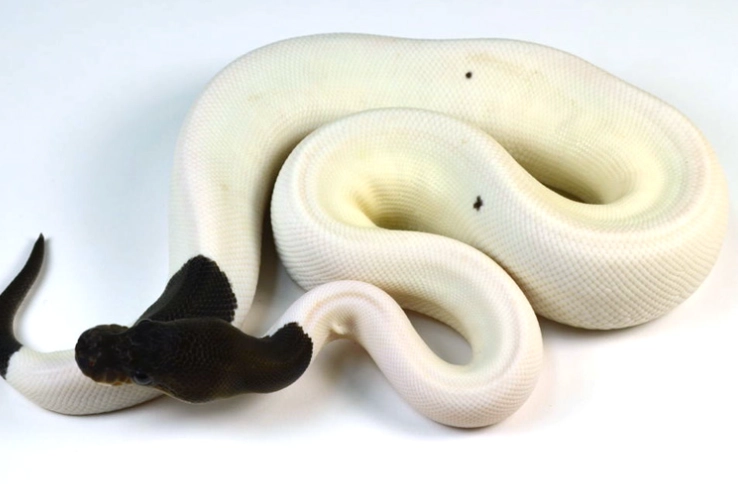
Health Monitoring: The White Scale Advantage
Paradoxically, those white patches are a fantastic health monitor. You can see the slightest pinkness of an impending scale rot infection or a mite much earlier than on a darker snake. Check the white areas regularly during handling.
Watch for these signs:
- Refusing food: Double-check temperatures first, especially the hot spot. A drop of 3-4 degrees can cause a fast.
- Rubbing nose: Check for stuck shed or, more likely, the beginning of a respiratory infection (listen for wheezing or see mucus).
- Lethargy/unusual posture: Could indicate inclusion body disease (IBD), a fatal retrovirus. Always quarantine new snakes for 90 days, no exceptions.
Having a relationship with an exotics vet before you have an emergency is one of the best decisions you can make. The Association of Reptilian and Amphibian Veterinarians website is a good place to start looking.
A Realistic Look at Breeding Panda Pieds
Breeding panda pieds is an advanced project. It's expensive, space-intensive, and outcomes are uncertain. Don't do it thinking you'll make quick money; you almost certainly won't.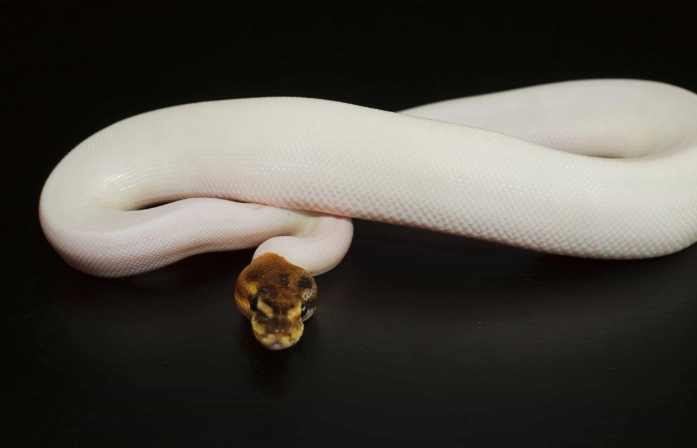
You need proven, healthy adults. A typical project involves pairing a male panda pied to a female carrying compatible genes (like a black pastel het pied). This increases your odds of getting some panda pieds in the clutch. Pairing two panda pieds together increases the chance of producing "super" forms of the darkening genes, which can look amazing but also introduces a small risk of genetic defects like kinks.
The process is a year-long commitment:
1. Cooling period (Brumnation): In fall, drop nighttime temps to mid-70s for 8-12 weeks. Do not feed during this time.
2. Introduction: Introduce the male to the female's enclosure. Watch for locking (copulation).
3. Ovulation & Pre-lay shed: The female will swell noticeably and then have a post-ovulation shed. This is your cue to provide a lay box filled with damp sphagnum moss.
4. Incubation: Eggs are removed and incubated in a dedicated incubator at 88-90°F for roughly 55-60 days. Humidity must be near 100%.
5. Hatching & First Shed: Hatchlings will emerge and have their first shed. Only then should you attempt their first meal (usually a live mouse hopper to trigger a feeding response).
It's rewarding, but it's a lot of work. Your first clutch might yield zero panda pieds. That's the genetics game.
How to Buy a Panda Pied: A Buyer's Checklist
Don't get dazzled by photos. A smart purchase is about health and reputation.
Where to Look:
- Reptile Expos: You can see the animal in person, check its body condition, and talk to the breeder directly.
- Reputable Online Breeders: Look for breeders with established websites, active social media showing their collection, and positive reviews on forums like FaunaClassifieds' Board of Inquiry. Avoid sellers only on generic platforms like Craigslist.
Your Pre-Purchase Checklist:
- Ask for a full-body photo and a close-up of the head/eyes. Eyes should be clear, no stuck eye caps. Nostrils clear.
- Ask about feeding history. How many consecutive meals has it taken? On what schedule (frozen/thawed or live)?
- Ask about genetics. If the breeder can't explain what genes make their animal a "panda pied," walk away.
- Get a guarantee. A health guarantee upon arrival is standard. A live arrival guarantee is mandatory for shipped animals.
- Price Range: As of now, expect to pay anywhere from $400 for a lower-contrast hatchling to over $2,000 for a stunning high-white, high-contrast animal from proven lines. Males are usually cheaper than females.

Comments
Leave a Comment