Quick Navigation: What's Covered Here
I was wading through a shallow stream in West Virginia a few years back, trying to spot small fish, when a local biologist pointed out something I'd never forget: a tiny, electric-blue and orange fish darting between rocks. That was my first candy darter. It looked like a living piece of candy, but the biologist's tone was grim. He said populations had crashed by over 50% in just two decades. That moment stuck with me. If you're reading this, you probably care about unique wildlife or are curious about this oddly named fish. Let's dive into what makes the candy darter special, why it's in trouble, and what's being done—often poorly—to save it.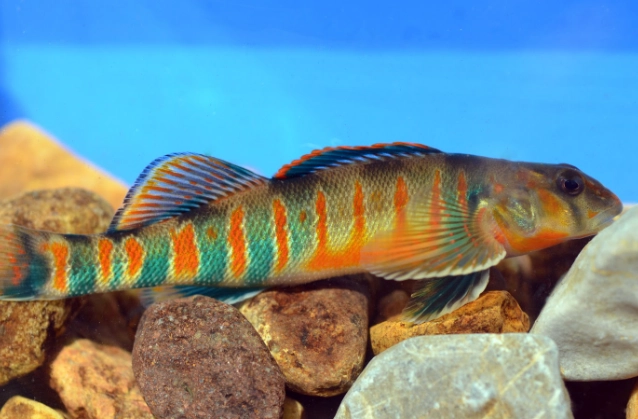
What Exactly is a Candy Darter?
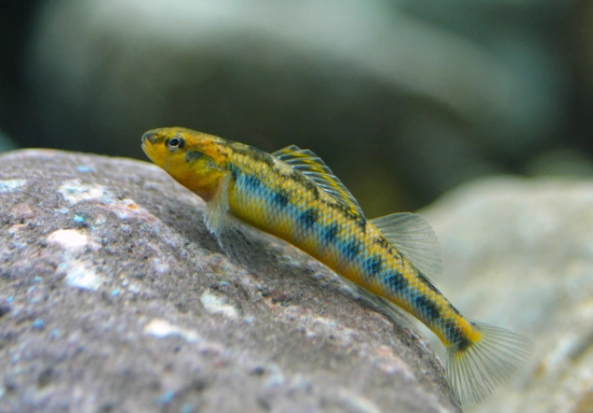
The candy darter (Etheostoma osburni) is a small freshwater fish, part of the darter family. It's native to the Appalachian region of the eastern United States. Most people describe it as stunningly colorful, with males showing vibrant blues, reds, and oranges during breeding season. Females are more subdued, but still have a distinct pattern. They're tiny, usually 2 to 3 inches long, and live on stream bottoms, feeding on insects.
How to Spot a Candy Darter in the Wild
Identifying a candy darter isn't easy unless you know what to look for. Here's a quick breakdown:
- Colors: Males in breeding season have a bright blue body with red-orange bars on the sides. Think of a neon candy stripe.
- Shape: Slender body, adapted for fast movements in flowing water.
- Habitat: Always in clear, cool streams with gravel or rocky bottoms. If the water's murky, you're unlikely to see one.
I've seen beginners confuse them with other darters, like the rainbow darter. The key difference? Candy darters have more intense blue hues and specific bar patterns. A common mistake is assuming any colorful small fish is a candy darter—it's not. Misidentification can skew conservation data, which is why experts stress careful observation.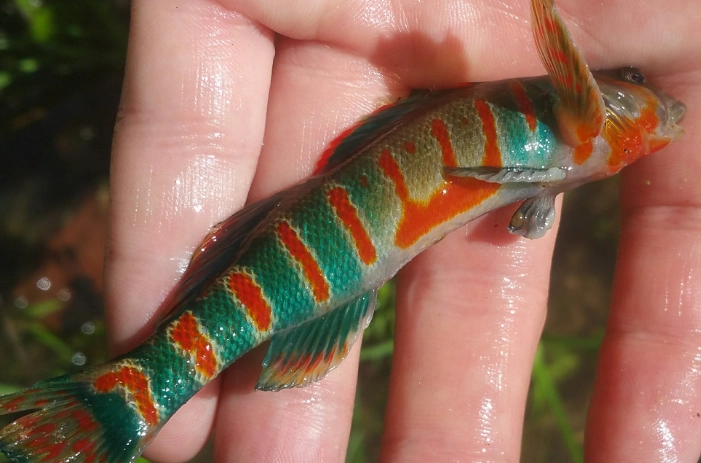
Where Do Candy Darters Call Home?
Candy darters have a very limited range. Historically, they were found in streams across Virginia and West Virginia, but today, their distribution has shrunk dramatically. They're now mostly confined to a few river systems.
Key Locations for Candy Darters: If you're hoping to see one or support local efforts, focus on these areas. I've visited some, and access varies—some spots are on public land, others require permission.
| River System | State | Current Status | Best Time to Visit |
|---|---|---|---|
| Greenbrier River | West Virginia | Stronghold population | Late spring to early summer |
| New River Basin | Virginia | Critically endangered | May-June for breeding colors |
| Gauley River | West Virginia | Fragmented, declining | Year-round, but water levels matter |
Their habitat is specific: they need clean, fast-flowing water with temperatures below 70°F. Pollution or siltation can wipe them out quickly. I recall a stream in Virginia where a road construction project dumped sediment, and a local group told me the candy darter population there vanished within a year. It's that fragile.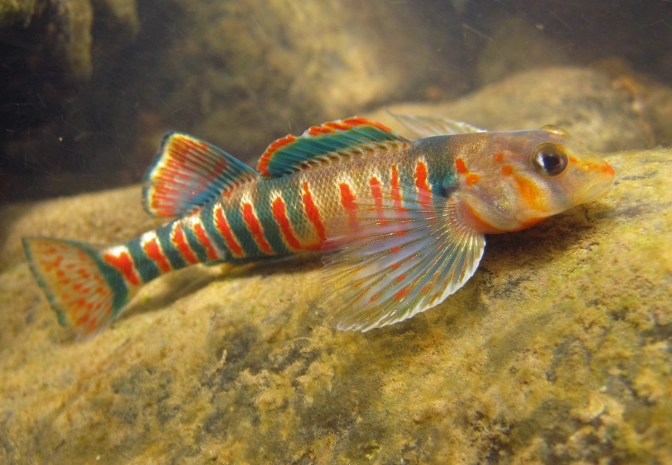
Why is the Candy Darter Endangered?
The candy darter is listed as endangered under the U.S. Endangered Species Act. The main reasons? Habitat loss and hybridization. Let's break it down.
Major Threats to Survival
First, habitat degradation. Mining, agriculture, and urban runoff introduce sediments and chemicals into streams. Candy darters can't tolerate muddy water—it clogs their gills and smothers their eggs. Second, hybridization with the variegate darter, a closely related species. When habitats are disturbed, these species interbreed, diluting the candy darter's genetic uniqueness. Some conservationists argue that hybridization is a natural process, but in this case, human activity accelerates it to dangerous levels.
Another overlooked threat is climate change. Warmer water temperatures stress the fish and reduce oxygen levels. I've spoken to researchers who say that even a 2-degree increase could make some streams uninhabitable. Yet, many recovery plans barely address this, focusing instead on short-term fixes like habitat cleanup.
Current Conservation Efforts for Candy Darters
Efforts to save the candy darter are ongoing, but they're a mixed bag. On paper, things look good: legal protection, breeding programs, and habitat restoration. In practice, funding is scarce and projects often move slowly.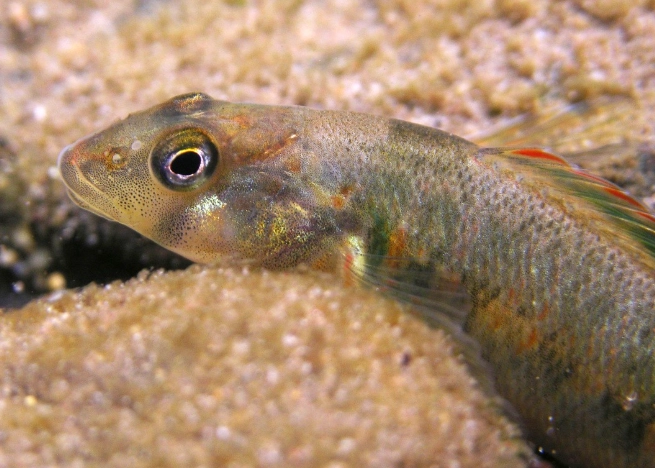
What's Working and What's Not
The U.S. Fish and Wildlife Service has a recovery plan, but it's underfunded. Local groups, like the West Virginia Division of Natural Resources, do hands-on work like removing invasive species and monitoring populations. I volunteered with one such group last year, and we spent days clearing logjams to improve water flow. It helped, but it's a drop in the bucket.
A successful case is the Greenbrier River restoration, where partnerships with landowners reduced agricultural runoff. Populations there have stabilized slightly. But in the New River Basin, efforts are lagging due to bureaucratic delays. One expert told me off the record that politics often stalls action, especially when mining interests are involved.
How You Can Actually Help Save the Candy Darter
You don't need to be a scientist to make a difference. Here are practical steps, based on what I've seen work.
- Report Sightings: If you're in Appalachia and spot a colorful fish, take a photo and report it to local wildlife agencies. Accurate data is gold for conservation. Use apps like iNaturalist—it's how I logged my first sighting.
- Support Specific Organizations: Donate to groups focused on freshwater conservation, such as the Nature Conservancy's Appalachian streams project. Avoid generic charities; look for those with on-the-ground projects.
- Reduce Your Water Pollution Footprint: Simple actions like using phosphate-free detergents or supporting clean water legislation help. It sounds basic, but cumulative impact matters.
- Volunteer for Stream Cleanups: Many local organizations host events. I joined one in West Virginia, and we removed tons of trash from a candy darter stream. It's tangible work.
Avoid the mistake of thinking that just spreading awareness is enough. Action is key. One thing I've noticed: people often focus on charismatic species like bears, but small fish like the candy darter are ecosystem indicators—saving them helps entire waterways.
Your Candy Darter Questions Answered
Wrapping up, the candy darter is more than just a pretty fish. It's a symbol of Appalachian stream health. Losing it would mean losing a piece of biodiversity that's irreplaceable. From my experience, the fight to save it is uphill, but every small action counts. Get involved, stay informed, and maybe you'll be lucky enough to see one darting through the clear water someday.




Comments
Leave a Comment