Orange betta fish catch your eye with their fiery color, but keeping them vibrant isn't just about dropping them in a bowl. I've kept these fish for over a decade, and most guides miss the subtle stuff that makes or breaks their health. Let's cut to the chase: with proper care, an orange betta can live 3-5 years, but many die early due to simple mistakes. This guide dives into everything you need—tank setup, feeding, health issues, even breeding—based on hands-on experience and trusted sources like the International Betta Congress.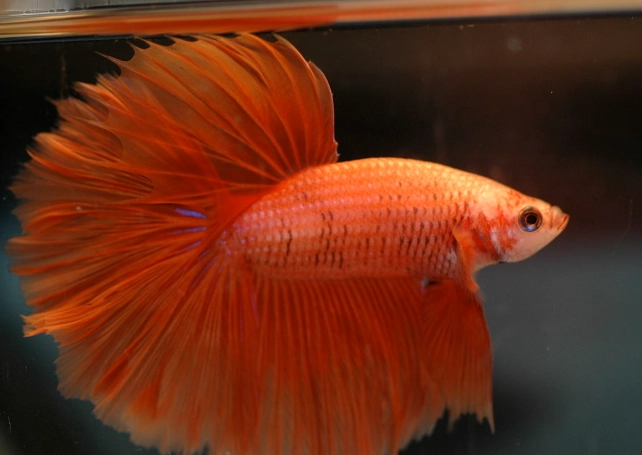
What You'll Find Inside
What Makes Orange Bettas Stand Out?
That bright orange isn't just for show—it's genetic. Betta fish colors come from pigments, and orange is often a result of selective breeding. Unlike some fancy varieties, orange bettas tend to be hardier, but their color can fade if stressed. I've seen owners panic when their fish turns pale, thinking it's sick, but sometimes it's just poor water quality.
Genetics and Color Variations
Orange bettas usually fall into the "solid" color category, but you might see marbling or patches. The color intensity depends on diet and environment. A study by the American Betta Fish Association notes that orange hues can deepen with carotenoid-rich foods. Don't buy into myths that they're more aggressive—that's individual temperament, not color-based.
Common Types You'll Encounter
In pet stores, you'll spot orange veil tails, crowntails, and halfmoons. Veil tails are cheaper but prone to fin rot if water isn't clean. Crowntails look dramatic but need extra space to swim. Halfmoons are stunning but often inbred, leading to health issues. I avoid halfmoons from bulk breeders; instead, look for reputable sellers who prioritize health.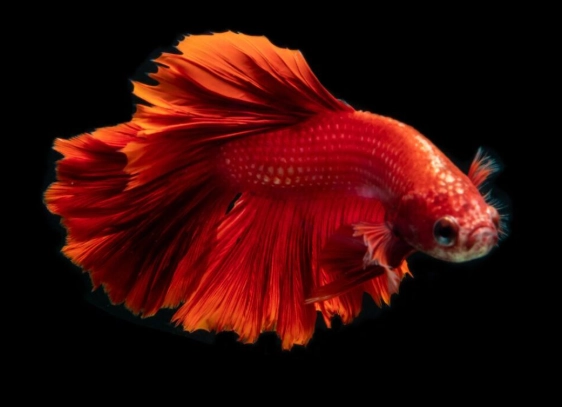
Setting Up the Ideal Tank: No Guesswork
Forget the tiny bowl. An orange betta needs space—at least 5 gallons. I started with a 2.5-gallon tank years ago and regretted it; the fish was lethargic and prone to illness. Here's a breakdown of what works.
Tank Size and Water Parameters
Go for a 5 to 10-gallon tank. Smaller tanks fluctuate in temperature and ammonia levels, stressing the fish. Water should be kept at 78-80°F (25-27°C). Use a heater—a common oversight. pH around 6.5-7.5 is fine, but stability matters more than perfect numbers. Test weekly with a kit; I use the API Freshwater Master Test Kit, and it's saved me from countless crashes.
Pro tip: Cycle your tank before adding the fish. It takes 4-6 weeks, but skipping this causes "new tank syndrome," where ammonia spikes harm your betta. I learned this the hard way when my first orange betta died within a week.
Filtration and Decorations
A gentle filter is a must. Bettas hate strong currents, so opt for a sponge filter or adjust the flow. For substrate, sand or smooth gravel works—avoid sharp edges that tear fins. Live plants like java fern or anubias help with water quality and provide hiding spots. I've found that bettas with plants are less stressed and show brighter colors.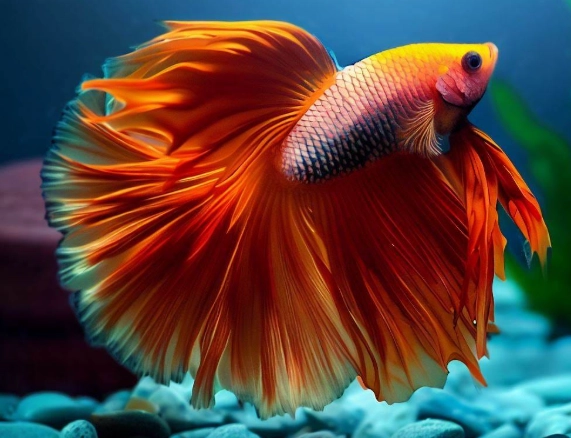
| Equipment | Recommendation | Why It Matters |
|---|---|---|
| Tank Size | 5-10 gallons | Prevents stress, stable environment |
| Heater | Adjustable, 50W for 5 gal | Maintains tropical temperature |
| Filter | Sponge or low-flow | Keeps water clean without current |
| Substrate | Smooth gravel or sand | Safe for delicate fins |
Feeding for Color and Health: Beyond Flakes
Feeding an orange betta isn't just about quantity; it's about quality. Many commercial foods lack nutrients, leading to dull color and bloating. I rotate between high-protein pellets, frozen foods, and occasional treats.
Best Diet Practices
Feed once or twice daily, only what they can eat in 2 minutes. Overfeeding is a huge issue—it pollutes water and causes swim bladder disorder. For color enhancement, include foods with carotenoids: brine shrimp, daphnia, or spirulina-based pellets. I've used Hikari Betta Bio-Gold pellets, and my fish's orange stayed vibrant.
Foods to Avoid
Skip generic flakes; they often fill fish up without nutrition. Also, avoid feeding exclusively live food from unreliable sources—it can introduce parasites. One time, I fed wild-caught bloodworms, and my betta got internal parasites. Stick to frozen or freeze-dried options from trusted brands.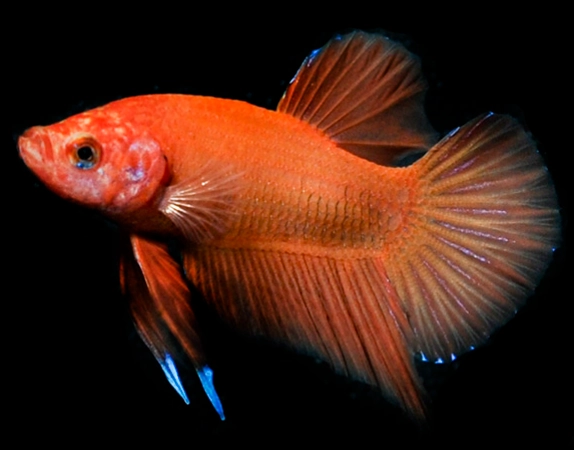
Spotting and Fixing Common Health Problems
Orange bettas are resilient, but they're not immune to issues. Early detection is key. Here are the big ones I've dealt with.
Recognizing Signs of Stress
Clamped fins (held close to the body), loss of color, or hiding constantly signal stress. Check water parameters first—ammonia or nitrite spikes are often the culprit. A stressed betta is more prone to diseases like ich or fin rot.
Treatment Options
For fin rot, clean water and aquarium salt usually suffice. Ich requires raising temperature slightly and using medication like Ich-X. Avoid over-medicating; I've seen owners dump chemicals for minor issues, harming the fish. Quarantine new plants or fish to prevent outbreaks.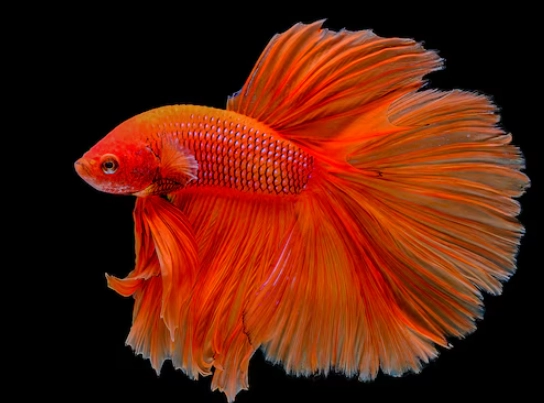
Breeding Orange Bettas: A Realistic Approach
Breeding isn't for beginners, but if you're curious, here's a step-by-step based on my attempts. It requires patience and separate tanks.
Preparing for Breeding
Select a healthy pair—males should be vibrant, females plump. Condition them with high-protein foods for two weeks. Set up a breeding tank (10 gallons) with shallow water and a bubble nest site like a leaf. Introduce the female in a separator first; males can be aggressive.
Caring for Fry
After spawning, remove the female. The male guards the eggs until they hatch in 24-48 hours. Fry need infusoria or commercial fry food initially. This is where most fail: water quality must be pristine, with frequent small water changes. I lost my first batch due to overfeeding and dirty water.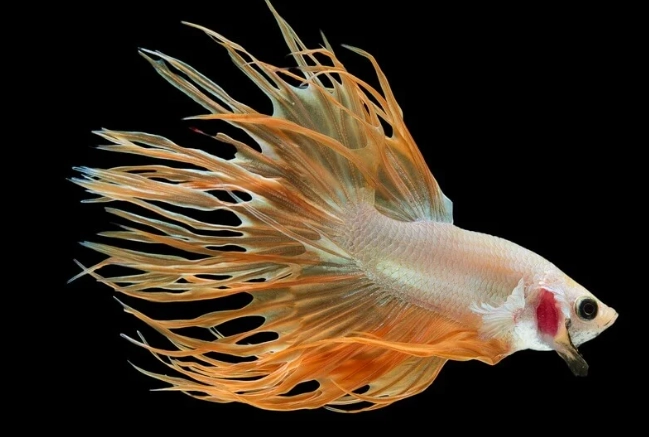
Your Burning Questions Answered
Keeping an orange betta fish rewarding when you get the basics right. Start with a proper tank, feed wisely, and watch for stress signs. Don't overcomplicate it; these fish are tough but deserve good care. If you're stuck, reach out to online communities like the Betta Fish Subreddit—they're full of experienced keepers sharing real-world advice. Happy fishkeeping!

Comments
Leave a Comment