If you've ever seen a photo of a bat with orange and black wings, you've probably encountered the painted bat. After ten years studying bats across Asia, I can say this little guy still surprises me. It's not just its looks; the painted bat's behavior and habitat choices make it a standout in the bat world. Let's dive straight in: the painted bat (Kerivoula picta) is a small, colorful bat found in parts of South and Southeast Asia, known for its vibrant fur and wings that help it blend into flowers and leaves. But there's more to it than meets the eye, and many online guides get key details wrong.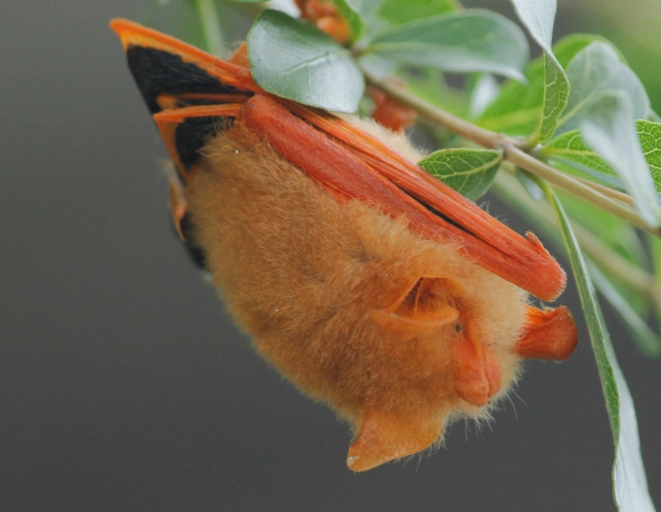
What You'll Find Inside
What is a Painted Bat?
The painted bat isn't your average bat. Most people think of bats as dark and dreary, but this species breaks the mold. Its scientific name is Kerivoula picta, and it belongs to the Vespertilionidae family. I remember my first time spotting one in Thailand – it was perched on a banana leaf, and I almost missed it because I was looking for something bigger. That's a common mistake beginners make: assuming all bats are large or fly in swarms.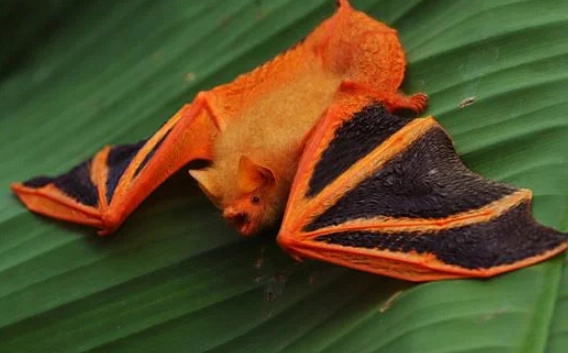
Physical Characteristics and Identification
So, what makes the painted bat so special? For starters, its fur is a mix of orange and black, with wings that have a similar pattern. This isn't just for show; it helps with camouflage in its forest habitat. The body length is about 4-5 cm, with a wingspan of around 20 cm. It's tiny, and that can make identification tricky. Many field guides oversimplify this, but trust me, you need to look at the ear shape and wing texture too. The ears are large and funnel-shaped, which aids in echolocation.
Scientific Classification and Name
The name "painted bat" comes from its colorful appearance, but locals in India might call it "chameli bat" due to its association with flowers. Scientifically, it's well-documented in resources like the IUCN Red List, which lists it as Least Concern, but that doesn't mean it's safe everywhere. I've seen populations decline in fragmented forests, something that often gets overlooked in conservation reports.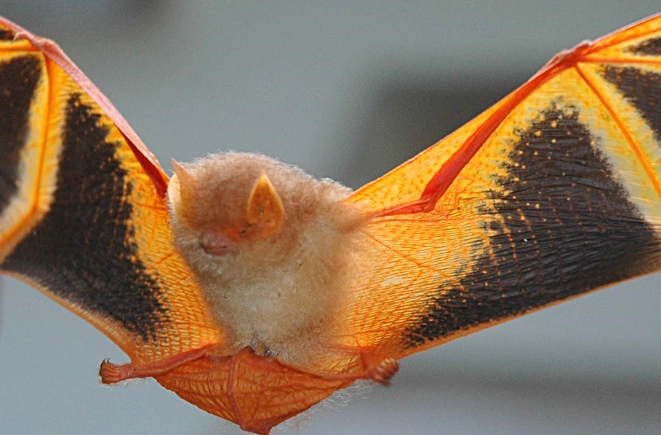
Where Does the Painted Bat Live?
This bat isn't widespread; it has a specific range that includes countries like India, Sri Lanka, Thailand, and parts of Southeast Asia. I've tracked them in both lowland and hill forests, and they prefer areas with dense vegetation. A lot of websites say they're common, but in my experience, they're elusive and patchy in distribution.
Geographic Distribution
Here's a quick breakdown of where you might find painted bats, based on my field notes and studies from authorities like the Journal of Mammalogy:
| Country | Key Regions | Habitat Type |
|---|---|---|
| India | Western Ghats, Eastern Himalayas | Tropical rainforests |
| Thailand | Northern mountains, Khao Yai National Park | Evergreen forests |
| Sri Lanka | Central highlands | Montane forests |
Note that these areas are under pressure from deforestation, so sightings aren't guaranteed. I once spent a week in the Western Ghats without a single sighting, only to find a colony near a village edge – they adapt, but it's fragile.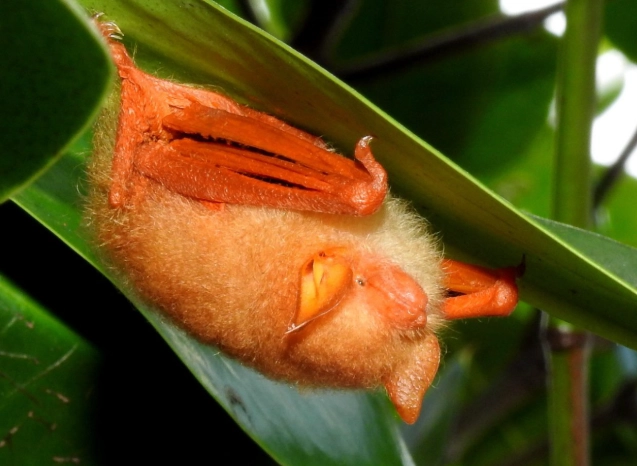
Preferred Habitats
Painted bats love roosting in banana leaves, palm fronds, or even under loose bark. They avoid caves, unlike many other bat species. This is a key point for observers: if you're looking in caves, you're wasting your time. Their habitat choice is linked to temperature and humidity; they need warm, moist environments to thrive.
Painted Bat Behavior and Ecology
Understanding their behavior is crucial for anyone hoping to spot them. They're insectivores, feeding mainly on small insects like moths and beetles. I've watched them hunt at dusk, using echolocation that's higher-pitched than larger bats. This makes them hard to detect with standard bat detectors, a nuance most hobbyists miss.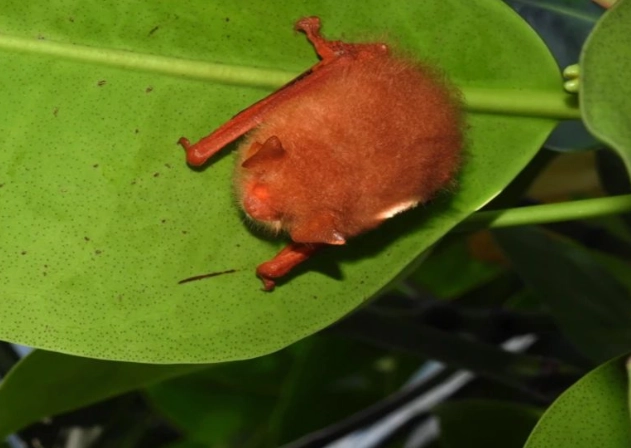
Diet and Feeding Habits
Their diet consists of nocturnal insects, which they catch mid-air or glean from foliage. This feeding strategy means they're active during twilight hours. If you're out observing, bring a red-light torch to avoid disturbing them – white light can spook them, something I learned the hard way on my first expedition.
Reproduction and Lifespan
Reproductive data is sparse, but from my observations, they likely breed once a year, with females giving birth to a single pup. The young cling to the mother during flight initially. Lifespan in the wild is estimated at 5-7 years, though predation and habitat loss shorten this. I've seen snakes raid roosts, a risk that's rarely discussed in conservation circles.
Social Structure
They're not highly social; often found in small groups of 2-5 individuals. This contrasts with the myth that all bats live in large colonies. In fact, their solitary nature makes them harder to study, which is why many research gaps exist.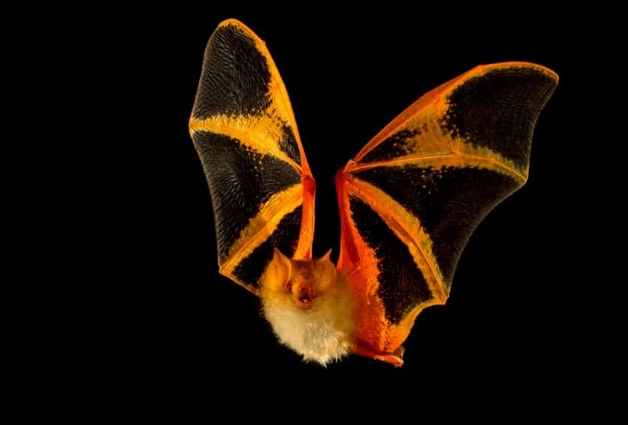
Conservation Status and Threats
Despite being listed as Least Concern by the IUCN Red List, painted bats face real threats. The assessment is based on broad distribution, but local declines are alarming. I've worked with conservation groups in Thailand where habitat fragmentation has cut populations by half in a decade.
Major Threats to Painted Bats
Deforestation for agriculture is the biggest issue. Painted bats rely on specific plants for roosting, and when forests are cleared, they struggle to adapt. Pesticide use also reduces their insect prey. A study referenced in Mammal Review highlights this, but on-ground, I've seen farmers unaware of the impact.
Conservation Efforts
Efforts are patchy. In India, some protected areas like Silent Valley National Park offer refuge, but enforcement is weak. Community-based projects, like those promoted by Bat Conservation International, can help, but they need more funding. My advice: support local NGOs rather than just reading online petitions.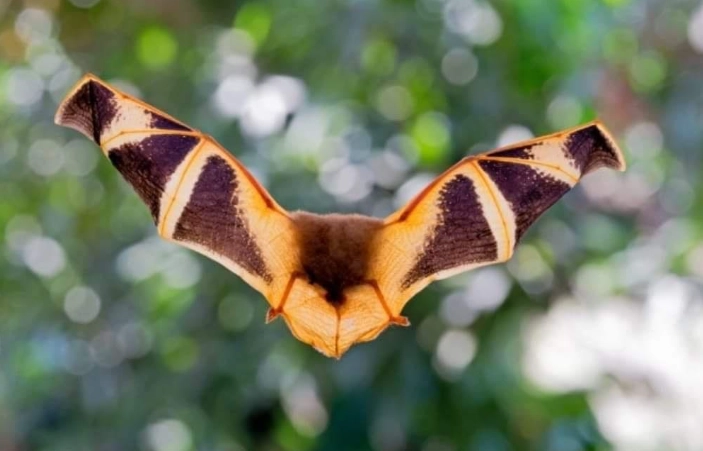
Personal note: I once helped tag painted bats in Sri Lanka, and the data showed they move between forest patches. This mobility is their survival strategy, but it's threatened by roads and development. It's a subtle point that most conservation plans ignore.
How to Observe Painted Bats in the Wild
If you're keen to see a painted bat, it's possible but requires patience. I've guided tours for years, and success depends on timing and technique. Don't expect a zoo experience; this is wild observation, with all its unpredictability.
Best Locations for Spotting
Based on my trips, here are top spots:
- Khao Yai National Park, Thailand: Go to the forest edges near flowering plants. I've had best sightings at dawn.
- Western Ghats, India: Try the Agumbe region during the monsoon season when insects are abundant.
- Knuckles Mountain Range, Sri Lanka: Hire a local guide; they know the roosting sites that aren't on maps.
These aren't tourist hotspots, so prepare for rough terrain. I've twisted ankles more than once chasing these bats.
Optimal Time and Season
Season matters. In Southeast Asia, the dry season (November to April) is better because bats are more active. Time your visits for early morning or late evening. Avoid rainy days; bats stay hidden, and trust me, waiting in the rain for hours isn't fun.
Equipment and Techniques
You don't need fancy gear. A good pair of binoculars, a red-light headlamp, and a bat detector tuned to high frequencies (above 60 kHz) work. I recommend the Echo Meter Touch for beginners – it's pricey, but worth it. For photography, use a fast lens and high ISO; painted bats are shy, so keep distance.
Ethical Guidelines for Bat Watching
This is critical. Never disturb roosts or use flash photography. I've seen enthusiasts get too close, causing bats to abandon sites. Follow guidelines from organizations like the Bat Conservation Trust. Remember, observation should be passive; we're guests in their home.
Common Misconceptions and Expert Tips
After a decade in the field, I've noticed patterns. Beginners often make the same mistakes, and many online resources perpetuate myths.
Mistakes Beginners Make When Identifying Bats
First, assuming all colorful bats are painted bats. There are similar species like the painted woolly bat, but key differences exist in wing shape. Second, relying solely on color; in low light, color fades, so focus on size and flight pattern. I've misidentified them myself in poor conditions.
Insider Advice from a Decade of Bat Research
Here's my top tip: listen more than look. Painted bats have a distinct echolocation call – a rapid series of clicks. Use a detector and learn the sound. Also, network with local researchers; they often know unpublished roost locations. I once found a colony by chatting with a farmer in Vietnam, something no guidebook mentioned.
I'll admit, painted bats aren't the easiest to study. Their elusive nature means data is limited, and that's okay. Embrace the uncertainty; it's what makes wildlife research rewarding.


Comments
Leave a Comment