Let's talk about catfish. If you picture a muddy river monster, you're only seeing one tiny slice of a massive, fascinating family. The truth is, breeds of catfish for home aquariums are incredibly diverse. Some are tiny, peaceful cleaners. Others are bold, patterned centerpiece fish. Picking the wrong one can mean a stressed fish, a wrecked tank, or worse. I've kept them for over a decade, and I still see the same mistakes. This guide cuts through the confusion. We'll look at popular picks, hidden gems, and what you really need to know beyond the pet store label.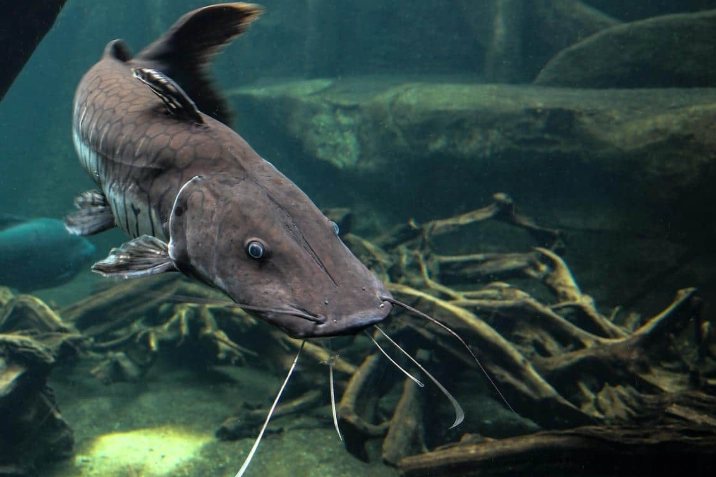
What's in This Guide?
What Exactly Are Catfish?
The term "catfish" is a common name bucket for thousands of species in the order Siluriformes. What ties them together? Those famous whiskers, called barbels, used for sensing food and navigating murky water. But here's where the generalization fails miserably. A two-inch Corydoras and a five-foot Redtail Catfish share the name but have zero overlap in care requirements.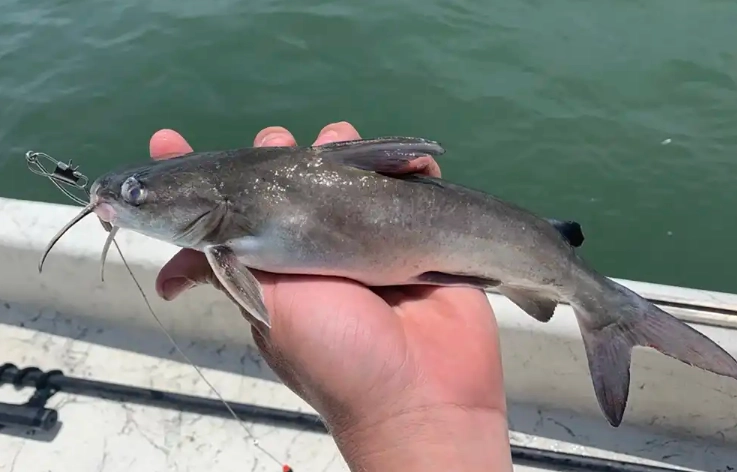
Most aquarium breeds fall into a few key families: the armored Corydoras, the sucker-mouthed Loricariidae (like Plecos), the nocturnal and often predatory Pimelodidae. Understanding which family your potential fish belongs to is the first step to success. It tells you about its diet, activity level, and potential size. A common error is treating all bottom-dwellers the same. They're not.
Top 5 Most Popular Aquarium Catfish Breeds
These are the ones you'll see everywhere. But popularity doesn't always equal suitability. Let's break them down with the details aquarists actually care about.
| Breed (Common Name) | Scientific Name (Genus) | Adult Size | Temperament | Key Care Need Most People Miss |
|---|---|---|---|---|
| Bristlenose Pleco | Ancistrus | 4-6 inches | Peaceful, territorial with own kind | Needs driftwood to rasp on for digestion. Doesn't live on algae alone. |
| Corydoras (Panda, Bronze, etc.) | Corydoras | 1-3 inches | Extremely peaceful, social | Must be kept in groups of 6+. Smooth sand substrate is ideal for barbel health. |
| Otocinclus | Otocinclus | 1-2 inches | Very peaceful, delicate | Requires a mature, algae-rich tank. Often starves in new, "clean" setups. |
| Synodontis (Featherfin, Upside-Down) | Synodontis | 4-10+ inches (varies) | Mostly peaceful, nocturnal | Many species get larger than advertised. Provide caves and dim lighting. |
| Glass Catfish | Kryptopterus vitreolus | 3-4 inches | Peaceful, schooling, sensitive | Needs pristine water and a tight school (5+). Not a beginner fish despite its looks. |
See the range? A Bristlenose is a workhorse. It'll graze on algae, but it also needs sinking wafers and, crucially, a piece of driftwood. The wood isn't decoration; they digest cellulose from it. I've seen too many with sunken bellies because owners thought algae was enough.
Corydoras are the puppies of the catfish world. Buying just one or two is cruel. They communicate and feel secure in a group. Watch a shoal of six or more sift through sand together—it's tank life at its best. And about that sand: rough gravel can wear down their delicate barbels, leading to infections.
Otocinclus break hearts. They're sold as the ultimate nano algae cleaner. The problem? A new tank often doesn't have enough biofilm and soft algae. They slowly waste away. If you get them, have a plan to supplement with blanched zucchini and specialized foods from day one.
How to Choose the Right Catfish for Your Tank
Forget just picking the cutest one. Match the fish to your setup. Ask these questions:
1. How Big Is Your Tank Really?
That "6-inch" Pleco? Many common types (Hypostomus plecostomus) hit 18 inches. They produce waste like a small dog. A 20-gallon tank becomes a toxic puddle fast. Always research the maximum adult size, not the juvenile size in the store. Resources like FishBase or seriously fishkeeping websites are your friend. Pet store info is often simplified or wrong.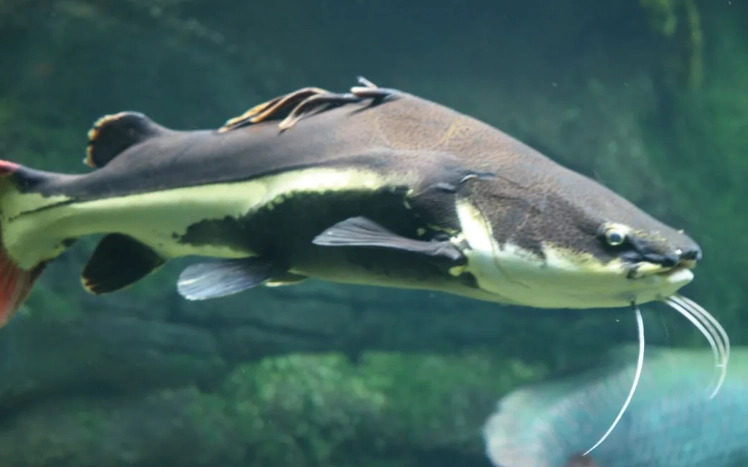
2. Who Are Its Tank Mates?
Catfish compatibility isn't universal. A slow-moving, long-finned Goldfish is a terrible mate for an active, sometimes-nippy Synodontis. Conversely, small Corydoras can be bullied by large, aggressive cichlids. Consider:
- Activity Zone: Does your catfish claim the bottom (Cory), cling to glass (Pleco), or swim mid-water (Glass Catfish)? Avoid overcrowding one zone.
- Aggression: Most are peaceful, but some, like certain Raphael Catfish, can eat small tank mates overnight.
3. What Does It Actually Eat?
"Algae eater" is the most misleading label in the hobby. Most are omnivores or carnivores. Bristlenoses need vegetables and protein. Corydoras need sinking pellets they can sift. Many larger species are proficient hunters. You can't just assume your tank's algae will suffice. You'll need to target feed.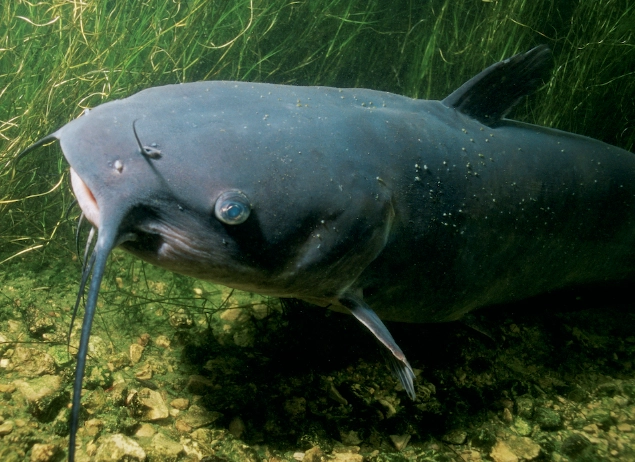
Beyond the Basics: Unusual & Specialized Species
Once you're past the beginner stage, the world opens up. These breeds offer unique behaviors but demand more specific care.
Banjo Catfish: Looks like a dead leaf. It buries itself in the substrate with just its eyes poking out, ambushing worms. Needs fine sand to perform this behavior.
Whiptail Catfish (Rineloricaria sp.): Slender, twig-like Loricariids. Peaceful and great for smaller tanks than most Plecos, but they need excellent water quality and calm tank mates.
Asian Stone Catfish (Hara jerdoni): Tiny (1 inch), cryptic masters of camouflage. They're for the dedicated observer. Keep them in a species-only nano tank with cool water and lots of leaf litter. You'll spend weeks just trying to find them.
I tried keeping a group of Pygmy Corydoras (Corydoras pygmaeus) once. They didn't just stay on the bottom. They'd school in the middle of the water column like tiny tetras, a behavior I never expected from a "bottom feeder." It taught me to never assume.


Comments
Leave a Comment