Let's cut to the chase: if you're searching for "golden possum," you've probably seen a photo of this stunning creature with shimmering golden fur and wondered if it's real. It is, and it's one of Australia's most elusive marsupials. I've spent years tracking wildlife in the bush, and I still remember the first time I spotted a golden possum—it was pure luck, honestly. This guide dives deep into what makes this animal special, where it hides, and why conservation matters more than ever.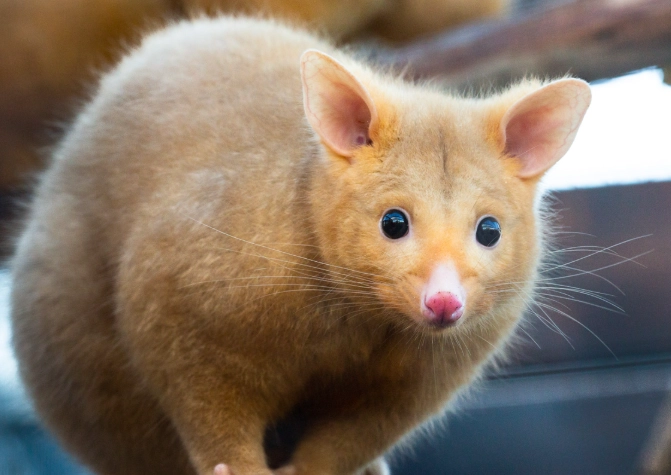
What You'll Find in This Guide
What Exactly is a Golden Possum?
A golden possum isn't a separate species—it's a color variant of the common brushtail possum (Trichosurus vulpecula). That golden fur? It's caused by a genetic mutation affecting melanin production, not albinism. I've heard tourists call them "albino possums," but that's a common mistake. Albino animals lack all pigment, resulting in white fur and pink eyes, while golden possums have that rich gold hue and normal dark eyes.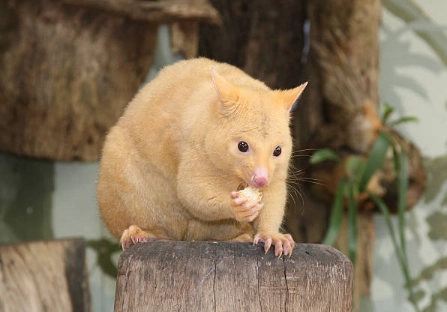
Key point: Golden possums are rare, with estimates suggesting only 1 in 10,000 brushtail possums display this trait. They're not a different species, just a stunning fluke of nature.
The Golden Fur: More Than Just Color
Their fur isn't just for show. It's thicker and denser than typical brushtail possum fur, which might offer better insulation. From my observations in Tasmania, golden possums seem to blend surprisingly well in sun-dappled eucalyptus forests, contrary to the belief that they'd stand out. They're about the same size as regular brushtail possums: 30-55 cm in body length, with a tail adding another 25-40 cm. Weight ranges from 1.5 to 4 kg, with males being larger.
Taxonomy and Relation to Other Possums
Golden possums belong to the marsupial family Phalangeridae. They share most traits with brushtail possums: prehensile tails, sharp claws for climbing, and that iconic pointy face. If you're into wildlife biology, note that their golden color doesn't affect their taxonomy—they're still Trichosurus vulpecula. This is backed by resources like the Australian Museum's wildlife database, which classifies them under color morphs.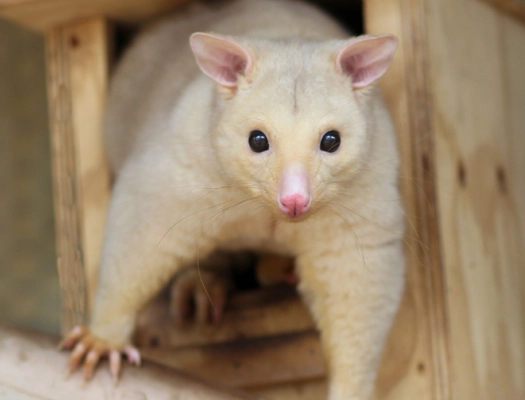
Where Do Golden Possums Live?
Golden possums are found in Australia, primarily in southeastern regions. They're not evenly distributed—you won't find them everywhere brushtail possums live. From my field trips, I've noticed hotspots in Tasmania and parts of Victoria, but sightings are sporadic.
Prime Habitats in Australia
They prefer temperate forests, especially eucalyptus woodlands and coastal scrubs. I recall a specific area in the Central Highlands of Tasmania where a local ranger reported multiple golden possum sightings over the years. These habitats offer ample tree hollows for shelter and diverse food sources. Urban areas? Rarely. Unlike their common cousins, golden possums tend to avoid cities, possibly due to higher predation risks.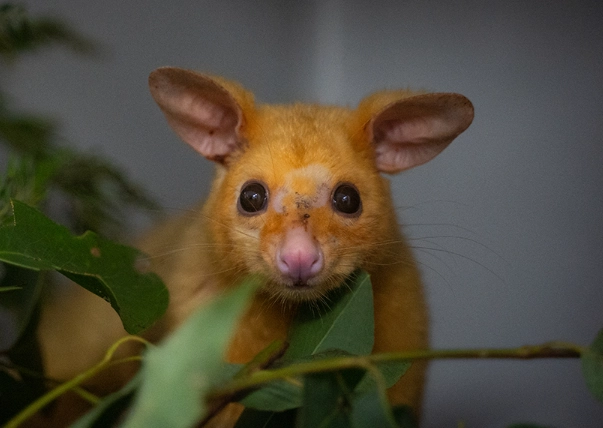
Seasonal Movements and Range
Their range isn't well-documented, but they likely follow seasonal patterns. In winter, they might move to lower elevations for food. A study by the University of Tasmania suggests golden possums have smaller home ranges, around 2-5 hectares, compared to typical brushtail possums. This makes them harder to track.
Daily Life of a Golden Possum
Golden possums are nocturnal, just like other brushtail possums. They spend days curled up in tree hollows or dense foliage. At night, they forage for leaves, flowers, fruits, and occasionally insects. I've watched them feed—they're meticulous, often selecting younger leaves for higher nutrients.
Nocturnal Habits and Diet
Their diet is mostly herbivorous. In a typical night, a golden possum might consume up to 200 grams of eucalyptus leaves. They're not picky eaters, but I've noticed they favor certain plants like wattles during flowering seasons. Water comes from dew or food, so they rarely visit ground water sources, reducing predation risk.
Breeding and Lifespan
Breeding occurs once or twice a year, with a single joey per litter. The joey stays in the pouch for about 5 months, then rides on the mother's back. Lifespan in the wild is around 5-7 years, shorter than common brushtail possums due to higher visibility to predators. In captivity, they might live longer, but keeping them is illegal without permits.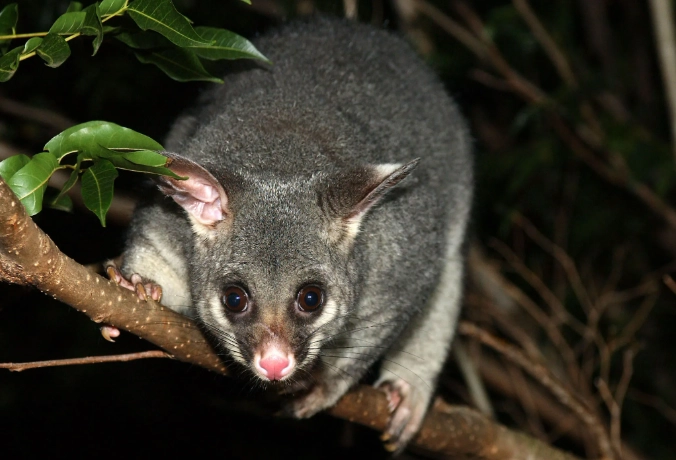
Why Are Golden Possums at Risk?
Golden possums face significant threats, primarily from habitat loss and predation. Their golden fur makes them more visible to predators like foxes and feral cats. I've seen areas in New South Wales where logging fragmented forests, forcing golden possums into smaller patches with fewer resources.
Main Threats: Habitat Loss and Predation
Habitat destruction from agriculture and urban expansion is a big issue. In Tasmania, nearly 30% of suitable forest habitat has been cleared in the past decades, according to state environmental reports. Predation is worse—foxes, introduced to Australia, find golden possums easier targets due to their coloration. Some experts argue that their rarity isn't just genetic; it's amplified by human activities.
Conservation Status: From Vulnerable to Endangered?
Golden possums aren't listed separately on the IUCN Red List, but brushtail possums are considered "Least Concern." However, color morphs like golden possums are often more vulnerable. In Victoria, they're protected under wildlife acts, but enforcement is patchy. A non-consensus view: some conservationists push for specific monitoring, arguing that treating them as just brushtail possums overlooks their unique risks.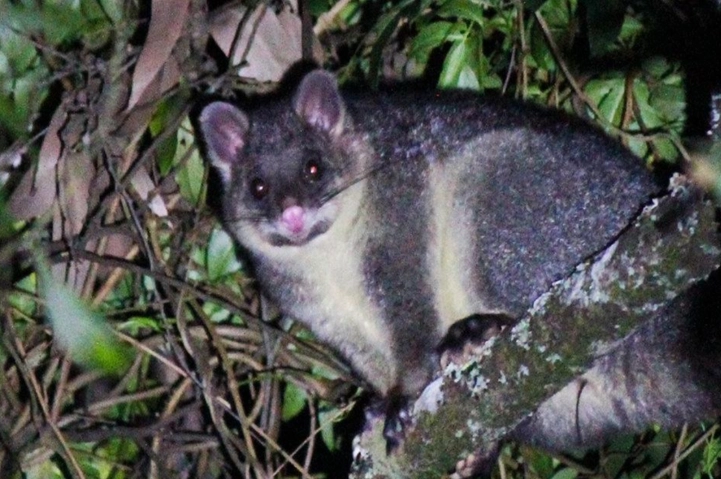
Practical Steps for Golden Possum Conservation
You don't need to be a scientist to help. Simple actions can make a difference. From my experience, citizen science projects are crucial for tracking these elusive animals.
How to Report Sightings (Citizen Science)
If you spot a golden possum, report it to local authorities or apps like iNaturalist. Include details: location (GPS coordinates if possible), date, time, and a photo. In Australia, contact your state's wildlife department—for example, the Tasmanian Parks and Wildlife Service. I once reported a sighting near Cradle Mountain, and it helped researchers update distribution maps.
Supporting Wildlife Organizations
Support groups like the Australian Wildlife Conservancy or local landcare groups. Donations fund habitat restoration and predator control programs. Volunteering for tree-planting events in known golden possum areas also helps. Avoid spreading misinformation—share accurate facts, not myths about their rarity.
Your Golden Possum Questions Answered
Golden possums are a reminder of nature's surprises. They're not just a pretty face—they're indicators of ecosystem health. By understanding and protecting them, we help preserve Australia's unique biodiversity. Next time you're in the bush, keep an eye out; you might just glimpse that golden flash in the trees.


Comments
Leave a Comment