What You'll Find in This Guide
I remember the first time I saw a golden husky. It was at a local dog park—this fluffy, energetic ball of fur with piercing blue eyes and a golden coat. I thought, "What a beautiful mix!" But as a dog trainer with over a decade of experience, I've learned that looks can be deceiving. Golden huskies, a cross between a Golden Retriever and a Siberian Husky, are gaining popularity, but they're not for everyone. In this guide, I'll walk you through everything from their quirky traits to the nitty-gritty of daily care, based on my own hands-on work with these dogs and countless owner stories.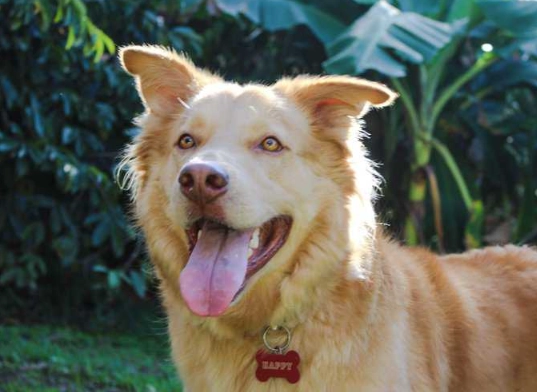
What Exactly is a Golden Husky?
Let's cut to the chase. A golden husky isn't a purebred dog; it's a designer mix, often called a Goberian. Breeders started crossing Golden Retrievers and Siberian Huskies to blend the Retriever's friendliness with the Husky's stamina. But here's the thing—there's no standard. I've seen golden huskies that look more like fluffy Goldens with blue eyes, and others that resemble lean Huskies with a golden tint. It's a genetic lottery. If you're considering one, don't rely on photos alone. Visit the breeder, meet the parents, and ask about health tests. The American Kennel Club doesn't recognize mixed breeds, but organizations like the Mixed Breed Dog Clubs of America offer resources for owners.
Why are people drawn to them? Mostly for their appearance and the hope of a "perfect" family dog. But I've had clients who ended up overwhelmed because they didn't research the Husky side's independence. One owner told me, "I thought I was getting a gentle Golden, but I got a escape artist who digs under fences." That's a common pitfall.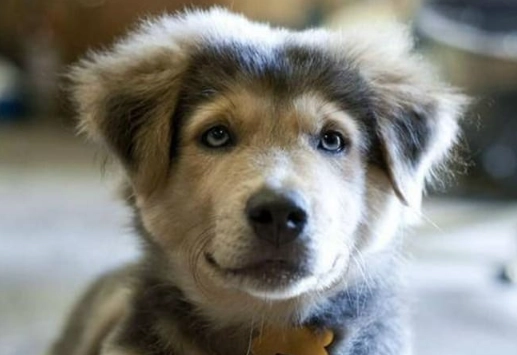
Golden Husky Temperament and Personality
Golden huskies inherit traits from both parents, and it's a wild card. Generally, they're energetic, intelligent, and social, but let me break it down based on what I've observed.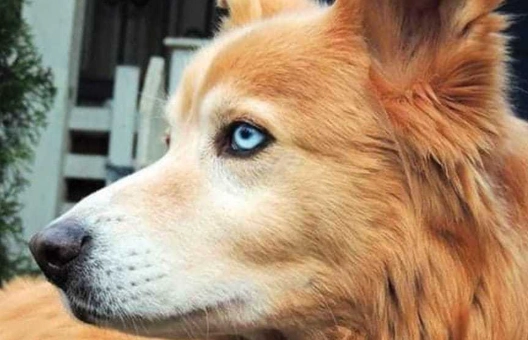
From the Golden Retriever side, you often get a friendly, eager-to-please attitude. They tend to be good with kids and other pets if socialized early. But from the Husky side, expect stubbornness and a high prey drive. I recall a case where a golden husky chased squirrels relentlessly, ignoring recall commands—a classic Husky trait. Their energy levels are through the roof. If you're not active, this dog will drive you nuts.
Here's a quick comparison based on my notes:
| Trait | Golden Retriever Influence | Siberian Husky Influence |
|---|---|---|
| Energy Level | Moderate to high | Very high |
| Trainability | Easy, responsive | Challenging, independent |
| Social Behavior | Outgoing, loves everyone | Can be aloof with strangers |
| Vocalization | Barks occasionally | Howls and talks a lot |
In practice, this means your golden husky might be a cuddle bug one minute and a determined explorer the next. I've seen them excel in agility sports but struggle with repetitive obedience drills. They need mental stimulation—puzzle toys, new tricks, or scent work. Boredom leads to chewing, digging, or worse, escaping. One owner in a suburban area had to install a 6-foot fence because her dog kept jumping over lower ones.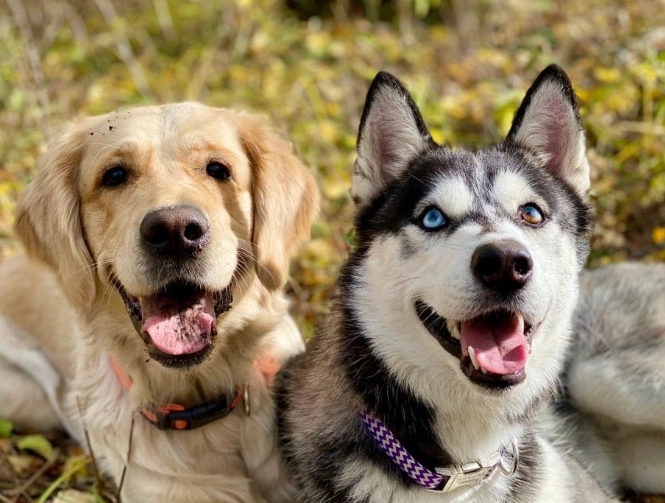
How to Care for a Golden Husky: A Step-by-Step Guide
Caring for a golden husky isn't just about food and walks; it's a lifestyle. I'll walk you through the essentials, drawing from my own routine with a golden husky named Max I fostered for six months.
Grooming and Shedding
Get ready for fur. Golden huskies have a double coat that sheds heavily, especially during seasonal changes. Brushing three times a week is a minimum. I use a slicker brush and an undercoat rake. Bathing every 6-8 weeks is enough; overbathing can strip natural oils. Many owners complain about shedding, but here's a tip: invest in a good vacuum like a pet-specific model and brush outdoors to reduce mess. I learned this the hard way when my living room looked like a fur tornado hit it.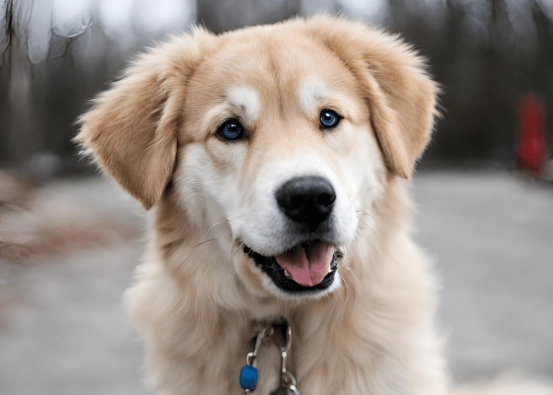
Exercise Needs
This is non-negotiable. A golden husky needs at least 90 minutes of vigorous exercise daily. Think runs, hikes, or fetch in a large yard. I split Max's exercise into two 45-minute sessions—morning jog and evening play. Without it, he became destructive, chewing shoes and furniture. If you live in an apartment, you'll need to commit to daily park visits. Heat is a concern; Huskies prefer cooler climates, so avoid midday runs in summer. I've seen owners use cooling vests for hot days.
Diet and Nutrition
Feed a high-quality dog food with protein as the first ingredient. Golden huskies are prone to obesity if overfed. Based on size, an adult typically needs 2.5 to 3.5 cups of dry food daily, split into two meals. I recommend brands like Blue Buffalo or Taste of the Wild, but consult your vet. Treats should be limited; use them for training. Max had a sensitive stomach, so I avoided grains initially, but every dog is different. Keep fresh water available always.
Pro Tip: Track your dog's weight monthly. A sudden gain could mean you're overfeeding or under-exercising. I use a simple kitchen scale for treats to avoid excess calories.
Common Health Issues in Golden Huskies
Mixed breeds aren't automatically healthier. Golden huskies can inherit issues from both sides. From my vet contacts, here are the top concerns:
- Hip Dysplasia: Common in both parent breeds. Look for signs like limping or reluctance to jump. Screening with X-rays at age 2 can catch it early.
- Eye Problems: Cataracts and progressive retinal atrophy. I've had clients whose dogs developed cloudy eyes by age 5. Regular check-ups are key.
- Allergies: Skin allergies from food or environment. Max had itching episodes; switching to a limited-ingredient diet helped.
Prevention is cheaper than treatment. Get health clearances from breeders for hips, eyes, and heart. Pet insurance can save thousands—I recommend companies like Healthy Paws based on owner reviews. Annual vet visits are a must. Don't skip vaccinations and parasite control.
One mistake I see: owners assume hybrid vigor means no health risks. That's a myth. A study from the University of California, Davis, suggests mixed breeds can still inherit genetic disorders, so due diligence is crucial.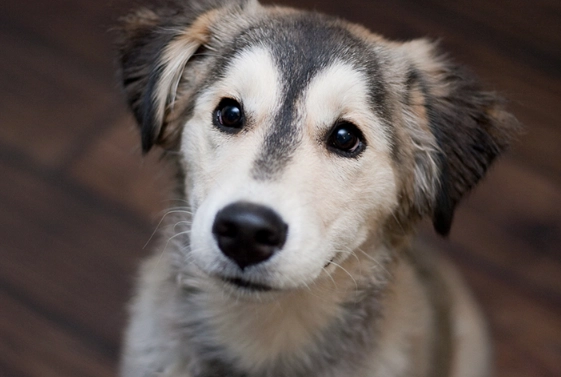
Training Your Golden Husky: Expert Tips and Mistakes to Avoid
Training a golden husky is like negotiating with a smart toddler. They're quick learners but test boundaries. Start early—puppy classes at 10 weeks old. Use positive reinforcement: treats, praise, play. Avoid punishment; it can make them fearful or aggressive.
Here's where many go wrong: inconsistency. If you let them jump on the couch one day and scold them the next, they'll get confused. I set clear rules from day one with Max. For example, no begging at the table, ever. It took patience, but he learned.
Focus on these key areas:
- Recall: Golden huskies have a strong wanderlust. Practice recall in a fenced area with high-value treats like chicken bits. Never punish them when they come back, even if it takes time.
- Leash Walking: They pull. Use a no-pull harness and stop moving when they tug. It's tedious, but it works.
- Socialization: Expose them to different people, dogs, and sounds by age 16 weeks. I took Max to busy parks and pet-friendly stores.
I've seen owners give up too soon, saying "he's just stubborn." But with persistence, golden huskies can excel. Max learned basic commands in two weeks, but mastering recall took months. Consider hiring a professional trainer if you're struggling—it's worth the investment.
Is a Golden Husky Right for You?
Let's be honest: golden huskies aren't for everyone. They suit active families with space and time. If you work long hours or prefer a couch potato dog, look elsewhere. I've counseled retirees who adopted one and ended up rehoming because the energy was too much.
Ask yourself:
- Can you commit to daily intense exercise?
- Are you prepared for heavy shedding and grooming?
- Do you have a secure yard or access to open spaces?
- Is your budget ready for potential health costs?
If yes, a golden husky can be a rewarding companion. They're loyal, playful, and great for adventures. But if you're on the fence, consider fostering first. I've seen it help people make informed decisions.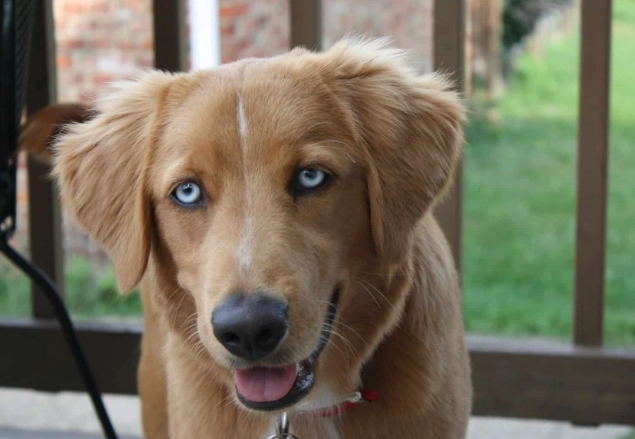
Frequently Asked Questions
How much daily exercise does a golden husky really need?
At least 90 to 120 minutes of vigorous activity, like running or hiking. Split it into sessions to prevent boredom. I've seen owners try to skimp on this, and the dog ends up chewing furniture or digging holes.
Are golden huskies good with children?
Generally yes, if socialized early. Their playful nature can be a plus, but supervise interactions due to their size and energy. Teach kids to respect the dog's space—no tail pulling. I've had cases where toddlers got knocked over during play, so training both dog and child is key.
What's the average lifespan of a golden husky?
Around 10 to 14 years, similar to parent breeds. Proper care, diet, and regular vet check-ups can extend this. I've known some live to 15, but others face health issues earlier, so it varies.
Do golden huskies bark a lot?
They're more likely to howl or "talk" like Huskies, especially when bored or left alone. Barking isn't excessive, but they're vocal. I recommend training a "quiet" command early and providing toys to keep them occupied.
In the end, owning a golden husky is a journey. They'll challenge you, make you laugh, and become a loyal friend. But go in with eyes open—research, prepare, and enjoy the ride. If you have more questions, drop a comment below; I love hearing from fellow dog lovers.

Comments
Leave a Comment