If you've ever spent time by the ocean, you've probably seen jellyfish. But have you ever wondered where they come from? That's where the fascinating, often overlooked world of egg jellyfish comes in. It's not one single species. "Egg jellyfish" refers to the critical early stages in a jellyfish's life cycle—the eggs, larvae, and sometimes the polyps—before they become the pulsating bells we recognize. Understanding this phase is key to everything from predicting blooms to appreciating the ocean's delicate balance.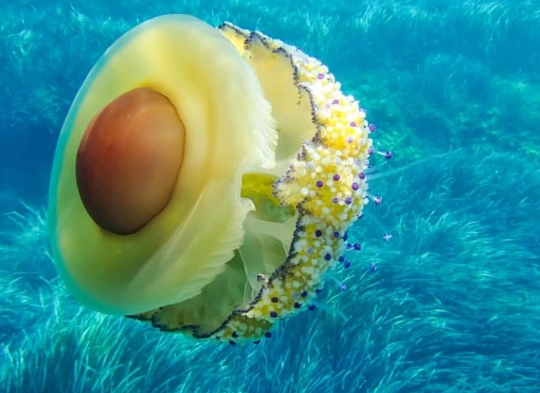
I remember the first time I saw what I thought was a weird, melting plastic bag in a tide pool. It was a translucent, frilly mass. Turns out, it was the egg-laden oral arms of a moon jellyfish. Most beachgoers walk right by these hidden nurseries.
What's Inside This Guide
What Exactly Are "Egg Jellyfish"?
Let's clear this up first. You won't find a species officially named "egg jellyfish." The term is a catch-all for the reproductive and immature forms of jellyfish. This includes:
- The eggs themselves, often microscopic.
- The planula larva: a tiny, ciliated, free-swimming stage that looks nothing like a jellyfish.
- The polyp (or scyphistoma): a tiny, sedentary, anemone-like creature that lives attached to rocks or shells.
- The ephyra: a tiny, star-shaped juvenile that buds off the polyp and grows into the medusa (adult).
When people talk about seeing "egg jellyfish," they're usually referring to visible egg masses carried by adult females. The moon jellyfish (Aurelia aurita) is the classic example. Females carry fertilized eggs in specialized pouches on their oral arms, which look like a faint, smoky, or granular haze within the jelly's clear bell and frilly arms.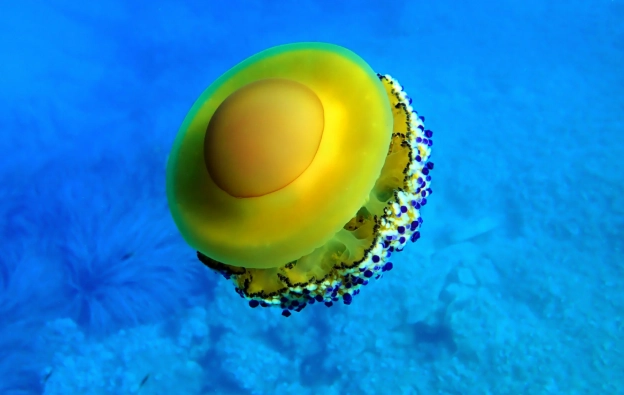
A Common Misidentification
Most online guides miss this: that clear, firm, rubbery blob you find on the beach? It's probably not a jellyfish egg mass. It's more likely a colony of tunicates (sea squirts) or salps. True jellyfish egg matter is incredibly fragile and rarely washes ashore intact. It usually disintegrates quickly. This misidentification is a huge gap in common knowledge.
How to Spot the Difference: Egg Mass vs. Imposter
This table breaks down the common look-alikes. Getting this right is the first step to being a savvy observer.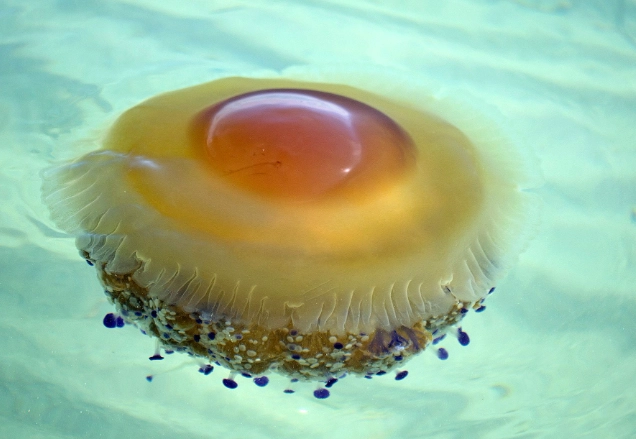
| What You See | Likely Identity | Key Identifying Features | Texture & Consistency |
|---|---|---|---|
| Frilly, smoky haze inside a jellyfish's bell/arms | Moon Jellyfish Egg Mass | Still part of a living jellyfish. Appears as a granular, beige or brownish cloud. | Fragile, disintegrates if touched. |
| Clear, firm, gelatinous blob or sausage-shaped mass | Sea Squirt (Tunicate) Colony | Often has a more defined shape. May have visible, smaller individual organisms within. | Rubbery, springy. Holds its form. |
| Long, clear or slightly opaque chain or string | Salp Chain | Looks like a necklace of connected, barrel-shaped units. Each unit is an individual salp. | Gelatinous but more structured. |
| Small, white, rice-like grains on seaweed or shells | Jellyfish Polyps (possibly) | Requires a magnifying glass. Looks like tiny anemones or hydra. | Firm, attached. |
The big takeaway? If it's on the beach and intact, it's probably not jellyfish eggs. The real egg action happens on the living animal or hidden away as microscopic polyps.
The Full Lifecycle: From Egg to Adult
Jellyfish have a complex life cycle called "alternation of generations." It involves both sexual (medusa) and asexual (polyp) phases. Most people only know half the story.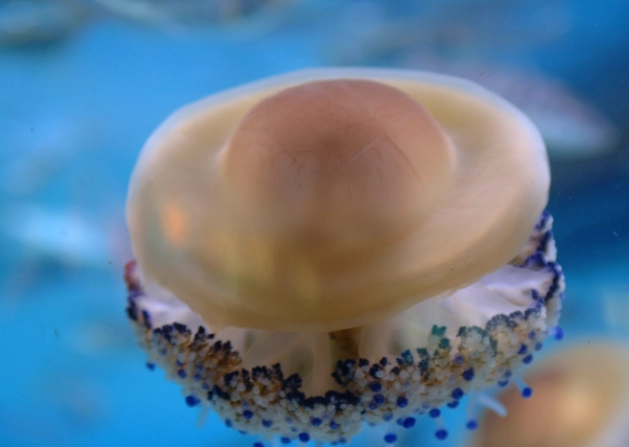
The Medusa's Role: Sex and Plankton
Adult jellyfish (medusae) are the sexual stage. Males release sperm into the water. Females, like the moon jelly, often catch this sperm to fertilize eggs they're carrying. Others release eggs into the plankton. This is where the "egg jellyfish" journey begins—as a fertilized egg.
The Hidden Phase: The Polyp Empire
This is the part most nature documentaries skip. The fertilized egg develops into a planula larva. This tiny, hairy speck swims for a few days before attaching to a hard surface—a rock, a dock piling, a shell. It then transforms into a polyp.
Here's the kicker: the polyp is immortal, in a sense. It can live for years. It feeds. And most importantly, it clones itself. Through a process called strobilation, a single polyp can produce a stack of tiny juvenile jellyfish called ephyrae, releasing them one after another. One polyp colony can be the factory for thousands of adult jellyfish. This is why jellyfish blooms can seem to appear out of nowhere. The polyps have been there all along, waiting for the right water temperature and food conditions to start production. Research from institutions like the Monterey Bay Aquarium Research Institute (MBARI) shows how sensitive this polyp stage is to environmental changes.
Where and When to Find Them
You need to know where to look and when to look. It's not random.
For Egg Masses on Adults: Your best bet is calm, sheltered waters like bays, marinas, and estuaries in late spring through summer. This is peak reproduction time for many species like moon jellies. Look for larger, often slightly milky-looking jellies. Use a snorkel or look off a calm dock. Public aquariums with jellyfish displays are a guaranteed way to see this stage clearly.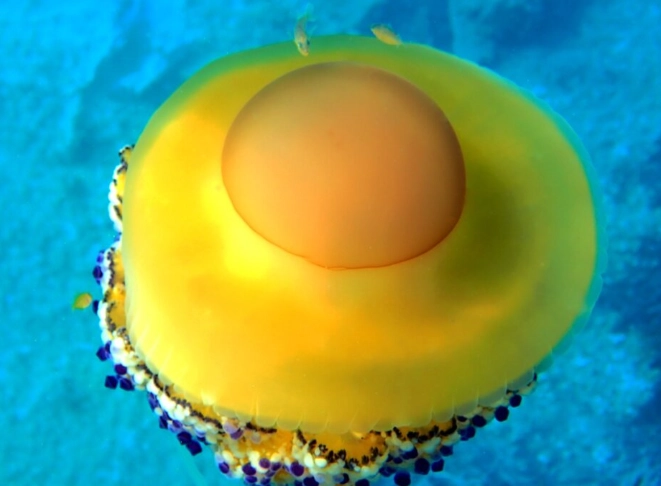
For Polyps: This is the expert level. You're looking for the underside of things. Check the shaded sides of dock floats, the underside of large, stable rocks in the low intertidal zone, and on oyster or mussel shells. You'll need a magnifying glass or macro camera lens. They look like a field of tiny, white-ish flower buds. I've had the best luck on old, established marina structures in early spring, before algal growth covers everything.
Why They Matter: The Ecosystem Role
Egg and polyp stages aren't just transitional; they're ecological linchpins.
They are a massive food source. Fish larvae, small crustaceans, and filter feeders feast on planulae and tiny ephyrae. This energy transfer is crucial.
They are also a population control point. Most planulae and polyps don't survive. Predation, disease, and unfavorable conditions (like low oxygen) wipe them out. This natural bottleneck regulates how many adults form. Human activities like coastal construction (creating perfect polyp habitat) and warming waters (speeding up polyp metabolism and strobilation) can remove this bottleneck, leading to more frequent and severe blooms.
The National Oceanic and Atmospheric Administration (NOAA) studies these links closely, as jellyfish blooms can impact fisheries and coastal economies.
Safety Tips for Observers
Curiosity shouldn't lead to a sting. Even egg masses can retain stinging cells (nematocysts).
- Look, Don't Touch. This is the golden rule. Use your eyes, not your hands.
- Footwear is Key. Wear sturdy water shoes if you're wading. You might step on a stranded polyp colony or a tiny, transparent ephyra.
- Use Tools. A clear glass jar or a small, fine-mesh net on a handle lets you scoop and observe without contact.
- Return Specimens Quickly. If you do collect something for a momentary closer look, return it gently to the water within a minute. These stages are very delicate.
Respect the process. You're peeking into a nursery.
Your Questions Answered
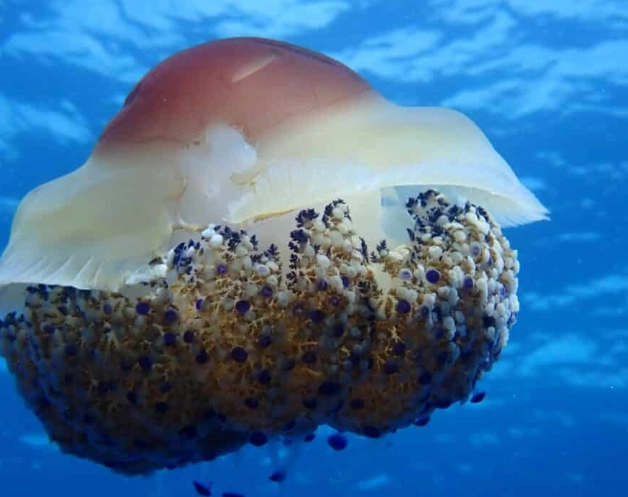
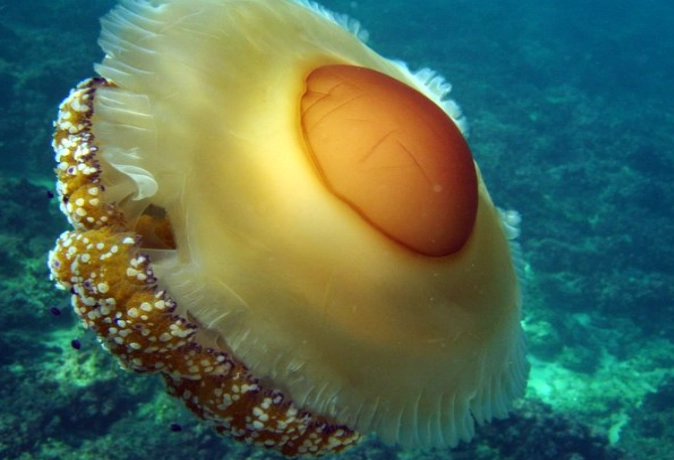
So next time you're by the sea, look closer. That faint haze in a jellyfish's bell isn't a flaw. It's the next generation. And those hidden polyps on the dock? They're the architects of future blooms. Understanding egg jellyfish means understanding the ocean's rhythms on a much deeper, more fascinating level.




Comments
Leave a Comment