I remember the first time I saw a mystery wrasse. It was a flash of purple and orange in a dealer's tank, gone before I could really focus. "They're shy," the guy said. That was an understatement. For months after I brought one home, it was like having a very expensive, very colorful piece of live rock. If you're looking for a bold, outgoing centerpiece fish, look elsewhere. But if you want a fascinating, beneficial predator that's a true test of your aquarium-keeping subtlety, the mystery wrasse (Pseudocheilinus ocellatus) is in a league of its own. Let's cut through the hype and get into what it really takes to keep one thriving.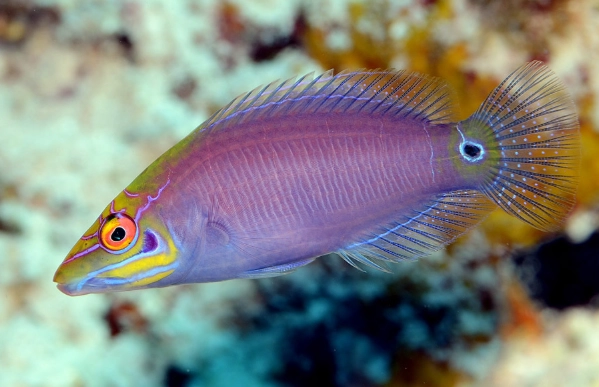
What You'll Find in This Guide
Meet the Fish: Beyond the Pretty Colors
Native to the Central and Western Pacific, from the Great Barrier Reef to places like Fiji, the mystery wrasse is a small, elongated fish that maxes out around 4 inches. The name "ocellatus" refers to the false eyespot (ocellus) on its dorsal fin, thought to confuse predators. Its base color is a deep magenta that can shift to purple under certain lights, contrasted by vibrant orange horizontal stripes on its head and a brilliant yellow tail.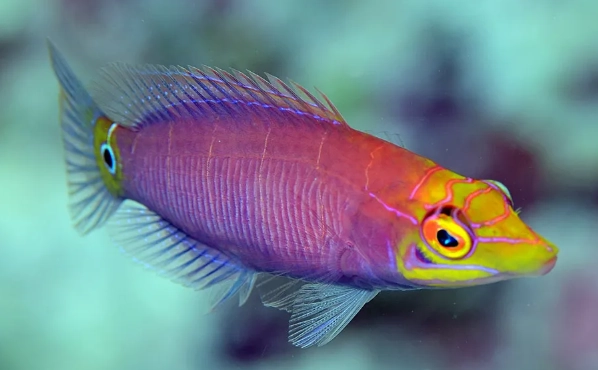
Here's the thing most care sheets gloss over: their color is a direct reflection of their health and diet. A well-fed, secure mystery wrasse is explosively colorful. A stressed or poorly fed one looks washed out, its colors muted. It's your first and best health indicator.
The Non-Negotiable Tank Setup
You cannot skimp here. A mystery wrasse in a barren or small tank is a doomed fish. Their entire psychology is built around having a complex landscape to hunt and hide in.
Tank Size: The absolute minimum is a mature 30-gallon tank. I'd argue 40 gallons or more is the real starting point for giving it enough territory and stable water. Nano tanks are a hard no.
Live Rock is Everything: This is non-negotiable. You need a lot of live rock, and I mean a lot. It should be porous and arranged to create a maze of tunnels, overhangs, and small crevices just big enough for the wrasse to slip into. This serves three critical purposes:
- Security: It needs to feel completely safe to ever come out.
- Hunting Ground: This is where it will forage for copepods, amphipods, and other microfauna.
- Sleeping Quarters: Like most wrasses, it sleeps in a mucus cocoon among the rock.
Substrate: A sand bed is beneficial, preferably a few inches deep. It provides another zone for natural foraging and helps with overall biological filtration.
Water Quality & Flow: Pristine, stable water parameters are a must. They are not forgiving of ammonia or nitrite spikes. Aim for standard reef parameters (Salinity: 1.025-1.026, Temp: 76-80°F, pH 8.1-8.4). Provide moderate to strong, random flow to mimic their natural reef environment.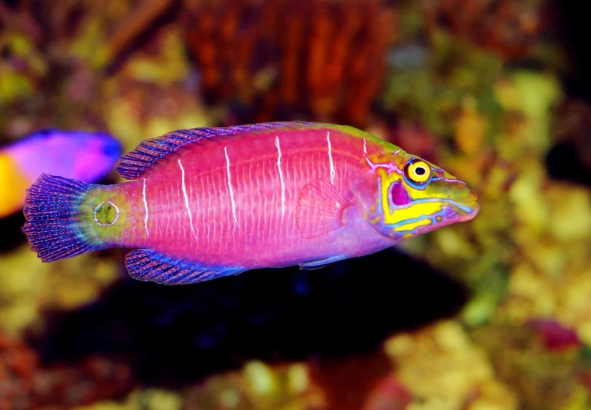
Feeding: The Make-or-Break Factor
This is where most people fail. They buy a mystery wrasse as a "pest controller" and think it will live happily on the pods in the rock. Wrong. While it will voraciously hunt pods (and can decimate a population), this is not a complete diet.
In the wild, its diet consists of small crustaceans and invertebrates. We need to replicate that meaty variety.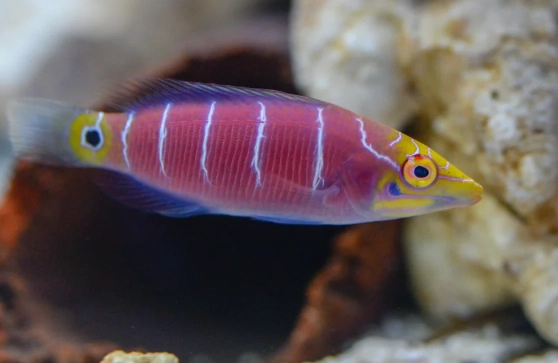
| Food Type | Examples | Frequency & Notes |
|---|---|---|
| Frozen Foods (Best) | Mysis shrimp, brine shrimp (fortified), calanus, lobster eggs, small krill pieces. | Daily staple. Thaw in tank water. |
| Live Foods (Excellent) | Live brine shrimp, blackworms, copepods. | 2-3 times a week. Great for enticing shy eaters. |
| High-Quality Pellets/Flakes | Small, meaty pellets (e.g., New Life Spectrum). | Can be accepted, but should not be the sole diet. |
| What to Avoid | Exclusive flake diets, vegetable-based foods. | Will lead to malnutrition and color loss. |
A common mistake is feeding only once a day with a single food type. I've had the best results feeding small amounts 2-3 times daily, varying the food. This keeps them interested and nutritionally balanced. Watch their belly. A slightly rounded abdomen after feeding is good; a sunken one is a red flag.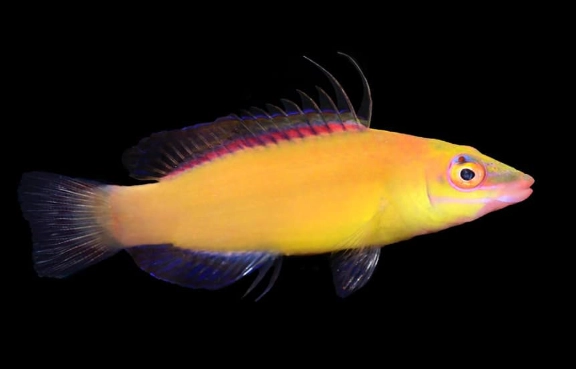
Behavior & Compatibility: The Fine Print
Ah, compatibility. This is the source of most forum posts titled "My mystery wrasse is a murderer!". Let's be blunt about its nature.
It is a Predator. First and foremost. Its mouth is small but perfectly designed for picking off small, slow-moving creatures.
What is NOT Safe:
- Ornamental Shrimp: Cleaner shrimp, peppermint shrimp, sexy shrimp—all are expensive snacks. It might ignore a large fire shrimp for a while, but the risk is always there.
- Small Snails & Hermits: It will pick at them, often killing them for fun rather than food.
- Very Small Fish: Tiny gobies (e.g., neon gobies), firefish, small assessors, or any fish fry will be hunted.
- Other Mystery Wrasses: Do not keep more than one unless you have a massive tank (100+ gallons). They are territorial with their own kind.
What CAN Work:
- Larger, Peaceful Fish: Tangs, clownfish (once grown), angelfish (with caution), larger dottybacks.
- Other Wrasse Species: Often okay if they are a different shape/color and added first. Avoid other small, red/pink wrasses like the sixline.
- Most Corals & Anemones: It will not bother them. This is the "reef-safe" part people focus on.
The Golden Rule: Always add the mystery wrasse last to the aquarium. This minimizes territorial aggression towards new tank mates.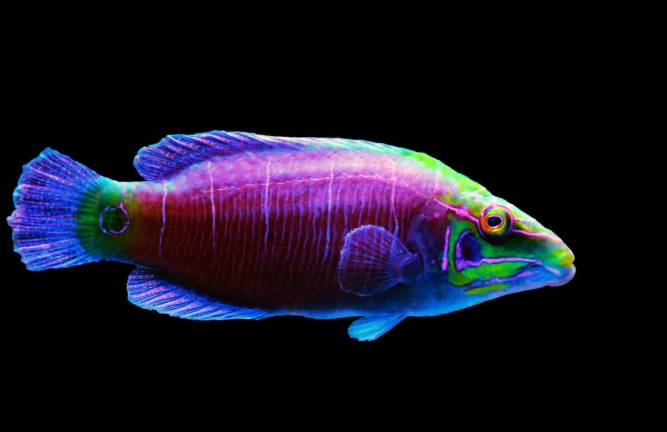
Its behavior towards you? Initially, it will be a ghost. With time, patience, and consistent feeding in the same spot, it will learn to recognize you and may even come out to beg. But don't expect a puppy-dog fish. That elusive nature is part of its charm.
Your Top Mystery Wrasse Questions Answered
Let's tackle the real-world questions that keep popping up.
Almost certainly, yes. Despite their small size, mystery wrasses are efficient predators of small crustaceans. This includes ornamental shrimp like cleaner shrimp, peppermint shrimp, and especially small ornamental shrimp species. They may ignore larger, established shrimp for a while, but the risk is always present. If you have expensive shrimp or a dedicated shrimp population, this fish is not a compatible choice.
Patience and proper environment are key. First, ensure you have plenty of live rock with numerous small holes and crevices for it to retreat to—this makes it feel secure enough to venture out. Dim the lights initially. The most effective trick is establishing a consistent feeding routine with its favorite foods, like live blackworms or small pieces of mysis shrimp. Feed at the same spot each time. Over weeks, it will associate you with food and become bolder. Never try to chase or force it out.
Generally, yes, with adult clownfish. Mystery wrasses typically ignore fish that are too large to eat. The real danger is to very small, newly introduced fish, tiny gobies, or fish fry. A common mistake is adding a mystery wrasse to a tank with small, delicate firefish or neon gobies—these can disappear. Always add the mystery wrasse last, after all other small fish are established and grown. Their territorial nature is more of an issue with other wrasses than with clownfish.
Underestimating their dietary needs and predatory nature. Many buy them solely as 'reef-safe' pest controllers for flatworms. While they excel at that, they are not just utility fish. A diet limited to prepared flakes will lead to nutritional deficiency and faded colors. You must supplement with meaty frozen foods. The other major mistake is assuming 'reef-safe' means 'invertebrate-safe.' They will decimate a pod population, hunt snails, and make a meal of shrimp. This mismatch in expectations leads to most mystery wrasse problems.
Keeping a mystery wrasse successfully is a rewarding challenge. It's not a beginner fish, but for an intermediate aquarist with a well-established, larger tank, it offers a unique blend of stunning beauty and fascinating behavior. Go in with your eyes open—respect its need for security, commit to a varied meaty diet, and carefully plan its tank mates. Do that, and you'll be rewarded with one of the most intriguing little predators in the hobby. Just don't expect it to pose for photos on command.


Comments
Leave a Comment