You see them pulsing gracefully in an aquarium or washed up on the beach, but have you ever wondered where jellyfish come from? The answer starts with something most of us never see: jellyfish eggs. This isn't just academic. If you've ever been tempted to raise jellyfish at home—a growing trend among advanced aquarium hobbyists—understanding their eggs and bizarre lifecycle isn't optional, it's the absolute foundation. Most attempts fail because people treat them like fish eggs. They're not. They're the beginning of one of the ocean's most complex and fascinating reproductive journeys.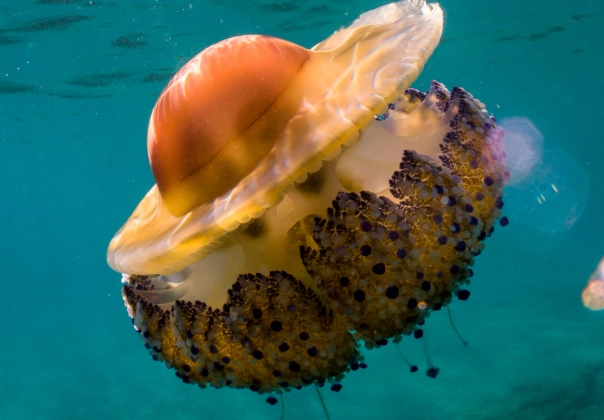
What's Inside?
What Are Jellyfish Eggs, Really?
Let's clear something up first. When we talk about "jellyfish and eggs," we're usually talking about the very first stage of a process called medusogenesis – the making of the adult jellyfish (medusa). The "egg" itself is typically a fertilized ovum, microscopic and often planktonic. But here's the catch: jellyfish reproduction is wildly diverse.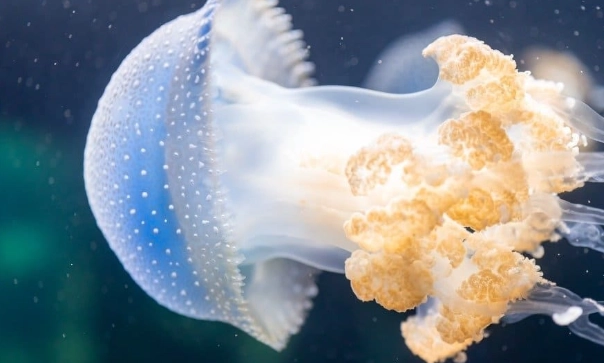
Some species, like the common Moon Jellyfish (Aurelia aurita), practice broadcast spawning. Males release sperm, females release eggs, and fertilization happens in the open water. You might see this in a tank as a sudden, milky cloud. Other species are brooders. The female retains the eggs, fertilizes them internally, and releases later-stage planula larvae. If you see tiny, worm-like specks stuck to the tank glass near an adult, you might be looking at those larvae.
The Complete Lifecycle: A Multi-Stage Marathon
This is where it gets mind-bending. A jellyfish doesn't just hatch from an egg and grow bigger. It goes through a total metamorphosis, almost like a butterfly, but with an extra, plant-like phase. Missing any step means failure in captivity.
| Stage | What It Is | Duration (Approx.) | Key Need |
|---|---|---|---|
| 1. Egg & Fertilization | Microscopic starting point. | Hours to 2 days | Clean, stable water column. |
| 2. Planula Larva | Free-swimming, ciliated "baby worm." | Days to weeks | A hard surface to settle on (rock, shell, tank wall). |
| 3. Polyp (Scyphistoma) | Attached, stalk-like form that clones itself. | Months to YEARS | Microscopic food (phyto, baby brine). Stable temperature. |
| 4. Strobila | "Stack of plates" phase on the polyp. | 1-3 weeks | Cooler water temp trigger (often a 5-10°C drop). |
| 5. Ephyra | Tiny, pinwheel-shaped juvenile jellyfish. | 4-8 weeks | Extremely gentle flow, tiny live food (rotifers). |
| 6. Medusa | The adult jellyfish we recognize. | Months to a few years | Specialized kreisel tank, enriched brine shrimp. |
The polyp stage is the secret. In the wild, this is how jellyfish "weather the storm" of bad conditions. In your tank, it's your safety net and production factory. A healthy polyp can strobilate (produce ephyrae) multiple times, giving you many chances to succeed with the fragile juvenile stage.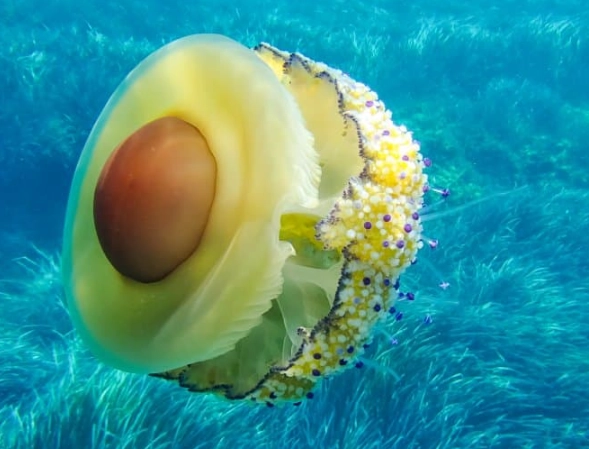
How to Raise Jellyfish Eggs in a Home Aquarium
Let's get practical. Say you've acquired some polyps or witnessed a spawning in your tank. Here's a step-by-step framework. I learned this through expensive trial and error, so you don't have to.
Setting Up the Nursery
Forget your main display tank. You need a separate, dedicated system.
- Tank: A small (5-10 gallon) aquarium is fine for polyps. For ephyrae, you must use a kreisel or pseudokreisel design. The circular flow is non-negotiable. Companies like Jellyfish Art sell desktop models, or you can find DIY plans from the hobbyist community.
- Water: Use water from an established, stable marine aquarium (not a fish-only tank, a mature reef or jellyfish system). If you must start new, use high-quality synthetic salt mixed at least 24 hours in advance. The salinity should be stable at around 35 ppt.
- Filtration: Sponge filters driven by an air pump are perfect for polyp tanks. They provide gentle biofiltration and water movement without creating suction hazards.
- Lighting: Low to moderate. Avoid direct, intense light which can promote unwanted algae growth that smothers polyps.
The Feeding Protocol
This is the most critical daily task, and the needs change fast.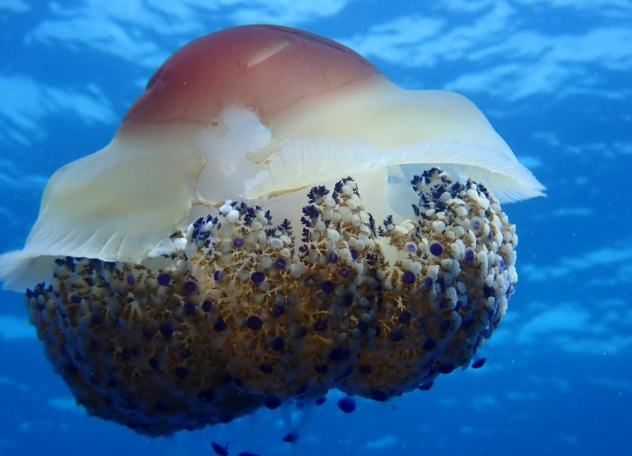
For Polyps: They need live, moving food to trigger their stingers. Newly hatched brine shrimp nauplii (Artemia) are the standard. Hatch them daily for maximum nutrition. You can also use specialized phytoplankton pastes. Feed once a day, and siphon out any uneaten food after an hour or two to keep the water pristine.
For Ephyrae: This is the bottleneck. Their mouths are tiny. Brine shrimp nauplii are often still too big. You need rotifers. You'll have to culture these microscopic animals yourself in a separate container, which is a whole other project. It's the biggest commitment in jellyfish breeding. Some hobbyists have success with commercially available, powdered jellyfish food designed for this stage, but live rotifers are the gold standard.
Common Challenges and Real-World Solutions
Things will go wrong. Here’s what to expect.
Polyp Detachment and Disappearance: They just vanish. Usually, it's a water quality issue—an ammonia or nitrite spike. Test your water daily in the early stages. It can also be starvation. If the food is too big or not moving enough, they won't eat.
The Ephyra "Crash": You have 20 tiny, pulsing ephyrae one day, and 5 dead ones the next. The flow is almost always the culprit. Too strong, and they get battered against the walls. Too weak, and they settle to the bottom and suffocate. Adjust the pump output minutely. Also, check the food size. If they're not eating, they starve in days.
Algae Overgrowth on Polyps: Hair algae can cover and kill polyps. Reduce light duration, manually remove algae with a soft pipette, and consider adding a single small herbivorous snail (like a Trochus) to the polyp tank as a cleaner. Remove it before strobilation.
A Unique Perspective: What Most Guides Won't Tell You
After a decade in marine aquaculture, here's the blunt truth most beginners aren't ready for: You are not raising jellyfish. You are raising their food. 90% of your effort and setup will be dedicated to culturing phytoplankton, rotifers, and brine shrimp. The jellyfish are just the final, delicate consumers in a chain you must maintain.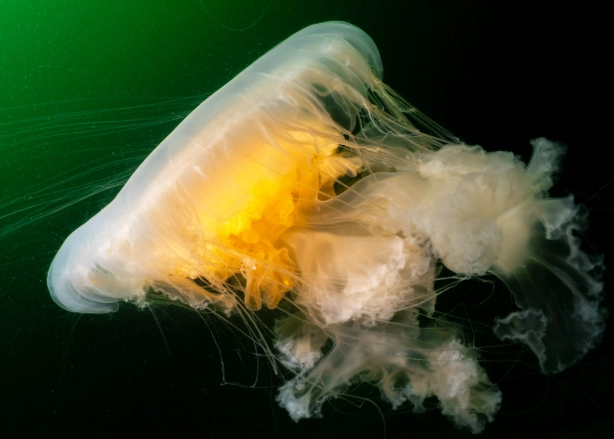
The most common micro-failure I see? People successfully get polyps to strobilate, but the ephyrae starve because the hobbyist's rotifer culture crashed a week earlier and they have no backup. Always have a live food culture running two weeks ahead of your need.
Another subtle point: temperature stability isn't just about a heater. The strobilation process in many temperate species (like Moon Jellies) is triggered by a simulated seasonal drop. To get your polyps to produce ephyrae, you may need to slowly lower the tank temperature by 5-10°C over a week, hold it for a few weeks, and then slowly warm it back up. Mimicking nature's cues is key.
Is it worth it? Watching a polyp you've cared for for months finally release a stack of tiny, pulsing ephyrae is a magic unlike anything else in the aquarium hobby. It's a deep dive into marine biology on your desk. But go in with your eyes open. Start with polyps, not dreams of eggs. Master the polyp stage first. Get your live food pipelines rock solid. Then, and only then, attempt the journey from egg to medusa.
Your Jellyfish Egg Questions, Answered



Comments
Leave a Comment