I was pruning my hibiscus a few summers ago when I saw it. A tiny, geometric pattern of green, red, and black, perfectly still on a leaf. For a second, I thought a piece of patterned fabric had blown into the garden. Then it moved. That was my first, unforgettable encounter with the insect everyone calls the Picasso bug.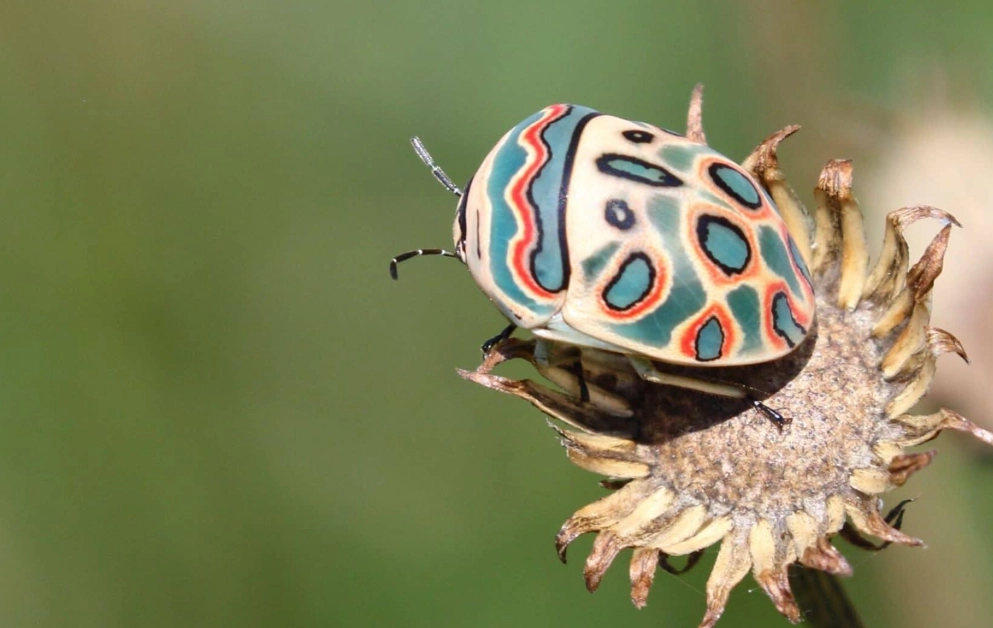
If you've stumbled upon this article, you've probably seen one too—or a photo that made you do a double-take. You're not alone in wondering what on earth this stunning little creature is. Let's clear that up right away.
What’s Inside This Guide
What Exactly Is a Picasso Bug?
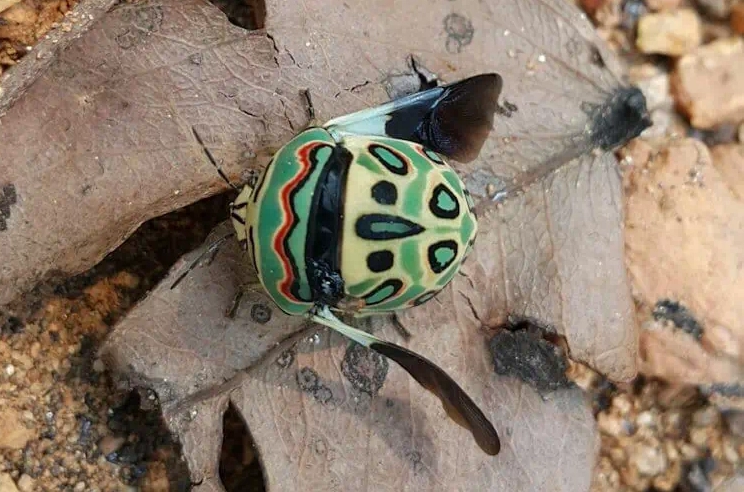
Its real name is less artistic: Sphaerocoris annulus. It's a type of shield bug (family Scutelleridae), found across parts of Africa. The "shield" refers to the large, plate-like structure (the scutellum) that covers most of its back. In most shield bugs, this is just a plain color. In the Picasso bug, it's the canvas.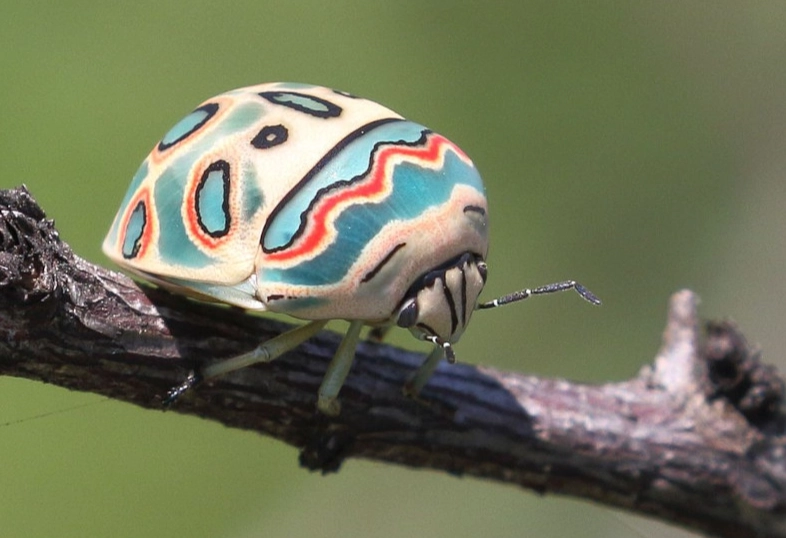
The design isn't paint. It's the bug's actual exoskeleton. The patterns are thought to be a form of aposematic coloration—a fancy term for "warning colors." It's saying, "I don't taste good, don't eat me." And it works. Birds and lizards tend to leave them alone.
A common mix-up happens with the harlequin bug, a pest in North America. They're both colorful shield bugs, but the harlequin bug (Murgantia histrionica) has a more checkered, black and red-orange pattern and is a serious pest for brassicas like cabbage. The Picasso bug is not a close relative and has different tastes.
Where and How to Find Picasso Bugs
You won't find them everywhere. They're native to sub-Saharan Africa. If you're reading this from Europe or the Americas and think you've seen one, it's likely a different, locally colorful bug. But for those in or visiting their range, here's where to look.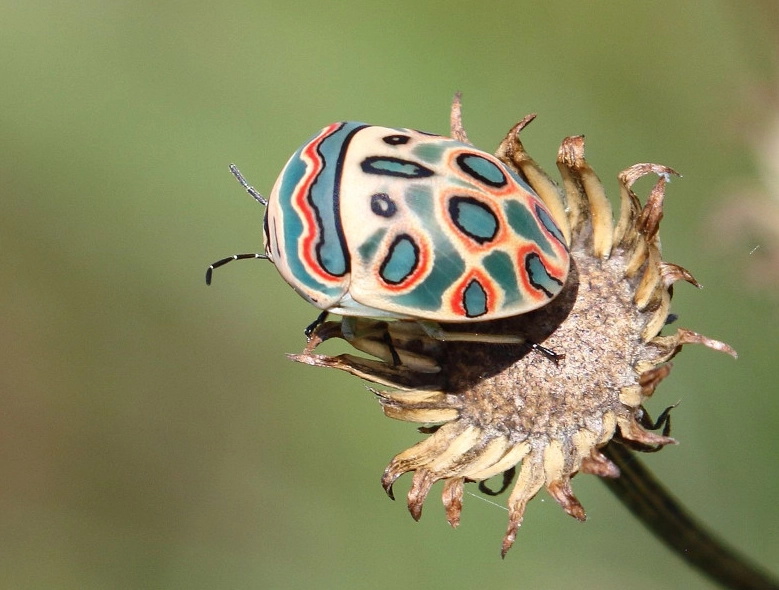
Their Favorite Hangouts (The Host Plants)
Picasso bugs are sap-feeders with a strong preference for plants in the Malvaceae family. This isn't a casual suggestion; it's their grocery store.
Your best bets are:
Hibiscus: This is prime real estate. Check the undersides of leaves, along stems, and near flower buds. I've consistently found small groups on my red hibiscus.
Okra: Another member of the mallow family. If you grow okra, inspect the plants carefully, especially later in the season.
Cotton: In agricultural areas, they can sometimes be found on cotton plants.
They tend to be gregarious. Find one adult, and you'll often spot a few nymphs (juveniles) nearby. The nymphs are fascinating too—more rounded and spiky, with a metallic sheen, but still sporting bright warning colors.
Timing and Behavior
They're sun-lovers. Your most productive searching will be on warm, sunny days when they are active and feeding. They move slowly and deliberately. Often, they'll just sit still, relying on their camouflage-in-plain-sight strategy. This makes them easier to observe and photograph than fast-flying insects.
Rainy or cold days? They'll tuck themselves away under leaves or in dense foliage. Don't bother looking then.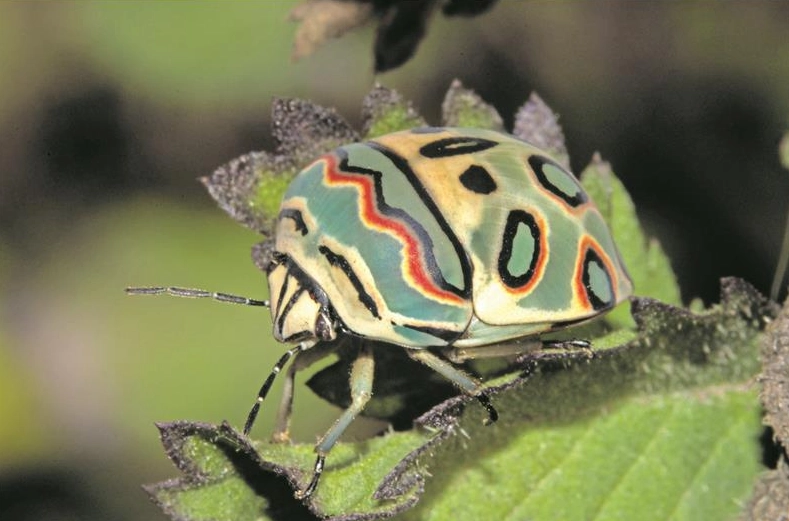
The Picasso Bug's Role in Your Garden Ecosystem
Here's where most online articles get it wrong. They label the Picasso bug as "harmless" and move on. It's more nuanced than that.
Yes, they feed on plant sap. This can cause minor spotting or wilting on the specific leaf or stem they're clustered on. I've seen it on my hibiscus—a few leaves with yellow speckles where a group fed. But in over five years of observing them, I've never seen a healthy plant seriously damaged or killed by them. They're not aggressive colonizers like aphids can be.
So, are they pests? For the average home gardener with a few hibiscus plants, absolutely not. They're a minor presence. For a commercial hibiscus or okra grower with vast monocultures, a huge infestation could become an issue, but that's rare. The real problem in such settings is usually sprayed preemptively, often harming more beneficial insects than the Picasso bugs themselves.
Think of them as part of your garden's biodiversity dashboard. Their presence indicates you have healthy host plants and likely a low-pesticide environment. They become food for specialized predators and add to the visual tapestry of your garden's insect life. Squashing them for a few speckled leaves is, in my view, a massive overreaction.
Common Myths and Misconceptions About Picasso Bugs
Let's bust some myths I see repeated too often.
Myth 1: They are deadly poisonous. This is an exaggeration. They have defensive glands that can secrete a mildly unpleasant-smelling liquid when severely threatened (like being pinched). It's a deterrent to predators, not a toxin dangerous to humans or pets. Wash your hands if you handle one roughly, that's all.
Myth 2: They will destroy your flower garden. As we covered, they have specific dietary needs. They're not interested in your roses, petunias, or tomatoes. They want mallows. If you don't grow their preferred plants, you simply won't have them.
Myth 3: The bright colors mean they sting. Nope. They are physically incapable of stinging. Their mouthparts are a slender beak (rostrum) for sipping sap. They can't bite skin.
The biggest misconception is treating them as a problem. For 99% of people who find them, they are a fleeting wonder, a natural art exhibit. The appropriate response isn't panic or poison; it's to grab your phone, take a picture, and appreciate the complexity of nature sitting on your leaf.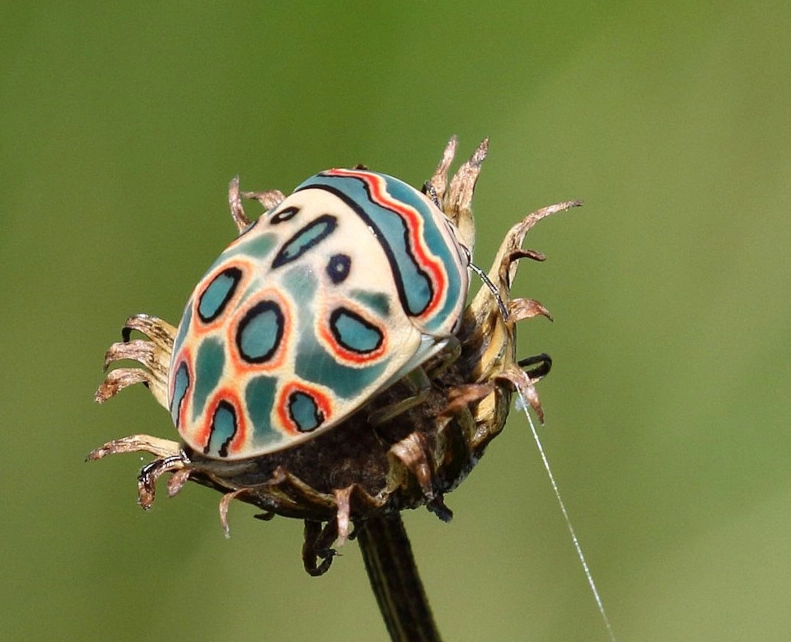
FAQs: Your Picasso Bug Questions Answered
 Finding a Picasso bug is a small event. It's a reminder that nature's design sense often surpasses our own. Before you reach for a spray bottle, consider that you're hosting a living masterpiece. Watch it. Photograph it. Let your kids marvel at it. In a world of mundane pests, this is one garden visitor that deserves a welcome, not a war.
Their conservation status isn't formally threatened, but like all insects, they suffer from habitat loss and indiscriminate pesticide use. By understanding and appreciating them, we make a little more room for wonder in our own backyards.




Comments
Leave a Comment