What's Inside This Guide
Blue Lizards: More Than Just a Pretty Color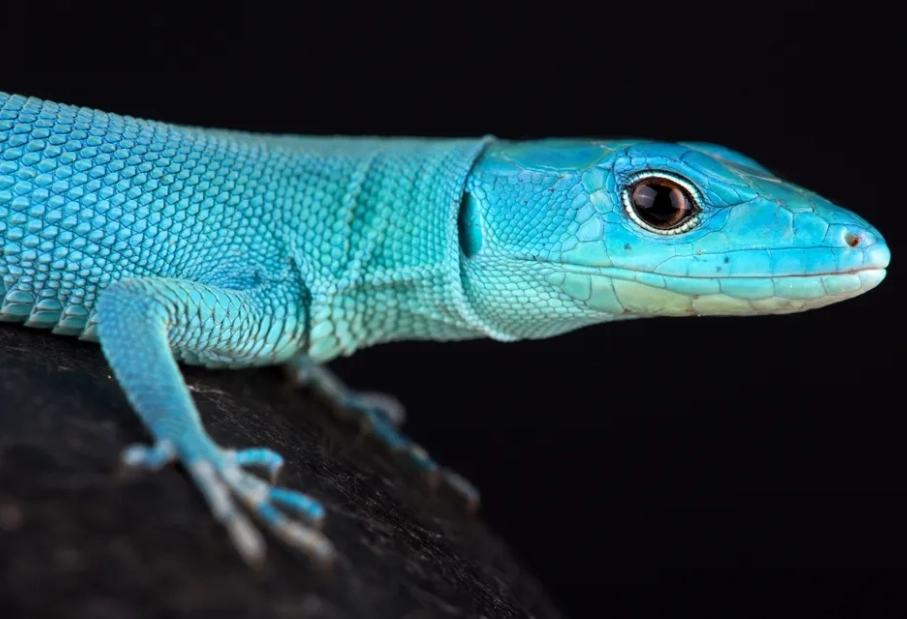
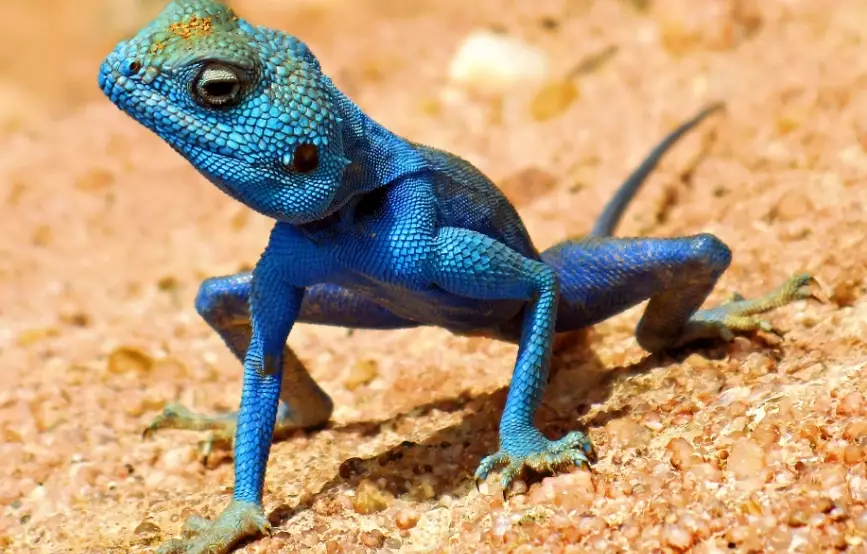
That flash of electric blue in the underbrush isn't a trick of the light – it's often a blue-tailed lizard. These reptiles are some of the most visually striking creatures you can encounter in the wild, and their coloration isn't just for show. It's a complex evolutionary adaptation for camouflage, communication, and even temperature regulation.
I remember my first encounter with a five-lined skink in the Appalachian foothills. It was a juvenile, its tail a brilliant shade of cobalt that seemed to glow against the fallen leaves. I was mesmerized, but the moment I moved, it darted under a rock with surprising speed. That combination of vibrant beauty and elusive nature is what makes observing blue lizards so rewarding.
From the electric scales of the Grand Cayman blue iguana to the subtle azure hues on a male fence lizard's belly, these creatures showcase a fascinating spectrum of blue pigments. Their coloration can serve multiple purposes: camouflage against the sky or water, a warning to predators, or a display of fitness to potential mates.
Key Insight:
Unlike pigments that absorb certain wavelengths of light, the blue in many lizard species comes from structural coloration. Microscopic structures in their skin reflect blue light, creating that stunning iridescent effect. This is why their color can appear to shift depending on the angle of light.
Understanding these adaptations isn't just academic trivia. It directly informs where and how you might find blue lizards in their natural habitats. It also explains why captive environments often fail to replicate their full vibrancy – you can't bottle sunlight.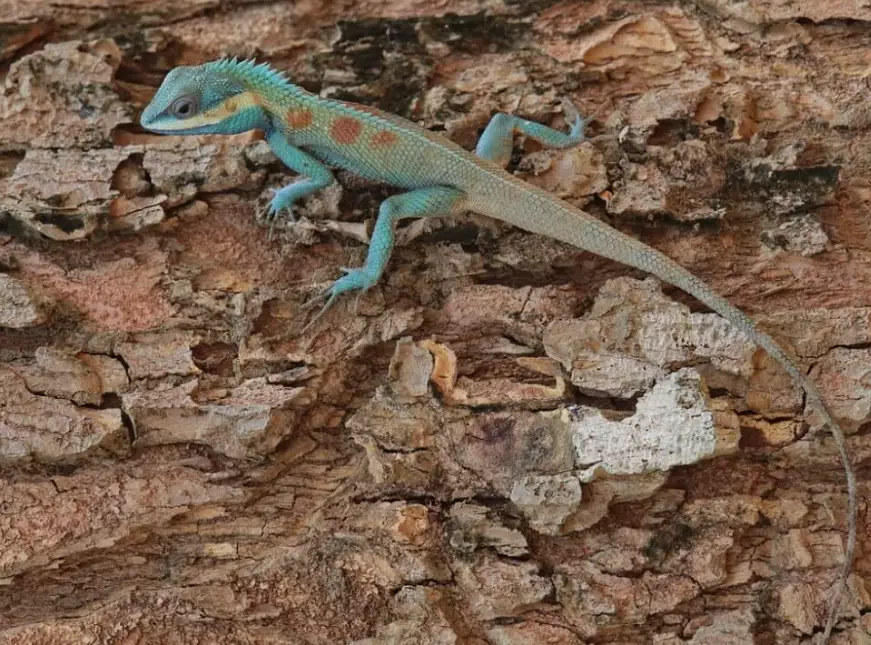
Top 5 Blue Lizard Species You Might Encounter
Not all blue lizards are created equal. Their size, behavior, and preferred environments vary dramatically. Here's a breakdown of five species you're most likely to see, depending on your location.
| Species | Primary Regions | Key Features | Habitat Preferences |
|---|---|---|---|
| Five-lined Skink | Eastern North America | Juveniles have bright blue tails; five distinct yellowish lines run down their body. | Woodlands with logs, rocks, and leaf litter; often near water. |
| Blue-tongued Skink | Australia, New Guinea, parts of Indonesia | Large, stout body; namesake bright blue tongue used as a defensive display. | Varied: grasslands, forests, semi-arid scrublands; often in suburban gardens. |
| Eastern Fence Lizard | Eastern & Central United States | Males have vibrant blue patches on their belly and throat; females are more subdued. | Forest edges, wooden fences, rocky outcrops; loves to bask on sunny surfaces. |
| Grand Cayman Blue Iguana | Grand Cayman Island | Large, critically endangered; adults develop a striking gray-blue to bright blue coloration. | Dry forests, shrublands; requires specific conservation areas to see them. |
| Common Blue-tongued Lizard (Shingleback) | Southern & Western Australia | Distinctive large, blue tongue; short, stumpy tail; rough, keeled scales. | Grasslands, shrublands, deserts; slow-moving, often seen crossing roads (caution!). |
A common misconception is that the "blue-tailed skink" is a single species. In reality, it's a descriptive term applied to juveniles of several skink species, primarily the five-lined skink in North America and the *Cryptoblepharus* genus in Australia and Asia. As these lizards mature, that brilliant blue tail often fades to a more muted brown or gray.
I've noticed many beginners mistake the iridescent sheen on a green anole for a "blue lizard." While they can appear bluish in certain lights, true blue lizards have a more consistent and defined blue pigmentation, not just a fleeting highlight.
Where to Find Blue Lizards: A Global Hotspot Guide
Location is everything. You won't find a Grand Cayman blue iguana in your backyard unless you live on that specific island. Here’s a more detailed, region-by-region guide to prime blue lizard spotting.
Southeastern United States: This is prime territory for the five-lined skink and eastern fence lizard. Focus on state parks and nature reserves with mixed hardwood forests. In Georgia or the Carolinas, hike trails through pine-oak forests. Look for fence lizards basking on wooden railings, stone walls, or even the sides of barns in sunny clearings. For skinks, your best bet is to carefully turn over logs or flat stones (always replace them gently!) in moist areas near streams. The Great Smoky Mountains National Park is a fantastic, reliable location for both species.
Australia's Diverse Landscapes: Australia is a blue-tongued skink paradise. You're as likely to see one in a Sydney suburban garden as in the outback. They're often found sheltering under debris, in rock crevices, or in compost heaps. For a more guided experience, visit wildlife parks like Taronga Zoo in Sydney or the Australian Reptile Park, where you can see them up close. In the wild, parks like Ku-ring-gai Chase National Park near Sydney offer good opportunities.
The Caribbean's Rare Gem: Seeing a Grand Cayman blue iguana in the wild is a special event, as they are critically endangered. Your only realistic chance is within the protected boundaries of the Queen Elizabeth II Botanic Park on Grand Cayman island. The park has a dedicated Blue Iguana Conservation program, and guided tours offer the best possibility of a sighting. Remember, this is a conservation-dependent sighting, not a casual find.
General Rules of Thumb: Blue lizards are ectotherms. They need external heat. Therefore, the best time to look for them is during the warmer parts of the day, typically late morning to mid-afternoon when the sun is high. They are often found in places that offer both basking opportunities and quick escape from predators – sun-drenched rocks next to crevices, fallen logs in sunny patches, or wooden structures in open areas.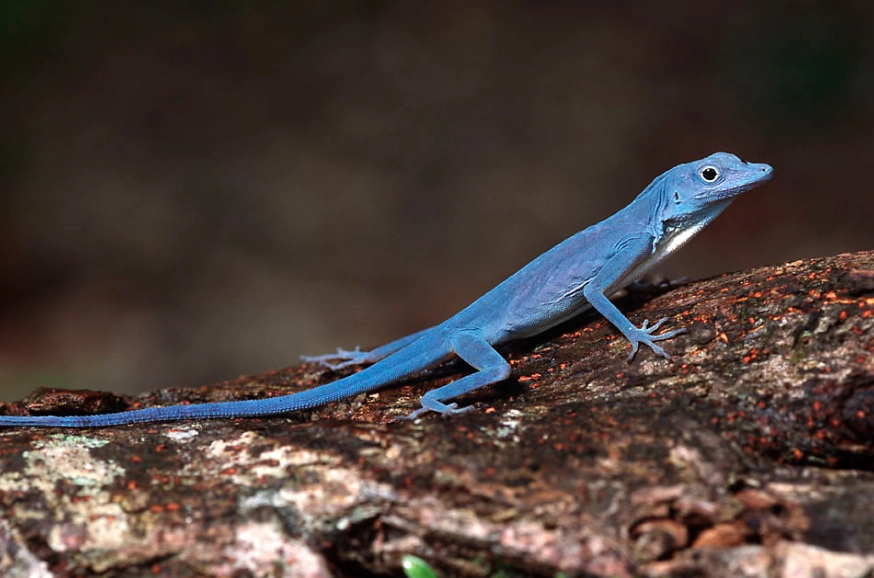
How to Identify Different Blue Lizard Species
Quick identification comes down to a few key markers: size, pattern, and behavior.
Size is Your First Clue: A small lizard (5-8 inches total) with a blue tail is almost certainly a juvenile five-lined skink (or a close relative). A medium-sized lizard (6-10 inches) with blue belly patches is likely an eastern fence lizard. A large, stout lizard (12-24 inches) showing you a blue tongue is unequivocally a blue-tongued skink.
Look at the Patterns:
- Five distinct lines? That's your five-lined skink.
- Wavy, cross-band patterns? You're probably looking at a fence lizard.
- Uniform scales, keeled body? Think blue-tongued skink.
Observe the Behavior: Does it sprint lightning-fast into cover? That's a skink. Does it freeze, relying on camouflage? That's more typical of a fence lizard. Does it stand its ground, puff up, and stick out a bright blue tongue? Congratulations, you've met a blue-tongued skink.
One subtle point often missed: fence lizards are climbers. They're frequently observed on vertical surfaces – tree trunks, fences, walls. Five-lined skinks are more terrestrial, though they can climb. They're more often seen on or near the ground.
Observing Blue Lizards: Ethics and Expert Tips
The goal is observation, not interaction. Here’s how to do it right.
Move Slowly and Low: Sudden movements will send them scrambling. Approach from a low angle if possible; you'll appear less threatening than a towering figure. Use your peripheral vision to spot them – looking directly at them can sometimes trigger a flight response.
Respect Their Space: Maintain a respectful distance. Use binoculars or a camera with a zoom lens to get a closer look. Never attempt to corner or catch a wild lizard. The stress can be harmful, and many species can drop their tails as a defense mechanism, which is energetically costly for them to regrow.
Habitat is Sacred: If you lift a log or rock to look for skinks, always replace it gently exactly as you found it. You're destroying their home and exposing them to predators and the elements. Take only photographs, leave only footprints.
Timing is Everything: As mentioned, sunny days are best. Cool, overcast, or rainy days will yield few sightings, as the lizards are likely sheltering to conserve heat.
Listen as Well as Look: Sometimes you'll hear the rustle of leaves as a skink darts away before you see it. Train your ears as well as your eyes.
Ultimately, finding blue lizards is about patience and awareness. It's a skill that sharpens with practice. The thrill of spotting that vibrant flash of blue in its natural setting is a reward worth the quiet effort.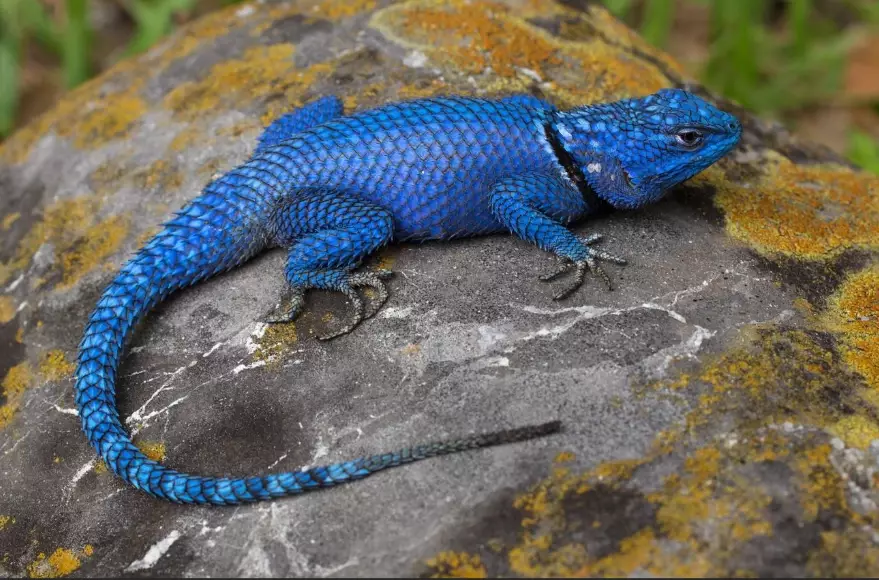
Frequently Asked Questions
 How can I tell the difference between a male and female blue-tailed lizard?

Comments
Leave a Comment