Let's cut to the chase: the idea of the "most ugly cat in the world" is messy, subjective, and honestly, a bit unfair. But it's a search term people use, so here's the real scoop. Ugly cats aren't just about looks—they're often breeds or individuals with unique traits that challenge our beauty standards. And guess what? Many of them are loved fiercely by owners who see past the wrinkles, hairlessness, or odd proportions.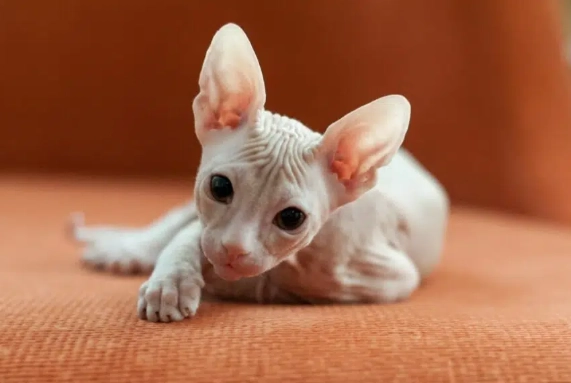
Jump to What Matters
What Makes a Cat "Ugly" Anyway?
Beauty is in the eye of the beholder, right? For cats, "ugly" usually boils down to features that deviate from the fluffy, symmetrical ideal. Think hairless skin, prominent wrinkles, large ears, or unusual body shapes. But here's the kicker: these traits often come from specific breeding or natural mutations. The Sphynx cat, for example, wasn't bred to be ugly—it's a result of a genetic quirk that makes it hairless. People call it ugly because it lacks fur, but touch one, and you'll feel warm, soft skin that's surprisingly pleasant.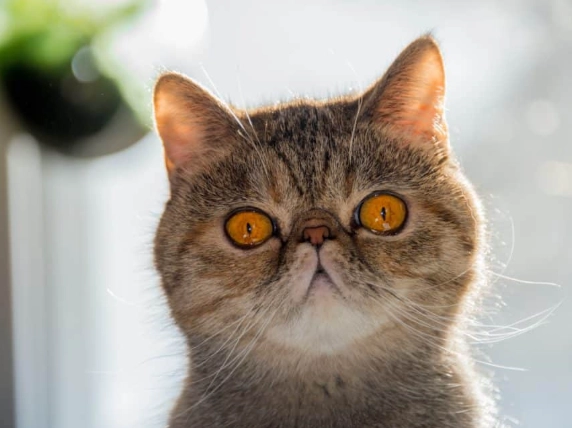
I remember visiting a cat show once and overhearing someone say, "That cat looks like a plucked chicken." It was a Sphynx, and yeah, from afar, it might seem odd. But up close, its playful personality shone through. That's the thing: labeling cats ugly ignores their character.
Top Breeds Often Called the Ugliest
If we're talking breeds, a few consistently pop up in "world's ugliest cat" discussions. It's not just about one cat—it's a range. Let's break it down with a table to keep things clear.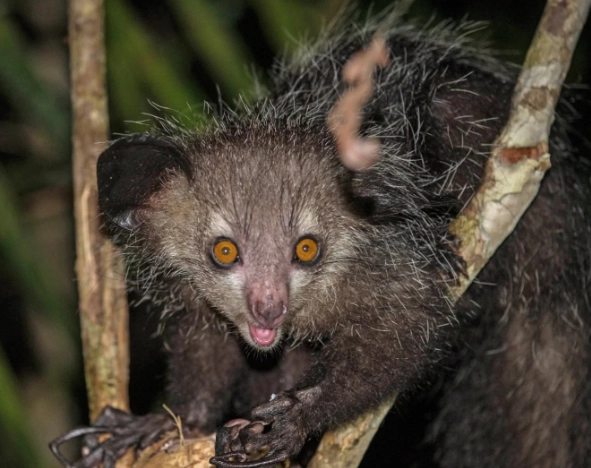
| Breed | Key Features | Common Health Issues | Why Some Call It Ugly |
|---|---|---|---|
| Sphynx | Hairless, wrinkled skin, large ears | Skin problems, heart disease | Lack of fur, alien-like appearance |
| Cornish Rex | Wavy coat, slender body, prominent cheekbones | Skin sensitivity, dental issues | Gangly look, thin coat |
| Devon Rex | Elf-like ears, short muzzle, wispy fur | Ear infections, joint problems | Mischievous expression, sparse hair |
| Peterbald | Hairless or coated variants, elongated body | Similar to Sphynx, plus respiratory issues | Extreme thinness, unusual proportions |
This table isn't exhaustive, but it hits the big ones. Notice how health issues tie into looks? That's a critical point many miss. Breeding for these traits can lead to problems, which is why adoption is often a better route.
The Sphynx: Hairless Wonder or Ugly Duckling?
The Sphynx is the poster child for ugly cats. Originating in Canada in the 1960s, it's not actually completely hairless—it has a fine down that feels like peach fuzz. But let's be real: its wrinkled skin and big ears can startle people. I fostered a Sphynx named Gizmo last year, and initially, I thought he looked bizarre. He'd curl up on my lap, and his skin felt warm, almost like a heated blanket. He needed weekly baths to prevent oil buildup, which was a hassle, but his affectionate nature made up for it.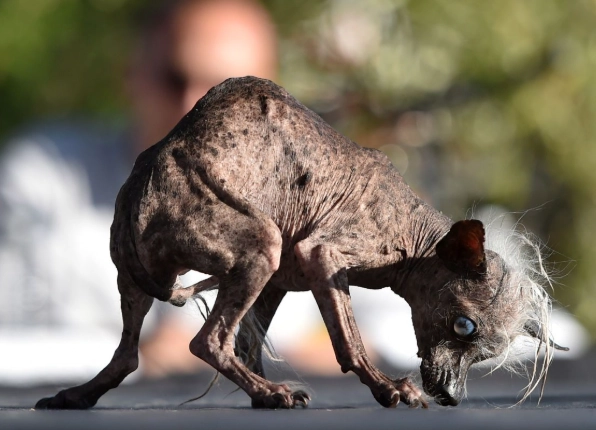
Here's a non-consensus view: many Sphynx owners oversell their hypoallergenic nature. They still produce dander, just less fur, so allergies might not vanish. And their energy levels? Through the roof. Gizmo would zoom around at 3 AM, knocking things over. Not so ugly when you're chasing him, just exhausting.
The Cornish Rex: Wrinkled and Quirky
Cornish Rex cats have a unique coat—it's wavy and soft, but thin, so they appear almost naked in spots. Their bodies are slender, with high cheekbones that give them a perpetually surprised look. Some people find them elegant; others say they look underfed. I met one at a shelter, a rescue named Whiskers (ironic, since his whiskers were curly). He had skin folds near his neck that needed regular cleaning to avoid infections. The shelter staff said he'd been returned twice because adopters thought he was "too weird."
That's a common story. Cats like Whiskers linger in shelters, overlooked for cuter kittens. But their personalities are often vibrant—Whiskers loved playing fetch, something rare in cats.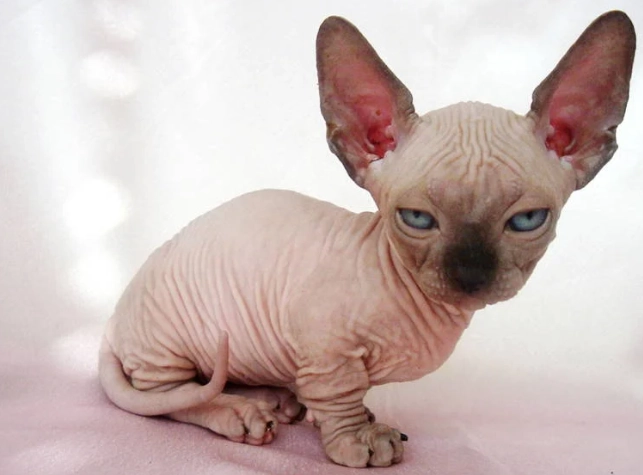
Famous Ugly Cats That Stole Hearts
Beyond breeds, individual cats have gained fame for their unusual looks. Take "Ugliest Cat" contests, like the one at the Sonoma-Marin Fair in California. Winners often have exaggerated features, but they're beloved by their owners. One famous example is a cat named "Yoda," a mixed breed with extra toes and a scrunched face. He won titles and even appeared on TV, challenging the notion of beauty.
Then there's internet sensation "Grumpy Cat" (Tardar Sauce)—while not typically called ugly, her permanent frown due to dwarfism made her iconic. She sparked conversations about feline health and acceptance. These cats show that "ugly" can become a brand, but it's a double-edged sword. Owners might profit from their pet's looks, but ethical concerns arise if health is compromised.
I spoke to a vet who treated several contest winners. She noted that many had underlying issues: dental misalignments, breathing difficulties, or joint pain. The attention brought awareness, but also pressure to breed similar traits. It's a gray area—celebrating uniqueness versus promoting suffering.
Why People Fall for Ugly Cats
So why adopt a cat others call ugly? It's not just about being contrarian. Here's what owners say:
- Personality over looks: Ugly cats often have charismatic, playful demeanors. They seem to know they're different and bond deeply with humans.
- Conversation starters: Owning a Sphynx or Cornish Rex sparks talks—people ask questions, and you become an advocate for unique pets.
- Rescue satisfaction: Many ugly cats are rescues. Giving them a home feels rewarding, especially when shelters struggle to place them.
A friend adopted a Devon Rex from a kill shelter. The cat, named Pixel, had ears so large they flopped over. My friend said, "He looked like a bat, but he purred louder than any cat I've met." Pixel now has a Instagram following, with fans praising his "ugly-cute" charm.
Think about it: if everyone wanted the same fluffy kitten, shelters would overflow with rejects. Ugly cats fill a niche, offering companionship without the conventional appeal. And honestly, their quirks grow on you—I went from skeptical to smitten with Gizmo in a week.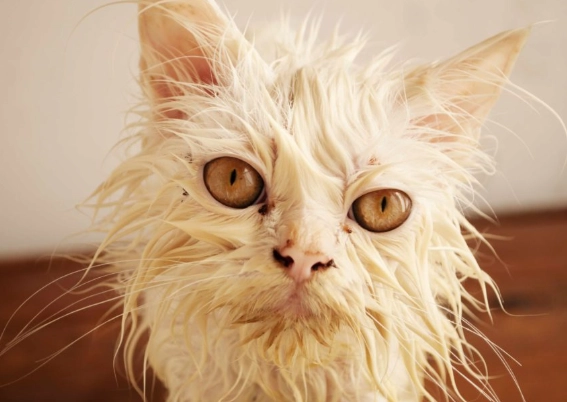
How to Care for a Cat Considered Ugly
Caring for these cats isn't rocket science, but it requires attention to their specific needs. Don't just adopt one because it's trendy; know what you're signing up for.
For hairless cats like the Sphynx:
- Bathe weekly with a mild, vet-recommended shampoo to prevent oil buildup and acne.
- Protect from sunburn—use pet-safe sunscreen or keep them indoors during peak hours.
- Maintain a warm environment; they get cold easily due to lack of fur.
- Schedule regular vet check-ups for heart and skin screenings.
For wrinkled or thin-coated breeds:
- Clean skin folds gently with damp cloths to avoid infections.
- Provide a balanced diet to support skin health; omega-3 supplements can help.
- Monitor for dental issues—small jaws in breeds like Devon Rex can lead to crowding.
I made mistakes with Gizmo early on. I used human shampoo once, and his skin got irritated. The vet scolded me, saying it's a common error. Lesson learned: always consult professionals. Resources like the American Veterinary Medical Association offer guidelines, but nothing beats hands-on advice from a local vet.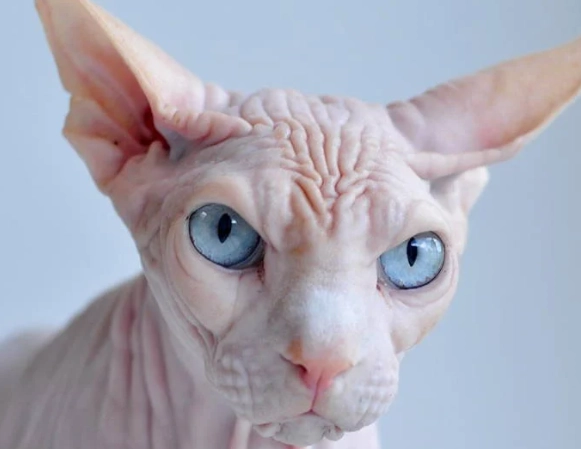
Budget-wise, expect higher costs. Special diets, frequent vet visits, and grooming supplies add up. For Gizmo, I spent about $50 extra per month on his care. But seeing him thrive? Priceless.
Your Burning Questions Answered
Wrapping up, the "most ugly cat in the world" is more than a clickbait phrase—it's a gateway to understanding feline diversity. These cats challenge our perceptions, offering lessons in empathy and care. Whether you're considering adoption or just curious, look beyond the surface. You might find a companion who's perfectly imperfect.
Comments
Leave a Comment