What's Inside This Guide
Let's talk about weird dogs. You've seen them online—the ones that look like mops, sheep, or tiny aliens. The dogs that bark backwards, climb trees, or have skin that feels like a warm peach. They're not your average Labrador. For some people, that's the whole point. The attraction isn't just about standing out at the dog park. It's about connecting with a slice of canine history that's raw, unfiltered, and often brilliantly odd.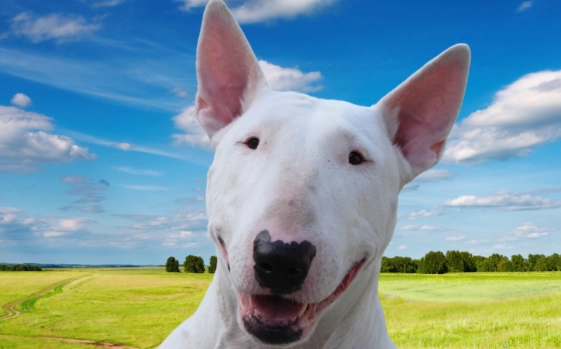
I've lived with a Basenji for eight years. People call them the "barkless dog," which is technically true, but they leave out the part about the yodels, the screams, and the sheer, cat-like contempt for commands they deem unnecessary. That's the reality of weird dog ownership. It's less about having a quirky accessory and more about forming a partnership with a creature that operates on a different manual.
What Exactly Makes a Dog ‘Weird’?
Weirdness in dogs isn't a scientific category. It's a cocktail of traits that defy our common expectations.
Appearance is the first hook. Hairlessness, corded coats that look like dreadlocks, bizarre body proportions, or facial features that shouldn't logically work (looking at you, Borzoi snout).
Behavior is where it gets deep. A weird dog might have a prey drive so intense it forgets you exist, a herding instinct directed at children and vacuum cleaners, or a communication style that involves chattering teeth instead of barking. My Basenji doesn't fetch. He assesses the thrown toy, gives me a look that says "You dropped it, you get it," and walks away.
Then there's history and rarity. Many weird dogs are ancient breeds, living relics of a time before standardized dog shows. The Xoloitzcuintli was considered a guide to the underworld by the Aztecs. The Azawakh is a sighthound so lean and aloof it seems more like a desert spirit than a pet. Their weirdness is a badge of their survival.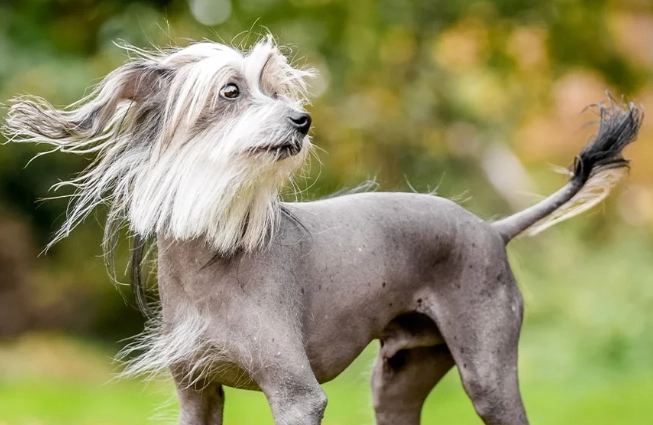
A quick note: "Weird" here is a term of fascination, not disrespect. These breeds are perfectly normal to themselves. Their quirks are often the direct result of centuries of specialized work, from hunting rats in mines to guarding livestock in remote mountains. Their strangeness is functional.
Top Weird Dog Breeds and Their Stories
Let's meet some of the standout characters. This isn't just a list of funny looks; it's about understanding the purpose behind the peculiar.
| Breed | The 'Weird' Factor | Origin & Purpose | Key Personality Note |
|---|---|---|---|
| Bergamasco Shepherd | A coat that felts into dense, flat "flocks" like a sheep's wool. | Italian Alps, driving cattle. | Calm, observant, and profoundly intelligent. The coat is a functional adaptation to harsh mountain weather. |
| Xoloitzcuintli (Xolo) | Hairlessness, primitive angular features, warm skin. | Ancient Mexico, spiritual companion. | Quiet, loyal, sensitive. Requires sunscreen and skincare. Comes in toy, miniature, and standard sizes. |
| Catalburun | The only dog breed with a distinct split nose (double nose). | Turkey, a rare pointing breed. | Excellent hunting dog, friendly. Extremely rare outside its native region. |
| Bedlington Terrier | Resembles a lamb with a pear-shaped head and curly coat. | England, vermin hunter. | Deceptively athletic and fast. Possesses a typical terrier's feisty spirit in a lamb's costume. |
| Puli | Long, corded coat that forms natural dreadlocks. | Hungary, herding sheep. | Energetic, agile, and devoted. The cords protected them from the elements and predator bites. |
I want to pause on the Bergamasco for a second. Everyone focuses on the coat, but the real quirk is the maintenance—or lack thereof. You don't brush it in the traditional sense. You manually separate the flocks to prevent them from matting into one giant felt sheet. It's a meditative, monthly task. If you try to shave it, you risk ruining the coat's natural protective ability forever. This is the kind of specific, lifelong commitment a weird breed demands.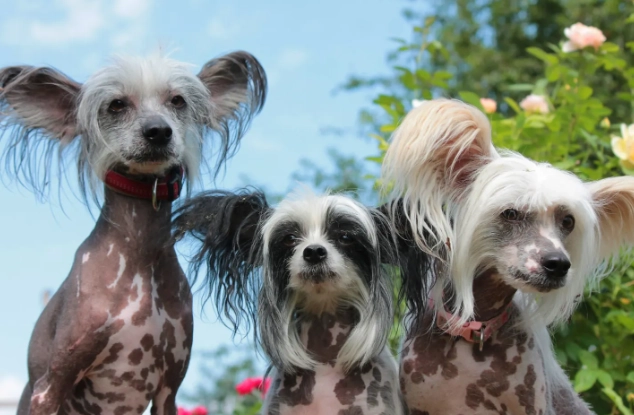
Living with a Weird Dog: Practical Considerations
Owning a unique dog breed is a lifestyle choice. It's not just about feeding and walking.
Grooming: From Nightmares to Dreams
Grooming is the most tangible difference. A Chinese Crested needs weekly baths and moisturizer. A Komondor's cords take years to form and must be carefully separated. The mistake people make is seeing this as a burden. For the right owner, it's a bonding ritual. You learn the landscape of your dog's skin, you notice every little change. It forces you to slow down and connect.
Conversely, some weird dogs are surprisingly low-maintenance. The Xolo's hairless skin needs care, but there's no vacuuming tumbleweeds of fur. My Basenji's short coat sheds, but it's nothing compared to a Husky blowout.
Training the Independent Mind
This is the biggest shift in mindset. Many common breeds are biddable—they want to please you. Many weird breeds are problem-solvers—they want to assess if your request is worth their effort.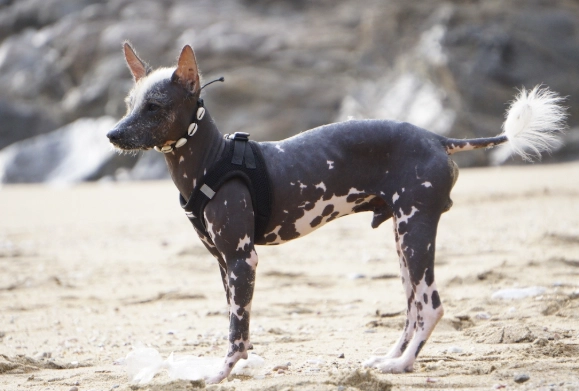
Positive reinforcement is non-negotiable, but you have to be smarter about the reward. For a sighthound like the Azawakh, the chance to sprint in a secure field might be the ultimate prize. For a primitive breed, making training feel like a collaborative hunt works better than rigid obedience drills. You're not drilling a soldier; you're negotiating with a clever partner.
How to Choose the Right Weird Dog for Your Lifestyle
Don't fall for a photo. Fall for a lifestyle match.
Ask yourself these questions, brutally honestly:
Energy & Space: Is the breed a couch potato or a working dog that needs a job? A Puli or a Belgian Malinois (with its unique, intense focus) will destroy your house out of boredom. A Neapolitan Mastiff, weird for its sheer mass and wrinkles, might be content with short walks.
Social Needs: Is the breed aloof with strangers or a universal love-sponge? A Thai Ridgeback is often a one-person guardian, while an Affenpinscher (the "monkey terrier") is a clownish extrovert.
Your Experience: Be realistic. A first-time owner might handle a quirky but biddable breed like a Brussels Griffon. Taking on a stubborn, primitive hunting dog with zero training experience is a recipe for frustration for both of you.
The single best resource is breed-specific rescue organizations or national breed clubs. Talk to owners, not just breeders. Ask them the worst part. If they say "there is no worst part," talk to someone else.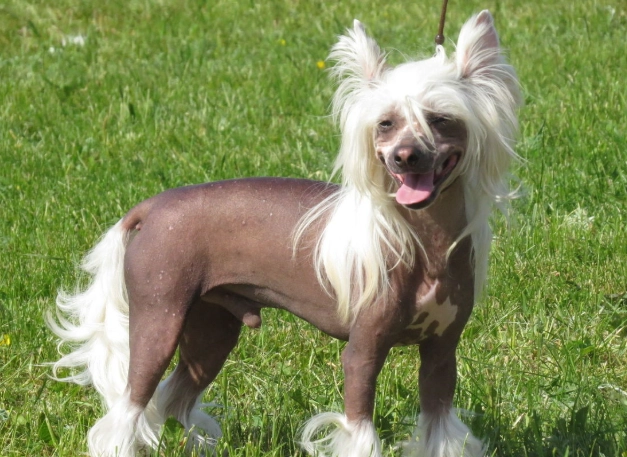
What Are Common Health Issues in Weird Dog Breeds?
Unique anatomy often comes with unique vulnerabilities. This isn't to scare you, but to prepare you.
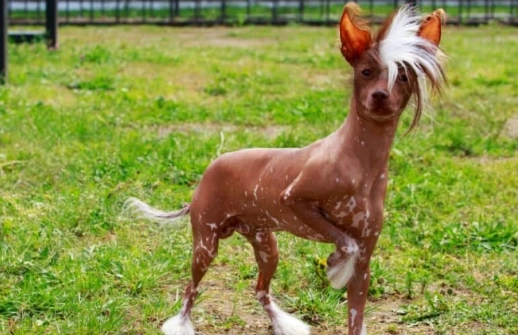
Hairless breeds (Chinese Crested, Xolo): Prone to skin issues, acne, sunburn, and need protection from cold. Dental issues are also more common, as the hairless gene is linked to missing teeth.
Giant & Deep-Chested breeds (Irish Wolfhound, Scottish Deerhound): High risk of Gastric Dilatation-Volvulus (bloat), a life-threatening emergency. Knowing the symptoms and having a vet plan is critical.
Brachycephalic (short-faced) breeds (Pug, Bulldog): Their "cute" faces cause Brachycephalic Obstructive Airway Syndrome (BOAS). This isn't just snoring; it's a serious respiratory impairment that affects their quality of life, especially in heat.
Primitive breeds (Basenji, Shiba Inu): Can be prone to certain autoimmune conditions and Fanconi syndrome in Basenjis. Reputable breeders test for these.
The golden rule: A reputable breeder will openly discuss these issues, provide health clearances from organizations like the Orthopedic Foundation for Animals (OFA), and have a contract that protects the puppy. If a breeder brushes off health concerns, run.
Your Questions Answered
What is the weirdest dog breed?
Are weird dogs harder to train than regular dogs?
What are common health issues in weird dog breeds?
Is a weird dog a good choice for a first-time owner?
At the end of the day, living with a weird dog is a constant lesson in empathy. You learn to see the world from the perspective of a creature that doesn't fit the mold. You advocate for them when people stare or make comments. You become an expert in their very specific needs. It's not easier than having a "normal" dog. But for the right person, it's infinitely more interesting. You're not just getting a pet; you're preserving a piece of living, breathing, wonderfully strange history.
And sometimes, you just get a dog that yodels at the moon and steals socks. That's pretty great too.


Comments
Leave a Comment