In This Guide
- That Face: More Than Just a Funny Look
- Where in the World Do You Find a Fishing Bat?
- The Main Event: How Does a Bat Actually Catch a Fish?
- Echolocation: Their Superpower Sonar
- Life Cycle and Social Stuff
- Are They in Trouble? Conservation Status
- Clearing Up the Confusion: Common Bulldog Bat Myths
- Comparing the Two: Greater vs. Lesser Bulldog Bat
- Why Should We Care? The Bigger Picture
- Your Bulldog Bat Questions, Answered
- Final Thoughts
Let's be honest, when most people think of bats, they picture the classic vampire bat or maybe the cute little fruit bat. But have you ever heard of a bat that goes fishing? I hadn't either, until I stumbled across a grainy wildlife documentary years ago. The image stuck with me – a bat, skimming over dark water, dragging its feet and snagging a fish. It seemed impossible. That's how I fell down the rabbit hole (or should I say, the bat cave?) learning about the bulldog bat. It turns out, this isn't just another bat; it's a master of a niche so specific it almost defies belief.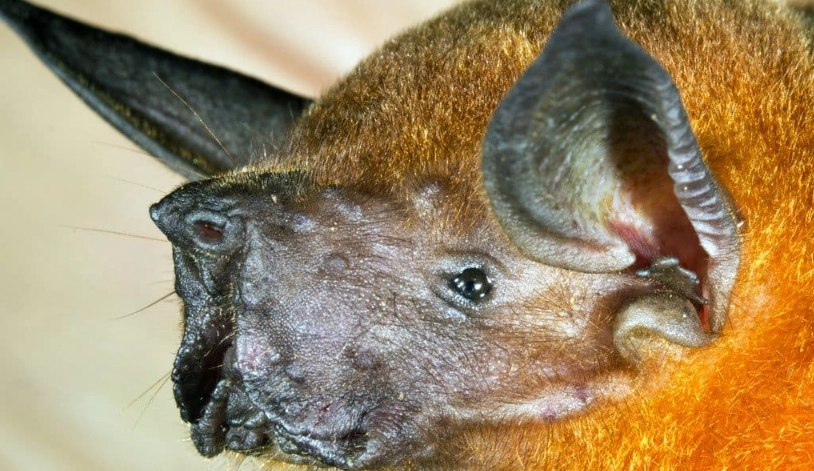
So, what makes them so special? We're talking about a creature that has evolved to do something no other bat family does as its main gig: hunt fish. The name "bulldog bat" comes from its face, which is kind of squashed and broad, with these pronounced lips that do give it a bit of a bulldog-like appearance. But the nickname "fishing bat" is far more descriptive of its lifestyle. This guide is my attempt to unpack all the fascinating, weird, and crucial details about these animals. We'll look at how they find a minnow in pitch-black water, where they live, and why they matter way more than you'd think.
Quick Take: Bulldog bats belong to the family Noctilionidae, and there are only two species: the Greater Bulldog Bat (Noctilio leporinus) and the Lesser Bulldog Bat (Noctilio albiventris). While both can catch fish, the greater bulldog bat is the true piscivore (fish-eater) superstar. The lesser one eats more insects, but it still has the skills.
That Face: More Than Just a Funny Look
You can't talk about the bulldog bat without starting with its mug. It's distinctive. It has a full, hairless upper lip that's split down the middle, huge cheek pouches it uses like a pelican to store fish, and massive, powerful hind legs and feet. The feet are arguably its most important tool. They're long, clawed, and can be spread wide like a net.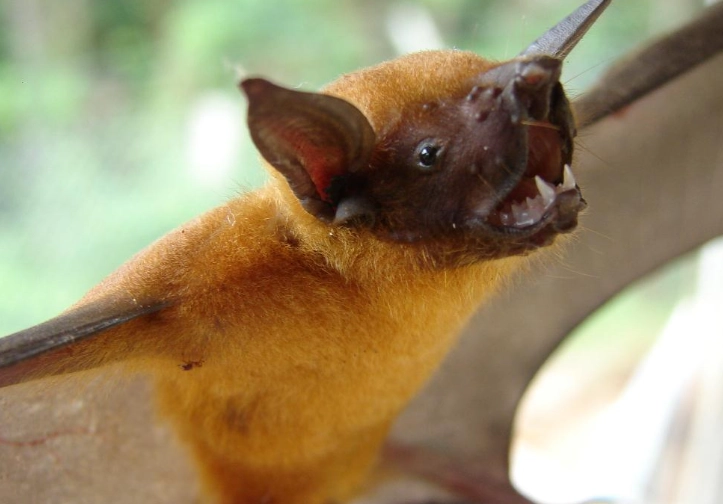
I remember looking at a close-up photo of its feet and thinking they looked almost grotesquely large for its body. But then you see it in action, and it makes perfect sense. Evolution doesn't care about aesthetics; it cares about function. Those big feet are its fishing gear. The claws are sharp and curved, perfect for snagging the slippery scales of a fish. The wings are long and narrow, built for efficient, sustained flight over open water, not for zipping through dense forest like many other bats.
Where in the World Do You Find a Fishing Bat?
If you want to see a bulldog bat in the wild, you'll need to head to the Neotropics. Their range stretches from Mexico down through Central America and into most of South America, as far south as northern Argentina. They're creatures of the water. You won't find them far from it.
Their ideal real estate includes:
- Mangrove coastlines: Complex root systems and calm waters are perfect hunting grounds.
- Slow-moving rivers and streams: Especially those with overhanging vegetation for roosting.
- Lakes, lagoons, and ponds: Any sizable body of freshwater.
- Even harbors and estuaries: They can tolerate some brackish water.
They roost in colonies, which can sometimes be pretty large – think dozens to even a couple hundred individuals. They like it dark, humid, and protected. Common roost sites are hollow trees, caves, rock crevices, and even under bridges or in abandoned buildings. I've read accounts from researchers who say the roosts can have a strong, fishy smell. Not surprising, really.
The Main Event: How Does a Bat Actually Catch a Fish?
This is the part that blows my mind every time. Hunting happens at night, obviously. The bulldog bat flies low over the water, usually between 20 cm to a meter above the surface. It uses its incredible echolocation to detect the tiniest ripples or protrusions made by a fish near the surface. Its echolocation calls are specially adapted for water; lower frequency sounds travel better over water and can detect the minute differences between a ripple from a fish and one from the wind.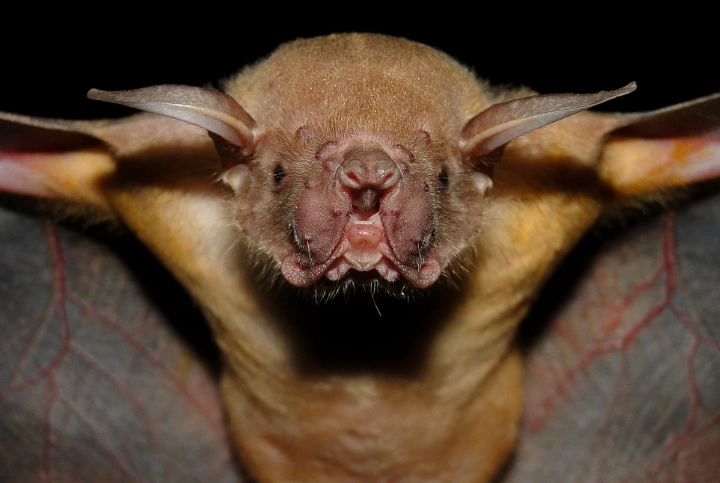
Here's the kicker: water is a terrible surface for echolocation. Most of the sound bounces off, creating a hard, bright echo from the water itself. Detecting a small fish against that backdrop is like trying to hear a whisper in a roaring stadium. The bulldog bat's brain is fine-tuned to pick up that whisper.
Once it gets a lock, it drops its hind feet into the water, trawling them just below the surface. The claws are spread, ready. When they make contact with the fish, they snap shut in a reflex. The bat immediately uses its wings to gain height, hauling the fish out of the water. In one smooth motion, it transfers the fish to its mouth, tucks it into those expandable cheek pouches, and heads back to a favorite perch to eat. The whole sequence, from detection to capture, can take less than a second. It's a breathtaking display of precision.
They don't just go for any fish. They typically target small surface-dwelling species that are a few centimeters long. Sometimes they'll also snatch aquatic insects or even small crustaceans. The lesser bulldog bat uses a similar technique but more often for insects, a behavior called "trawling."
Echolocation: Their Superpower Sonar
We have to spend a minute on this, because it's the cornerstone of their existence. Echolocation in bulldog bats is a masterclass in biological engineering. They emit sharp, constant-frequency calls through their noses. The returning echoes give them a detailed sound picture of their world.
What's special for fishing? Their ability to discriminate the Doppler shift. A ripple from a still object (like a floating leaf) creates one kind of frequency shift in the echo. A ripple from something moving under the surface (like a fish's fin breaking the water) creates a different, more complex shift. Their brains are wired to recognize the signature of live prey. Research from institutions like the Smithsonian Institution has been pivotal in understanding these auditory specializations. It's not just about hearing well; it's about hearing the right things in a very noisy environment.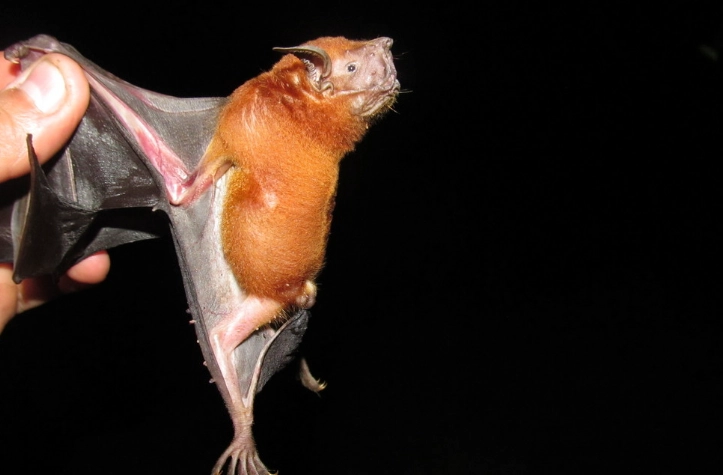
Life Cycle and Social Stuff
Bulldog bats have one breeding season per year. Females usually give birth to a single pup (twins are rare). The pup clings to its mother for the first few weeks, even during her hunting trips. Imagine that – a newborn bat holding on while its mom dive-bombs the water for fish! Talk about an intense childhood. They grow quickly and are independent in a couple of months.
Socially, they're quite interesting. Colonies can be mixed-sex or segregated. There's evidence of resource defense, where a bat might have a favorite fishing spot. Communication involves a variety of squeaks and chirps beyond just echolocation. I find their social complexity often gets overlooked because the fishing trick is so flashy.
Are They in Trouble? Conservation Status
This is the less fun part. Currently, the International Union for Conservation of Nature (IUCN) Red List categorizes both species of bulldog bat as Least Concern. That sounds good, but "Least Concern" doesn't mean "no concern." It means their populations are currently widespread and stable enough not to trigger the higher alarm bells.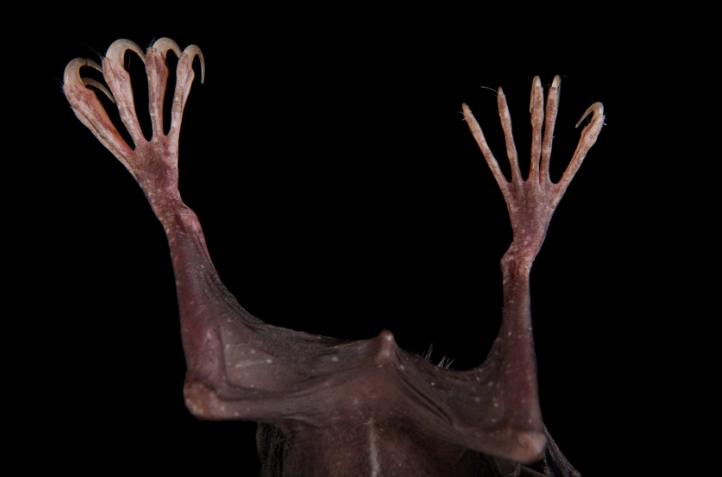
But they face real threats:
- Habitat loss: Mangrove deforestation for coastal development and aquaculture is a huge problem. No mangroves, no hunting grounds, no roosts.
- Water pollution: Pesticide run-off, heavy metals, and other contaminants can poison their food source (the fish) and accumulate in the bats themselves.
- Direct persecution: Like many bats, they suffer from bad PR. People sometimes kill them out of fear or misunderstanding, thinking all bats are vampires or disease-ridden.
- Disturbance of roosts: Caving tourism or development can drive them out of secure homes.
Protecting them means protecting healthy wetland ecosystems. Organizations like Bat Conservation International work on the broader picture of bat conservation, which indirectly helps species like the bulldog bat. The fact they're still "Least Concern" is a testament to their adaptability, but it's not a guarantee for the future.
I'll admit, reading about mangrove destruction in the name of shrimp farming really frustrates me. These ecosystems are biodiversity powerhouses, and we're paving them over for a cheap buffet item. The bulldog bat is just one casualty in a much bigger story of loss.
Clearing Up the Confusion: Common Bulldog Bat Myths
Let's bust some myths, because bats have enough PR problems as it is.
Myth 1: They're related to vampire bats. Nope. Not even close. Vampire bats (family Desmodontidae) are a completely separate lineage in South America. Bulldog bats are in their own unique family (Noctilionidae). They look different, act different, and have different DNA.
Myth 2: They're dangerous to humans. They are not. They have no interest in you. They want small fish. They are wild animals and should not be handled (like any wild animal), but they are not aggressive predators of large creatures. The idea of a "fishing bat" attacking a person is pure fiction.
Myth 3: They use their wings to catch fish. A common misconception seen in some old drawings. The wings are for flight only. All the fishing work is done with those highly specialized feet and claws.
Comparing the Two: Greater vs. Lesser Bulldog Bat
Since there are only two species, it's helpful to see them side-by-side. They're similar but have key differences that affect their lifestyles.
| Feature | Greater Bulldog Bat (Noctilio leporinus) | Lesser Bulldog Bat (Noctilio albiventris) |
|---|---|---|
| Size | Larger. Wingspan ~60 cm, weight 60-90 grams. | Smaller. Wingspan ~40 cm, weight 30-45 grams. |
| Primary Diet | Piscivore (fish specialist). Fish make up the vast majority of its diet. | Insectivore (insect specialist). Mainly eats insects, especially aquatic ones. |
| Hunting Technique | Deep foot-dragging for fish. Often flies higher between detections. | Shallow trawling for insects on the water surface. |
| Feet & Claws | Extremely large, long claws relative to body size. | Smaller and less robust than its greater cousin. |
| Cheek Pouches | Very large and expandable, for holding multiple fish. | Present, but smaller, as it's storing insects. |
| Geographic Range | More restricted to coastal areas and major river systems. | Has a broader range, found further inland along smaller rivers. |
Why Should We Care? The Bigger Picture
Beyond the cool factor, bulldog bats play an important ecological role. They are predators of small fish and insects, helping to regulate those populations. This can have cascading effects on the entire aquatic food web. Their presence is also a good bioindicator – a sign of a healthy, unpolluted wetland. If the bulldog bats disappear, it's a loud warning siren that the ecosystem is in trouble.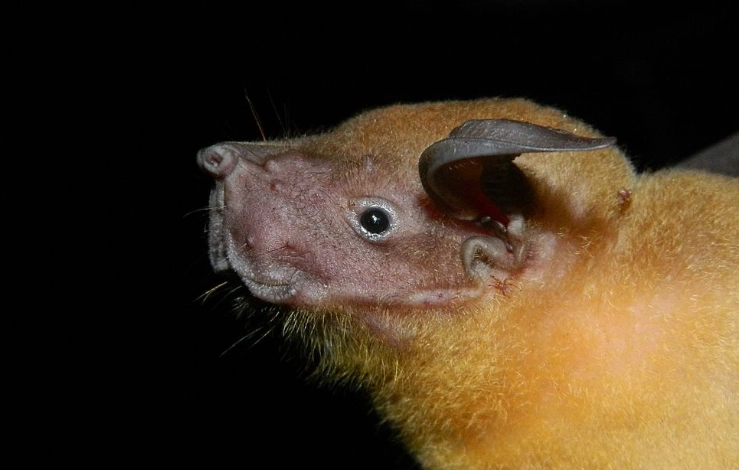
From a scientific perspective, they are a marvel of evolutionary adaptation. Studying how their echolocation cuts through the "noise" of water has implications for sonar technology. Understanding their biomechanics could inspire new designs for robotic grasping tools. They are a living lesson in how life finds a way to exploit even the most challenging niches.
The Bottom Line: The bulldog bat isn't just a quirky animal fact. It's a testament to evolutionary innovation, a crucial component of New World wetland health, and a reminder of the hidden wonders that exist in the natural world, often right under our noses (or, in this case, over our waterways).
Your Bulldog Bat Questions, Answered
Final Thoughts
Writing this has been a journey. The more I learned about the bulldog bat, the less it seemed like just an animal and more like a perfectly tuned instrument for one specific task. It's a humbling reminder of nature's boundless creativity.
We often overlook the specialists.
The generalists – the raccoons, the pigeons – do well around us. But the specialists, like the bulldog bat tied to pristine wetlands, are the ones that tell us the true story of our planet's health. Their survival is intertwined with the survival of complex, fragile ecosystems that we are still struggling to fully understand, let alone protect.
So next time you're near a tropical waterway at dusk, give a thought to the acoustic fishermen above the surface. A world with bulldog bats in it is a more interesting, more complete, and healthier world. And honestly, isn't that a world worth keeping around?


Comments
Leave a Comment